
In an increasingly digital world, the pursuit of financial independence and robust online income streams has become a core aspiration for many entrepreneurs and aspiring business owners. Shopify stands as a formidable platform in this landscape, offering a comprehensive suite of tools designed to facilitate e-commerce operations for businesses of all sizes. Far beyond just a website builder, Shopify is a powerful engine for generating substantial income, provided one understands its mechanics and employs sound financial strategies. This article delves into the various avenues and financial frameworks that allow individuals and businesses to effectively earn money from Shopify, focusing purely on the monetary aspects, profitability, and financial growth potential.

1. Understanding Shopify’s Monetary Ecosystem and Potential
Before diving into specific income-generating models, it’s crucial to grasp why Shopify has emerged as a preferred platform for online wealth creation. Its inherent design minimizes many traditional barriers to entry for retail, making it an accessible launchpad for entrepreneurs seeking to monetize their ideas.
The Foundation: What Makes Shopify a Lucrative Platform?
Shopify’s success as a money-making platform stems from several key characteristics. Firstly, its all-in-one nature means merchants don’t need to juggle multiple vendors for hosting, payment processing, or security—all critical components that can otherwise incur significant costs and operational complexities. This consolidation translates into reduced overheads and a streamlined operational budget, directly impacting a business’s net profitability. Furthermore, Shopify provides robust analytics tools, allowing businesses to track sales, customer behavior, and marketing performance, which are invaluable for making data-driven financial decisions and optimizing revenue streams. The App Store, a vast marketplace of integrations, offers solutions for everything from advanced inventory management to sophisticated marketing automation, enabling businesses to scale efficiently without a proportional increase in manual labor costs. The sheer volume of businesses, from startups to enterprise-level operations, choosing Shopify underscores its proven capability to facilitate profitable online ventures. Its global reach also means that merchants are not geographically limited in their earning potential, opening doors to international markets and diversified income sources.
Initial Investment vs. Earning Potential: A Financial Outlook
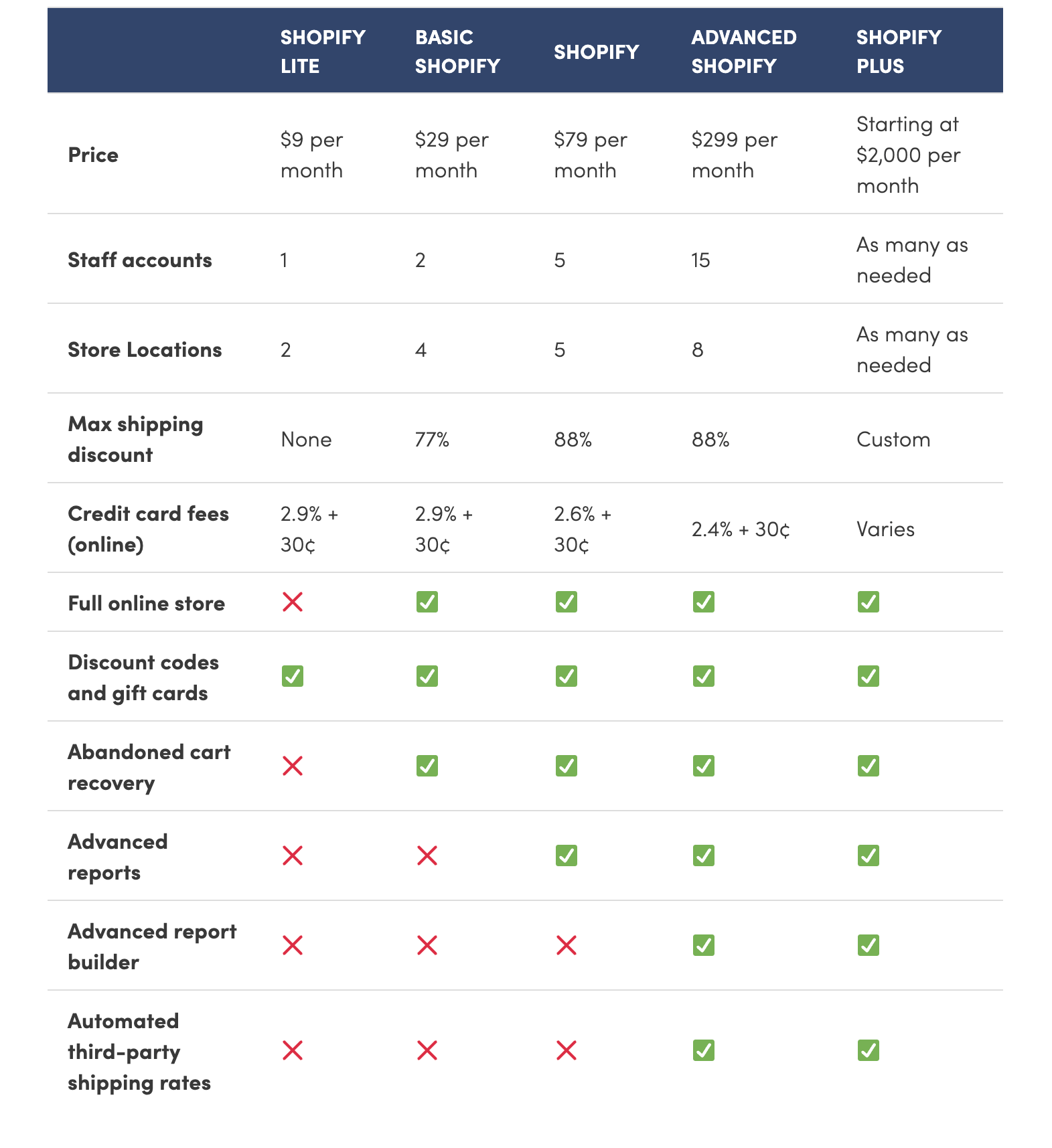
Like any business venture, starting a Shopify store requires an initial financial commitment, but its structure is designed to offer a favorable return on investment (ROI) when managed correctly. The core expenses typically include Shopify subscription fees (which vary based on the plan chosen), domain registration, and potentially some initial app subscriptions for enhanced functionality. Beyond these fixed costs, variable expenses can include product sourcing, marketing and advertising spend, and transaction fees.
The beauty of Shopify lies in its scalability, which directly impacts earning potential. A sole entrepreneur running a dropshipping business might start with a minimal investment and scale gradually, reinvesting profits to expand. Conversely, an established brand migrating to Shopify might allocate a larger budget for inventory, premium themes, and extensive marketing campaigns, expecting a faster and larger return. Understanding this dynamic relationship between initial outlay and potential earnings is critical. Successful Shopify entrepreneurs carefully budget their startup capital, forecast their break-even points, and strategize for profit margins from day one. The platform’s flexibility allows for diverse financial models, from low-overhead ventures like selling digital products to higher-investment models involving physical inventory, each offering different risk/reward profiles. The key is to align your chosen business model with your financial capacity and desired earning potential.
2. Proven Business Models for Generating Income on Shopify
Shopify supports a wide array of business models, each with distinct financial implications and earning potentials. Selecting the right model often depends on your capital, risk tolerance, and operational preferences.
Dropshipping: Low Capital, High Flexibility
Dropshipping remains one of the most popular ways to earn money from Shopify, primarily due to its low barrier to entry and minimal capital requirement. In this model, the merchant does not hold any inventory. Instead, when a customer places an order, the merchant purchases the item from a third-party supplier, who then ships it directly to the customer. Financially, this means:
- Reduced Overhead: No upfront inventory costs, warehousing fees, or packaging expenses. This significantly lowers the financial risk and allows for a wider product selection without tying up capital.
- Profit Margins: Profits are derived from the difference between the retail price set by the merchant and the wholesale price charged by the supplier. Successful dropshippers focus on finding niche products with healthy profit margins and efficient suppliers.
- Scalability: The model is highly scalable without a proportional increase in financial strain related to inventory management. As sales grow, the primary financial consideration is marketing spend.
The financial success of dropshipping hinges on shrewd product selection, effective marketing to drive traffic, and meticulous management of supplier relationships to ensure product quality and timely delivery, thereby minimizing costly returns and refunds.
Print-on-Demand (POD): Creative Freedom with Managed Risk
Print-on-Demand is another financially attractive model for creative entrepreneurs. Similar to dropshipping, POD eliminates the need for inventory. Merchants design custom graphics, logos, or text, which are then printed onto products (t-shirts, mugs, phone cases, etc.) only when an order is placed. The POD supplier handles printing, packaging, and shipping. Key financial advantages include:
- Minimal Inventory Risk: No financial outlay for products until a sale is made, significantly reducing initial investment and risk.
- Focus on Design and Marketing: Capital can be primarily directed towards design tools, marketing campaigns, and building a brand, which directly contributes to higher perceived value and potential profit margins.
- High Customization: The ability to offer unique, personalized products can command premium pricing, boosting average order value and overall revenue.
Profitability in POD depends on compelling designs that resonate with a target audience, strategic pricing that covers production costs and provides a healthy margin, and efficient marketing to reach potential customers.
Direct-to-Consumer (DTC) Sales: Maximizing Profit Margins
Selling your own physical products directly to consumers through Shopify (DTC) often offers the highest profit margins among the business models, as you control the entire supply chain from sourcing/manufacturing to sales. This model involves:
- Inventory Investment: This is the most significant financial consideration. Capital is tied up in purchasing or manufacturing products before they are sold. Careful inventory management is crucial to avoid dead stock and optimize cash flow.
- Brand Building: A strong brand identity allows for premium pricing and fosters customer loyalty, translating into repeat purchases and higher customer lifetime value (CLV)—critical financial metrics.
- Control over Costs: Direct sourcing or manufacturing provides greater control over production costs, allowing for better margin optimization.
- Fulfillment Costs: Merchants are responsible for warehousing, packaging, and shipping, which are direct costs impacting profitability. Efficient logistics can significantly reduce these expenses.
While DTC requires more upfront capital and operational complexity, the reward is often greater control over branding, customer experience, and ultimately, higher profit potential per sale.
Digital Products and Services: Scalability with High Margins
For those with expertise or creative digital assets, selling digital products and services on Shopify presents an incredibly high-margin and scalable income stream. This category includes:
- E-books, Online Courses, Templates: Once created, these products have almost zero cost of goods sold (COGS) for each subsequent sale, leading to near 100% profit margins after initial development and marketing costs.
- Memberships and Subscriptions: Offering exclusive content, tools, or community access on a recurring subscription basis creates predictable recurring revenue, a highly desirable financial model.
- Consulting and Coaching Services: Leveraging Shopify’s booking and payment features, professionals can offer their expertise globally, charging premium rates for their time and knowledge.
The financial appeal of digital products and services lies in their scalability—they can be sold repeatedly without needing to replenish physical stock—and their high-profit margins. The primary investments are in creation, marketing, and the tools used to deliver them.
3. Financial Strategies for Optimizing Profitability and Growth
Beyond choosing a business model, implementing sound financial strategies is paramount to not just earning money, but maximizing profitability and ensuring sustainable growth on Shopify.
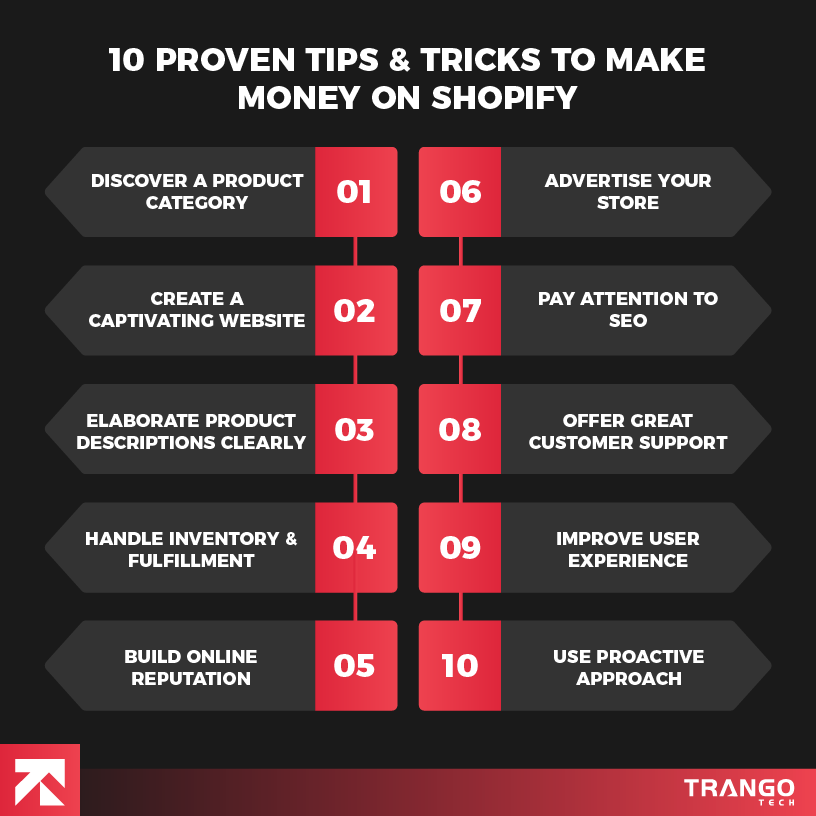
Strategic Pricing and Margin Management
Effective pricing is a cornerstone of profitability. It’s not just about covering costs; it’s about reflecting value and achieving target profit margins. Strategies include:
- Cost-Plus Pricing: Adding a fixed percentage markup to the cost of goods sold. While simple, it might not always reflect market value.
- Value-Based Pricing: Setting prices based on the perceived value to the customer. This often allows for higher margins, especially for unique or branded products.
- Competitive Pricing: Analyzing competitor pricing to position your products effectively.
- Dynamic Pricing: Adjusting prices based on demand, inventory levels, or time of year to maximize revenue.
- Bundle Pricing: Offering multiple products together at a slightly reduced combined price to increase average order value.
Crucially, ongoing margin management involves consistently reviewing supplier costs, operational expenses, and market demand to adjust pricing and ensure healthy profitability.
Budgeting and Expense Control for Sustainable Income
A robust budget is the financial blueprint of your Shopify store. It helps in allocating resources wisely and controlling expenditures. Key elements include:
- Startup Budget: Detailing initial expenses like platform fees, domain, theme, essential apps, and initial inventory/marketing.
- Operational Budget: Projecting recurring monthly expenses (Shopify plan, app subscriptions, advertising, customer service, shipping supplies).
- Cash Flow Management: Monitoring the inflow and outflow of cash to ensure liquidity. Reinvesting profits strategically rather than overspending is vital for long-term financial health.
- Expense Audits: Regularly reviewing all expenses to identify areas for cost reduction without compromising quality or service. This could involve negotiating better supplier rates or optimizing ad spend.
Harnessing Marketing ROI for Increased Revenue
Marketing is a significant investment for any Shopify store, but its return on investment (ROI) is what drives revenue growth.
- Paid Advertising (Google Ads, Facebook/Instagram Ads): While an expense, these can deliver targeted traffic. The focus must be on maximizing ROAS (Return On Ad Spend) by constantly testing ad creatives, targeting, and optimizing campaigns.
- Search Engine Optimization (SEO): An investment in time and content creation, SEO drives organic (free) traffic to your store. High rankings mean sustained visibility without direct ad spend, leading to highly profitable sales.
- Email Marketing: Building an email list and sending targeted campaigns is one of the most cost-effective ways to drive repeat purchases, announce new products, and recover abandoned carts, directly boosting revenue.
- Content Marketing: Creating valuable blog posts, videos, or guides attracts potential customers, builds authority, and nurtures leads, often at a lower cost than direct advertising over the long term.
Every marketing dollar spent should be accountable, with clear metrics (conversion rates, customer acquisition cost, CLV) to ensure a positive financial return.
Customer Lifetime Value: The Key to Recurring Earnings
Customer Lifetime Value (CLV) represents the total revenue a business can expect from a single customer account throughout their relationship with the business. A higher CLV indicates a healthier, more sustainable business model.
- Customer Retention Strategies: Implementing loyalty programs, providing exceptional customer service, and personalized marketing can encourage repeat purchases. Retaining existing customers is significantly more cost-effective than acquiring new ones.
- Upselling and Cross-selling: Strategically offering complementary products or higher-value versions to existing customers can significantly increase their CLV and overall revenue without additional acquisition costs.
- Subscription Models: For suitable products or services, offering subscription options generates predictable recurring revenue and inherently increases CLV.
Focusing on CLV shifts the financial perspective from single transactions to long-term customer relationships, unlocking sustained earning potential.
4. Scaling Your Shopify Venture for Long-Term Financial Success
Once your Shopify store is generating consistent income, the next phase involves scaling operations to achieve greater financial success and market penetration.
Expanding Product Lines and Market Reach
Growth often comes from diversifying your offerings and reaching new audiences.
- Product Diversification: Introducing new products that complement your existing range can increase average order value and attract new customer segments, unlocking additional revenue streams.
- International Expansion: Shopify’s multi-currency and international shipping capabilities make it easier to tap into global markets, significantly expanding your customer base and earning potential. However, this requires careful financial planning regarding currency exchange rates, international shipping costs, and compliance with local tax regulations.
- Omnichannel Sales: Integrating your Shopify store with other sales channels like social media platforms (Facebook Shop, Instagram Shopping) or marketplaces (Google Shopping, Etsy) can broaden your reach without necessarily incurring huge additional costs, maximizing revenue potential from various touchpoints.
Leveraging Analytics for Informed Financial Decisions
Shopify’s built-in analytics and integrations with tools like Google Analytics provide a wealth of data crucial for making financially astute decisions.
- Sales Performance Metrics: Tracking total sales, average order value (AOV), conversion rates, and product profitability helps identify what’s working and what isn’t.
- Customer Behavior Analysis: Understanding purchasing patterns, popular products, and customer demographics allows for targeted marketing and product development, optimizing financial resource allocation.
- Inventory Turnover: For businesses holding inventory, analyzing turnover rates helps in managing stock efficiently, reducing holding costs, and preventing dead stock, thus improving cash flow.
Data-driven insights are invaluable for optimizing financial performance, from refining marketing spend to making strategic product investments.
Reinvesting Profits Smartly for Accelerated Growth
A common mistake new entrepreneurs make is taking all profits out of the business too soon. Smart reinvestment is critical for accelerated growth.
- Product Development: Investing in new product research and development can keep your offerings fresh and competitive.
- Marketing Expansion: Allocating a portion of profits to scale successful marketing campaigns or explore new channels can exponentially increase customer acquisition.
- Operational Improvements: Investing in automation tools, upgrading to a higher Shopify plan, or improving shipping logistics can enhance efficiency, reduce long-term costs, and improve customer satisfaction, all contributing to increased financial returns.
- Team Building: Hiring skilled staff can free up your time for strategic initiatives and allow for greater operational capacity, leading to higher output and revenue potential.
Each reinvestment should be viewed as a calculated financial decision aimed at increasing future earning capacity.
Navigating Legal, Tax, and Financial Compliance
As a Shopify business grows, so do its financial and legal responsibilities.
- Tax Obligations: Understanding sales tax, income tax, and international tax regulations (if applicable) is crucial. Non-compliance can lead to hefty fines, impacting profitability. It’s advisable to consult with tax professionals.
- Legal Compliance: Adhering to consumer protection laws, privacy policies (e.g., GDPR, CCPA), and intellectual property rights protects your business from legal issues that can incur significant financial and reputational costs.
- Financial Reporting: Maintaining accurate financial records, preparing profit and loss statements, and balance sheets are essential for tracking performance, securing funding, and fulfilling regulatory requirements.
By proactively addressing these areas, Shopify entrepreneurs can mitigate financial risks and ensure a stable, compliant, and ultimately more profitable business operation.
In conclusion, earning money from Shopify is a multifaceted endeavor that intertwines product offering, strategic marketing, and robust financial management. By understanding the platform’s potential, choosing the right business model, implementing shrewd financial strategies, and planning for scalable growth, entrepreneurs can transform their Shopify store into a highly profitable and sustainable source of income, solidifying their financial future in the digital marketplace.
aViewFromTheCave is a participant in the Amazon Services LLC Associates Program, an affiliate advertising program designed to provide a means for sites to earn advertising fees by advertising and linking to Amazon.com. Amazon, the Amazon logo, AmazonSupply, and the AmazonSupply logo are trademarks of Amazon.com, Inc. or its affiliates. As an Amazon Associate we earn affiliate commissions from qualifying purchases.