
In an era defined by economic volatility and the rising cost of living, the concept of a single source of income is rapidly becoming an outdated relic of the past. Whether you are looking to pay off debt, build an emergency fund, or achieve financial independence sooner, learning how to earn extra money is no longer just an ambitious goal—it is a vital financial strategy. The modern landscape offers a dizzying array of opportunities, ranging from the immediate liquidity of the gig economy to the long-term scalability of digital entrepreneurship.

To successfully navigate these options, one must move beyond the “get rich quick” mentality and instead focus on sustainable, scalable, and strategic income diversification. This guide explores the most effective avenues for boosting your earnings, categorized by the level of effort, capital, and time required to see a return.
1. Leveraging the Gig Economy and Service-Based Side Hustles
The most immediate way to increase your cash flow is by trading your time and skills for direct payment. The gig economy has democratized access to work, allowing individuals to monetize their existing assets or professional expertise with minimal barrier to entry.
The Power of Specialized Freelancing
If you possess a marketable skill such as writing, graphic design, software development, or digital marketing, freelancing offers the highest hourly return. Platforms like Upwork, Fiverr, and Toptal provide a global marketplace where you can connect with businesses in need of project-based support. The key to earning significant extra money in this space is “niching down.” Instead of being a generalist, position yourself as an expert in a specific vertical—such as email marketing for e-commerce or technical writing for SaaS companies—allowing you to command premium rates.
On-Demand Service Platforms
For those who prefer physical or logistical tasks, the sharing economy provides instant opportunities. While ride-sharing and food delivery are the most common examples, higher margins are often found in specialized services. Platforms like TaskRabbit allow you to earn money for home repairs or assembly, while Rover caters to the booming pet-care industry. These roles offer the ultimate flexibility, allowing you to scale your efforts up or down based on your primary job’s schedule.
Consultative and Administrative Support
The rise of remote work has created a massive demand for virtual assistants and online consultants. Small business owners often need help with administrative tasks, scheduling, or customer service but cannot afford a full-time employee. By offering these services on a contract basis, you can build a stable “side” income that provides a predictable monthly retainer, bridging the gap between sporadic gigs and a steady paycheck.
2. Building Passive Income through Digital Assets
While service-based work is excellent for immediate cash, it is fundamentally limited by the number of hours in a day. To truly transform your financial profile, you must look toward building digital assets that decouple your time from your earnings.
Content Creation and Monetization
The creator economy has turned personal hobbies and specialized knowledge into profitable ventures. Whether through a niche blog, a YouTube channel, or a podcast, creating high-quality content allows you to attract an audience that can be monetized in several ways. Once a library of content is established, it can generate income through advertising revenue (such as Google AdSense) and brand sponsorships. The initial time investment is significant, but the long-term “tail” of the income is what makes this a premier strategy for earning extra money.
Online Courses and Information Products
If you have mastered a particular craft or professional skill, you can package that knowledge into a digital product. Platforms like Teachable, Kajabi, and Udemy allow you to host video courses or e-books that users can purchase at any time. Unlike a service-based business where you “sell the hour,” an online course allows you to “sell the result” repeatedly. This model has high profit margins because the cost of reproduction is effectively zero once the initial product is created.
Affiliate Marketing Strategies
Affiliate marketing involves promoting a third party’s products and earning a commission on every sale made through your unique referral link. This is most effective when integrated into a content platform. By providing honest reviews and helpful tutorials, you build trust with your audience, making your recommendations more valuable. When done ethically, affiliate marketing serves as a seamless way to earn passive income by simply pointing people toward tools and products that solve their problems.
3. Strategic Investing and Financial Growth

Earning extra money does not always require active labor; it can also involve making your existing capital work harder for you. Strategic investing is the cornerstone of long-term wealth accumulation and provides a “hands-off” method of increasing your net worth.
Dividend-Paying Stocks and ETFs
Investing in dividend-yielding stocks or Exchange Traded Funds (ETFs) is a classic method of generating a steady stream of extra cash. Companies that pay dividends distribute a portion of their earnings back to shareholders regularly. By reinvesting these dividends or using them as supplemental income, you create a self-sustaining financial engine. For those seeking lower risk, index funds that track the broader market offer a way to participate in economic growth with diversified exposure.
Real Estate Crowdfunding
Traditional real estate investment often requires massive capital and active management. However, modern financial tools now allow for “fractional” real estate investing. Through crowdfunding platforms, you can invest smaller amounts of money—sometimes as little as $500—into commercial or residential portfolios managed by professionals. You receive a share of the rental income and property appreciation without the headaches of being a landlord.
High-Yield Savings and Certificates of Deposit (CDs)
In a high-interest-rate environment, simply optimizing where your cash sits can generate extra money. Moving your emergency fund from a standard big-bank savings account (which often pays negligible interest) to a High-Yield Savings Account (HYSA) or a CD ladder can result in hundreds or thousands of dollars in annual interest. While not as “exciting” as a side hustle, this is the most effortless way to ensure your money isn’t losing value to inflation.
4. Monetizing Underutilized Physical Assets
Many people are sitting on a goldmine of unused or underutilized assets. Transitioning from a consumer mindset to an owner-operator mindset can unlock significant hidden revenue.
The Short-Term Rental Market
If you have a spare room, a guest house, or travel frequently, platforms like Airbnb and VRBO allow you to turn your living space into a revenue stream. Short-term rentals often command much higher nightly rates than traditional long-term leases. By focusing on hospitality and high-quality photography, you can turn a liability (your mortgage or rent) into an asset that covers its own costs and then some.
Car-Sharing and Equipment Rentals
If your vehicle spends most of its time in the driveway, services like Turo allow you to rent it out to screened drivers. Similarly, platforms now exist for renting out high-end camera gear, power tools, or even musical instruments. These “peer-to-peer” rental markets allow you to recoup the purchase price of expensive items and turn them into ongoing sources of extra money.
Reselling and Niche Flipping
The secondary market is more robust than ever. “Flipping” involves purchasing undervalued items—from vintage clothing at thrift stores to electronics at estate sales—and reselling them for a profit on eBay, Poshmark, or specialized marketplaces. This requires a keen eye for value and market trends, but for those who enjoy the “hunt,” it can be a highly lucrative and engaging way to boost monthly income.
5. The Roadmap to Sustainability: Managing and Scaling Extra Income
Earning the money is only half the battle; managing it professionally is what separates a temporary “gig” from a lasting financial transformation. As your extra income grows, your approach to financial management must evolve.
Navigating Tax Implications
One of the most common pitfalls of earning extra money is forgetting the tax man. Most side hustle income is considered self-employment income, meaning you are responsible for both the employer and employee portions of Social Security and Medicare taxes. It is essential to set aside 25–30% of your gross “extra” earnings in a separate account to cover quarterly estimated tax payments. This professional approach prevents a stressful surprise during tax season.
Time Management and Burnout Prevention
The pursuit of extra money can easily lead to burnout if not managed correctly. To ensure sustainability, it is crucial to set boundaries. This might mean dedicating specific hours of the weekend to your side hustle or automating certain parts of your digital business. The goal is to ensure that your quest for financial freedom does not come at the cost of your mental health or your performance in your primary career.
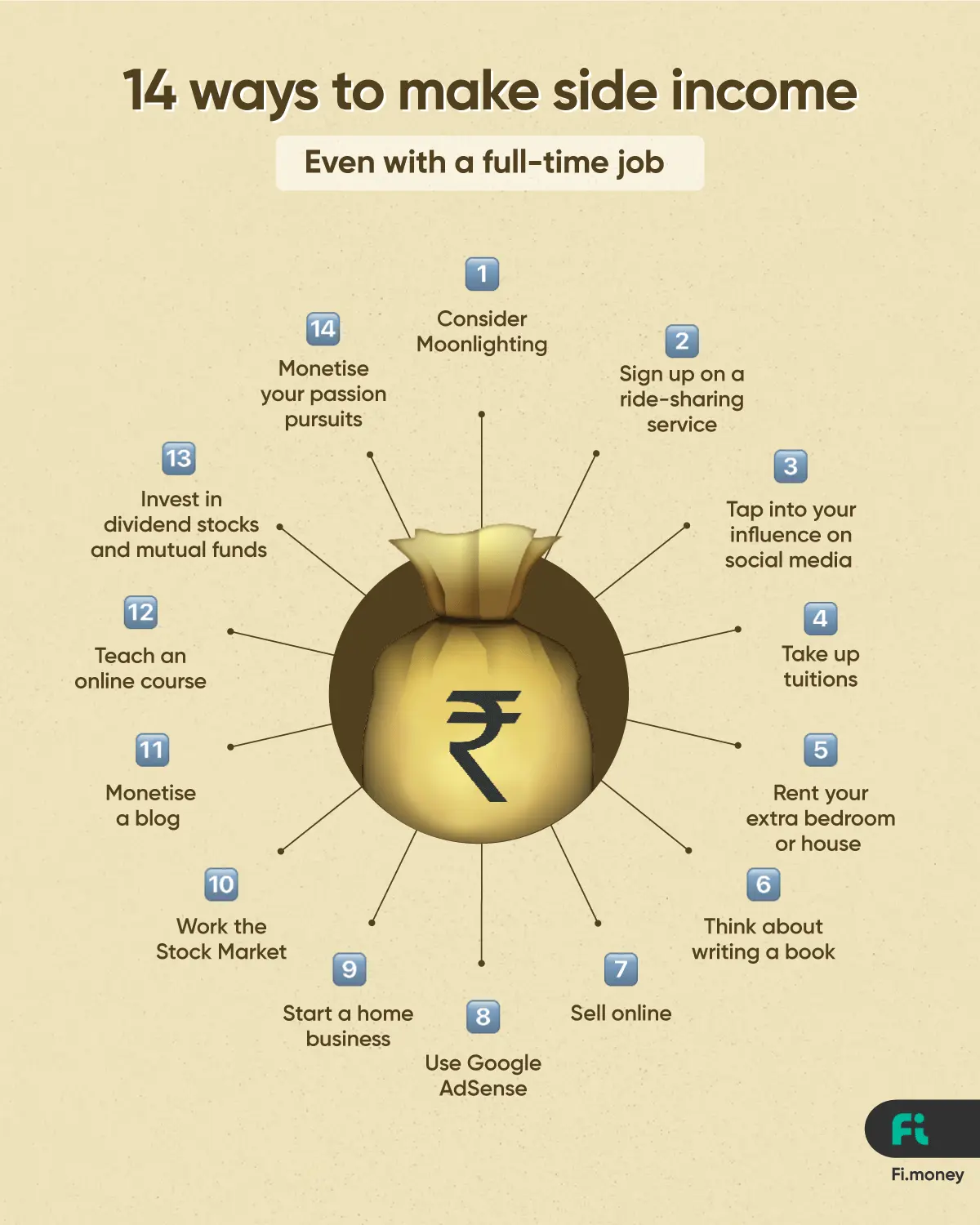
Reinvestment for Exponential Growth
Finally, the fastest way to scale your extra income is to reinvest a portion of your profits back into the venture. Whether that means buying better equipment for your freelance work, spending money on ads to grow your digital asset, or moving your side hustle earnings into your investment portfolio, reinvestment creates a “compounding effect.” By viewing your extra money as a tool for further growth rather than just “spending money,” you pave the way for a future where supplemental income might eventually replace your primary salary altogether.
aViewFromTheCave is a participant in the Amazon Services LLC Associates Program, an affiliate advertising program designed to provide a means for sites to earn advertising fees by advertising and linking to Amazon.com. Amazon, the Amazon logo, AmazonSupply, and the AmazonSupply logo are trademarks of Amazon.com, Inc. or its affiliates. As an Amazon Associate we earn affiliate commissions from qualifying purchases.