
In the contemporary economic landscape, the concept of a “single source of income” is rapidly becoming an outdated relic of the past. With inflation fluctuating, job markets shifting due to automation, and the cost of living reaching historic highs, the pursuit of extra income has transitioned from a luxury to a financial necessity. However, earning more money is not merely about “working harder”; it is about the strategic deployment of your time, capital, and skills.
To build a robust financial foundation, one must look beyond the traditional 9-to-5 framework. This guide explores the multifaceted world of personal finance and side hustles, offering a roadmap for those looking to diversify their revenue streams, optimize their earning potential, and ultimately achieve a higher degree of financial sovereignty.
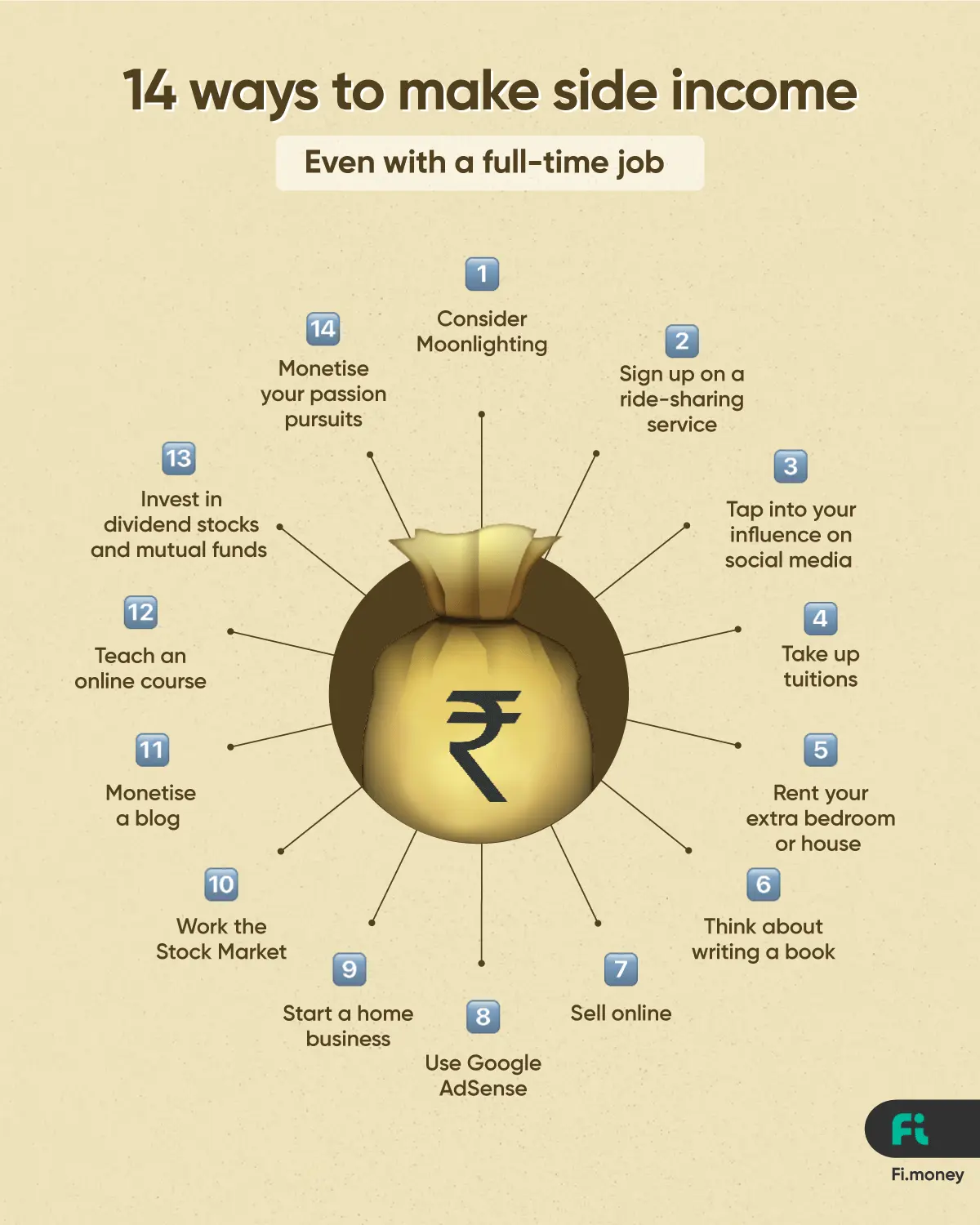
The Strategic Shift: Moving from a Single Income Stream to a Portfolio Career
Before diving into specific tactics, it is essential to understand the philosophy of the “Portfolio Career.” This approach treats your professional life as a collection of different income-generating activities rather than a single monolith. By diversifying where your money comes from, you reduce the risk of financial catastrophe should one stream dry up.
Understanding the Psychology of Diversification
Diversification is a principle most commonly associated with stock market investing, but it applies equally to income. When you rely solely on an employer, you are essentially “investing” 100% of your human capital into one company. If that company faces a downturn, your financial stability is compromised. Earning extra income provides a “margin of safety.” Psychologically, having multiple streams of revenue reduces scarcity mindset and empowers you to make bolder decisions in your primary career because you are no longer tethered to a single paycheck for survival.
Assessing Your High-Value Skills
Not all side hustles are created equal. To maximize your return on time (ROT), you must identify your high-value skills. These are skills that the market prizes but are in relatively short supply. For example, manual data entry is a low-value skill with a low ceiling for earnings. Conversely, financial analysis, technical writing, or project management are high-value skills. The first step in earning extra income is performing an internal audit: What do you know that others are willing to pay for? The intersection of what you are good at, what you enjoy, and what the market values is where your most profitable extra income will be found.
Digital Entrepreneurship and the Modern Gig Economy
The internet has democratized the ability to generate wealth. No longer do you need a physical storefront or a massive loan to start a business. The digital economy allows for high-margin, low-overhead ventures that can be managed from anywhere in the world.
Monetizing Expertise through Digital Products
One of the most efficient ways to earn extra income is to decouple your time from your earnings. Traditional freelancing still requires you to trade hours for dollars. Digital products—such as e-books, online courses, or specialized templates—allow you to create an asset once and sell it indefinitely. If you have mastered a specific area of personal finance, for instance, you could create a comprehensive “Budgeting for High-Earners” spreadsheet or a video course on “Navigating the Stock Market for Beginners.” The scalability of digital products makes them a cornerstone of modern wealth building.
Navigating the Freelance Marketplace
For those who prefer a more direct approach, the freelance economy offers immediate liquidity. Platforms like Upwork, Toptal, and specialized niche boards allow professionals to consult for global firms. The key to success in freelancing is niche specialization. Generalists often face a “race to the bottom” in terms of pricing. Specialists—such as a “Financial Consultant for E-commerce Startups”—can command premium rates. By positioning yourself as an expert in a specific vertical, your extra income can quickly rival or even surpass your primary salary.
The Rise of the Passion Economy and Content Creation
The “Passion Economy” refers to the ability to monetize individual creativity and personality. Through platforms like Substack for newsletters or specialized membership sites, individuals are earning significant extra income by sharing deep-dive insights. This is not about “influencing” in the traditional sense; it is about providing specialized value to a dedicated community. If you have a deep understanding of market trends or industrial sectors, a paid newsletter can provide a consistent, recurring revenue stream that builds your personal brand while padding your bank account.

Passive Income Engines: Making Your Capital Work for You
While active side hustles require ongoing effort, passive income is the “holy grail” of personal finance. Passive income involves an upfront investment of time or money that eventually generates a return with minimal ongoing maintenance.
Dividend Growth Investing and Capital Markets
The most traditional form of passive income is investing in the stock market, specifically through dividend-paying stocks. Dividend growth investing involves purchasing shares in companies that have a history of not only paying dividends but increasing them annually. Over time, these dividends can be reinvested to buy more shares, creating a compounding effect. For those with a lower risk tolerance, Index Funds or Exchange-Traded Funds (ETFs) provide a way to earn extra income through the natural appreciation of the market and periodic distributions, requiring almost zero daily management.
Real Estate and REITs
Real estate has long been a preferred vehicle for wealth generation. However, being a landlord is often far from “passive.” For those looking to earn extra income from property without the headache of maintenance and tenants, Real Estate Investment Trusts (REITs) are an excellent tool. REITs are companies that own, operate, or finance income-producing real estate. By buying shares in a REIT, you can earn a portion of the income produced by commercial properties, apartments, or warehouses. This provides the benefits of real estate—cash flow and appreciation—with the liquidity of a stock.
High-Yield Financial Instruments
In a fluctuating interest rate environment, where you keep your “extra” money matters. Moving your emergency fund or short-term savings from a traditional big-bank savings account to a High-Yield Savings Account (HYSA) or a Money Market Account can significantly increase your interest income. While this won’t make you rich overnight, it is the lowest-effort way to ensure your money is working as hard as possible. Additionally, Treasury bills and Certificates of Deposit (CDs) currently offer competitive yields that serve as a safe haven for capital while providing a predictable income stream.
Building a Sustainable Income Ecosystem
The danger of pursuing extra income is the potential for burnout. If you are working 80 hours a week across four different jobs, your health and primary career will eventually suffer. Building a sustainable ecosystem is about efficiency and management.
Time Management and the ROI of Effort
To succeed long-term, you must treat your side income like a business. This means tracking your hours and calculating your actual hourly rate for each side hustle. If you spend ten hours a week on a project that only nets you $100, your time might be better spent elsewhere. Automation tools and outsourcing can help. For instance, if your side business involves selling products, using a third-party logistics (3PL) provider to handle shipping can free up your time to focus on higher-level strategy and growth.
Tax Implications and Financial Record Keeping
One of the most overlooked aspects of earning extra income is the tax burden. In many jurisdictions, side income is subject to self-employment tax, which can take a significant bite out of your earnings if you aren’t prepared. It is vital to set aside a percentage of every dollar earned for tax season. Furthermore, keeping meticulous records allows you to deduct business-related expenses—such as your home office, internet, or software subscriptions—thereby lowering your taxable income. Consulting with a financial advisor or a tax professional is a prudent step once your extra income reaches a certain threshold.

Conclusion: The Long-Term Vision for Financial Independence
Earning extra income is not just about the immediate gratification of a larger bank balance; it is about the freedom that money represents. Each new income stream you develop is a brick in the wall of your financial security. Whether you choose to pursue digital entrepreneurship, leverage your professional skills in the freelance market, or build a portfolio of passive investments, the goal remains the same: to create a life where your financial well-being is not dependent on any single entity.
By adopting a professional and disciplined approach to your personal finances, you can transform “extra income” from a sporadic bonus into a powerful engine for wealth creation. The journey to financial independence is a marathon, not a sprint, and the best time to start building your multi-stream income portfolio is today. Through strategic planning, continuous skill development, and smart capital allocation, you can navigate the complexities of the modern economy and secure a prosperous financial future.
aViewFromTheCave is a participant in the Amazon Services LLC Associates Program, an affiliate advertising program designed to provide a means for sites to earn advertising fees by advertising and linking to Amazon.com. Amazon, the Amazon logo, AmazonSupply, and the AmazonSupply logo are trademarks of Amazon.com, Inc. or its affiliates. As an Amazon Associate we earn affiliate commissions from qualifying purchases.