
In an era characterized by economic volatility and the rapid transformation of the traditional workplace, the pursuit of supplementary income has evolved from a luxury into a strategic necessity. Whether the objective is to accelerate debt repayment, bolster a retirement portfolio, or simply hedge against inflation, earning “a little extra cash” is no longer just about trading time for a pittance. It is about identifying market gaps, leveraging underutilized assets, and capitalizing on the digital infrastructure that connects talent with demand.
The shift toward a “multi-hyphenate” financial life requires a departure from the 20th-century mindset of a single, linear career path. Today, financial resilience is built through diversification. By understanding the mechanics of the modern gig economy, the scalability of digital products, and the efficiency of the sharing economy, individuals can create sustainable revenue streams that provide both immediate liquidity and long-term financial security.
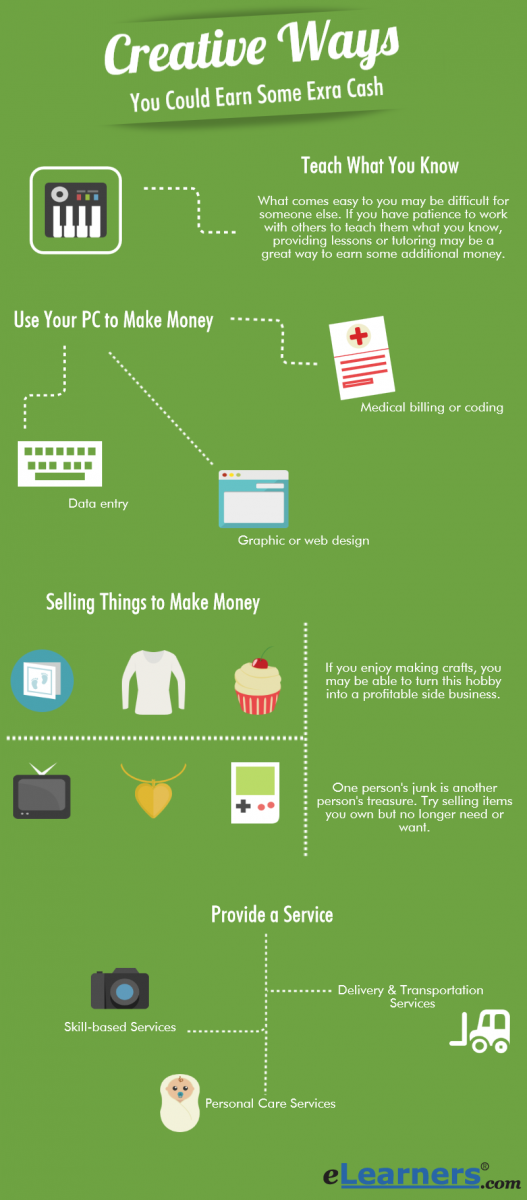
Maximizing the Digital Economy: From Content to Commerce
The internet has democratized the ability to generate income by removing traditional gatekeepers. However, the key to success in the digital space is not merely participation, but the strategic positioning of one’s skills and knowledge.
The Rise of the Knowledge Economy
One of the most scalable ways to earn extra cash is through the packaging of specialized knowledge into digital products. Unlike physical goods, digital products—such as e-books, online courses, or specialized templates—incur zero marginal cost for each additional unit sold. If you possess expertise in a specific niche, whether it be advanced Excel modeling, graphic design, or gardening, platforms like Gumroad or Teachable allow you to monetize that expertise. The initial time investment is high, but the potential for passive, recurring income is substantial.
Affiliate Marketing and Strategic Partnerships
For those with an existing online presence or the willingness to build one, affiliate marketing remains a potent secondary income source. This involves promoting products or services and earning a commission for every sale made through a unique referral link. The modern approach to affiliate marketing eschews the “hard sell” in favor of authentic integration. By curating high-quality recommendations within a specific niche—such as tech tools for remote workers or sustainable home goods—you build trust with an audience, which translates into higher conversion rates and steady monthly payouts.
The Power of Micro-SaaS and No-Code Tools
You no longer need to be a software engineer to build a digital solution. The “no-code” movement allows individuals to create simple apps or browser extensions that solve specific problems. These “Micro-SaaS” (Software as a Service) products can be sold on a subscription basis. Even a simple tool that automates a mundane task for small business owners can generate a few hundred to a few thousand dollars in extra cash each month with minimal maintenance.
Leveraging Professional Skills in the Freelance Marketplace
While passive income is the ultimate goal for many, the fastest way to generate extra cash is often by selling a high-value skill on a freelance basis. The “expert economy” allows professionals to consult or execute projects outside their primary employment, often at a higher hourly rate than their salary would suggest.
Identifying High-Yield Freelance Niches
Not all freelance work is created equal. To maximize earnings, one must focus on “high-yield” skills—those that directly contribute to a client’s bottom line. Copywriting, technical writing, data analysis, and digital marketing are perennially in demand. Platforms like Upwork and Toptal provide access to global clients, but the most lucrative opportunities often come from direct networking and positioning oneself as a “fractional” expert. A fractional Chief Marketing Officer or a fractional project manager can command significant fees for just a few hours of work per week.
The Virtual Assistance Evolution
The role of the Virtual Assistant (VA) has matured significantly. Modern VAs are often specialized project managers who handle everything from executive scheduling to podcast production and social media management. For a professional looking for extra cash, offering high-level executive support can provide a stable, recurring revenue stream. The key is to move away from general administrative tasks and toward specialized support that requires a deep understanding of the client’s industry.

Tutoring and Educational Consulting
The global demand for supplemental education has surged. Beyond traditional K-12 tutoring, there is a massive market for professional coaching and standardized test preparation (LSAT, GMAT, MCAT). If you have a background in academia or have mastered a specific professional certification, you can leverage platforms like Wyzant or offer private consulting. This niche is particularly effective because it allows for “value-based pricing,” where the cost of the service is tied to the significant life outcome it facilitates for the student.
The Sharing Economy: Monetizing Underutilized Assets
Earning extra cash does not always require active labor; often, it requires an audit of the assets you already own. The sharing economy has evolved to include much more than just ride-sharing or short-term home rentals.
Strategic Asset Rental
If you own a vehicle that sits idle during the workweek, platforms like Turo allow you to rent it out to vetted drivers. Similarly, for those with extra storage space, services like Neighbor allow you to rent out your garage, basement, or attic to people looking for local storage options. This “passive” utilization of space or equipment requires minimal effort but can offset significant portions of a mortgage or car payment.
Specialized Equipment Leasing
Professional-grade equipment—such as high-end cameras, power tools, or even camping gear—often has high upfront costs and sits unused for long periods. Websites like Fat Llama or ShareGrid allow you to lease this equipment to others. This is particularly effective in urban centers where residents may not have the space to store large items but have a temporary need for them. By treating your equipment as a “productive asset,” you can recoup the initial investment and generate a surplus.
Peer-to-Peer Lending and Dividend Growth
For those who already have a small amount of capital and are looking to make “extra cash” through interest rather than labor, peer-to-peer (P2P) lending platforms like Prosper or LendingClub offer a way to act as the bank. By lending small amounts to various borrowers, you earn interest that typically exceeds what is offered by traditional savings accounts. While this carries more risk than a high-yield savings account, it is a legitimate way to put existing cash to work in a diversified manner.
Financial Hygiene and Scaling Your Side Income
Generating extra cash is only half the battle; the other half is managing it effectively to ensure it contributes to your long-term financial health.
Managing Tax Obligations and Legal Structure
When you move from a single W-2 income to multiple 1099 streams, tax complexity increases. It is vital to set aside a percentage of every dollar earned (typically 25-30%) for self-employment taxes. Furthermore, as your “extra cash” grows, it may be beneficial to form a legal entity, such as an LLC. This not only provides a layer of liability protection but also allows for the deduction of business-related expenses—such as home office equipment, software subscriptions, and professional development—which can lower your overall taxable income.
Automating the “Extra” for Compound Growth
The most successful earners treat their extra cash as “invisible money.” Instead of allowing it to be absorbed by lifestyle inflation, they automate the transfer of these funds directly into high-yield savings accounts, SEP-IRAs, or brokerage accounts. By separating your primary “survival” income from your secondary “growth” income, you create a psychological barrier that prevents impulsive spending and accelerates the power of compounding.

Balancing Time and Energy
The greatest risk of pursuing extra cash is burnout. To avoid this, it is essential to periodically audit your side hustles for “Return on Effort” (ROE). If a particular freelance gig pays well but leaves you too exhausted to perform at your primary job, it may be a net negative. The goal should be to move toward income streams that are either highly enjoyable or increasingly passive. Scaling might involve outsourcing lower-level tasks or investing in tools that automate your workflow, allowing you to earn more while working less.
Ultimately, earning extra cash is about more than just the immediate dollar value. It is about building a diverse financial ecosystem that provides options. Whether you are navigating the high-stakes world of professional consulting, renting out a spare room, or selling digital templates to a global audience, each stream of income represents a brick in a wall of financial independence. By staying disciplined, leveraging the right tools, and focusing on high-value activities, anyone can transform the goal of “extra cash” into a robust engine for wealth creation.
aViewFromTheCave is a participant in the Amazon Services LLC Associates Program, an affiliate advertising program designed to provide a means for sites to earn advertising fees by advertising and linking to Amazon.com. Amazon, the Amazon logo, AmazonSupply, and the AmazonSupply logo are trademarks of Amazon.com, Inc. or its affiliates. As an Amazon Associate we earn affiliate commissions from qualifying purchases.