
The annual ritual of filing a tax return can evoke a mix of anxiety, confusion, and even dread for many individuals and businesses. Yet, it remains a fundamental pillar of personal finance and civic responsibility. Far from being a mere bureaucratic chore, understanding how to effectively do your tax return empowers you to manage your financial health, ensure compliance, and potentially unlock significant savings through deductions and credits. This guide aims to demystify the process, offering a clear, professional, and insightful roadmap to navigating the complexities of tax season with confidence.
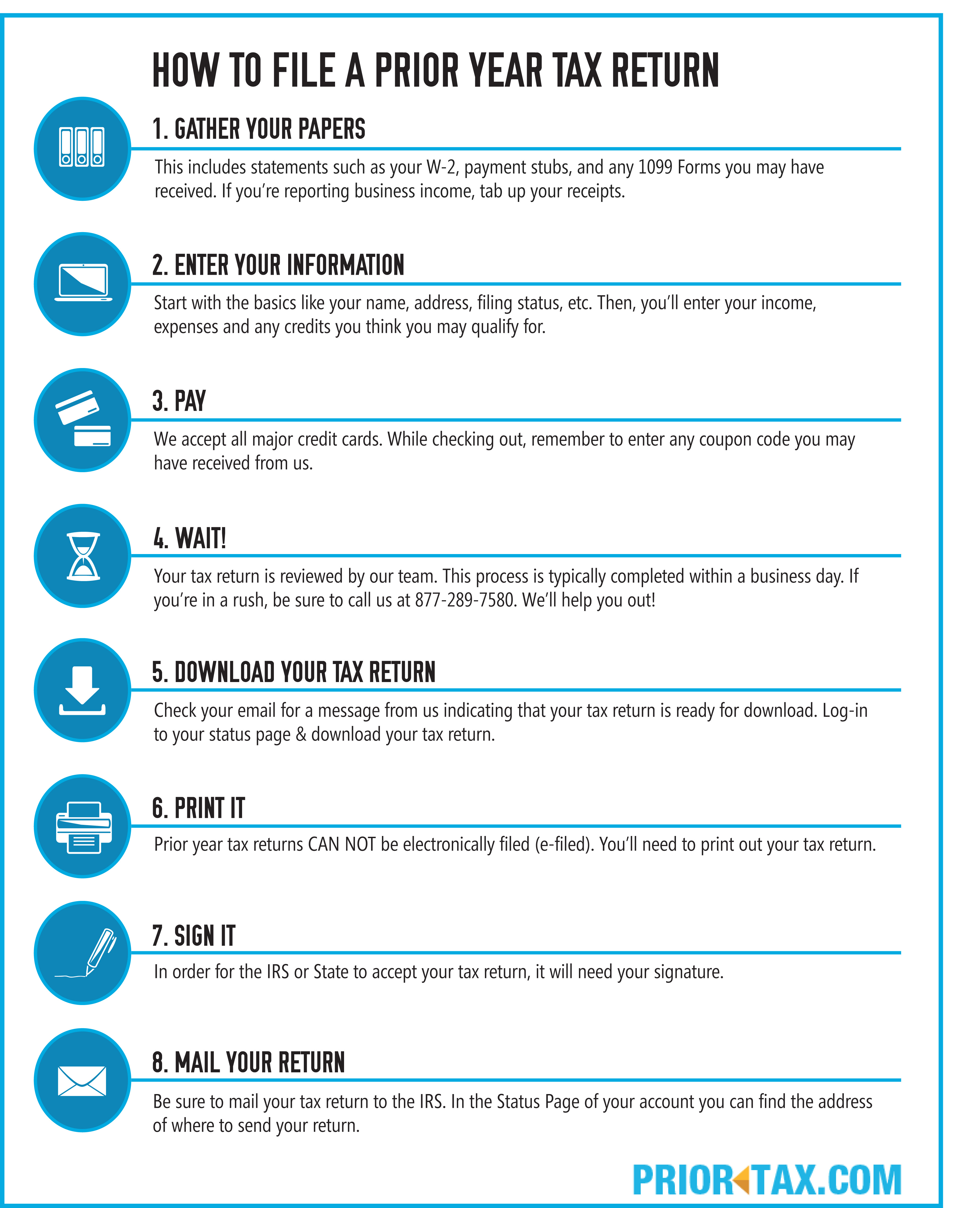
Tax returns are more than just forms; they are a declaration of your financial activities for a given year to the government, allowing it to assess your tax liability or determine your eligibility for a refund. For individuals, it’s about reporting income from wages, investments, or self-employment. For businesses, it’s a crucial component of financial reporting and ongoing viability. Mastering this annual task is not just about avoiding penalties; it’s about optimizing your financial outcomes and maintaining good standing with tax authorities. Whether you’re a first-time filer, a seasoned taxpayer looking to refine your approach, or an entrepreneur grappling with business tax obligations, a structured understanding is your most valuable asset.
Understanding Your Tax Obligations
Before diving into the mechanics of filling out forms, a foundational understanding of why and what you’re filing is essential. This sets the stage for accurate reporting and helps you identify your specific responsibilities.
Who Needs to File?
The requirement to file a tax return isn’t universal for every individual. Generally, if your gross income exceeds a certain threshold—which varies based on your age, filing status (e.g., single, married filing jointly), and whether you can be claimed as a dependent—you are obligated to file. Even if you don’t meet these thresholds, you might still want to file, especially if you had taxes withheld from your paychecks or are eligible for refundable tax credits (like the Earned Income Tax Credit), which could result in a refund. Businesses, regardless of income, typically have an annual filing requirement, often with quarterly estimated tax payments. Understanding your specific circumstances is the first critical step.
Key Deadlines and Penalties
Tax season operates on a strict calendar. For most individual taxpayers in the U.S., the primary deadline for filing federal income tax returns and paying any tax due is typically April 15th of the following year (or the next business day if April 15th falls on a weekend or holiday). However, this can vary for businesses, specific types of income, or if you apply for an extension. While an extension grants you more time to file your return, it generally does not extend the time to pay any taxes owed. Failing to meet these deadlines can result in significant financial penalties, including interest charges on unpaid taxes and late-filing fees. Proactive awareness of these dates is paramount to avoiding unnecessary financial strain.
Types of Income Subject to Tax
Taxable income encompasses a broad range of earnings. The most common include wages, salaries, and tips (reported on a W-2). However, many other forms of income are also taxable, such as self-employment income, rental income, interest and dividends from investments, capital gains from selling assets, unemployment benefits, and even certain types of gambling winnings. It’s crucial to identify all sources of income to ensure complete and accurate reporting, as overlooked income can lead to audits and penalties. Understanding the different categories helps you gather the correct documentation.
Residency and Filing Status
Your residency status (e.g., U.S. citizen, resident alien, non-resident alien) and your filing status (Single, Married Filing Jointly, Married Filing Separately, Head of Household, Qualifying Widow(er)) significantly impact your tax obligations, standard deduction amount, and eligibility for certain credits. Changes in marital status, dependents, or living arrangements within a tax year directly influence which filing status you qualify for. Correctly determining your filing status is vital, as it can have a substantial impact on your overall tax liability and potential refunds.
Gathering Your Essential Documents
Once you understand your obligations, the next crucial step is to meticulously gather all the necessary financial documents. This stage is often the most time-consuming but is critical for accuracy and ensuring you don’t miss any deductions or credits. Think of it as assembling the puzzle pieces that make up your financial year.
Income Statements (W-2s, 1099s)
These are the bedrock of your tax return. If you are an employee, your employer will send you a W-2 form, detailing your wages, tips, and other compensation, along with taxes withheld. If you are a freelancer, independent contractor, or receive certain types of payments (e.g., from online platforms, royalties), you’ll likely receive various 1099 forms (e.g., 1099-NEC for non-employee compensation, 1099-MISC for miscellaneous income). Other 1099 forms cover dividends (1099-DIV), interest (1099-INT), and distributions from retirement accounts (1099-R). Ensure you have all relevant forms, as these directly report your earnings.
Investment and Savings Statements
If you have investments, expect to receive statements detailing interest earned from savings accounts (often a 1099-INT), dividends from stocks or mutual funds (1099-DIV), and capital gains or losses from selling investments (1099-B). These documents are vital for accurately reporting investment income and calculating any capital gains tax liabilities or losses that can offset other income.
Deduction and Credit Documentation
This category requires diligent record-keeping throughout the year. For itemized deductions, you’ll need receipts for medical expenses, charitable contributions, property taxes paid, and mortgage interest statements (Form 1098). For credits, documentation can include records of childcare expenses, higher education tuition statements (Form 1098-T), or energy-efficient home improvements. The more organized you are with these records, the easier it will be to identify and claim all eligible deductions and credits, maximizing your potential savings.
Prior Year’s Tax Return
Your previous year’s tax return is a valuable reference document. It contains information like your Adjusted Gross Income (AGI), carryover losses or credits, and details about your dependents. Many tax software programs and professionals will also use it to pre-fill certain information, streamlining the current year’s process. It also serves as a checklist for recurring income sources and deductions, helping to ensure consistency.
Choosing Your Filing Method
With all your documents in hand, the next decision involves how you will prepare and file your return. Several options cater to different levels of financial complexity and personal comfort with tax preparation.
DIY with Tax Software

For many taxpayers, especially those with straightforward returns, using tax preparation software is a popular and cost-effective choice. Platforms like TurboTax, H&R Block, and TaxAct guide you step-by-step, asking questions in plain language and performing calculations automatically. They often integrate directly with financial institutions to import data, further simplifying the process. These tools are excellent financial tools for self-service tax preparation, offering varying levels of support and features, from basic free versions for simple returns to premium versions for more complex scenarios, including self-employment income or investment reporting. They also typically offer seamless e-filing.
Hiring a Professional
If your financial situation is complex—perhaps you own a small business, have significant investments, rental properties, or recently experienced major life changes (marriage, divorce, new home)—hiring a qualified tax professional (like a CPA, Enrolled Agent, or professional tax preparer) can be a wise investment. They can offer personalized advice, ensure compliance with the latest tax laws, identify all eligible deductions and credits, and represent you in the event of an audit. While this option comes with a fee, the peace of mind and potential for greater tax savings often outweigh the cost.
Free File Options
For taxpayers with lower to moderate incomes, several free filing options exist. The IRS offers the Free File program, a partnership with tax software providers that allows eligible taxpayers to prepare and e-file their federal taxes for free. Additionally, community-based programs like the Volunteer Income Tax Assistance (VITA) and Tax Counseling for the Elderly (TCE) offer free tax help to qualifying individuals, typically those earning below a certain income threshold, persons with disabilities, the elderly, and those with limited English proficiency. These programs provide invaluable assistance, ensuring everyone has access to professional tax preparation regardless of their financial means.
Navigating Deductions and Credits
This is where the financial strategy truly comes into play. Maximizing deductions and credits is key to reducing your taxable income and, consequently, your overall tax bill. Understanding the difference and identifying your eligibility can significantly impact your financial health.
Standard vs. Itemized Deductions
When filing, you generally have two choices for deductions: taking the standard deduction or itemizing your deductions. The standard deduction is a fixed dollar amount, determined by your filing status, that reduces your taxable income. It’s often simpler to claim, and for many taxpayers, it results in a larger deduction than itemizing. However, if your eligible itemized deductions (such as significant medical expenses, mortgage interest, state and local taxes, and charitable contributions) exceed your standard deduction amount, then itemizing makes financial sense. Keeping meticulous records of these expenses throughout the year is crucial for making this determination.
Common Tax Credits
Tax credits are particularly powerful because they directly reduce the amount of tax you owe, dollar-for-dollar, rather than just reducing your taxable income like deductions do. Some credits are refundable, meaning you can get money back even if you don’t owe any tax. Common credits include the Child Tax Credit, the Earned Income Tax Credit (EITC) for low to moderate-income individuals and families, education credits (like the American Opportunity Tax Credit and Lifetime Learning Credit), and various credits for energy-efficient home improvements or adoption expenses. Each credit has specific eligibility requirements, so understanding them is essential to claim what you’re due.
Maximizing Your Savings Legally
The goal of tax planning isn’t to avoid taxes, but to pay only what you legally owe. This involves strategic planning throughout the year, not just at tax time. Contributing to tax-advantaged retirement accounts (like 401(k)s or IRAs) can reduce your current taxable income. Managing capital gains and losses can offset investment income. Keeping thorough records for business expenses or home office deductions for self-employed individuals is also critical. Consulting with a financial advisor or tax professional can help you develop a year-round strategy to legally maximize your deductions and credits, optimizing your financial position.
Reviewing, Filing, and Post-Filing Considerations
The final steps involve a meticulous review, submission of your return, and understanding what happens afterward. Accuracy and proper record-keeping extend beyond the filing deadline.
Double-Checking for Accuracy
Before hitting “submit” or dropping your return in the mail, dedicate time to a thorough review. Even the most sophisticated software can’t catch every human error. Verify that all income figures match your W-2s and 1099s. Confirm your Social Security numbers and those of your dependents are correct. Double-check your bank account information if you’re expecting a direct deposit refund. Errors, even minor ones, can delay your refund or trigger an inquiry from the tax authorities. Take a moment to breathe and give it a final, careful look.
E-filing vs. Mail Filing
Electronic filing (e-filing) is the preferred method for the vast majority of taxpayers. It’s faster, more secure, and reduces the chances of errors compared to paper filing. When e-filing, you typically receive an immediate confirmation that your return has been received. If you choose to mail a paper return, ensure you use certified mail with a return receipt for proof of mailing, especially if you’re close to the deadline. Always keep a copy of your filed return and all supporting documents for your records.
What to Do If You Owe Tax
If your calculations show that you owe additional taxes, it’s crucial to pay by the deadline to avoid penalties. You can typically pay directly from your bank account when e-filing, through IRS Direct Pay, by check or money order, or via a credit/debit card (though third-party processing fees may apply). If you cannot pay the full amount due, contact the tax authorities promptly to discuss payment options, such as an installment agreement, to prevent further penalties and interest.
Handling a Refund
If you’re due a refund, congratulations! The fastest way to receive it is via direct deposit into your bank account. You can typically track the status of your refund online through the tax authority’s website a few days after e-filing. While a refund can feel like a windfall, it’s actually an interest-free loan you’ve given the government. Consider adjusting your withholdings for the next year if your refunds are consistently large, so you have more access to your money throughout the year.
Record Keeping for Future Audits
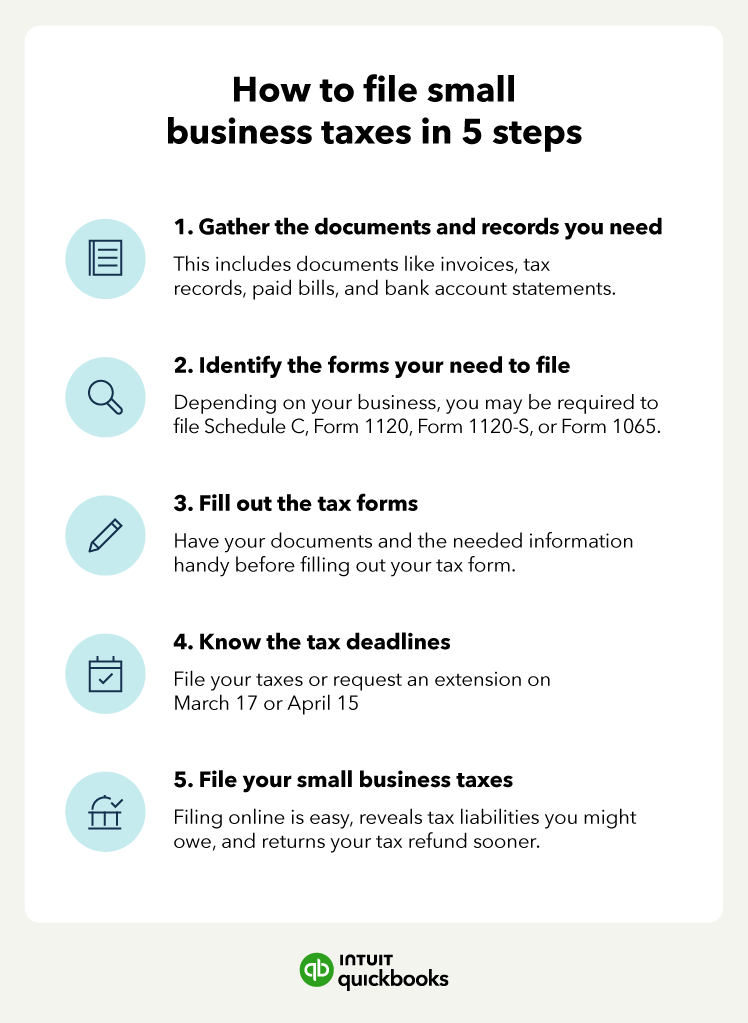
The obligation doesn’t end once your return is filed. It’s imperative to retain copies of your filed returns and all supporting documentation (W-2s, 1099s, receipts, statements) for at least three years from the date you filed your original return or two years from the date you paid the tax, whichever is later. In some cases, such as underreporting income, the statute of limitations can extend to six years. These records are your defense in the unlikely event of an audit, providing proof and justification for all reported income, deductions, and credits.
Filing your tax return doesn’t have to be an intimidating ordeal. By approaching it systematically, understanding your obligations, diligently gathering documents, choosing the right filing method, and strategically utilizing deductions and credits, you transform a daunting task into an empowering act of financial management. This comprehensive guide provides the framework; your attention to detail and proactive planning will ensure a smooth, compliant, and potentially rewarding tax season year after year.
aViewFromTheCave is a participant in the Amazon Services LLC Associates Program, an affiliate advertising program designed to provide a means for sites to earn advertising fees by advertising and linking to Amazon.com. Amazon, the Amazon logo, AmazonSupply, and the AmazonSupply logo are trademarks of Amazon.com, Inc. or its affiliates. As an Amazon Associate we earn affiliate commissions from qualifying purchases.