
Stock trading was once a pursuit reserved for the elite in tailored suits on the floors of major exchanges. Today, the digital revolution has democratized the financial markets, allowing anyone with a smartphone and a modest amount of capital to participate in global commerce. However, the accessibility of trading does not diminish its complexity. To succeed in stock trading, one must transition from a passive observer to a disciplined strategist. This guide explores the essential pillars of stock trading, from foundational mechanics to the psychological discipline required to navigate market volatility.
Understanding the Fundamentals of the Stock Market
Before placing your first trade, it is imperative to understand exactly what occurs when a transaction is executed. At its core, the stock market is a vast network of exchanges where shares of publicly held companies are issued, bought, and sold.
What is a Stock?
A stock, often referred to as equity, represents a claim on a part of a corporation’s assets and earnings. When you buy a share, you are becoming a partial owner of that business. The value of your investment fluctuates based on the company’s performance, broader economic conditions, and investor sentiment. There are two primary ways to earn money from stocks: capital appreciation (selling the stock for more than you paid) and dividends (periodic payments made by the company to its shareholders from profits).
How the Stock Exchange Functions
Exchanges like the New York Stock Exchange (NYSE) or the Nasdaq act as secondary markets where existing shareholders can sell their shares to potential buyers. In the modern era, these exchanges operate through high-speed electronic networks. Understanding the “bid” (the highest price a buyer is willing to pay) and the “ask” (the lowest price a seller is willing to accept) is fundamental. The difference between these two is the “spread,” which serves as a cost of trading and a measure of a stock’s liquidity.
The Role of Market Indices
To gauge how the overall market is performing, traders look at indices like the S&P 500, the Dow Jones Industrial Average, or the Nasdaq Composite. These indices track the performance of a specific group of stocks and serve as benchmarks. For a beginner, understanding these benchmarks is vital to determine whether your individual trading strategy is actually “beating the market” or if you would be better off in a passive index fund.
Preparing Your Financial Foundation for Trading
Successful trading is built on a bedrock of financial stability. Entering the market with “rent money” or funds needed for short-term expenses is a recipe for emotional decision-making and financial ruin.
Assessing Risk Tolerance and Goals
Every trader must define their “risk profile.” This is a combination of your financial ability to take a loss and your psychological willingness to see your account balance drop. Are you trading for long-term wealth building, or are you looking for supplemental short-term income? Your goals will dictate your strategy. High-growth tech stocks offer high potential rewards but come with significant volatility, while blue-chip utility stocks offer stability and dividends.
Setting a Trading Budget
A cardinal rule of trading is to never invest more than you can afford to lose. Before you begin, ensure you have an emergency fund covering three to six months of living expenses. Once your basics are covered, allocate a specific “trading capital” amount. Many professionals suggest the 1% rule: never risk more than 1% of your total trading capital on a single trade. This ensures that even a string of losses won’t wipe out your account.
Choosing the Right Brokerage Account
Your broker is your gateway to the market. In the current landscape, many brokers offer zero-commission trading on stocks and ETFs. However, you should look beyond just the cost. Consider the platform’s research tools, ease of use, and customer service. High-quality brokerages provide “paper trading” accounts—simulators that allow you to practice with fake money in real market conditions. This is an invaluable tool for testing strategies without risking actual capital.
Developing a Strategic Trading Methodology
Without a strategy, trading is indistinguishable from gambling. A methodology provides a set of rules that govern when you enter a trade, how long you hold it, and when you exit.
Long-term Investing vs. Active Trading
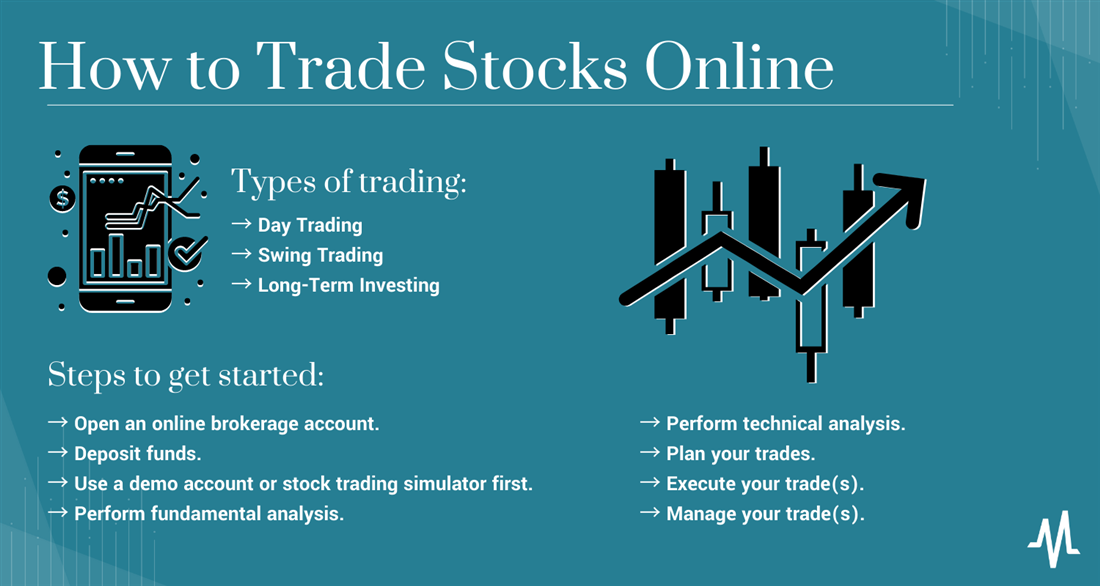
It is crucial to distinguish between these two approaches. Long-term investing (often called “buy and hold”) involves holding assets for years or decades to benefit from compound growth. Active trading, which includes day trading or swing trading, involves more frequent transactions to capitalize on short-term price movements. Most successful market participants use a “core and satellite” approach: keeping the bulk of their money in safe, long-term investments while using a smaller portion for active trading.
Fundamental vs. Technical Analysis
These are the two primary schools of thought in stock analysis.
- Fundamental Analysis involves looking at a company’s financial health. You examine earnings reports, revenue growth, profit margins, and the quality of the management team. The goal is to find “intrinsic value”—the true worth of the company compared to its current stock price.
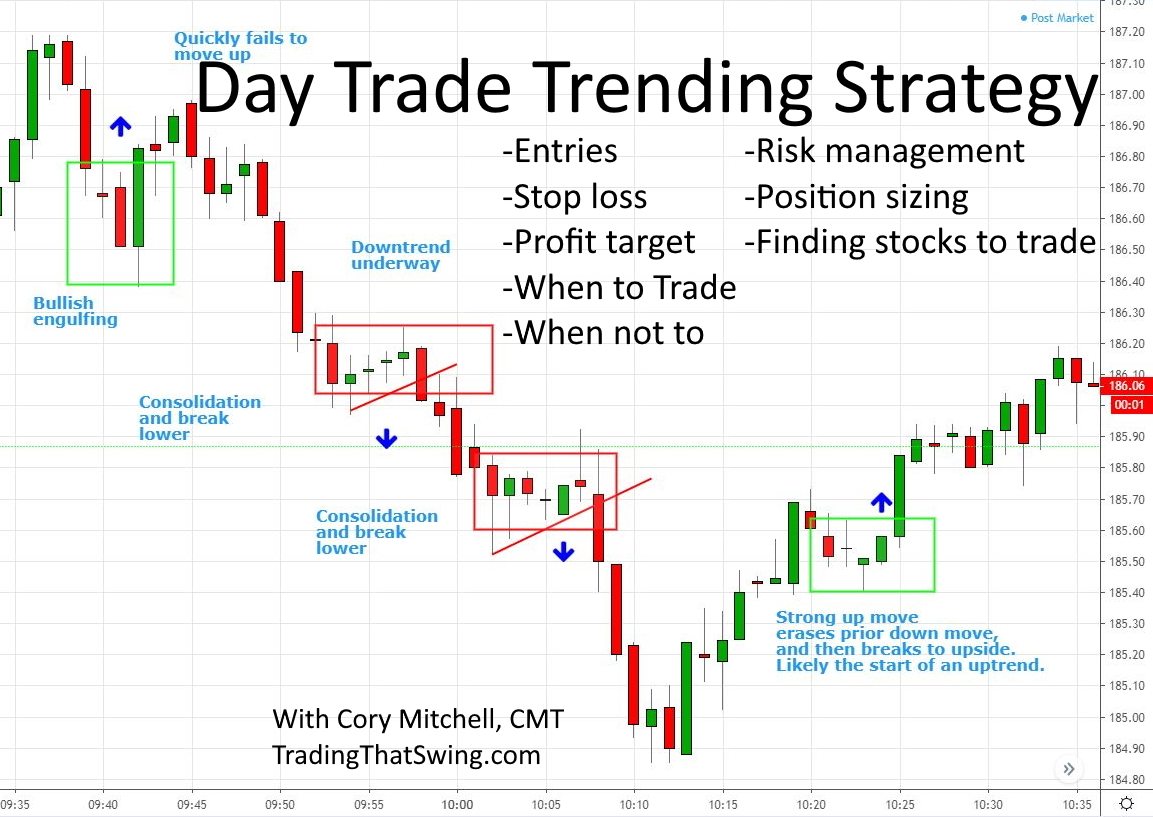
- Technical Analysis ignores the company’s “story” and focuses on price charts and volume. Technical traders look for patterns (like “head and shoulders” or “support and resistance” levels) and indicators (like Moving Averages or the Relative Strength Index) to predict future price movement based on historical data.
Diversification and Portfolio Management
“Don’t put all your eggs in one basket” is the most famous adage in finance for a reason. Diversification involves spreading your investments across different sectors (Tech, Healthcare, Energy), asset classes, and even geographic regions. This reduces “unsystematic risk”—the risk that a single company’s failure or a specific industry’s downturn will devastate your entire portfolio.
Executing Your First Trade and Managing Positions
Once you have your strategy and your capital, it is time to interface with the market. The execution phase is where theory meets reality.
Types of Orders: Market, Limit, and Stop-Loss
When you hit the “buy” button, you have choices on how that order is executed.
- Market Order: Instructs the broker to buy or sell immediately at the best available current price.
- Limit Order: Sets a specific price at which you are willing to buy or sell. This gives you control over the price but doesn’t guarantee the trade will be executed if the stock doesn’t hit your target.
- Stop-Loss Order: An essential risk management tool. It automatically triggers a sell order if the stock drops to a certain price, preventing further losses.
Monitoring Market Trends and News
Stock prices move on information. Earnings calls, economic data releases (like inflation or employment reports), and geopolitical events can cause sudden price swings. Successful traders stay informed through financial news outlets and real-time data feeds. However, the challenge is distinguishing between “noise” (temporary, irrelevant fluctuations) and “signal” (information that fundamentally changes a stock’s value).
The Importance of Emotional Discipline
The biggest enemy of a trader is not the market, but their own emotions: fear and greed. Greed leads to “FOMO” (Fear Of Missing Out), causing traders to buy at the top. Fear leads to panic selling at the bottom. Developing a “trading plan”—a written document detailing your entry and exit points before the trade even begins—is the best way to remove emotion from the equation.
Advanced Tools and Continuous Learning
The stock market is a dynamic system that evolves constantly. To stay competitive, a trader must commit to lifelong learning and utilize the best tools available.
Utilizing Financial Research Platforms
Beyond basic news, professional-grade tools like Bloomberg Terminal, FactSet, or even more accessible platforms like TradingView and Morningstar provide deep-dive analytics. These tools allow you to screen for stocks based on specific criteria (e.g., low P/E ratios or high dividend yields) and perform complex back-testing to see how your strategy would have performed in the past.
Understanding Tax Implications
Trading is not just about what you make; it’s about what you keep. In many jurisdictions, selling a stock for a profit triggers capital gains tax. If you hold a stock for more than a year, you may qualify for a lower “long-term capital gains” rate. Conversely, “tax-loss harvesting” allows you to sell losing positions to offset the taxes owed on your winners. Always consult with a financial advisor or tax professional to optimize your after-tax returns.

Keeping a Trading Journal
One of the most effective habits of elite traders is keeping a detailed journal. Document every trade, including why you entered, what you were feeling at the time, and what the eventual outcome was. Over months and years, this journal becomes a personalized textbook of your own behavior, allowing you to identify recurring mistakes and refine your “edge” in the market.
In conclusion, stock trading is a profession of probabilities, not certainties. While the potential for wealth creation is significant, it requires a disciplined approach, a robust education, and a temperament suited for uncertainty. By focusing on risk management first and profits second, and by adhering to a well-researched strategy, you can navigate the complexities of the financial markets and build a sustainable path toward financial independence.
aViewFromTheCave is a participant in the Amazon Services LLC Associates Program, an affiliate advertising program designed to provide a means for sites to earn advertising fees by advertising and linking to Amazon.com. Amazon, the Amazon logo, AmazonSupply, and the AmazonSupply logo are trademarks of Amazon.com, Inc. or its affiliates. As an Amazon Associate we earn affiliate commissions from qualifying purchases.