
The stock market can seem like a formidable, exclusive club, replete with jargon, complex charts, and rapid-fire decisions. For many, it’s an intimidating landscape, but for those who understand its fundamentals, it represents an unparalleled opportunity for wealth creation and financial independence. Far from being a mere playground for the wealthy, the stock market is an accessible avenue for anyone willing to learn, plan, and commit to a long-term strategy. This guide aims to demystify the stock market, providing a clear, step-by-step roadmap for beginners to confidently embark on their investment journey, turning aspiration into tangible financial growth.

Understanding the Fundamentals of the Stock Market
Before diving into trading, it’s crucial to grasp the core concepts that underpin the stock market. A solid foundational understanding will empower you to make informed decisions rather than relying on speculation or emotion.
What is the Stock Market?
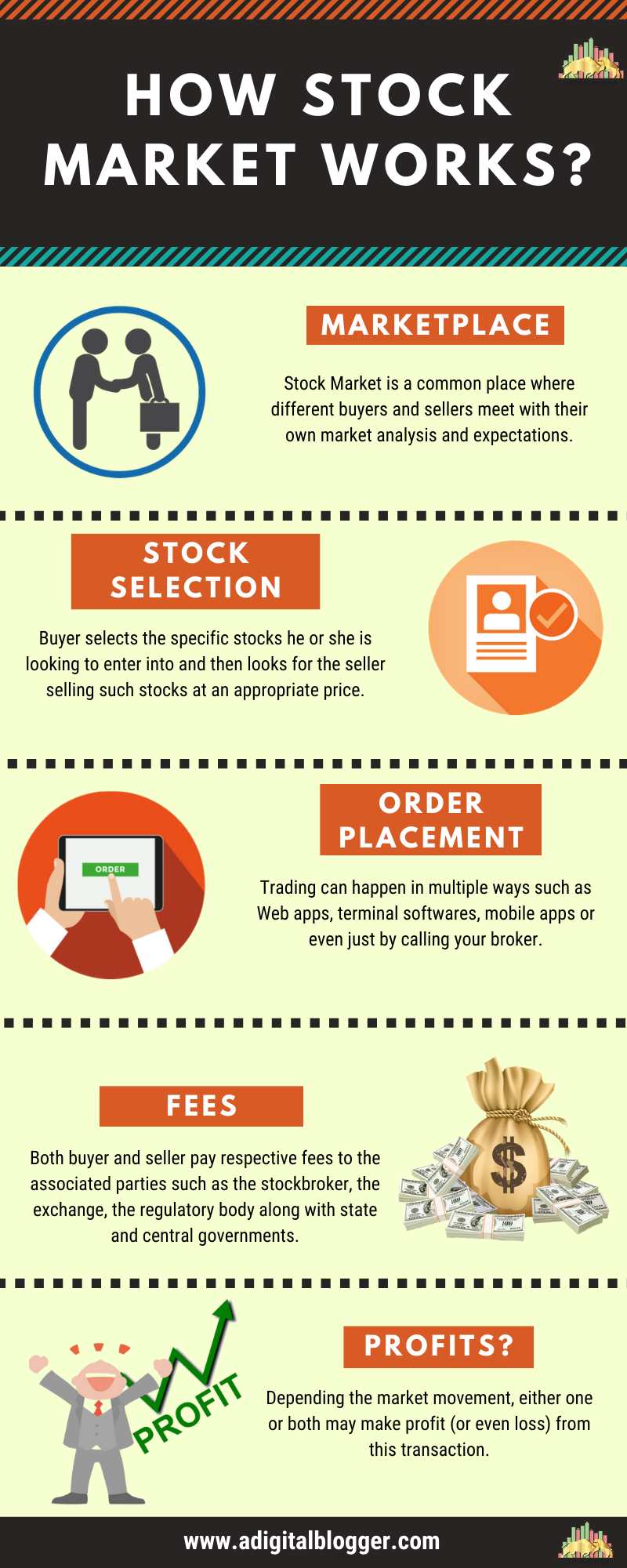
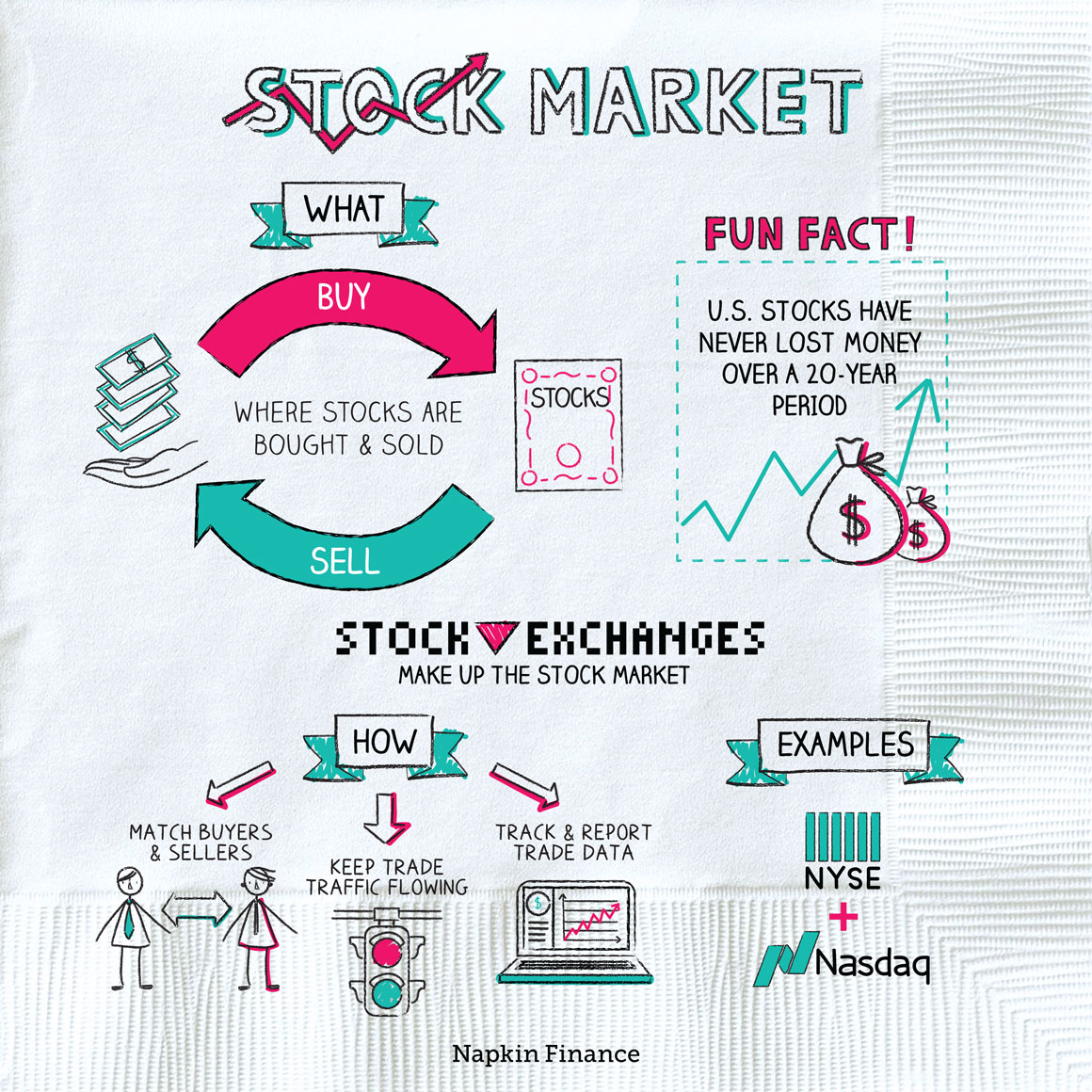
At its simplest, the stock market is a collection of exchanges and other venues where buying and selling of publicly traded companies’ shares takes place. When you buy a stock, you’re purchasing a small piece of ownership in that company. Companies issue stocks to raise capital for growth, expansion, or operational needs. Investors, in turn, buy these stocks with the expectation that their value will increase over time, or that they will receive regular dividends (a portion of the company’s profits). The price of a stock is determined by supply and demand, influenced by factors like company performance, industry trends, economic outlook, and investor sentiment. Major stock exchanges like the New York Stock Exchange (NYSE) and NASDAQ facilitate these transactions.
Why Invest in Stocks?
Investing in stocks offers several compelling advantages, making it a cornerstone of long-term financial planning for millions. Firstly, stocks have historically delivered higher returns over the long run compared to other asset classes like bonds or savings accounts. This potential for capital appreciation allows your money to grow significantly. Secondly, many companies pay dividends, providing a regular income stream that can be reinvested to compound your returns or supplement your current income. Thirdly, stock investments can help you combat inflation, preserving and enhancing your purchasing power over time. While risks are inherent, the stock market remains a powerful engine for building generational wealth and achieving various financial goals, from retirement planning to funding a child’s education.
Key Terminology for Beginners
Navigating the stock market requires familiarity with its language. Here are a few essential terms:
- Stocks/Shares: Units of ownership in a company.
- Dividends: A portion of a company’s earnings paid to shareholders.
- Market Capitalization (Market Cap): The total value of a company’s outstanding shares (share price multiplied by the number of shares).
- Bull Market: A period of sustained rising stock prices, indicating investor optimism.
- Bear Market: A period of sustained falling stock prices, indicating investor pessimism.
- Volatility: The degree of variation in a trading price series over time. High volatility means prices fluctuate wildly.
- Diversification: Spreading investments across various assets to reduce risk.
- Broker: An individual or firm that executes buy and sell orders on behalf of investors.
Preparing for Your Investment Journey
Successful investing isn’t just about picking the right stocks; it’s about meticulous preparation, disciplined planning, and a clear understanding of your personal financial landscape. Laying this groundwork will provide the necessary stability and clarity for effective decision-making.
Define Your Financial Goals
Before placing a single trade, articulate why you’re investing. Are you saving for retirement decades away, a down payment on a house in five years, or building a general wealth fund? Your goals will dictate your investment horizon, risk tolerance, and the types of assets you choose. Long-term goals often allow for greater risk-taking and higher potential returns, as market fluctuations can be smoothed out over time. Shorter-term goals might necessitate a more conservative approach to protect capital. Specific, measurable, achievable, relevant, and time-bound (SMART) goals provide a clear direction for your investment strategy.
Assess Your Risk Tolerance
Risk tolerance is your psychological comfort level with potential losses in exchange for potential gains. Are you comfortable with significant market swings for the chance of higher returns (aggressive), or do you prefer more stable but potentially lower returns (conservative)? Understanding your risk tolerance is critical because it ensures your portfolio aligns with your emotional capacity. Misaligned risk tolerance can lead to panic selling during downturns or missed opportunities during upturns. Factors like age, income stability, and financial dependents often influence this assessment, but ultimately, it’s a deeply personal decision.
Create a Budget and Build an Emergency Fund
Investing should only begin once your foundational personal finance elements are secure. First, create a comprehensive budget to understand your income and expenses. This identifies how much disposable income you genuinely have available for investing without compromising essential living costs. Second, establish a robust emergency fund – typically 3-6 months’ worth of living expenses – held in an easily accessible, liquid account like a high-yield savings account. This fund acts as a financial safety net, preventing you from needing to sell investments at an inopportune time to cover unexpected expenses, thus protecting your long-term growth.
Education is Key: Continuous Learning
The stock market is dynamic and ever-evolving. The most successful investors are lifelong learners. Dedicate time to understanding economic principles, company analysis, market cycles, and investment strategies. Resources abound: reputable financial news outlets, books from acclaimed investors (e.g., Benjamin Graham, Warren Buffett), online courses, and financial podcasts. Be wary of “get rich quick” schemes and unsubstantiated tips. A solid educational foundation empowers you to critically evaluate information, make independent decisions, and adapt your strategies as market conditions change.
Choosing the Right Investment Strategy and Platform
With your financial foundation secure and goals defined, the next step involves deciding how you’ll invest and where you’ll execute your trades. This involves selecting strategies that align with your risk profile and finding a brokerage that meets your needs.
Active vs. Passive Investing
You generally have two broad approaches to investing:
- Active Investing: This involves actively buying and selling individual stocks, aiming to “beat the market” through careful research, timing, and selection. It requires significant time, effort, and a deep understanding of company financials and market trends. While it offers the potential for higher returns, it also carries higher risk and often results in higher transaction costs and taxes.
- Passive Investing: This strategy involves investing in diversified funds like index funds or Exchange Traded Funds (ETFs) that aim to mirror the performance of a broad market index (e.g., S&P 500). The philosophy is that over the long term, the overall market tends to rise, and it’s notoriously difficult to consistently outperform it. Passive investing is generally lower cost, less time-consuming, and offers built-in diversification, making it a popular choice for beginners and long-term investors.
Diversification: Don’t Put All Your Eggs in One Basket
Diversification is perhaps the most fundamental principle of risk management in investing. It means spreading your investments across various asset classes, industries, geographic regions, and company sizes. The goal is to minimize the impact of poor performance from any single investment on your overall portfolio. For example, instead of investing solely in one tech company, you might invest in a mix of tech, healthcare, consumer goods, and energy companies, alongside bonds or real estate. This way, if one sector or company performs poorly, others might perform well, cushioning the blow. ETFs and mutual funds often provide instant diversification, making them excellent starting points for new investors.
Understanding Different Investment Vehicles
Beyond individual stocks, several other vehicles allow you to invest in the stock market:
- Exchange Traded Funds (ETFs): These are baskets of securities (like stocks, bonds, commodities) that trade on exchanges like individual stocks. They offer diversification, often have low expense ratios, and can be bought and sold throughout the day.
- Mutual Funds: Professionally managed portfolios of stocks, bonds, or other investments. They pool money from many investors, and a fund manager makes investment decisions. They are bought and sold based on their Net Asset Value (NAV) at the end of the trading day.
- Index Funds: A type of mutual fund or ETF designed to track the performance of a specific market index. They are a core component of passive investing.
Selecting a Brokerage Account
To buy and sell stocks, you’ll need a brokerage account. Modern brokerage firms offer a wide range of services, and choosing the right one depends on your needs:
- Discount Brokers (Online Brokers): These platforms offer low commissions (often zero for stock and ETF trades) and a user-friendly interface for self-directed investors. Examples include Fidelity, Charles Schwab, Vanguard, E*TRADE, and Robinhood. They typically provide tools, research, and educational resources, but less personalized advice.
- Full-Service Brokers: These firms offer comprehensive financial planning, investment advice, portfolio management, and other wealth management services. They come with higher fees but provide tailored guidance, which can be valuable for complex financial situations or those who prefer a hands-off approach.
When choosing, consider factors like fees, available investment products, research tools, customer service, and ease of use.
Executing Your First Trades and Managing Your Portfolio
Once you’ve chosen your strategy and brokerage, it’s time to put your plan into action. This stage involves the practical aspects of buying and selling and the ongoing discipline of portfolio management.
Placing Your First Order
Most online brokers offer straightforward platforms for placing trades. You’ll typically encounter two main order types:
- Market Order: This instructs your broker to buy or sell a stock immediately at the best available current market price. It guarantees execution but not a specific price.
- Limit Order: This allows you to specify the maximum price you’re willing to pay to buy a stock or the minimum price you’re willing to accept to sell a stock. It guarantees the price (or better) but not necessarily execution if the market price never reaches your specified limit. For beginners, using limit orders can be a way to ensure you’re comfortable with the entry price.
Start small, perhaps with a diversified ETF or a well-researched individual stock, to get a feel for the process without risking significant capital.
Monitoring Your Investments
Investing is not a “set it and forget it” activity, although passive investors require less frequent monitoring. Regularly review your portfolio’s performance against your goals and market benchmarks. However, avoid obsessive daily checks, as short-term fluctuations can trigger emotional decisions. Instead, schedule quarterly or semi-annual reviews to:
- Rebalance: Adjust your portfolio back to your target asset allocation if some investments have grown disproportionately. For example, if your stock allocation has grown to 80% due to strong performance, you might sell some stocks and buy bonds to return to your 70/30 target.
- Assess Performance: Are your investments performing as expected? Are there underlying changes in the companies or funds you hold?
- Adjust for Life Changes: Has your risk tolerance changed due to a new job, marriage, or other significant life events?
When to Buy and When to Sell?
This is the perennial question for investors. For long-term investors, the advice is often to “buy low and sell high,” but truly timing the market is notoriously difficult, even for professionals. A more sustainable approach for beginners is:
- Buy: Invest regularly, regardless of market conditions (dollar-cost averaging). This strategy averages out your purchase price over time and removes the emotion of trying to time market bottoms. Buy into strong, fundamentally sound companies or diversified funds that align with your long-term goals.
- Sell: Consider selling when a company’s fundamentals significantly deteriorate, your investment thesis no longer holds true, or when you need to rebalance your portfolio. Avoid selling purely out of panic during market downturns, as this often locks in losses and prevents participation in subsequent recoveries.
The Importance of Long-Term Perspective and Patience
The most powerful force in investing is compound interest, where your earnings generate further earnings. This phenomenon requires time. The stock market is prone to cycles, including corrections and bear markets, but historically, it has always recovered and reached new highs over extended periods. Patience is paramount. Resist the urge for quick profits, ignore the daily noise, and focus on your long-term vision. Consistent contributions and disciplined adherence to your strategy, through both good times and bad, are the keys to harnessing the market’s growth potential.
Common Pitfalls and How to Avoid Them
Even with careful planning, the investment journey is fraught with potential missteps. Awareness of these common pitfalls can help you steer clear of them and maintain a steady course toward your financial objectives.
Emotional Investing
Perhaps the most significant enemy of a successful investor is their own emotions. Fear (leading to panic selling during downturns) and greed (leading to chasing “hot” stocks or speculative investments) can severely derail your strategy. During market volatility, it’s easy to get swept up in the frenzy.
- Avoidance Strategy: Stick to your pre-defined investment plan and risk tolerance. Automate investments to remove emotional decision-making. Remind yourself that market corrections are normal and often present buying opportunities for long-term investors.
Lack of Diversification
As discussed earlier, putting all your capital into a single stock or a small number of related assets is a recipe for disaster. While a single winning stock can yield phenomenal returns, a single losing stock can wipe out a substantial portion of your portfolio.
- Avoidance Strategy: Invest across various sectors, industries, and asset classes. Utilize diversified investment vehicles like ETFs and mutual funds, especially as a beginner. Regularly rebalance your portfolio to maintain your desired asset allocation.
Chasing Hot Tips and Speculation
The allure of “insider information” or a “guaranteed winner” is strong, but such tips rarely pan out. Speculating on highly volatile or unproven assets, especially with money you can’t afford to lose, is more akin to gambling than investing.
- Avoidance Strategy: Conduct your own due diligence. Invest in companies or funds whose business models you understand. Focus on fundamentals and long-term growth rather than short-term price swings. Remember that high returns often come with high risks.
Ignoring Fees and Taxes
While seemingly small, investment fees (expense ratios for funds, trading commissions, advisory fees) and taxes (on capital gains, dividends) can significantly erode your returns over time.
- Avoidance Strategy: Be aware of all fees associated with your investments and brokerage account. Choose low-cost index funds or ETFs where appropriate. Utilize tax-advantaged accounts like IRAs and 401(k)s to defer or minimize tax liabilities. Consult with a financial advisor or tax professional to optimize your tax strategy.
Conclusion
Embarking on your stock market journey is a significant step towards achieving financial independence and building lasting wealth. While it demands continuous learning, discipline, and a patient, long-term perspective, the rewards can be substantial. Start with a clear understanding of the fundamentals, meticulously prepare your financial foundation, choose strategies that align with your goals and risk tolerance, and be diligent in managing your portfolio.
Remember, the stock market is a marathon, not a sprint. There will be ups and downs, but by adhering to sound principles, avoiding common pitfalls, and committing to your investment plan, you can confidently navigate its complexities and harness its immense power for your financial future. Your journey begins now, with knowledge and a strategic mindset as your most valuable assets.
aViewFromTheCave is a participant in the Amazon Services LLC Associates Program, an affiliate advertising program designed to provide a means for sites to earn advertising fees by advertising and linking to Amazon.com. Amazon, the Amazon logo, AmazonSupply, and the AmazonSupply logo are trademarks of Amazon.com, Inc. or its affiliates. As an Amazon Associate we earn affiliate commissions from qualifying purchases.