
In an increasingly digital world, the way we manage our money has undergone a profound transformation. Gone are the days when banking exclusively meant queuing at a branch or mailing paper checks. Today, online banking stands as the cornerstone of modern personal and business finance, offering unparalleled convenience, control, and efficiency. It’s more than just a technological advancement; it’s a fundamental shift in how individuals and businesses interact with their financial institutions, enabling real-time management of assets, liabilities, and transactions from virtually anywhere.
This guide aims to demystify online banking, providing a comprehensive overview for beginners and a deeper dive for those looking to maximize its potential. From the initial setup to advanced financial management strategies and crucial security protocols, understanding “how to do online banking” is no longer a luxury but a necessity for anyone looking to navigate the contemporary financial landscape effectively. It empowers users to take charge of their financial health, streamline operations, and make informed decisions with greater ease than ever before.

The Dawn of Digital Finance: Why Online Banking Matters
The advent of online banking has fundamentally reshaped our relationship with money, moving it from a physical interaction to a fluid, digital experience. Its importance in today’s financial ecosystem cannot be overstated, offering a suite of benefits that empower users to achieve greater financial agility and oversight. For both individuals striving for personal financial freedom and businesses aiming for operational efficiency, online banking provides the essential tools to thrive.
Unparalleled Convenience and Accessibility
One of the most significant advantages of online banking is the sheer convenience it affords. The traditional constraints of bank operating hours and geographical locations are rendered obsolete. Users gain 24/7 access to their accounts, enabling them to conduct financial transactions and manage funds anytime, anywhere – whether it’s paying a bill late at night, transferring money while on vacation, or checking a balance from a remote work location. This constant availability ensures that financial management fits seamlessly into busy lifestyles, eliminating the need for time-consuming trips to physical branches and reducing the friction often associated with traditional banking. It liberates individuals and businesses to prioritize their time and resources more effectively, making financial tasks less of a chore and more of an integrated part of daily life.
Enhanced Financial Control and Visibility
Online banking platforms are powerful tools for gaining a granular view of one’s financial situation. Unlike the monthly summaries provided by paper statements, digital interfaces offer real-time updates on account balances, transaction histories, and spending patterns. This immediate visibility is crucial for effective personal finance and business accounting. Users can instantly track their expenditures, categorize transactions, and identify areas where they might be overspending or under-saving. Many platforms offer integrated budgeting tools, allowing users to set financial goals, monitor progress, and receive alerts. This level of insight empowers individuals to make informed financial decisions, adhere to budgets, and proactively address potential issues, fostering a stronger sense of financial control and confidence.
Cost and Time Efficiency
Beyond convenience, online banking translates directly into tangible cost and time savings. For individuals, this means avoiding ATM fees by finding in-network machines digitally, eliminating postage costs for bill payments, and reducing the time spent commuting to and waiting in bank queues. Businesses, in particular, benefit immensely from the operational efficiencies. Digital payment processing reduces administrative overhead, minimizes errors associated with manual data entry, and accelerates cash flow. The ability to manage payroll, reconcile accounts, and process vendor payments electronically saves countless hours that can be reallocated to core business activities. This efficiency not only streamlines financial operations but also contributes to the bottom line, making online banking an indispensable tool for economic management.
Getting Started: Setting Up Your Digital Financial Hub
Embarking on your online banking journey is a straightforward process, but it requires careful consideration and adherence to specific steps to ensure a secure and effective setup. Establishing your digital financial hub correctly lays the groundwork for seamless money management and unlocks the full potential of your financial institution’s online services.
Choosing the Right Financial Institution
The foundation of a successful online banking experience begins with selecting the right financial institution. Not all banks offer the same level of digital sophistication or features. When choosing, consider factors such as the range of online services provided (e.g., bill pay, mobile deposit, budgeting tools, investment integration), the user-friendliness of their online platform and mobile app, customer support accessibility, and, critically, their approach to digital security. Research customer reviews regarding their online services and compare fees associated with different account types and transactions. For businesses, specific features like merchant services integration, robust reporting, and multi-user access controls are paramount. Opting for a bank that aligns with your specific financial needs and technological expectations will significantly enhance your online banking experience.
Registration and Verification
Once you’ve chosen your institution, the next step is typically to register for online banking services. This usually involves visiting the bank’s official website and locating the “Enroll” or “Register” link. You’ll be asked to provide personal identification details (such as account numbers, social security number, date of birth, and email address) to verify your identity. This process is crucial for security, ensuring that only authorized individuals gain access to your accounts. You will then create a unique username and a strong, complex password. Many banks also incorporate additional security layers during registration, such as setting up security questions, linking a mobile number for two-factor authentication (2FA), or sending a one-time verification code to your registered phone or email. Follow these steps meticulously to secure your initial access.
Understanding Your Online Banking Dashboard
After successful registration and login, you’ll be presented with your online banking dashboard. This is your central command center for all your financial activities. Take the time to familiarize yourself with its layout and features. Typically, you’ll find sections for viewing account balances, transaction history, transferring funds between accounts, paying bills, managing personal information, and accessing statements. Explore the different menus and options available. Look for features like budgeting tools, spending analytics, alerts setup, and links to customer support. Understanding where everything is located and how to navigate efficiently will empower you to utilize the platform to its fullest extent, transforming it into a powerful tool for managing your money.
Mastering Your Money with Online Banking Tools
Online banking is far more than just a digital ledger; it’s a dynamic suite of financial tools designed to give you unprecedented control over your money. Mastering these tools is key to streamlining your financial life, making informed decisions, and ultimately achieving your financial goals.
Seamless Transactions: Payments and Transfers
The ability to conduct transactions effortlessly is perhaps the most celebrated feature of online banking.
- Bill Pay: This feature allows you to set up one-time or recurring payments for utilities, loans, credit cards, and more. You can typically add payees, schedule payments in advance, and often receive digital copies of bills. This eliminates late fees and the hassle of manual checks, ensuring your financial obligations are met on time.
- Fund Transfers: Moving money between your own accounts (e.g., from checking to savings) or to accounts at other institutions (e.g., external transfers to another bank) is typically instant or within a few business days. Many platforms also offer peer-to-peer (P2P) payment services, allowing you to send money to friends and family using just their email or phone number. These capabilities are crucial for managing cash flow, saving for specific goals, or settling debts efficiently.
- Direct Debits and Standing Orders: You can authorize automatic payments for regular expenses, ensuring that subscriptions, loan repayments, or investment contributions are consistently processed without manual intervention.
Budgeting and Expense Tracking
Online banking platforms have evolved to become powerful budgeting aids.
- Transaction Categorization: Most systems automatically categorize your spending (e.g., groceries, entertainment, utilities), or allow you to manually assign categories. This provides a clear breakdown of where your money is going.
- Spending Analytics: Visual reports and graphs generated from your transaction data offer insights into your spending habits over time. This can help identify areas of overspending or opportunities for saving.
- Budgeting Tools: Many banks integrate tools that allow you to set monthly budgets for different spending categories and track your progress against these limits. Some even offer forecasting based on past spending and income. Leveraging these tools helps you stick to your financial plan and make adjustments as needed.
Monitoring Accounts and Statements
Regularly reviewing your accounts is a vital financial practice, and online banking makes it incredibly easy.
- Real-time Account Balances: Instantly view your current balance across all linked accounts, preventing overdrafts and ensuring you always know your financial standing.
- Transaction History: Access detailed transaction histories, often extending back several years, which is invaluable for reconciling accounts, preparing taxes, or resolving discrepancies.
- Digital Statements: Access and download monthly or annual statements electronically, reducing clutter and providing a secure archive of your financial records. Regularly checking your statements and transaction history is also your first line of defense against unauthorized activity or fraud.
Connecting to Other Financial Tools
The true power of online banking is amplified when integrated with other specialized financial tools. Many banks offer direct connections or data export capabilities that allow you to link your accounts with third-party budgeting apps (like Mint or YNAB), investment platforms, tax preparation software, or business accounting suites (like QuickBooks). This integration creates a holistic view of your entire financial ecosystem, consolidating information and facilitating more comprehensive financial planning and analysis. For instance, linking your bank accounts to a budgeting app can automate transaction categorization and goal tracking, providing a more robust financial management experience.
Safeguarding Your Financial Assets in the Digital Realm
While online banking offers unparalleled convenience and control, it also necessitates a proactive approach to security. Protecting your financial assets in the digital realm is paramount, as the risks of fraud and identity theft are ever-present. Understanding and implementing robust security practices is a non-negotiable aspect of successful online banking.
Robust Security Practices
Your first line of defense is your personal online conduct.
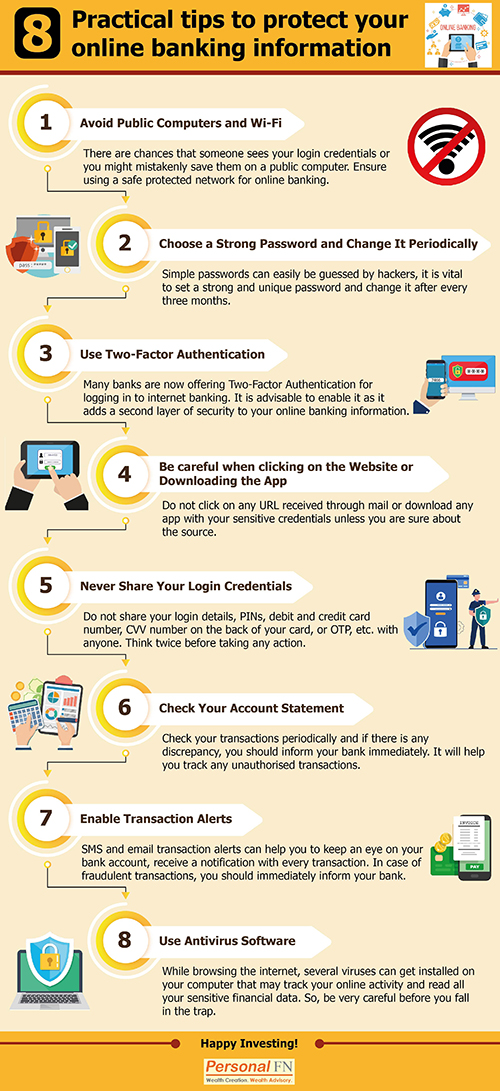
- Strong, Unique Passwords: Create complex passwords for your online banking accounts that are difficult to guess. Use a combination of uppercase and lowercase letters, numbers, and symbols. Critically, avoid reusing passwords across multiple sites, especially for financial accounts. Consider using a reputable password manager to securely store and generate strong, unique passwords.
- Two-Factor Authentication (2FA): Always enable 2FA if your bank offers it. This adds an extra layer of security by requiring a second form of verification (e.g., a code sent to your phone, a fingerprint scan, or a hardware token) in addition to your password. Even if your password is compromised, an unauthorized user cannot access your account without this second factor.
- Secure Devices and Networks: Only access online banking from trusted devices (your personal computer, tablet, or smartphone) and secure, private Wi-Fi networks. Avoid using public Wi-Fi networks for financial transactions, as they are often unsecured and vulnerable to eavesdropping. Ensure your devices have up-to-date antivirus software and operating system security patches.
- Regular Account Monitoring: As mentioned, frequently review your account statements and transaction history for any unfamiliar or suspicious activity. Promptly report any discrepancies to your bank.
Recognizing and Avoiding Online Fraud
Fraudsters constantly devise new schemes to gain access to your financial information. Vigilance is key.
- Phishing Scams: Be wary of suspicious emails, texts, or phone calls purporting to be from your bank. Phishing attempts often ask for personal information, direct you to fake websites, or contain malicious attachments. Banks will never ask for your full password, PIN, or Social Security Number via email or unsolicited calls. Always verify the sender’s identity and, if in doubt, contact your bank directly using official contact information, not links provided in the suspicious message.
- Malware and Spyware: Be cautious about clicking on suspicious links or downloading attachments from unknown sources, as they can install malware or spyware designed to capture your login credentials. Keep your operating system and web browser updated to protect against known vulnerabilities.
- Identity Theft Prevention: Protect your personal information diligently. Shred sensitive documents, be mindful of what you share online, and consider enrolling in identity theft protection services.
What to Do in Case of a Security Breach
Despite best efforts, breaches can occur. Knowing how to react promptly is crucial to minimizing financial damage.
- Act Immediately: If you suspect your account has been compromised, or you notice unauthorized transactions, contact your bank immediately. Most banks have dedicated fraud departments and 24/7 helplines.
- Change Passwords: Change your online banking password and any other passwords that might be linked or use the same credentials.
- Monitor Credit Reports: Regularly check your credit reports for any new accounts opened in your name or suspicious activity.
- Report to Authorities: Depending on the severity, you may need to file a report with the police or relevant cybercrime authorities.
The Future of Your Finances: Leveraging Advanced Online Banking Features
As technology continues to evolve, so too do the capabilities of online banking. Beyond the foundational features, financial institutions are increasingly integrating sophisticated tools that empower users to engage in more proactive, strategic financial planning and management. Embracing these advanced features positions you to not just manage your money, but to grow it and safeguard your financial future.
Goal-Based Saving and Investing
Modern online banking platforms are moving beyond simple savings accounts, offering integrated tools to help users achieve specific financial goals.
- Automated Transfers: Many banks allow you to set up automated transfers to dedicated savings accounts for specific goals, such as a down payment for a house, retirement, or a child’s education. This “set it and forget it” approach encourages consistent saving.
- Linked Investment Accounts: Increasingly, online banking dashboards provide a consolidated view of both your banking and investment accounts, especially if you use the same financial institution for both. Some even allow for direct transfers to brokerage accounts or offer micro-investing features, enabling you to start investing small amounts regularly. This integrated approach simplifies wealth management and helps users visualize their progress towards long-term financial objectives.
Automated Financial Alerts and Notifications
Staying informed about your account activity is crucial, and advanced alert systems make this effortless.
- Balance Alerts: Receive notifications when your account balance falls below a certain threshold or exceeds a specific amount. This helps prevent overdrafts and monitors large deposits.
- Transaction Alerts: Get instant notifications for every transaction, large purchases, or withdrawals, allowing you to quickly spot and report unauthorized activity.
- Payment Reminders: Receive alerts for upcoming bill due dates, ensuring you never miss a payment and avoid late fees.
- Security Alerts: Be notified of suspicious login attempts, password changes, or other security-related events. These alerts act as an early warning system, significantly enhancing your ability to protect your financial security.
Digital Document Management
The days of overflowing file cabinets are becoming obsolete, thanks to digital document management features within online banking platforms.
- Access to Statements and Tax Forms: Easily access, download, and store digital copies of your bank statements, loan documents, and year-end tax forms (such as 1099-INT or 1098). This streamlines tax preparation and record-keeping.
- Secure Messaging: Many platforms offer a secure messaging system, allowing you to communicate directly with your bank’s customer service regarding sensitive financial matters, with the assurance that your information is protected. This reduces reliance on less secure communication methods like email for confidential inquiries.
- Digital Signatures and Approvals: For business accounts, the ability to digitally sign documents, approve transactions, and manage user permissions within the online banking portal enhances efficiency and security in corporate finance operations.
In conclusion, online banking is an indispensable tool in the modern financial toolkit. By understanding its capabilities, diligently adhering to security protocols, and actively leveraging its advanced features, individuals and businesses can achieve unprecedented control, efficiency, and insight into their financial affairs. It empowers you to navigate the complexities of personal and business finance with confidence, helping you to not only manage your money today but also to strategically plan for a prosperous tomorrow.
aViewFromTheCave is a participant in the Amazon Services LLC Associates Program, an affiliate advertising program designed to provide a means for sites to earn advertising fees by advertising and linking to Amazon.com. Amazon, the Amazon logo, AmazonSupply, and the AmazonSupply logo are trademarks of Amazon.com, Inc. or its affiliates. As an Amazon Associate we earn affiliate commissions from qualifying purchases.