
Interest rates are the silent orchestrators of the financial world, dictating the cost of borrowing and the reward for saving. For individuals, businesses, and even governments, a nuanced understanding of how interest rates work – how to “do” them, in essence – is not just beneficial but essential for sound financial decision-making. Far from being a mere numerical percentage, interest rates embody the time value of money, reflecting risk, opportunity cost, and economic health. This article delves into the core mechanics of interest rates, their pervasive impact on various financial facets, and strategic approaches to leverage them effectively, whether you’re a borrower, a saver, or an investor navigating the complex economic landscape.

Understanding the Essence of Interest Rates
At its heart, an interest rate is the cost of borrowing money or the return on lending money, usually expressed as an annual percentage of the principal amount. It’s the price paid for the use of an asset, most commonly money, over a period. This seemingly simple definition underpins an incredibly complex and dynamic system that influences nearly every financial transaction.
What is an Interest Rate? The Basic Definition
An interest rate is a proportion of the principal that a lender charges a borrower for the use of assets. Conversely, it is the rate a deposit-taking institution pays to savers for depositing money. This rate is typically annualized, allowing for easy comparison across different financial products. It compensates lenders for the risk they take (default risk) and the opportunity cost of not using that money for other investments, while also factoring in inflation.
The Dual Nature: Cost of Borrowing vs. Return on Capital
The duality of interest rates is critical to grasp. For a borrower, an interest rate represents a cost. Whether it’s a mortgage, a car loan, or a business loan, the interest is the additional money paid back beyond the original principal. This cost directly impacts affordability and the total outlay over the loan’s term. For a saver or an investor, an interest rate signifies a return on capital. Money deposited in a savings account, invested in bonds, or loaned out privately generates interest, adding to the initial capital. Understanding this dual nature is the first step in strategically managing one’s finances.
Key Terminology: Principal, Rate, Term
To effectively “do” interest rates, familiarity with basic terminology is indispensable:
- Principal: The original amount of money borrowed or invested, upon which interest is calculated.
- Rate: The percentage at which interest is charged or earned, usually expressed annually.
- Term: The duration or period over which the loan is repaid or the investment matures. The term significantly impacts the total interest paid or earned, especially with compounding.
The Mechanics of Interest Calculation
Beyond simply knowing what an interest rate is, understanding how it’s calculated is crucial. The distinction between simple and compound interest, and how rates are presented, can lead to vastly different financial outcomes.
Simple Interest: The Basic Foundation
Simple interest is the easiest to understand. It is calculated only on the principal amount of a loan or deposit. The formula is straightforward: Simple Interest = Principal × Rate × Time. For example, if you borrow $10,000 at a 5% simple interest rate for 3 years, the interest would be $10,000 × 0.05 × 3 = $1,500. You would pay back $11,500 in total. Simple interest is often used for short-term loans or some types of bonds, where the interest is paid out periodically without being added back to the principal.
Compound Interest: The Power of Growth (or Debt)
Compound interest is where the real power (or peril) lies. It’s interest calculated on the initial principal and also on the accumulated interest from previous periods. This “interest on interest” effect can lead to exponential growth over time. The formula for compound interest is A = P(1 + r/n)^(nt), where A is the final amount, P is the principal, r is the annual interest rate, n is the number of times interest is compounded per year, and t is the number of years.
Consider the previous example: $10,000 at a 5% interest rate compounded annually for 3 years.
- Year 1: $10,000 * 0.05 = $500. New principal = $10,500.
- Year 2: $10,500 * 0.05 = $525. New principal = $11,025.
- Year 3: $11,025 * 0.05 = $551.25. New principal = $11,576.25.
The total interest earned is $1,576.25, significantly more than simple interest. This illustrates why compound interest is often called the “eighth wonder of the world” for savers, and a formidable adversary for borrowers if debt is left unchecked.
Annual Percentage Rate (APR) vs. Annual Percentage Yield (APY)
When comparing financial products, distinguishing between APR and APY is vital:
- APR (Annual Percentage Rate): Represents the annual cost of borrowing, including the interest rate and any additional fees or charges. It provides a more comprehensive picture of the total cost of a loan than just the interest rate alone. It typically doesn’t account for compounding effects within the year.
- APY (Annual Percentage Yield): Represents the annual rate of return earned on an investment or paid on a deposit, taking into account the effect of compound interest. APY is particularly useful for savers, as it shows the true amount of interest earned over a year, especially when compounding occurs more frequently than annually. A 5% APR might yield a slightly higher APY if compounded daily or monthly.
Interest Rates in Your Financial Life: Borrowing
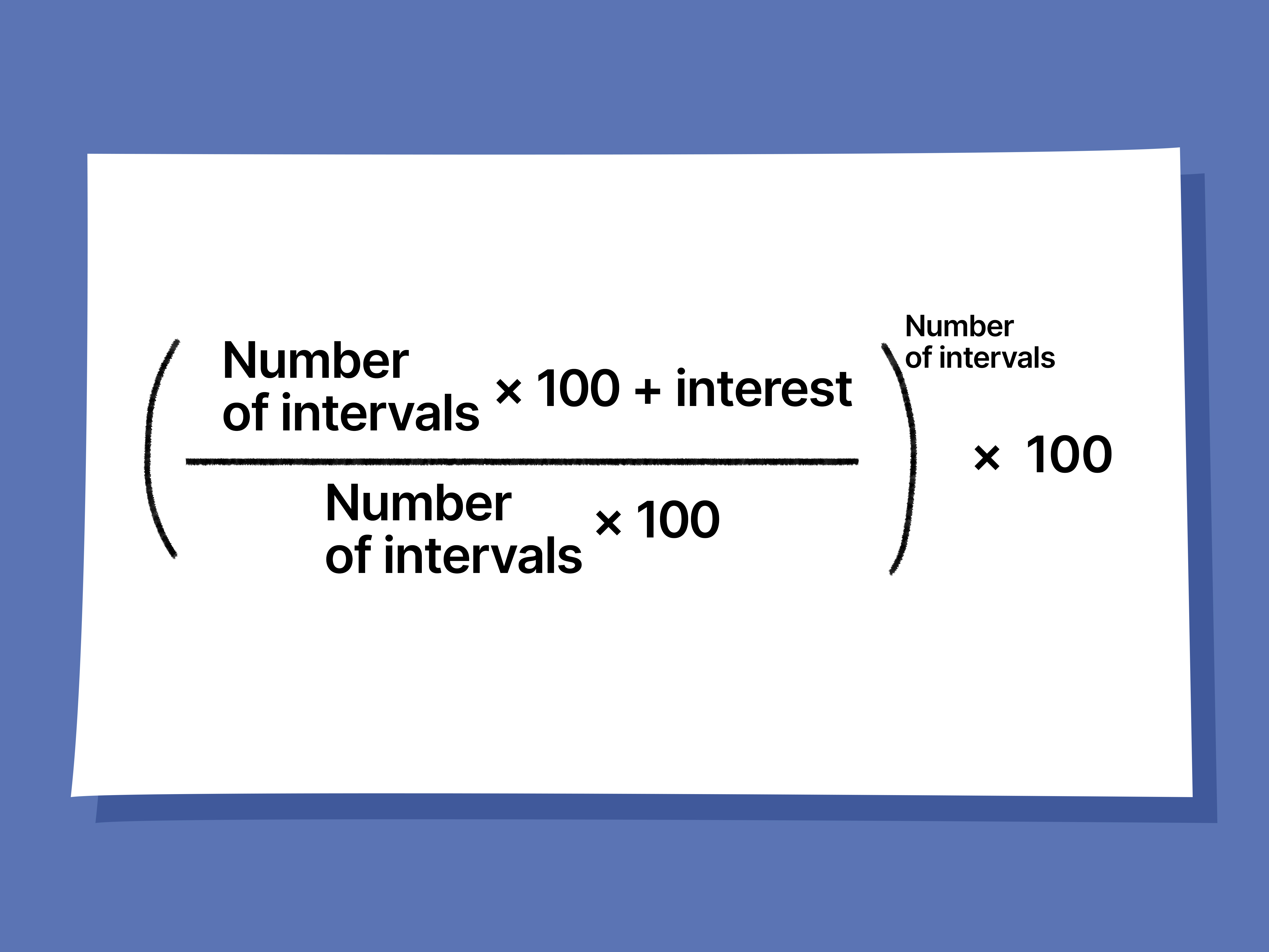
For most individuals and businesses, interest rates are most frequently encountered on the borrowing side. Understanding how they impact different types of loans is paramount for managing debt wisely and making informed financial decisions.
Mortgage Rates: Navigating Home Ownership
A mortgage is often the largest financial commitment an individual will make, and interest rates play a monumental role. Even a small difference in the interest rate can translate into tens of thousands of dollars over a 15-year or 30-year term.
- Fixed-Rate Mortgages: Offer a constant interest rate for the life of the loan, providing predictability in monthly payments. This is attractive during periods of rising interest rates.
- Adjustable-Rate Mortgages (ARMs): Start with a lower initial interest rate that can change periodically based on market indices. While offering lower initial payments, they introduce interest rate risk.
Understanding the current mortgage rate environment and projecting future trends is crucial before committing to a home loan.
Personal Loans and Credit Cards: Managing Consumer Debt
Personal loans and credit cards represent common forms of consumer debt, often carrying higher interest rates due to their unsecured nature or revolving credit features.
- Personal Loans: Typically have fixed interest rates and terms, making payments predictable. Rates vary based on creditworthiness.
- Credit Cards: Characterized by revolving credit and often high APRs. If balances are not paid in full each month, the compound interest can quickly accumulate, making it challenging to get out of debt. Minimizing credit card balances and prioritizing high-interest debt repayment is a critical personal finance strategy.
Business Loans: Fueling Growth and Operations
For businesses, access to capital at favorable interest rates is essential for growth, expansion, and managing cash flow. Interest rates on business loans (e.g., term loans, lines of credit, equipment financing) directly impact profitability and a company’s ability to invest. A lower interest rate can free up capital for other operational needs or reduce the overall cost of a project, thereby enhancing returns. Conversely, high rates can stifle investment and growth.
Interest Rates in Your Financial Life: Saving and Investing
While interest rates are a cost for borrowers, they are a source of income and growth for savers and investors. Strategic understanding of these rates can optimize returns and accelerate wealth accumulation.
Savings Accounts and CDs: Earning on Your Deposits
For conservative savers, interest-bearing accounts are the primary way to earn on idle cash.
- Savings Accounts: Offer liquidity and modest interest rates, often compounded monthly or daily. Rates tend to follow benchmark rates set by central banks.
- Certificates of Deposit (CDs): Offer higher interest rates than standard savings accounts in exchange for locking up funds for a specified term (e.g., 6 months, 1 year, 5 years). The longer the term, generally the higher the interest rate.
Bonds and Fixed-Income Securities: Understanding Yield
Bonds are debt instruments where an investor lends money to a borrower (government or corporation) for a defined period at a fixed or variable interest rate (coupon rate).
- Yield: Represents the return an investor earns on a bond. It’s inversely related to bond prices; when interest rates rise, bond prices generally fall, and yields increase, and vice-versa. Understanding yield is key for fixed-income investors to assess potential returns and manage interest rate risk in their portfolios.
The Impact on Stock Market Valuations
Interest rates have a profound, albeit indirect, effect on stock market valuations.
- Cost of Capital: Higher interest rates increase the cost of borrowing for companies, impacting their profitability and growth prospects.
- Discounting Future Cash Flows: In valuation models, future earnings and cash flows are discounted back to their present value. Higher interest rates (the discount rate) lead to lower present values, potentially reducing stock valuations.
- Relative Attractiveness: When interest rates on safe investments (like government bonds) rise, they become more attractive relative to the riskier returns of stocks, potentially drawing capital away from the equity market.
Strategies for “Doing” Interest Rates Effectively
Mastering interest rates is about proactive management and informed decision-making across all aspects of your financial life.
For Borrowers: Minimizing Costs and Optimizing Debt
- Improve Credit Score: A higher credit score signals lower risk to lenders, often resulting in access to lower interest rates on loans and credit cards.
- Shop Around: Don’t settle for the first loan offer. Compare rates from multiple lenders for mortgages, personal loans, and auto loans.
- Refinance: If interest rates have dropped significantly since you took out a loan (especially a mortgage), consider refinancing to secure a lower rate and reduce your total interest payments.
- Pay Down High-Interest Debt First: Prioritize paying off credit cards or personal loans with the highest APRs to minimize the impact of compounding.
- Understand Terms and Fees: Always read the fine print. Ensure you understand all fees and how interest is calculated to avoid hidden costs.
For Savers & Investors: Maximizing Returns
- Leverage Compound Interest: Start saving and investing early to maximize the long-term benefits of compounding.
- Seek Higher Yields: Compare savings accounts, CDs, and money market accounts across different institutions to find the best APY. Consider laddering CDs to take advantage of potentially rising rates.
- Diversify Investments: While fixed-income investments offer predictable returns, understand how rising or falling interest rates affect bond prices and overall portfolio performance. Diversify across asset classes to balance risk and return.
- Monitor Inflation: Ensure your returns outpace inflation to preserve purchasing power. Nominal interest rates might look good, but real interest rates (nominal rate minus inflation) tell the true story.

Keeping an Eye on the Economic Landscape and Central Bank Policy
Interest rates are not static; they are heavily influenced by broader economic conditions and, crucially, by the monetary policy decisions of central banks (like the Federal Reserve in the US). Central banks use key interest rates (e.g., the federal funds rate) to control inflation, stimulate economic growth, or cool down an overheating economy.
- Inflation: High inflation often prompts central banks to raise interest rates to reduce borrowing and spending, thereby curbing price increases.
- Economic Growth: During recessions or slow growth, central banks may lower rates to encourage borrowing and investment.
- Market Signals: Pay attention to economic indicators (e.g., inflation reports, employment data, GDP growth) and central bank announcements. These signals can provide clues about the future direction of interest rates, allowing you to anticipate changes and adjust your financial strategies accordingly.
In conclusion, “doing” interest rate is not about performing a calculation but about understanding its pervasive influence and strategically responding to it. From the simple interest on a short-term loan to the complex compounding that dictates long-term wealth, mastering interest rates empowers individuals and businesses to make more informed financial decisions, mitigate risks, and optimize returns in an ever-evolving economic environment.
aViewFromTheCave is a participant in the Amazon Services LLC Associates Program, an affiliate advertising program designed to provide a means for sites to earn advertising fees by advertising and linking to Amazon.com. Amazon, the Amazon logo, AmazonSupply, and the AmazonSupply logo are trademarks of Amazon.com, Inc. or its affiliates. As an Amazon Associate we earn affiliate commissions from qualifying purchases.