
In the modern landscape of personal finance, the ability to manage your capital with precision is more than a convenience—it is a necessity. As digital transactions become the default for everything from daily coffee to international travel, the risk of billing errors, merchant disputes, and fraudulent activity increases. JPMorgan Chase, as one of the largest financial institutions globally, has integrated sophisticated tools within its mobile application to empower users to take control of their financial security. Understanding how to navigate the Chase Mobile app to dispute a charge is a fundamental skill for any savvy consumer, ensuring that your hard-earned money remains protected against discrepancies and unauthorized withdrawals.
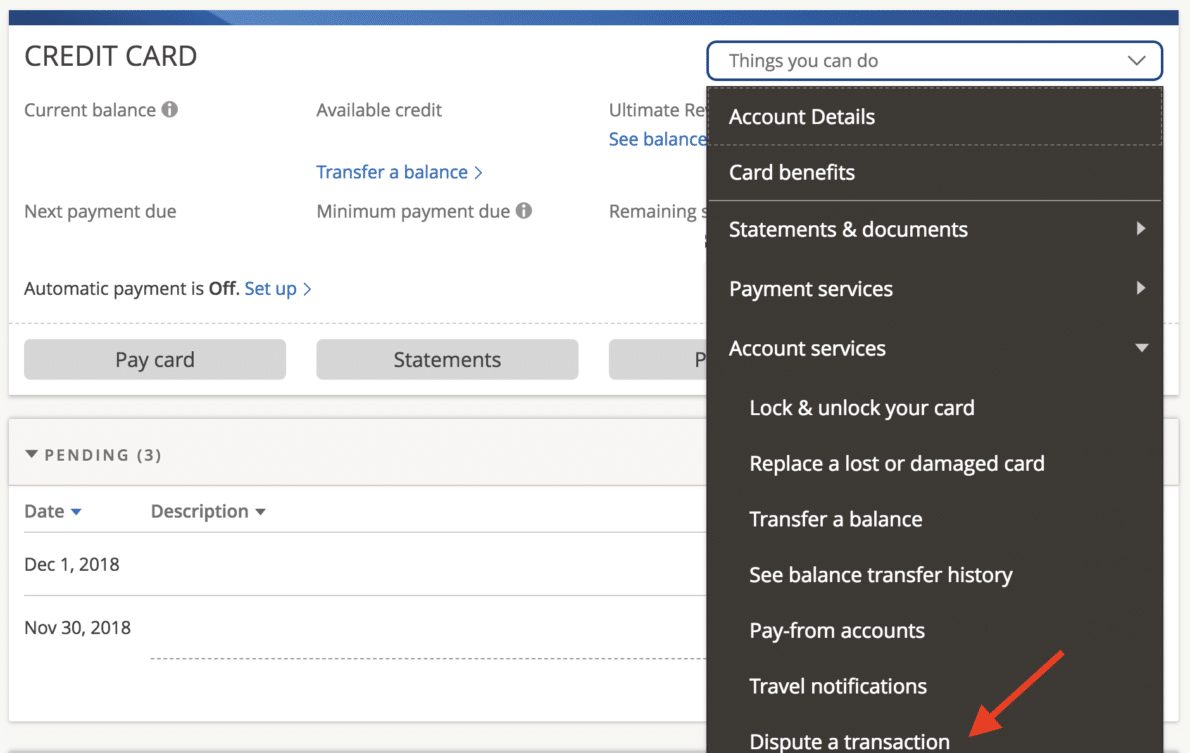
Understanding the Charge Dispute Process
Before diving into the technical steps of the app, it is essential to understand the financial logic behind a dispute. A charge dispute, often referred to as a chargeback in the context of credit cards, is a consumer protection mechanism. It allows you to challenge a transaction that you believe is incorrect or fraudulent. However, not all disputes are created equal, and knowing the category of your claim will significantly impact the speed and success of the resolution.
When Should You Dispute a Transaction?
There are two primary reasons to initiate a dispute through the Chase app: fraud and merchant errors.
-
Unauthorized/Fraudulent Activity: This occurs when your card information has been compromised, and a third party has made a purchase without your consent. In these cases, time is of the essence. Federal laws, such as the Electronic Fund Transfer Act (for debit) and the Fair Credit Billing Act (for credit), provide robust protections, but they often require prompt reporting to limit your liability.
-
Merchant Discrepancies: These are non-fraudulent issues where you authorized a transaction, but the outcome was unsatisfactory. Examples include being charged the wrong amount, being billed twice for a single item, not receiving the goods or services promised, or continuing to be charged for a canceled subscription.
It is important to note that for merchant discrepancies, Chase—and most financial experts—recommend attempting to resolve the issue directly with the merchant first. A direct refund is often faster than the formal bank dispute process, which can take up to 90 days.
The Legal Framework: Credit vs. Debit
The financial implications of a dispute differ based on whether you are using a Chase credit card or a Chase debit card. From a personal finance perspective, credit cards offer superior protection. Under the Fair Credit Billing Act (FCBA), your liability for unauthorized charges on a credit card is capped at $50, and most major issuers, including Chase, offer “Zero Liability” policies. Furthermore, when you dispute a credit card charge, the disputed amount is usually withheld from your balance, meaning you don’t have to pay it while the investigation is ongoing.
With a debit card, the money has already left your checking account. While Chase will often provide a “provisional credit” during the investigation, a dispute on a debit card involves recovering actual cash rather than just adjusting a credit line. Understanding this distinction is vital for managing your liquidity and cash flow during a dispute.
Step-by-Step Guide to Disputing on the Chase Mobile App
The Chase Mobile app is designed to be intuitive, yet the dispute function is tucked away within individual transaction details to prevent accidental filings. Following a structured approach ensures that you provide the bank with the necessary information to advocate on your behalf.
Preparing Your Documentation
Before opening the app, gather any evidence that supports your claim. This might include:
-
Receipts or order confirmation emails.
-
Correspondence with the merchant (screenshots of emails or chat logs).
-
Cancellation confirmation numbers.
-
Photographs of damaged goods or descriptions of how the service differed from what was advertised.
Having these digital files ready on your smartphone will make the upload process during the dispute sequence much smoother.
Navigating the User Interface
-
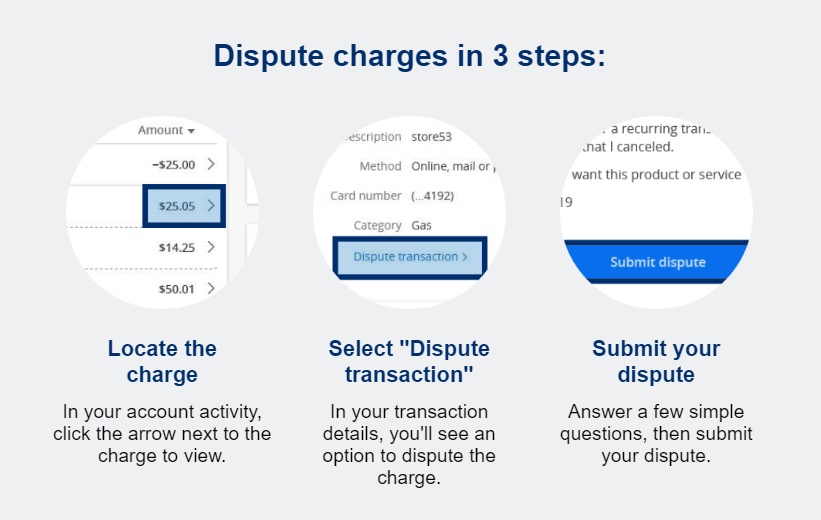
Log In and Select Account: Open the Chase Mobile app and authenticate using your biometrics or passcode. On the main dashboard, tap on the specific account (Credit Card, Checking, or Savings) where the questionable transaction appeared.
-
Locate the Transaction: Scroll through your “Account Activity.” You can use the search bar at the top of the activity list to find the merchant’s name or filter by date.
-
Access Transaction Details: Tap on the specific transaction to open the details page. Here, you will see the date, amount, and merchant info.
-
Initiate the Report: Scroll to the bottom of the transaction details and look for the link titled “Report a problem” or “Dispute this transaction.”
Submitting the Request
Once you click “Report a problem,” the app will guide you through a series of questions. This is a logic-based wizard designed to categorize your claim correctly.
-
Select the Reason: You will be asked if the charge is fraudulent or if there is a problem with a purchase you made. Choosing “fraud” will often trigger a card replacement process, as it implies your card data is compromised.
-
Provide Details: If it is a merchant error, you will select from options like “I was charged twice,” “I never received the item,” or “The amount was different.”
-
Upload Evidence: The app will provide an option to attach documents. This is where your prepared screenshots and receipts become invaluable.
-
Review and Submit: Carefully review the summary of your dispute. Once submitted, Chase will provide a reference number. Store this in your financial records for future follow-up.
Post-Dispute: What Happens Next?
Submitting the dispute is only the beginning of the administrative process. Chase acts as an intermediary between you and the merchant’s bank (the acquirer).
The Investigation Timeline
Once a dispute is filed, the merchant is notified and given a specific timeframe—usually 20 to 30 days—to respond with their own evidence. If the merchant fails to respond, you win the dispute by default. If they provide evidence that the charge was valid, Chase’s dispute department will review both sides to make a final determination. The entire process can take anywhere from a few weeks to three months.
Temporary Credits and Final Resolutions
For many disputes, Chase will issue a provisional credit to your account within a few business days of the filing. This is a gesture of “good faith” to ensure your finances aren’t unduly burdened during the investigation. However, it is crucial to remember that this credit is temporary. If the investigation concludes that the charge was valid, Chase will “re-bill” you, withdrawing the credit from your account.
If you win the dispute, the credit becomes permanent, and the matter is closed. You will receive a notification via the app’s “Message Center” or through a formal letter in the mail regarding the outcome.
Dealing with Rejections
If your dispute is denied, do not immediately assume the loss. You have the right to request the documents the merchant used to protest your claim. Reviewing these documents can help you identify where the communication breakdown occurred. You may be able to provide additional evidence to “re-open” the case, or you might choose to escalate the issue through the Consumer Financial Protection Bureau (CFPB) if you believe the bank did not follow the proper regulatory procedures.
Best Practices for Financial Security and Transaction Monitoring
While the ability to dispute a charge is a powerful tool, the ultimate goal of sound personal finance is to minimize the need for disputes through proactive management.
Setting Up Real-Time Alerts
One of the most effective features of the Chase app is the “Alerts” system. You can configure the app to send a push notification every time a transaction is made. By seeing charges in real-time, you can identify unauthorized activity the moment it happens, rather than discovering it weeks later on a monthly statement. This rapid response is often the difference between a simple resolution and a complex financial headache.
The Role of Digital Wallets
Integrating your Chase cards with digital wallets like Apple Pay, Google Pay, or Samsung Pay adds a layer of security. These services use “tokenization,” meaning the actual card number is never shared with the merchant. Instead, a unique, one-time code is used for each transaction. This significantly reduces the risk of your information being stolen in a data breach, thereby reducing the likelihood of needing to file a fraud dispute.
Regular Financial Health Audits
Set a recurring appointment with yourself—perhaps once a week—to review your transaction history in the Chase app. This practice goes beyond just looking for fraud; it helps you track your spending habits, identify forgotten “zombie” subscriptions, and ensure that your budget is aligned with your financial goals.
Long-term Financial Management Strategies
Effective management of your bank account is a cornerstone of wealth building. Every dollar lost to an erroneous charge or a fraudulent transaction is a dollar that isn’t earning interest or being invested in your future.
Building a Relationship with Your Bank
Utilizing the dispute features and other security tools within the Chase app demonstrates to the institution that you are a diligent and responsible client. This history can be beneficial if you ever need to request a fee waiver or apply for a mortgage, as it establishes a pattern of active account management.
Leveraging Technology for Better Budgeting
The Chase app also offers spending insights and budget trackers. By categorizing your transactions correctly—and disputing those that are incorrect—you ensure that the data driving your financial decisions is accurate. Accurate data leads to better forecasting, more disciplined saving, and ultimately, a more secure financial life.
In conclusion, knowing how to dispute a charge on the Chase app is more than a technical walkthrough; it is an essential component of modern financial literacy. By understanding your rights, following a systematic process for reporting errors, and maintaining a proactive stance on account security, you can navigate the digital economy with confidence. Your financial tools should work for you, and the Chase dispute system is a vital line of defense in protecting your capital and ensuring your financial peace of mind.
aViewFromTheCave is a participant in the Amazon Services LLC Associates Program, an affiliate advertising program designed to provide a means for sites to earn advertising fees by advertising and linking to Amazon.com. Amazon, the Amazon logo, AmazonSupply, and the AmazonSupply logo are trademarks of Amazon.com, Inc. or its affiliates. As an Amazon Associate we earn affiliate commissions from qualifying purchases.