
In the complex ecosystem of personal finance, credit cards offer unparalleled convenience and security, but they are not without their potential pitfalls. From time to time, you might encounter a transaction on your statement that seems incorrect, unauthorized, or simply not what you expected. When this happens with a Chase credit card, knowing the proper steps to dispute a charge is not just a matter of inconvenience; it’s a critical aspect of protecting your financial well-being and exercising your consumer rights.
Disputing a credit card charge, often referred to as initiating a “chargeback,” is a process designed to resolve discrepancies between cardholders and merchants. Whether it’s a double charge, a product never received, or a fraudulent transaction, understanding how to navigate Chase’s dispute resolution system can save you money, frustration, and potential damage to your credit score. This comprehensive guide will walk you through everything you need to know, empowering you to approach the situation with confidence and clarity.
Understanding the Grounds for a Dispute
Before initiating a dispute, it’s crucial to understand what constitutes a valid reason for doing so. Not every unsatisfactory purchase qualifies for a chargeback, and knowing the legitimate grounds will strengthen your case and streamline the process. Generally, disputes fall into a few key categories, all protected by the Fair Credit Billing Act (FCBA) in the United States, which outlines your rights as a consumer.
Unauthorized Transactions
This is perhaps the most straightforward and serious reason for a dispute. An unauthorized transaction occurs when a charge appears on your statement that you did not make or authorize. This often indicates fraudulent activity, such as your card number being stolen and used without your permission. If you suspect fraud, it’s imperative to act immediately, as timely reporting is crucial for your protection.
Merchant Errors or Unfulfilled Services
Sometimes, the issue isn’t malicious but rather an oversight or mistake on the merchant’s part. This can include being charged incorrectly for an item, receiving a service that was not rendered as agreed upon, or failing to receive a refund after a legitimate return. For example, if you paid for a subscription service that was never activated or received a damaged product and the merchant refused a return, these could be valid reasons.
Duplicate Charges
An accidental duplicate charge happens more often than one might think. You might purchase an item once, but it appears twice on your statement. While often a simple error that a merchant can correct, if they are unresponsive or unable to fix it, a dispute becomes necessary.
Incorrect Transaction Amounts
This occurs when the amount charged to your card differs from the agreed-upon price. This could be due to a clerical error by the merchant, an incorrect conversion rate if you made an international purchase, or a tip that was incorrectly added or adjusted. Always compare your receipts with your statement to catch such discrepancies.
Goods Not Received or Not as Described
You placed an order, paid for it, but the goods never arrived. Or, perhaps they arrived, but they were significantly different from what was advertised or described (e.g., a “new” item that arrived used and broken). In these cases, where the merchant fails to deliver on their promise, a dispute is often the appropriate recourse, especially if attempts to resolve with the merchant directly have failed.
Preparing Your Dispute: Gathering Evidence
A successful dispute hinges on clear, concise, and compelling evidence. Think of yourself as building a case; the more documentation you can provide, the stronger your position will be. Before you even contact Chase, take the time to gather all relevant information pertaining to the disputed charge.
Documenting the Transaction
Start with the basics. You’ll need the exact date of the transaction, the merchant’s name, and the disputed amount. Cross-reference this with your credit card statement. Make notes of any order numbers, confirmation codes, or tracking numbers associated with the purchase.
Communication with the Merchant
Before involving Chase, it’s often a good practice (and sometimes a requirement) to attempt to resolve the issue directly with the merchant. This demonstrates good faith and can sometimes lead to a quicker resolution. Keep detailed records of all your interactions:
- Dates and times of calls or emails.
- Names of representatives you spoke with.
- Summaries of conversations, including what was discussed and any promises made.
- Copies of emails or chat transcripts.
- Proof of attempted resolution, such as return shipping labels, screenshots of unresponsiveness, or rejection of refunds.
Bank Statements and Receipts
Ensure you have the credit card statement showing the disputed charge highlighted. If you have the original receipt, an invoice, or an order confirmation email, these are invaluable. They serve as direct proof of the transaction details and can highlight discrepancies.
Other Supporting Materials
Depending on the nature of the dispute, other forms of evidence might be relevant:
- Photos or videos if the item received was damaged, incorrect, or not as described.
- Service contracts or agreements if the dispute is about unfulfilled services.
- Shipping confirmations or tracking information if the item was never received.
- Police reports if the transaction is due to theft or fraud.
Initiating the Dispute with Chase
Once you have meticulously gathered your evidence, it’s time to formally initiate the dispute with Chase. There are several convenient ways to do this, and choosing the right method depends on your preference and the urgency of the situation. Remember, acting promptly is always beneficial. Under the FCBA, you generally have 60 days from the date your statement was mailed or made available to you to report a billing error.
Online Through Your Chase Account
This is often the quickest and most straightforward method. Log in to your Chase online banking account:
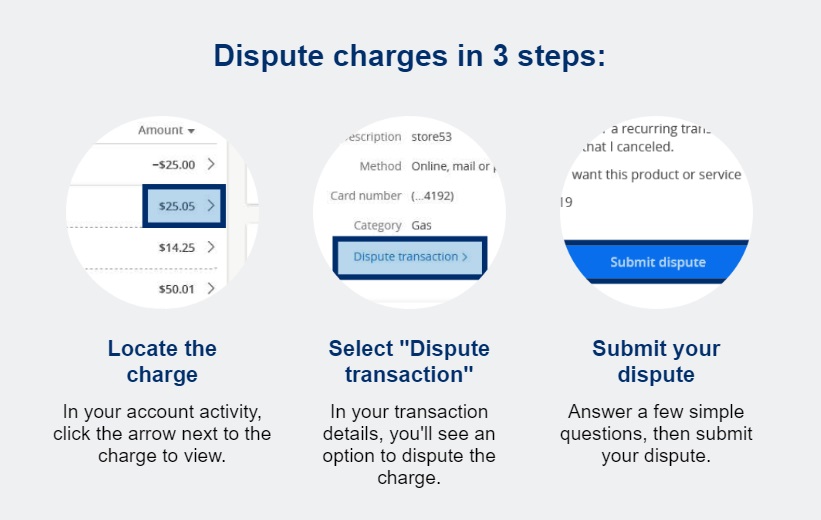
- Navigate to your credit card activity page.
- Locate the specific transaction you wish to dispute.
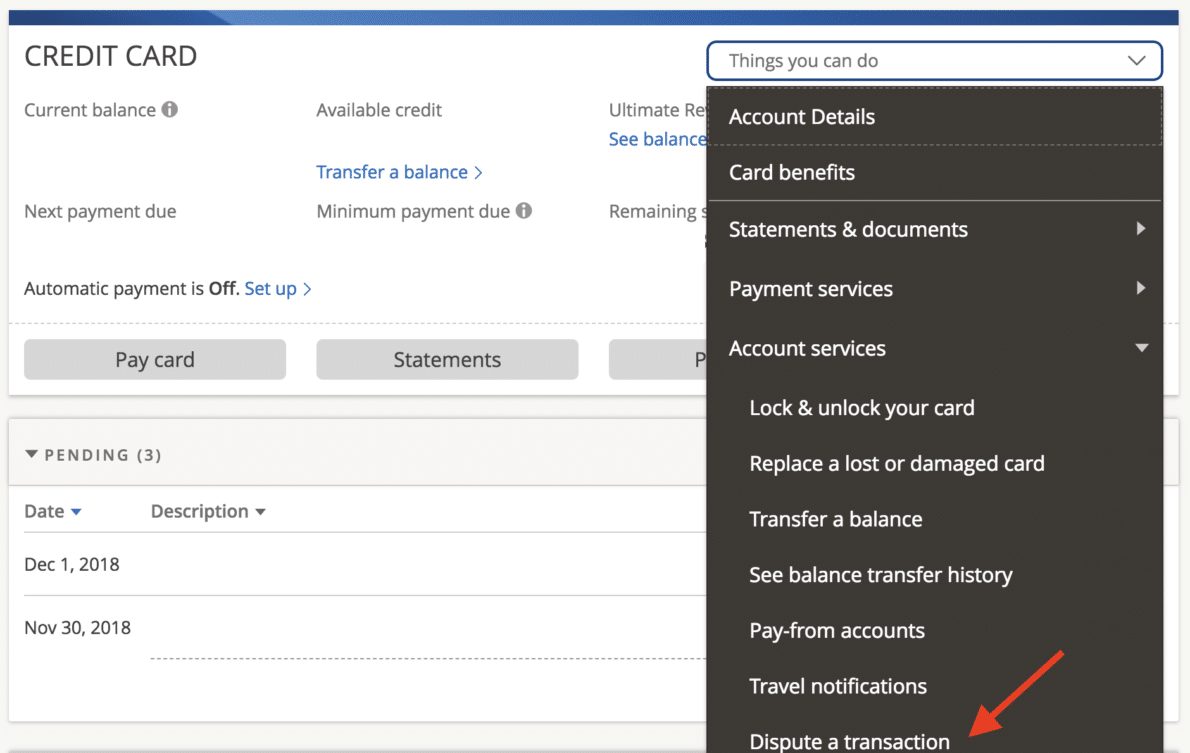
- Click on the transaction to view details, and you should see an option like “Dispute this transaction,” “Report an issue,” or “Fraud/Dispute.”
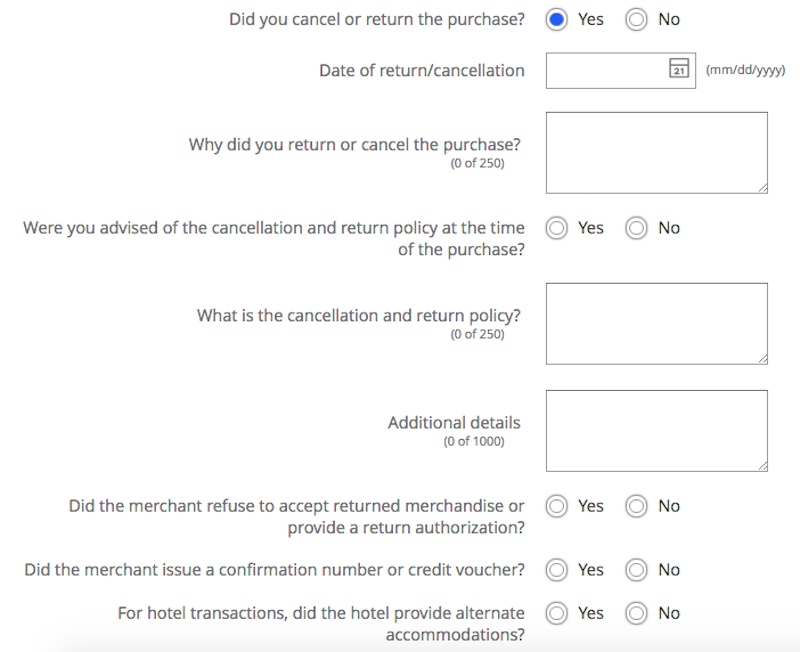
- Follow the prompts to provide details about the dispute and upload any supporting documents directly.
By Phone
If you prefer speaking to a representative or have complex details to explain, calling Chase is a good option.
- Locate the customer service number on the back of your Chase credit card or on your statement.
- Be prepared to provide your account information and details of the disputed charge.
- Clearly explain the situation, referencing your gathered evidence.
- Request a reference number for your dispute.
- Follow up by sending any supporting documentation as requested by the representative.
In Writing (Mail)
While less common due to the speed of online and phone options, you can also submit a dispute in writing. This method provides a clear paper trail.
- Write a letter clearly stating your account number, the disputed transaction details, the reason for the dispute, and what action you expect (e.g., a credit to your account).
- Include copies (not originals) of all your supporting documentation.
- Send the letter via certified mail with a return receipt requested. This provides proof that Chase received your correspondence and when.
- The address for billing error disputes can usually be found on your credit card statement or Chase’s website.
Key Information to Provide
Regardless of the method you choose, be prepared to provide:
- Your Chase credit card account number.
- The merchant’s name.
- The transaction date and amount.
- A clear, concise explanation of why you are disputing the charge.
- Any relevant supporting documentation.
What Happens After You File a Dispute
Once you’ve initiated a dispute, the process moves into an investigation phase. This can take some time, but federal regulations provide some protections and timelines you should be aware of.
Temporary Credit and Investigation
Upon receiving your dispute, Chase is typically required to acknowledge it in writing within 30 days. In many cases, especially for larger disputes or clear errors, Chase may issue a temporary credit to your account while the investigation is ongoing. This credit is provisional and can be reversed if the dispute is ultimately ruled against you. Chase will then investigate the claim, which often involves contacting the merchant for their side of the story and any supporting evidence.
Resolution Timeline
Under the Fair Credit Billing Act, credit card issuers generally have two billing cycles (but no more than 90 days) to resolve a dispute. During this period, you are not obligated to pay the disputed amount or any associated finance charges, though you must continue to pay the undisputed portion of your bill.
Potential Outcomes
- Dispute Resolved in Your Favor: If Chase determines your claim is valid, the temporary credit becomes permanent, and the charge is removed from your account. The merchant is then responsible for the loss.
- Dispute Ruled Against You: If Chase finds that the charge is valid, or if you cannot provide sufficient evidence, the temporary credit will be reversed, and you will be responsible for the charge. Chase will provide an explanation for their decision. You may have the option to appeal this decision or pursue other remedies directly with the merchant.
Your Rights Under the Fair Credit Billing Act (FCBA)
The FCBA is your strongest ally in this process. It protects consumers from billing errors and provides a mechanism for resolving disputes. Key protections include:
- The right to withhold payment on the disputed amount during the investigation.
- Protection from negative credit reporting related to the disputed amount during the investigation.
- The requirement for the credit card company to conduct a thorough investigation.
- The right to receive a written explanation of the outcome.
Tips for a Successful Dispute and Avoiding Future Issues
While the dispute process can feel daunting, approaching it strategically can significantly increase your chances of a favorable outcome and help prevent similar issues in the future.
Act Promptly
Time is of the essence. The sooner you report an error, the better. Most credit card agreements and the FCBA have strict deadlines for reporting billing errors (often 60 days from the statement date). Delaying can weaken your case or even result in your rights expiring.
Maintain Thorough Records
As emphasized earlier, documentation is king. Keep a dedicated folder (digital or physical) for all credit card statements, receipts, order confirmations, and communications with merchants and Chase. This habit will serve you well for any financial matters.
Be Patient and Persistent
Disputes can take time to resolve. Avoid getting frustrated and remain patient throughout the investigation. If you haven’t heard back within the expected timeframe, follow up politely but firmly. Keep a record of your follow-ups.
Review Statements Regularly
Make it a habit to scrutinize your credit card statements as soon as you receive them. Don’t just pay the bill; check every single transaction. This proactive approach allows you to catch errors or unauthorized charges early, making the dispute process much smoother.
Use Secure Payment Methods
Wherever possible, use your credit card for purchases, especially online. Credit cards offer significantly more consumer protection (like the FCBA) compared to debit cards, which draw directly from your bank account and have fewer protections against fraud and billing errors. Be cautious about where you store your card information online and use strong, unique passwords for all your accounts.
In conclusion, encountering an unexpected or incorrect charge on your Chase credit card can be unsettling, but it doesn’t have to be a source of lasting financial stress. By understanding the legitimate grounds for a dispute, meticulously preparing your evidence, and following the proper channels to communicate with Chase, you empower yourself to protect your money. Regular monitoring of your statements and a proactive approach to financial security are your best defenses, ensuring that your credit card remains a tool of convenience and not a source of concern.
aViewFromTheCave is a participant in the Amazon Services LLC Associates Program, an affiliate advertising program designed to provide a means for sites to earn advertising fees by advertising and linking to Amazon.com. Amazon, the Amazon logo, AmazonSupply, and the AmazonSupply logo are trademarks of Amazon.com, Inc. or its affiliates. As an Amazon Associate we earn affiliate commissions from qualifying purchases.