
In the intricate landscape of personal finance, managing your money effectively goes beyond just budgeting and investing. It also involves safeguarding your financial well-being against errors, fraud, and disputes. An unauthorized or incorrect charge on your bank statement can be more than just an inconvenience; it can be a significant drain on your funds and a source of stress. For Wells Fargo customers, understanding the precise steps to dispute such a charge is not merely about recourse—it’s a fundamental aspect of proactive financial management and consumer protection.
Whether you’ve encountered a mysterious subscription fee, a double charge for a single purchase, or a transaction you simply don’t recognize, knowing how to navigate Wells Fargo’s dispute process is crucial. This comprehensive guide delves into the mechanisms, regulations, and best practices for disputing a charge with Wells Fargo, empowering you to protect your hard-earned money and maintain control over your financial accounts.
Understanding Charge Disputes and Why They Matter
A charge dispute is the formal process initiated by a cardholder to challenge a transaction that appears on their account statement. This process is a vital safety net designed to protect consumers from financial losses dueable to various discrepancies, ranging from merchant errors to outright fraud. For Wells Fargo customers, understanding the ‘why’ behind disputes is as important as knowing the ‘how.’
Common Reasons for Disputing a Charge
Disputes arise from a variety of situations, each warranting immediate attention. Recognizing these common scenarios can help you quickly identify when a dispute is necessary:
- Unauthorized Transactions: This is perhaps the most serious reason, indicating potential fraud where your card or account information has been compromised and used without your permission.
- Incorrect Amounts: The charge on your statement doesn’t match the amount you authorized, either due to a merchant error or an intentional overcharge.
- Duplicate Charges: You were charged twice for the same purchase, often a result of a processing glitch at the merchant’s end.
- Goods or Services Not Received: You paid for an item or service that was never delivered or rendered, despite your payment.
- Defective or Misrepresented Merchandise/Services: The product or service you received was significantly different from what was advertised or agreed upon, or it was faulty.
- Subscription Issues: A recurring charge appears after you’ve cancelled a subscription, or you were charged for a “free trial” you thought you cancelled.
- Processing Errors: A technical issue leads to an incorrect charge, such as a credit not being applied.
The Importance of Timely Action
Time is often a critical factor in the success of a charge dispute. Federal regulations, as well as Wells Fargo’s own policies, often stipulate deadlines for reporting discrepancies. For credit card disputes under the Fair Credit Billing Act (FCBA), you typically have 60 days from the date the statement containing the error was mailed or electronically transmitted to you. For debit card or electronic fund transfer disputes under the Electronic Fund Transfer Act (EFTA), the window can be as short as 60 days from the date of the statement on which the error appeared.
Delaying a dispute can lead to several adverse outcomes:
- Loss of Protections: You might forfeit your rights under federal law or card network rules if you miss the reporting window.
- Difficulty in Recovery: Merchants may be less cooperative, and evidence harder to trace as time passes.
- Increased Financial Risk: Fraudulent charges, if not caught and disputed quickly, can escalate and lead to further unauthorized activity.
Acting promptly not only enhances your chances of a successful resolution but also demonstrates due diligence in managing your financial accounts, a key aspect of responsible personal finance.
Protecting Your Financial Health
Disputing charges is more than just recovering lost money; it’s a critical component of maintaining your overall financial health. By actively monitoring your accounts and disputing erroneous charges, you:
- Prevent Further Fraud: Promptly reporting unauthorized activity alerts Wells Fargo to potential security breaches, helping to prevent future fraudulent transactions.
- Maintain Accurate Financial Records: Correcting errors ensures your personal balance sheet accurately reflects your assets and liabilities, vital for budgeting and financial planning.
- Reinforce Consumer Rights: Every successful dispute reinforces the protections put in place for consumers, encouraging businesses to adopt fair practices.
- Avoid Unnecessary Debt: Unresolved erroneous charges, especially on credit cards, can accumulate interest, leading to unnecessary debt.
Preparing for Your Wells Fargo Dispute
Before you even contact Wells Fargo, thorough preparation can significantly streamline the dispute process and improve your chances of a favorable outcome. Think of yourself as building a case; the more compelling and well-documented your evidence, the stronger your position.
Gathering Essential Information
The cornerstone of any successful dispute is comprehensive documentation. Before initiating contact with Wells Fargo, collect the following:
- Transaction Details:
- Date of Transaction: The exact date the charge appeared.
- Amount: The precise dollar amount of the charge.
- Merchant Name: The name of the business that processed the charge.
- Transaction ID/Reference Number: If available, this unique identifier can greatly assist Wells Fargo in tracking the charge.
- Account Information: Your Wells Fargo account number (credit card or debit card number) associated with the charge.
- Statements: Copies of your bank or credit card statements showing the disputed charge. Highlight the specific entry.
- Receipts/Invoices: Any physical or digital receipts, order confirmations, or invoices related to the transaction. If the charge is a duplicate, provide both.
- Communication with Merchant: If you’ve already tried to resolve the issue directly with the merchant, keep records of all correspondence—emails, chat transcripts, dates and times of phone calls, names of representatives you spoke with, and a summary of the discussions.
- Supporting Evidence: Depending on the nature of the dispute, this could include photos (e.g., damaged goods), shipping confirmations, cancellation confirmations for subscriptions, or police reports for theft.
Organizing this information meticulously will enable you to provide clear, concise details to Wells Fargo, minimizing back-and-forth and expediting the investigation.
Identifying the Type of Charge: Credit vs. Debit
It’s crucial to distinguish between credit card and debit card disputes, as they are governed by different regulations and may offer varying levels of protection:
- Credit Card Disputes (Fair Credit Billing Act – FCBA): Credit cards generally offer stronger protections. Under the FCBA, your liability for unauthorized credit card use is limited to $50, provided you report it promptly. Furthermore, you can dispute charges for goods or services that were unsatisfactory, not delivered, or incorrect, even if the transaction was authorized. While Wells Fargo investigates, you are typically not required to pay the disputed amount or any associated interest charges.
- Debit Card Disputes (Electronic Fund Transfer Act – EFTA): Debit cards, while convenient, offer less robust protection. Under the EFTA, if you report an unauthorized debit card transaction within two business days, your liability is capped at $50. If you report it within 60 calendar days after your statement was sent, your maximum liability rises to $500. If you wait beyond 60 days, you could be liable for the full amount. Unlike credit cards, you might not have the same protections for unsatisfactory goods or services, as debit card transactions are direct withdrawals from your bank account.
Knowing whether your charge is on a credit or debit card will inform your expectations regarding protection and the specific steps Wells Fargo will take.
Understanding Wells Fargo’s Role
Wells Fargo, as your financial institution, acts as an intermediary in the dispute process. They are responsible for:
- Accepting your dispute: Receiving your complaint and initiating an investigation.
- Investigating the claim: Reviewing your evidence, contacting the merchant’s bank, and potentially reaching out to the merchant directly.
- Applying temporary credit: For credit card disputes, Wells Fargo often issues a provisional credit to your account while the investigation is ongoing. This is less common for debit card disputes.
- Communicating updates: Keeping you informed about the status of your dispute.
- Issuing a final decision: Determining whether the dispute is resolved in your favor and making the charge permanent or reversing it.
It’s important to understand that Wells Fargo doesn’t control the merchant’s actions but facilitates the resolution process based on card network rules (Visa, Mastercard, American Express) and federal consumer protection laws.
Step-by-Step Guide to Disputing a Charge with Wells Fargo
Once you’ve gathered your information and understood the type of charge, you’re ready to initiate the dispute process. Wells Fargo provides several convenient channels for this.
Initial Attempt to Resolve with the Merchant
Before contacting Wells Fargo, it is often advisable, and sometimes even required by card networks for certain dispute types, to first attempt to resolve the issue directly with the merchant. This step can save time and effort, as many common issues (e.g., duplicate charges, incorrect amounts) can be quickly rectified by the merchant themselves.
- Contact the Merchant: Reach out via their customer service phone number, email, or online chat.
- Explain the Issue Clearly: Provide all relevant transaction details and explain why you are disputing the charge.
- Document Everything: Keep a record of who you spoke with, when, and what was discussed. If the merchant agrees to a refund, note when you expect it to appear on your statement.
- Allow Reasonable Time: Give the merchant a reasonable timeframe (e.g., 5-7 business days) to process a refund or resolve the issue before escalating to Wells Fargo.
If the merchant is uncooperative, unresponsive, or unable to resolve the issue, then it’s time to involve Wells Fargo.
Contacting Wells Fargo Directly
Wells Fargo offers multiple avenues to initiate a dispute, catering to different preferences and urgency levels.
Online Banking/Mobile App
This is often the quickest and most convenient method for many customers:
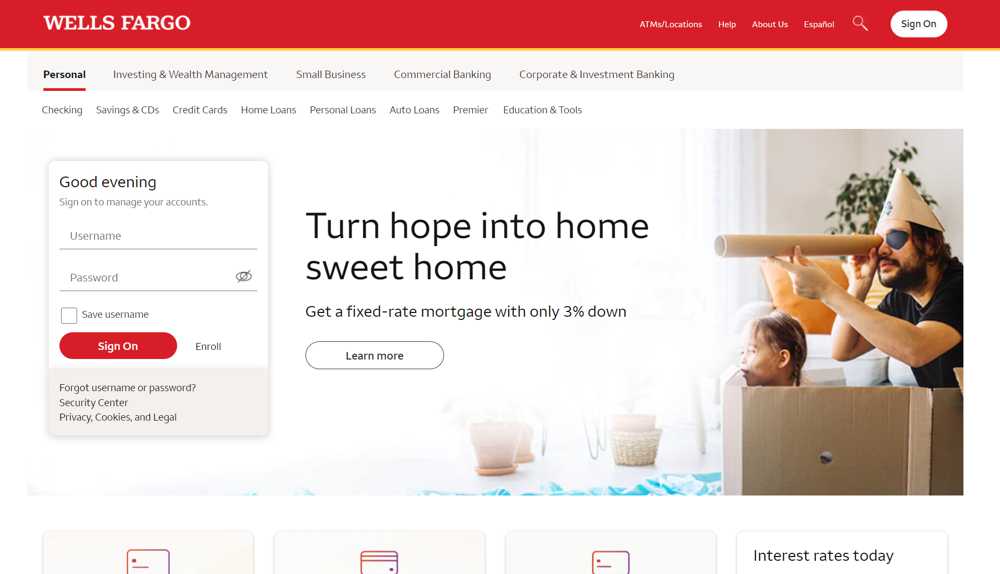
- Log In: Access your Wells Fargo online banking account or mobile app.
- Navigate to Transactions: Go to your account activity or transaction history for the relevant credit card or debit card.
- Locate the Charge: Find the specific transaction you wish to dispute.
- Initiate Dispute: Look for an option like “Dispute Transaction,” “Report Fraud,” or “Question a Charge” next to the transaction.
- Follow Prompts: The system will guide you through a series of questions, asking for details about the charge and why you are disputing it. You may be able to upload supporting documents directly.
- Submit: Confirm and submit your dispute. You should receive a confirmation number and an estimated timeline for investigation.
Phone
For more complex disputes, or if you prefer speaking directly with a representative, calling Wells Fargo is a good option:
- General Customer Service: Call the number on the back of your credit card or debit card.
- Dedicated Fraud/Dispute Lines: Wells Fargo may have specific phone numbers for reporting fraud or disputing charges. These can usually be found on their official website under “Contact Us” or “Help.”
- Be Prepared: Have all your gathered information (account details, transaction info, merchant communications) ready before you call to ensure a smooth conversation.
- Request a Confirmation: Ask for a reference number for your dispute and the name of the representative you spoke with.
In-Person at a Branch
While less common for simple disputes, visiting a Wells Fargo branch can be beneficial if you need personalized assistance or have extensive documentation to present.
- Schedule an Appointment: It’s wise to call ahead and schedule an appointment with a banker or a customer service representative who can assist with disputes.
- Bring All Documents: Bring all your physical and digital evidence.
- Explain Clearly: Detail the situation to the representative. They can help you fill out any necessary forms and guide you through the initial steps.
What to Expect During the Dispute Process
Once your dispute is filed, an investigation process begins:
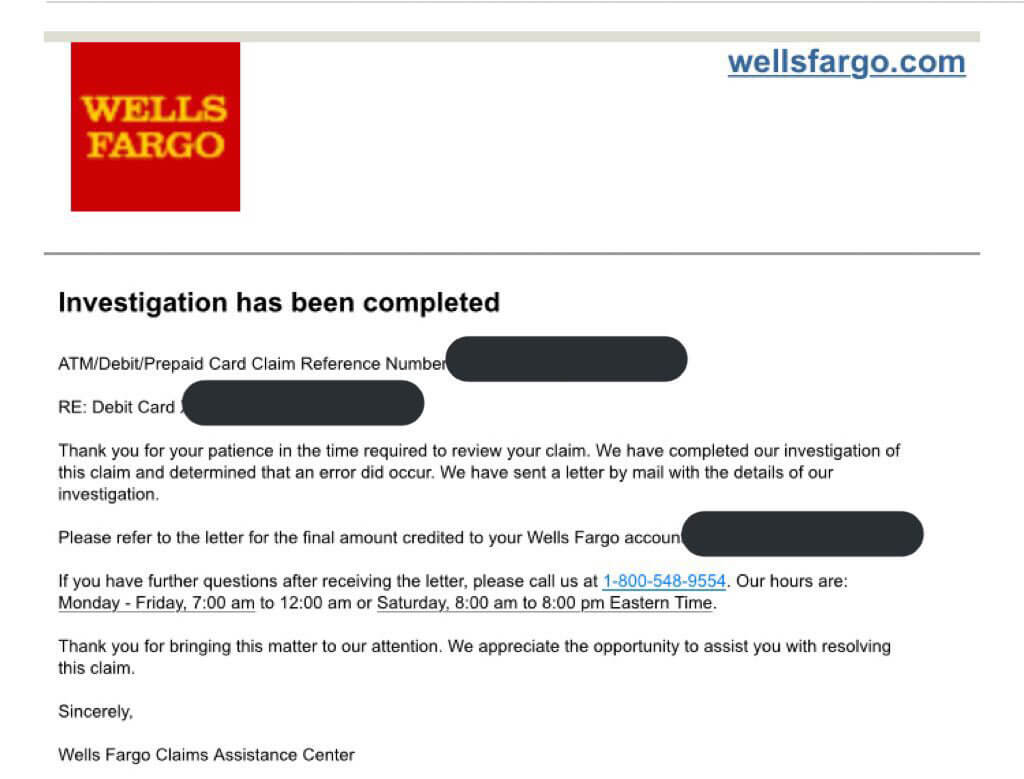
- Temporary Credit (Credit Cards): For credit card disputes, Wells Fargo will typically issue a provisional credit to your account while the investigation is underway. This means the disputed amount is temporarily removed from your balance, and you won’t incur interest on it.
- Investigation Period: Wells Fargo will investigate your claim, which involves gathering information from you, the merchant’s bank, and potentially the merchant directly. This can take anywhere from a few days to several weeks, or even up to 90 days, depending on the complexity of the case and regulatory requirements.
- Request for More Information: Be prepared for Wells Fargo to contact you for additional documentation or clarification. Respond promptly to these requests to avoid delays or closure of your case.
- Communication: Wells Fargo will communicate updates on your dispute, usually via mail, email, or through your online banking message center.
Following Up on Your Dispute
It’s important to be proactive in monitoring your dispute:
- Check Status Online: Many disputes can be tracked through your Wells Fargo online banking portal.
- Call Customer Service: If you haven’t heard back within the expected timeframe, or if you have new information to provide, call Wells Fargo customer service, referencing your dispute case number.
- Maintain Records: Continue to keep records of all communications with Wells Fargo regarding the dispute.
Rights and Responsibilities as a Cardholder
As a consumer, you are afforded specific rights under federal law, but you also have responsibilities that contribute to the success of your dispute and your overall financial security.
Federal Regulations Protecting Consumers
Two primary federal laws provide the framework for charge disputes:
- Fair Credit Billing Act (FCBA): Applies to “open-end” credit accounts like credit cards. It outlines procedures for resolving billing errors, including unauthorized charges, charges for goods/services not received, or incorrect amounts. It also limits your liability for unauthorized use to $50.
- Electronic Fund Transfer Act (EFTA): Applies to electronic fund transfers, including debit card transactions, ATM withdrawals, and direct deposits. It also limits liability for unauthorized transactions based on how quickly you report them.
Understanding these laws empowers you to assert your rights and hold financial institutions accountable.
Your Responsibilities
While consumer protections are robust, they are not absolute. Your responsibilities include:
- Monitoring Your Statements: Regularly review your Wells Fargo bank and credit card statements for any unfamiliar or incorrect transactions. This is your first line of defense.
- Reporting Issues Promptly: Adhere to the specified timeframes for reporting disputes to maximize your protections.
- Providing Accurate Information: Be truthful and provide all requested documentation to Wells Fargo. Misinformation can hinder your case.
- Cooperating with the Investigation: Respond to Wells Fargo’s requests for information or clarification in a timely manner.
Potential Outcomes of a Dispute
The resolution of a dispute can vary:
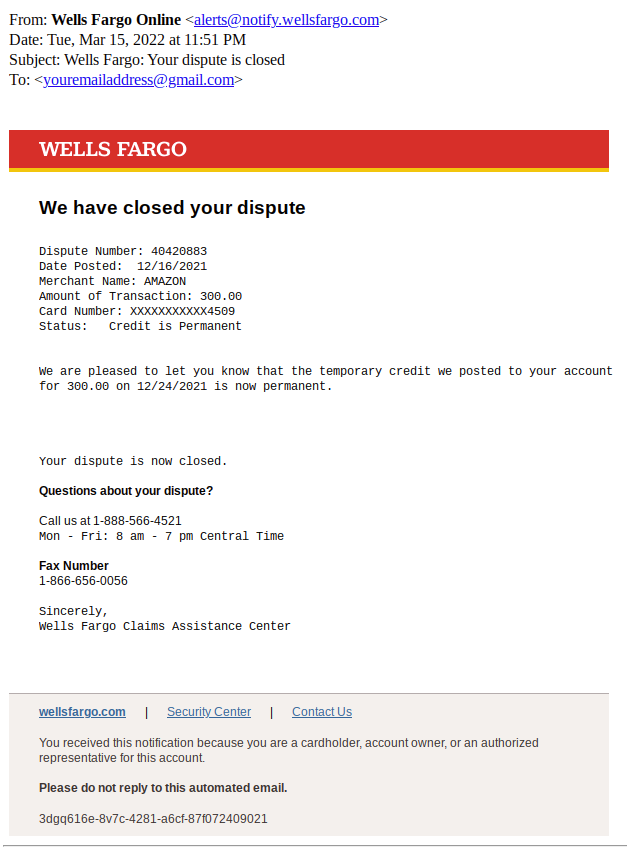
- Full Credit: The disputed amount is permanently credited back to your account, and the charge is reversed.
- Partial Credit: Only a portion of the disputed amount is credited, which might happen if part of the charge was legitimate.
- No Credit: Wells Fargo finds in favor of the merchant, and the original charge stands. This could happen if you fail to provide sufficient evidence, miss reporting deadlines, or if the merchant provides compelling evidence that the charge was legitimate.
- What to Do Next if Not in Your Favor: If your dispute is denied, and you still believe the charge is erroneous, you can request Wells Fargo to re-open the case if new evidence becomes available. You can also file a complaint with the Consumer Financial Protection Bureau (CFPB) or the Office of the Comptroller of the Currency (OCC) if you believe Wells Fargo did not handle your dispute properly.
Preventing Future Unauthorized Charges and Financial Best Practices
While knowing how to dispute a charge is essential, preventing them in the first place is the ultimate goal for sound financial management.
Regularly Reviewing Statements
This cannot be overstressed. Make it a routine to review your Wells Fargo statements as soon as they become available, whether monthly for credit cards or more frequently for checking accounts. Catching discrepancies early is the best way to prevent significant financial loss and simplify the dispute process.
Safeguarding Account Information
Vigilance is key in protecting your financial data:
- Strong, Unique Passwords: Use complex passwords for your Wells Fargo online banking and other financial accounts.
- Two-Factor Authentication (2FA): Enable 2FA whenever possible for an added layer of security.
- Be Wary of Phishing: Do not click on suspicious links or respond to unsolicited emails/texts asking for your personal or account information. Wells Fargo will never ask for your full card number or PIN via email.
- Secure Online Shopping: Only make purchases on secure websites (look for “https://” in the URL and a padlock icon).
- Protect Physical Cards: Keep your cards secure, never lend them, and report loss or theft immediately.
Utilizing Wells Fargo’s Security Features
Wells Fargo offers various tools to help you monitor and secure your accounts:
- Account Alerts: Set up alerts for various activities, such as transactions over a certain amount, international purchases, or login attempts.
- Transaction Monitoring: Wells Fargo employs sophisticated fraud detection systems, but your active participation through alerts complements these efforts.
- Digital Wallets: Using digital payment methods like Apple Pay or Google Pay can add a layer of security by tokenizing your card number, meaning the merchant never receives your actual card details.
The Role of Financial Literacy
Empowering yourself with financial knowledge is the ultimate protection. Understand how your accounts work, your rights as a consumer, and the implications of your financial decisions. A well-informed individual is less susceptible to scams and better equipped to manage unexpected financial challenges.
Conclusion
Disputing a charge with Wells Fargo is a manageable process, provided you are prepared, proactive, and knowledgeable about your rights. While it may seem daunting, viewing it as an integral part of responsible personal finance management empowers you to protect your funds against errors and fraud. By understanding the types of disputes, meticulously gathering your evidence, following Wells Fargo’s established procedures, and diligently monitoring your accounts, you can navigate these challenges effectively.
Remember, your financial institution is there to facilitate these processes, but your active participation is paramount. Embrace the practices of regular statement review, stringent security measures, and ongoing financial literacy to ensure your Wells Fargo accounts remain secure and accurately reflect your financial standing, safeguarding your peace of mind and your prosperity.
aViewFromTheCave is a participant in the Amazon Services LLC Associates Program, an affiliate advertising program designed to provide a means for sites to earn advertising fees by advertising and linking to Amazon.com. Amazon, the Amazon logo, AmazonSupply, and the AmazonSupply logo are trademarks of Amazon.com, Inc. or its affiliates. As an Amazon Associate we earn affiliate commissions from qualifying purchases.