
In the intricate landscape of personal finance, managing your money effectively extends beyond simply earning and spending; it also involves diligently monitoring your transactions and knowing how to act when discrepancies arise. Unfamiliar, incorrect, or fraudulent charges on your bank statement can be alarming, but understanding the proper channels and procedures for disputing them is a critical financial literacy skill. For customers of PNC Bank, navigating the dispute process is a well-defined pathway designed to protect your financial interests. This comprehensive guide will walk you through everything you need to know about disputing a charge with PNC, from understanding what constitutes a legitimate dispute to the step-by-step process of resolving the issue.

The need to dispute a charge can stem from various scenarios: perhaps you’ve been billed twice for a single purchase, a subscription service continued charging you after cancellation, or, more seriously, your card details were compromised leading to unauthorized transactions. Regardless of the cause, prompt and informed action is paramount. PNC, like all major financial institutions, has established protocols to investigate and resolve these issues, ensuring consumer protection and maintaining the integrity of your account. By empowering yourself with the knowledge outlined here, you can approach any disputed charge with confidence and clarity, safeguarding your hard-earned money and peace of mind.
Understanding Disputable Charges and PNC’s Role
Before initiating any dispute, it’s crucial to understand what types of charges are eligible for dispute and the legal framework that empowers consumers. Not every unsatisfactory purchase or forgotten subscription falls under the umbrella of a disputable charge in the same way. Knowing the distinction will streamline your efforts and increase the likelihood of a successful resolution.
What Constitutes a Disputable Charge?
Disputable charges typically fall into several key categories, each with specific characteristics that warrant a bank’s intervention:
- Unauthorized Transactions/Fraud: This is perhaps the most serious category, encompassing charges made without your knowledge or consent. This could be due to a stolen card, a compromised account number, or identity theft. Such charges are often not incurred by you and represent a clear breach of your account security.
- Duplicate Charges: Sometimes, due to technical glitches or human error, a merchant might accidentally charge you twice for the same transaction. This is easily verifiable by comparing your receipt with your statement.
- Incorrect Amounts: You might be charged an amount different from what was agreed upon or what is reflected on your receipt. This could be an overcharge or a miskeyed amount by the merchant.
- Goods or Services Not Received: You paid for an item or service that was never delivered, or the service was never rendered. This often happens with online purchases where the merchant fails to ship the product or with service providers who don’t fulfill their end of the agreement.
- Recurring Charges After Cancellation: Many services operate on a subscription model. If you’ve properly canceled a recurring service but continue to be billed, you have grounds for a dispute.
- Merchandise Significantly Different from Description: While not every minor discrepancy constitutes a dispute, if an item you received is drastically different in nature, quality, or functionality from what was advertised or agreed upon, you may have a case. This often falls under “merchant disputes” rather than outright fraud.
It’s important to distinguish between a dispute and a simple return or complaint. If you received an item you simply don’t like, or a service was unsatisfactory but delivered as described, these are typically issues to resolve directly with the merchant under their return or customer service policies, rather than through a bank dispute.
The Legal Framework: Regulation E and Chargeback Rights
Your ability to dispute a charge is not merely a courtesy extended by your bank; it’s often a right protected by federal law, particularly in the United States. These regulations define consumer protections and outline the responsibilities of financial institutions:
- Regulation E (Electronic Fund Transfer Act): This act primarily protects consumers using electronic fund transfers, which includes debit card transactions, ATM withdrawals, and direct deposits. For unauthorized debit card transactions, Regulation E mandates that banks investigate and resolve errors, often providing provisional credit while the investigation is underway. It also sets forth strict deadlines for reporting errors – generally 60 days from the statement date on which the error first appeared, though reporting sooner can significantly limit your liability.
- Fair Credit Billing Act (FCBA): Applicable to credit card disputes, the FCBA provides consumers with protections against billing errors, including unauthorized charges, incorrect amounts, and charges for goods or services not received as agreed. Under FCBA, you generally have 60 days from the date the first bill containing the error was mailed to notify your credit card issuer. During the investigation, you are not obligated to pay the disputed amount or any associated finance charges.
PNC Bank, as a regulated financial institution, operates within the parameters of these laws. When you initiate a dispute, PNC is obligated to follow these guidelines, investigate your claim, and act as an intermediary between you and the merchant. Understanding these rights empowers you and helps you approach the dispute process with a strong foundation.
Preparing for Your Dispute: Gathering Essential Information
A successful dispute hinges on clear communication and robust evidence. Before you even contact PNC, taking preliminary steps to gather and organize relevant information can significantly expedite the process and strengthen your case. Think of yourself as building a factual narrative that PNC’s investigators can easily follow and verify.
Initial Steps Before Contacting PNC
While some situations, especially clear-cut fraud, warrant immediate contact with PNC, in many other scenarios, a few preparatory steps can be beneficial:
- Check Transaction History Thoroughly: Before assuming an error, double-check your complete transaction history. Sometimes, charges appear under unfamiliar merchant names (e.g., the parent company instead of the store name), or they might be delayed postings from previous purchases. Ensure the charge truly doesn’t correspond to any legitimate activity.
- Contact the Merchant First (If Applicable): For issues like duplicate charges, incorrect amounts, or services not received, contacting the merchant directly is often the quickest and easiest path to resolution. Many merchants are willing to correct errors, issue refunds, or resolve service issues to maintain customer satisfaction. Provide them with details like order numbers, transaction IDs, and dates. If the merchant agrees to a refund, wait a reasonable amount of time (usually 5-7 business days) for it to appear on your statement before initiating a dispute with PNC.
- Document All Communication: Whether you speak to the merchant or PNC, keep meticulous records. Note down names of people you speak to, dates, times, a summary of the conversation, and any reference numbers provided. If communicating via email or chat, save those transcripts. This documentation is crucial if there’s any ambiguity or further escalation required.
What Information You’ll Need
When you are ready to contact PNC, having all pertinent information at your fingertips will make the process smooth and efficient:
- Account Details: Your PNC account number, the specific debit or credit card number associated with the charge, and your full name as it appears on the account.
- Transaction Details: The exact date of the transaction, the precise amount of the charge, the full name of the merchant as it appears on your statement, and any transaction or authorization numbers provided by the merchant or PNC.
- Clear Explanation of the Dispute: A concise, factual explanation of why you are disputing the charge. For example: “This is an unauthorized transaction; I did not make this purchase,” or “I was charged $50, but my receipt shows $35,” or “I canceled my subscription on [date] but was charged on [date].”
- Supporting Evidence: This is arguably the most critical component. Gather any relevant documents that bolster your claim:
- Receipts or Invoices: For incorrect amounts or duplicate charges.
- Order Confirmations: For goods not received.
- Cancellation Emails/Confirmation Numbers: For recurring charges after cancellation.
- Communication Records: Emails, chat logs, or notes from phone calls with the merchant.
- Photos/Videos: If the merchandise was significantly different from description.
- Police Report: If the charge is a result of identity theft or a stolen card, a police report can be powerful evidence.
The more detailed and organized your information, the stronger your case will be, and the faster PNC can process your dispute.
Step-by-Step Guide to Disputing a Charge with PNC
Once you have gathered all necessary information, initiating the dispute with PNC is the next crucial step. PNC provides several avenues for customers to report disputed transactions, catering to different preferences and situations.
Initiating the Dispute: Online, Phone, or In-Person
Choosing the right method for reporting your dispute can sometimes depend on the complexity of the issue or your personal comfort level.
-
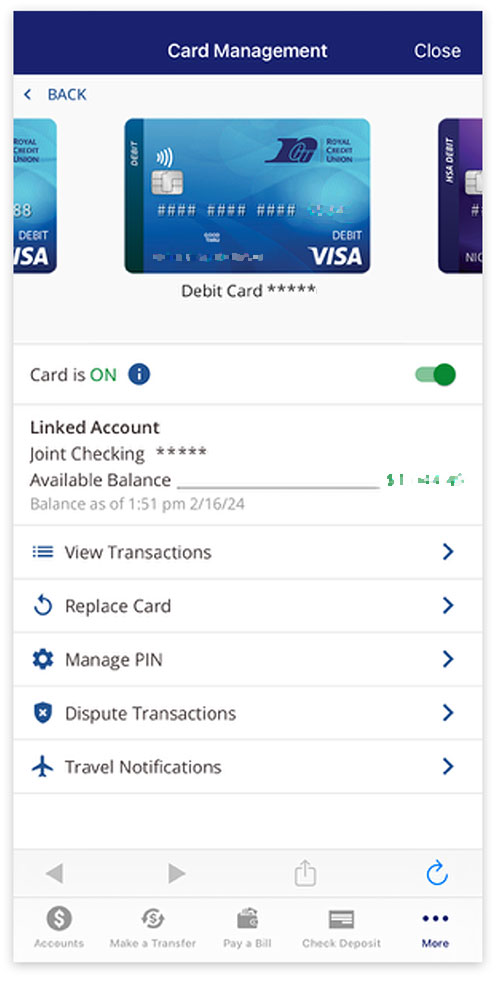
PNC Online Banking/Mobile App: For many common disputes, particularly unauthorized transactions or charges that are clearly erroneous, the easiest and fastest method is often through PNC’s online banking platform or mobile app.
- Log In: Access your PNC Online Banking account or open the PNC Mobile App.
- Navigate to Transactions: Go to your account activity or transaction history.
- Locate the Transaction: Find the specific charge you wish to dispute.
- Initiate Dispute: There is usually an option or link next to the transaction, such as “Dispute Transaction” or “Report Fraud.” Click on this.
- Follow Prompts: The system will guide you through a series of questions, asking for details about the charge and the reason for the dispute. You may be able to upload supporting documents directly.
- Submit: Review all information and submit your dispute. You should receive a confirmation number.
Pros: Convenient, available 24/7, allows for direct uploading of documents.
Cons: May not be suitable for highly complex cases requiring detailed explanations. -
Phone: For more intricate disputes, or if you prefer speaking directly with a representative, calling PNC’s customer service for disputes is an excellent option.
- Find the Number: Locate the customer service number on the back of your PNC debit or credit card, or on PNC’s official website. For general inquiries, the number is often 1-888-PNC-BANK (1-888-762-2265), but there might be a dedicated fraud or dispute line.
- Be Prepared: Have all your account details and transaction information ready before you call.
- Explain Clearly: Articulate your dispute clearly and concisely to the representative.
- Ask for Confirmation: Request a confirmation number or case ID for your dispute.
- Follow Up: If asked to send documentation, do so promptly as instructed.
Pros: Direct interaction, allows for nuanced explanations, immediate feedback.
Cons: Waiting times, may need to follow up with documentation via other means. -
In-Person (Branch Visit): While less common for simple disputes, visiting a PNC branch can be beneficial if you prefer face-to-face assistance or have particularly complex documentation that’s easier to review in person.
- Locate Branch: Find your nearest PNC branch.
- Bring Documents: Carry all your supporting documents and account information.
- Speak with a Representative: A banker can help you fill out the necessary forms and submit your dispute.
Pros: Personal assistance, helpful for complex cases or those less comfortable with technology.
Cons: Requires travel, limited to banking hours.
What to Expect During the Process
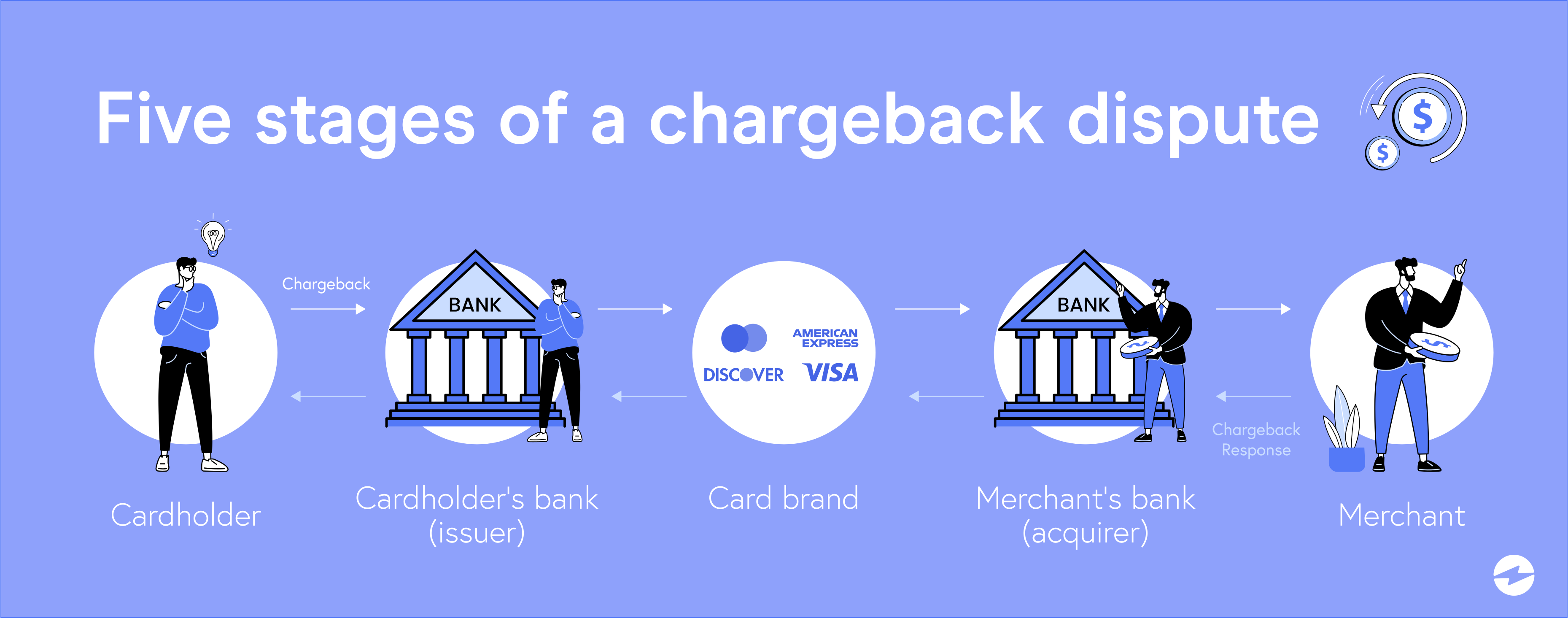
Once you initiate a dispute, a standardized process typically unfolds:
- Initial Review and Provisional Credit: PNC will review your submitted information. For debit card disputes falling under Regulation E, if your claim is plausible, PNC may issue a provisional credit to your account within a few business days (often within 10 business days). This means the disputed funds are temporarily returned to you while the investigation proceeds. For credit card disputes under FCBA, you generally aren’t required to pay the disputed amount.
- Investigation Phase: PNC will then launch a full investigation. This often involves contacting the merchant to present your claim and solicit their version of events and any supporting evidence. This back-and-forth communication can take time.
- Potential Requests for More Information: During the investigation, PNC may reach out to you for additional details or clarification. Respond promptly to these requests to avoid delays or a potential denial of your claim.
- Resolution Timeframe: The time it takes to resolve a dispute can vary significantly based on the complexity, the responsiveness of the merchant, and the type of transaction. Regulation E typically requires debit card disputes to be resolved within 45 or 90 days, while credit card disputes under FCBA can take up to two billing cycles.
Monitoring Your Dispute and Next Steps
Keeping track of your dispute’s progress is important:
- How to Check the Status: PNC typically provides a way to check the status of your dispute online or through their customer service line. Refer to your confirmation number or case ID when inquiring.
- What Happens if the Dispute is Denied: If PNC denies your dispute, they must provide you with a reason for the denial. If you believe the denial is incorrect and you have further evidence, you may have the option to appeal the decision. Review their explanation carefully and consider if you have additional information to present.
- What Happens if the Dispute is Successful: If your dispute is successful, the provisional credit will become permanent, or the disputed charge will be permanently removed from your credit card statement. You will typically receive written notification of the resolution.
Best Practices and Preventing Future Issues
Navigating a dispute successfully is as much about proactive financial management as it is about reactive problem-solving. Adopting certain best practices can both strengthen your dispute efforts and significantly reduce your vulnerability to future issues.
Tips for a Successful Dispute
Maximizing your chances of a favorable outcome in a dispute involves diligence and strategic communication:
- Act Promptly: The sooner you report a disputed charge, the better. Not only are there legal time limits (e.g., 60 days for Regulation E and FCBA), but reporting quickly also increases the chances of retrieving funds, especially in cases of fraud. Fresh transactions are easier to trace and recall than older ones.
- Be Thorough and Organized with Documentation: As previously emphasized, clear and complete documentation is your strongest ally. Keep all relevant emails, receipts, screenshots, and communication logs in an easily accessible file. This not only supports your claim but also demonstrates your credibility.
- Be Persistent but Polite: While PNC’s representatives are there to help, sometimes you may need to follow up. Do so professionally. Maintain a respectful tone, even if you’re frustrated. A polite, clear approach is always more effective than an aggressive one.
- Keep a Record of All Interactions with PNC: Just as you document interactions with merchants, keep detailed notes of every call, email, or online submission with PNC, including dates, times, names of representatives, and reference numbers. This ensures you have a comprehensive history of the entire dispute process.
Protecting Yourself from Unauthorized Charges
Prevention is always better than cure. By adopting robust security practices, you can significantly reduce the likelihood of encountering unauthorized or erroneous charges:
- Regularly Monitor Statements and Account Activity: This is perhaps the most critical preventive measure. Make it a habit to review your bank and credit card statements frequently, ideally weekly or even daily via online banking or mobile apps. Catching suspicious activity early is key to minimizing potential damage.
- Secure Online Shopping Practices:
- Use Reputable Websites: Only shop on websites that you trust and that use secure connections (look for “https://” in the URL and a padlock icon).
- Avoid Public Wi-Fi for Transactions: Public Wi-Fi networks are often unsecured and can make your financial information vulnerable to interception.
- Use Strong, Unique Passwords: Create complex passwords for all your online accounts and use a different one for each site. Consider a password manager.
- Be Wary of Phishing Scams: Do not click on suspicious links in emails or text messages, and never provide personal or financial information in response to unsolicited requests.
- Use Strong Passwords and Two-Factor Authentication (2FA): Enable 2FA on your PNC accounts and any other financial or shopping websites whenever possible. This adds an extra layer of security, requiring a second verification step (like a code sent to your phone) beyond just a password.
- Report Lost or Stolen Cards Immediately: If your PNC debit or credit card is lost or stolen, report it to PNC immediately. The faster you report it, the less your liability for unauthorized charges will be. Most banks offer a quick way to freeze or block a card via their app or website.
- Understand Recurring Subscriptions: Keep a list of all your recurring payments. Regularly review them to ensure you still need each service and that you’re not being charged unexpectedly after canceling. Consider using virtual card numbers for subscriptions if your bank or payment platform offers them, allowing you to easily control and revoke access.
Conclusion
Disputing a charge with PNC Bank, while potentially stressful, is a manageable process when armed with the right knowledge and a proactive approach. From understanding the nuances of what constitutes a valid dispute under federal regulations like Regulation E and the FCBA, to meticulously gathering evidence and following PNC’s established protocols, each step is designed to protect your financial interests.
Remember, your vigilance in monitoring your accounts and your promptness in addressing any discrepancies are your strongest assets. By utilizing PNC’s online, phone, or in-person dispute channels, and by maintaining clear, documented communication, you empower yourself to resolve financial errors and unauthorized transactions effectively. Ultimately, navigating the dispute process is an integral part of responsible personal finance, ensuring that your money remains where it belongs: securely in your control. Don’t hesitate to exercise your consumer rights and leverage the services PNC provides to safeguard your financial well-being.
aViewFromTheCave is a participant in the Amazon Services LLC Associates Program, an affiliate advertising program designed to provide a means for sites to earn advertising fees by advertising and linking to Amazon.com. Amazon, the Amazon logo, AmazonSupply, and the AmazonSupply logo are trademarks of Amazon.com, Inc. or its affiliates. As an Amazon Associate we earn affiliate commissions from qualifying purchases.