
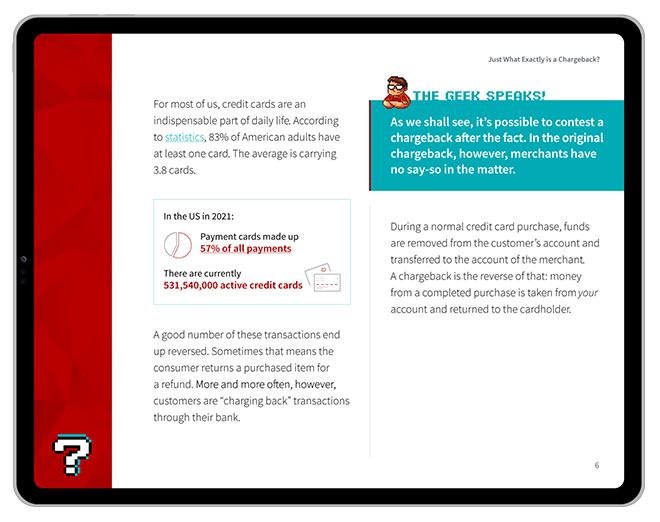
In an era of digital transactions and automated subscriptions, the occasional billing error or fraudulent charge is almost inevitable. For Bank of America customers, the ability to effectively challenge an incorrect transaction is a critical component of financial literacy and personal security. Whether you are dealing with a double charge at a local restaurant, a subscription that refused to cancel, or a completely unauthorized withdrawal, understanding the mechanics of the dispute process ensures that your capital remains protected.
Navigating the bureaucracy of a major financial institution can feel daunting, but Bank of America has streamlined the process through its digital platforms. However, success in a dispute often hinges on more than just clicking a button; it requires a strategic approach to documentation, timing, and understanding the legal protections afforded to consumers.

Understanding Your Rights and the Dispute Process
Before initiating a dispute, it is essential to distinguish between two primary types of transaction issues: fraud and billing errors. Fraud occurs when your card information is stolen and used without your permission. A billing error, or a merchant dispute, occurs when you authorized a transaction, but something went wrong—such as being charged the wrong amount, not receiving the goods, or being charged for a cancelled service.
The Fair Credit Billing Act (FCBA)
For credit card users, the Fair Credit Billing Act is your strongest ally. This federal law protects consumers from unfair billing practices. It covers issues like unauthorized charges, charges for goods and services not delivered or as represented, and accounting errors. Under the FCBA, you generally have 60 days from the date the statement containing the error was mailed to you to file an official dispute.
While Bank of America often allows for a longer window, adhering to the 60-day federal guideline ensures that your legal protections are fully intact. Once a dispute is filed, the bank must acknowledge your complaint within 30 days and resolve the issue within two billing cycles (not to exceed 90 days).
Credit vs. Debit: Why the Difference Matters
It is a common misconception that credit and debit card disputes are handled identically. While Bank of America provides robust protection for both, the underlying regulations differ. Credit card disputes are governed by the FCBA, which allows you to withhold payment for the disputed amount while the investigation is pending.
Debit card disputes fall under the Electronic Fund Transfer Act (EFTA). Because debit transactions involve the immediate removal of cash from your checking account, the stakes are higher. While Bank of America may provide a provisional credit while they investigate, the money is physically gone from your balance until the bank decides in your favor. This is why financial experts often recommend using credit cards for online purchases or with unfamiliar merchants.
Step-by-Step Instructions for Filing a Dispute
Bank of America has integrated dispute tools directly into its online banking and mobile app interfaces. This automation speeds up the process and ensures that all necessary data points are captured from the start.
Method 1: Using the Bank of America Mobile App
The mobile app is often the fastest way to flag an issue.
-
Log In: Open the app and provide your credentials or biometric ID.
-
Select Account: Tap on the specific checking or credit card account where the transaction occurred.
-
Locate Transaction: Scroll through your transaction history to find the item in question.
-
Initiate Dispute: Tap the transaction to see the details. Look for the link that says “Dispute Transaction” or “Report a Problem.”
-
Follow Prompts: The app will ask a series of questions: Did you authorize this? Is the amount wrong? Did you receive the item? Answer these accurately.
-
Submit Evidence: You may have the option to upload photos or screenshots. Do not skip this step if you have proof.
Method 2: Online Banking Portal
For those who prefer a desktop view, the Online Banking portal offers a comprehensive dashboard for managing disputes.
-
Sign In: Go to the Bank of America website and log in to your account.
-
Accounts Tab: Navigate to the “Accounts” tab and select the relevant card or account.
-
Transaction Search: Use the search or filter tools to find the specific date or merchant.
-
The “Help” or “Transaction Detail” Menu: Clicking on the transaction will usually expand a menu where the dispute option is housed.
-
Review and Confirm: The online portal often provides a summary page before submission. Ensure the disputed amount and the reason code are correct.
Method 3: Phone and Mail Options
While digital is faster, some complex disputes—especially those involving high dollar amounts or legal nuances—might benefit from a phone call or a formal letter.
-
Phone: Call the customer service number on the back of your card. Be prepared for a wait, and ensure you have the transaction date, amount, and merchant name ready. Always write down the name of the representative you spoke with and the “case number” they assigned to your dispute.
-
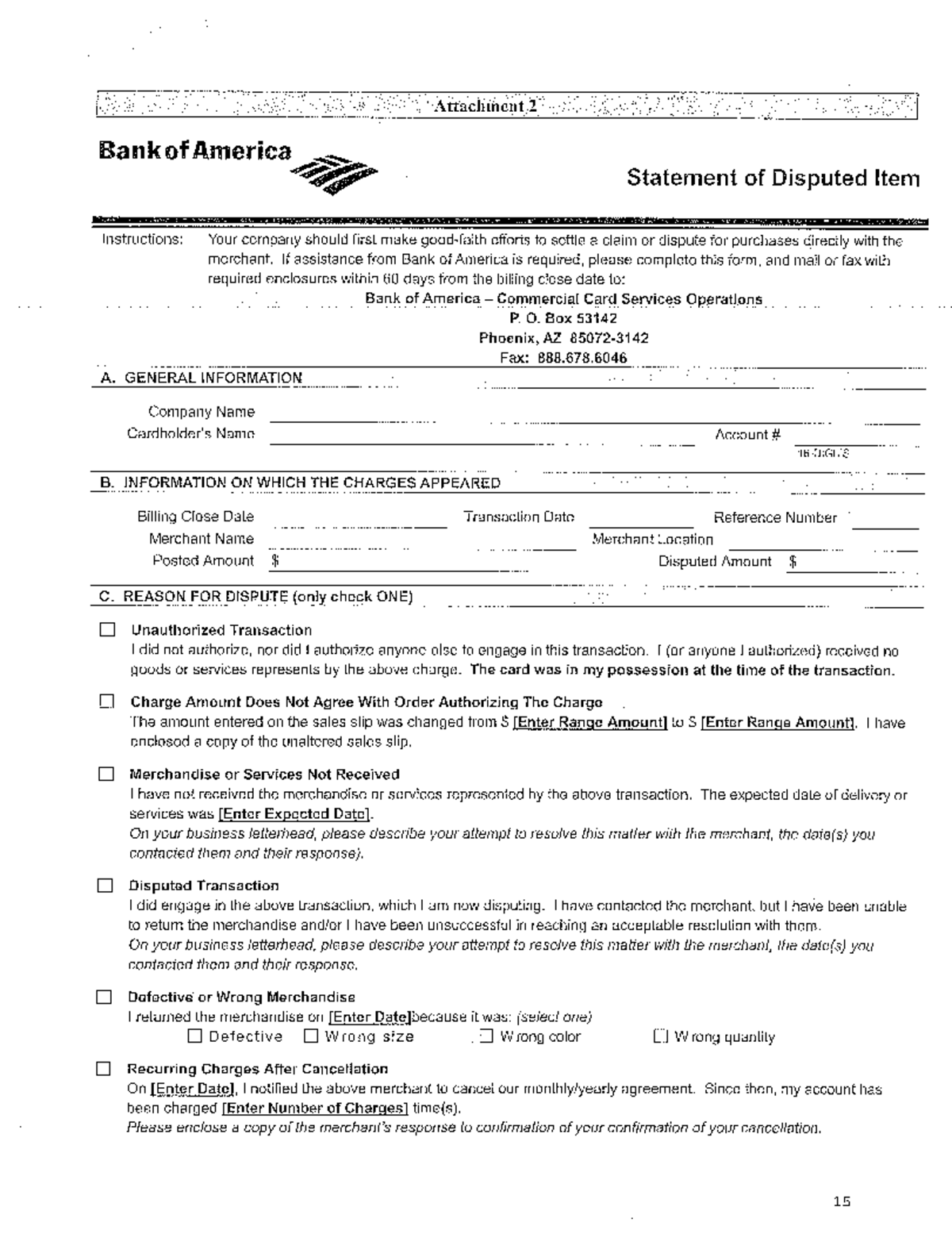
Mail: Sending a dispute via certified mail is the “gold standard” for legal protection. It provides a paper trail that proves you met the 60-day FCBA deadline. Address your letter to the billing inquiries address listed on your monthly statement.
Gathering Essential Documentation for a Successful Claim
The burden of proof in a merchant dispute often rests on the consumer. Bank of America acts as a mediator, but they require “ammunition” to challenge the merchant’s claim to the funds.
Types of Evidence Required
A dispute is essentially a mini-court case. To win, you need evidence.
-
Proof of Cancellation: If you are disputing a recurring subscription, a screenshot of the “subscription cancelled” confirmation page or an email receipt of the cancellation is vital.
-
Correspondence with the Merchant: Bank of America will often ask if you tried to resolve the issue with the merchant first. Keep logs of emails sent, the dates of phone calls, and the names of employees you spoke with.
-
Receipts and Invoices: If you were charged $150 for a $50 purchase, your original receipt is the only way to prove the error.
-
Photos of Merchandise: If you ordered a blue sweater and received a red one, or if an item arrived broken, photographic evidence is nearly impossible for a merchant to refute.
Organizing Your Timeline
Clarity is your best friend during an investigation. When submitting your dispute, provide a concise timeline. For example:
-
“October 1st: Ordered product.
-
October 10th: Product arrived damaged.
-
October 11th: Emailed merchant for a return label; no response.
-
October 15th: Called merchant; was told a refund would be issued in 3 days.
-
October 20th: No refund received; initiated dispute.”
This level of detail shows the bank that you are a responsible consumer who has made a good-faith effort to resolve the matter.
Managing Your Account During the Investigation
Once the dispute is filed, the investigation begins. This period can last anywhere from a few days to several months, depending on the merchant’s response.
Temporary Credits and Interest Charges
In many cases, Bank of America will issue a “provisional credit.” This means they temporarily put the money back into your account while they investigate. It is important to remember that this credit is provisional. If the bank ultimately rules in favor of the merchant, they will withdraw that money back out of your account.
For credit card holders, the disputed amount is usually suspended from interest charges. However, if the dispute is denied, you may be responsible for the back-interest that accrued during the investigation period. Always keep enough “buffer” in your account to cover the amount in case the ruling goes against you.
Communication and Status Tracking
You can track the status of your claim through the “Claims Center” in the Bank of America mobile app or online portal. The bank will also send updates via mail or your preferred digital notification method. If the merchant provides rebuttal evidence, the bank may reach out to you for a response. Do not ignore these requests; failure to respond to the bank’s inquiries usually results in the claim being closed in favor of the merchant.
Best Practices for Preventing Future Fraud and Errors
While knowing how to dispute a charge is vital, preventing the need for a dispute is even better. Bank of America offers several tools to help you stay ahead of potential issues.
Setting Up Real-Time Alerts
One of the most effective ways to catch errors early is to enable real-time transaction alerts. You can configure your Bank of America account to send a push notification or text message every time your card is used. This allows you to catch unauthorized charges the second they happen, rather than discovering them weeks later on a statement.
Utilizing Security Features in the BoA App
Bank of America provides several “self-service” security features that every account holder should utilize:
-
Card Locking: If you misplace your card, you can “lock” it instantly in the app to prevent any new charges, and “unlock” it just as easily if you find it under the car seat.
-
Digital Wallets: Using Apple Pay, Google Pay, or Samsung Pay adds a layer of tokenization to your transactions. The merchant never receives your actual card number, which significantly reduces the risk of your data being compromised in a merchant-side data breach.
-
Virtual Card Numbers: For online shopping on unfamiliar sites, consider using a virtual card service if available, or monitor those specific transactions closely.
By combining the technical tools provided by Bank of America with an understanding of your legal rights and a disciplined approach to documentation, you can navigate the dispute process with confidence. Protecting your money is not just about earning it; it is about ensuring that every dollar you spend is legitimate, accurate, and authorized.
aViewFromTheCave is a participant in the Amazon Services LLC Associates Program, an affiliate advertising program designed to provide a means for sites to earn advertising fees by advertising and linking to Amazon.com. Amazon, the Amazon logo, AmazonSupply, and the AmazonSupply logo are trademarks of Amazon.com, Inc. or its affiliates. As an Amazon Associate we earn affiliate commissions from qualifying purchases.