
Growth, in its most fundamental financial sense, signifies an increase in value, size, or prosperity over a period. Whether you’re managing personal finances, investing in the market, scaling a side hustle, or running a business, accurately determining growth is paramount for informed decision-making and strategic planning. It moves beyond mere intuition, requiring a systematic approach to measurement and analysis.
Establishing a Clear Financial Growth Framework
Before diving into specific metrics, it’s crucial to lay a solid foundation for how you define and approach growth. Without a clear framework, efforts to measure progress can become muddled and ineffective. This initial stage involves introspection, goal setting, and identifying the right tools for observation.

Defining What “Growth” Means for You (Personal vs. Business)
The definition of growth is highly contextual. For an individual, growth might primarily translate to an increasing net worth, a larger savings buffer, or a higher disposable income. For an investor, it could mean capital appreciation, dividend income growth, or diversification of a portfolio. For a business or a burgeoning side hustle, growth typically encompasses expanding revenue, improving profit margins, increasing market share, or scaling operational capacity. Clearly articulating your specific growth objectives is the first step toward effective measurement. Are you aiming for aggressive expansion, steady incremental gains, or financial stability and preservation? Your answer will shape the metrics you prioritize.
Setting Measurable Goals and Baselines
Once “growth” is defined, it must be quantified. Vague aspirations like “make more money” are unhelpful. Instead, establish SMART goals: Specific, Measurable, Achievable, Relevant, and Time-bound. For example, “increase net worth by 15% within the next 12 months” or “grow monthly recurring revenue by 10% quarter-over-quarter.” Equally important is establishing a baseline. This is your starting point – the financial snapshot against which all future growth will be measured. Without a clear baseline (e.g., your net worth on January 1st, your business revenue for the previous year), it’s impossible to discern true progress or regression. Regular reassessments of these baselines and goals are vital as circumstances evolve.
Identifying Key Performance Indicators (KPIs)
Key Performance Indicators are the vital signs of your financial health and growth. These are the specific, quantifiable metrics that reflect how effectively you are achieving your growth objectives. KPIs should be directly linked to your defined goals and provide actionable insights. For personal finance, KPIs might include monthly savings rate, investment portfolio return, or debt-to-income ratio. For a business, revenue growth rate, gross profit margin, customer acquisition cost (CAC), or customer lifetime value (CLV) are common KPIs. The key is to select a manageable number of KPIs that are most relevant to your specific growth goals, avoiding “vanity metrics” that look good but offer little strategic value.
Core Metrics for Personal Financial Growth
For individuals aiming to enhance their financial well-being, growth is often a journey of accumulation, optimization, and strategic allocation. Measuring this journey effectively requires attention to several core financial indicators.
The Power of Net Worth Tracking
Net worth is arguably the most comprehensive single metric for personal financial growth. It represents the sum of all your assets (cash, investments, real estate, valuable possessions) minus all your liabilities (mortgages, loans, credit card debt). Tracking your net worth regularly – monthly, quarterly, or annually – provides a clear, holistic picture of your overall financial progress. A consistently increasing net worth signifies that you are accumulating more assets than liabilities, indicating true financial growth. This metric transcends mere income; a high income with equally high debt may not result in net worth growth. Tools like spreadsheets or specialized financial apps can automate this tracking, making it easier to visualize trends over time.
Analyzing Income Streams and Expense Ratios
While net worth shows the result of financial activity, analyzing income and expenses reveals the drivers. Growth in personal finance often starts with growth in income. This could be through salary increases, bonuses, side hustle earnings, or investment income. Track your total income month-over-month or year-over-year to identify upward trends. Equally critical is understanding your expense ratios. How much of your income is consumed by fixed expenses (rent, loan payments) versus variable expenses (food, entertainment)? A declining expense ratio relative to income means more money is available for saving and investing, directly fueling net worth growth. Identifying areas to reduce unnecessary spending or optimize necessary expenditures is a direct path to freeing up capital for growth.
Measuring Investment Portfolio Performance
For many, investment growth is a primary component of overall financial growth. This involves assessing the returns generated by your investment portfolio. Key metrics include the total return (capital appreciation plus dividends/interest), annualized return, and risk-adjusted return. Compare your portfolio’s performance against relevant benchmarks (e.g., S&P 500 for a diversified stock portfolio) to gauge its effectiveness. Beyond pure returns, growth in an investment portfolio can also be determined by its diversification (spreading risk across various asset classes), the consistency of contributions, and the reinvestment of earnings. Regular review of your asset allocation and investment strategy ensures your portfolio is aligned with your growth objectives and risk tolerance.

Assessing Business and Income Stream Expansion
When it comes to businesses, startups, or even well-established side hustles, determining growth is more intricate, involving a blend of financial and operational metrics that reflect market penetration, efficiency, and sustainability.
Revenue, Profitability, and Margin Analysis
At the heart of business growth lies revenue expansion. Tracking Gross Revenue (total sales) and Net Revenue (gross revenue minus returns/discounts) over time is fundamental. However, revenue growth alone doesn’t paint a complete picture. Profitability metrics are crucial. Gross Profit (revenue minus cost of goods sold) and Net Profit (revenue minus all expenses, including operating costs, interest, and taxes) indicate how much money the business truly keeps. Analyzing profit margins (profit as a percentage of revenue) reveals efficiency. An increasing profit margin alongside revenue growth signifies healthy, sustainable expansion, indicating that the business is growing its top line while managing costs effectively.
Customer Lifetime Value (CLV) and Acquisition Costs (CAC)
Growth isn’t just about attracting new customers; it’s about acquiring valuable ones and retaining them. Customer Acquisition Cost (CAC) measures how much it costs to acquire a new customer. A lower CAC allows for more efficient scaling. Customer Lifetime Value (CLV) estimates the total revenue a business can reasonably expect from a single customer account throughout their relationship. For healthy growth, your CLV should significantly outweigh your CAC. A high CLV and a low CAC indicate a robust business model that can sustainably attract and retain customers, fueling long-term revenue and profit growth. Tracking these metrics helps optimize marketing, sales, and customer retention strategies.
Scaling Side Hustles and Online Income
For individuals engaged in side hustles, freelancing, or online income generation, growth determination involves a slightly different lens. Beyond basic revenue tracking, focus on metrics specific to your niche. For e-commerce, this might include conversion rates, average order value, and website traffic. For content creators, subscriber growth, engagement rates, and ad revenue per viewer/reader are vital. For freelancers, track billable hours, project completion rates, and client retention. Growth in side hustles often means increasing efficiency (e.g., automating tasks), expanding service offerings, raising rates, or diversifying income sources. The ability to increase output or income without a proportional increase in effort or cost is a key indicator of scalable growth.
Strategic Analysis and Future Growth Projections
True growth determination extends beyond historical data; it involves strategic analysis and forward-looking projections to guide future decisions and maintain momentum. This level of insight allows for proactive rather than reactive management of financial growth.
Benchmarking Against Industry Standards and Competitors
To truly understand if your growth is competitive and sustainable, it’s essential to benchmark your performance against industry standards and direct competitors. Are your revenue growth rates, profit margins, or investment returns outperforming or lagging behind others in your space? This comparison provides crucial context. If your personal investment portfolio is consistently underperforming market averages, it signals a need for strategy adjustment. If your business’s customer retention rate is significantly lower than competitors, it highlights an area for improvement. Benchmarking offers valuable insights into potential best practices and identifies areas where you might be leaving growth opportunities on the table.
Understanding Compounding and Reinvestment Strategies
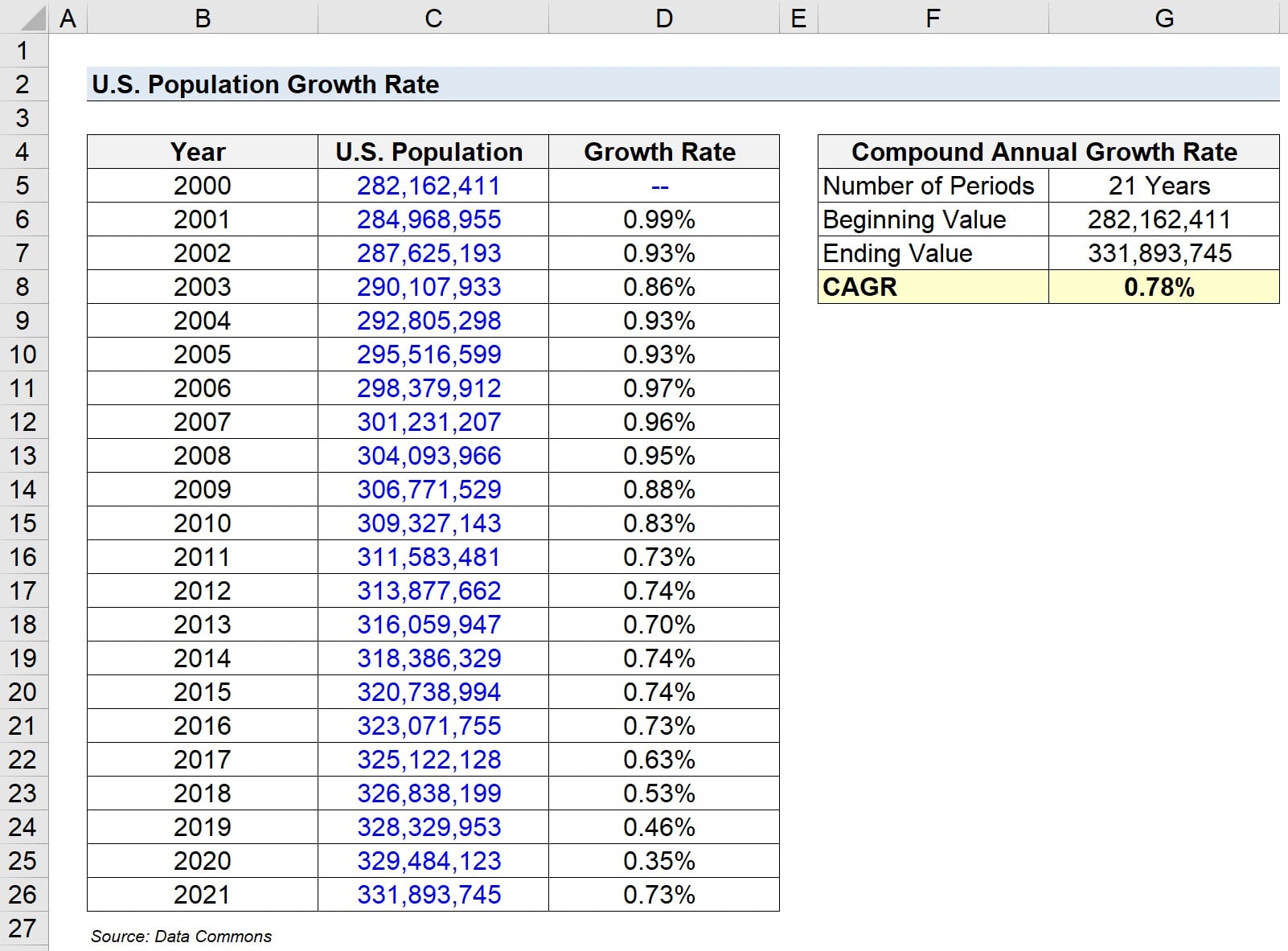
Compounding is a powerful engine of financial growth, often referred to as the “eighth wonder of the world.” It’s the process of earning returns not only on your initial principal but also on the accumulated interest or gains from previous periods. For personal finance and investing, consistent savings and the reinvestment of dividends or capital gains accelerate growth exponentially over time. For businesses, reinvesting profits back into the company (e.g., expanding operations, research and development, marketing) can fuel further revenue and market share growth. Understanding and actively leveraging compounding and strategic reinvestment are critical for maximizing long-term financial expansion.
Utilizing Financial Tools for Forecasting and Scenario Planning
Modern financial tools, from sophisticated business intelligence dashboards to simple personal finance apps, offer capabilities far beyond basic tracking. They enable forecasting – projecting future growth based on current trends and assumptions. Scenario planning allows you to model different potential outcomes (“what if” scenarios), helping you prepare for various market conditions or strategic decisions. For example, a business might forecast revenue under optimistic, realistic, and pessimistic sales scenarios, or an individual might model the impact of different savings rates on retirement goals. These tools provide forward visibility, empowering more confident and data-driven decisions that steer towards desired growth trajectories.
Addressing Obstacles and Ensuring Sustainable Growth
Growth is rarely a straight line. Market fluctuations, economic downturns, unforeseen expenses, or increased competition can all pose significant obstacles. Effective growth determination also involves identifying these challenges early, understanding their potential impact, and developing strategies to mitigate them. Sustainable growth isn’t just about speed; it’s about resilience, adaptability, and a clear understanding of your capacity. This includes managing debt prudently, maintaining adequate cash reserves, diversifying income streams or investment portfolios, and continuously evaluating your strategies. Regular, objective assessment of growth metrics helps ensure that expansion remains healthy and poised for the long term.
aViewFromTheCave is a participant in the Amazon Services LLC Associates Program, an affiliate advertising program designed to provide a means for sites to earn advertising fees by advertising and linking to Amazon.com. Amazon, the Amazon logo, AmazonSupply, and the AmazonSupply logo are trademarks of Amazon.com, Inc. or its affiliates. As an Amazon Associate we earn affiliate commissions from qualifying purchases.