
In an era increasingly dominated by digital transactions, mobile wallets, and contactless payments, the sight of a jar overflowing with loose change can feel like a relic of a bygone financial age. However, for the savvy individual focused on personal finance, every cent represents potential capital. Whether it is the result of a deliberate “keep the change” savings strategy or simply the accumulation of years of cash transactions, converting those physical coins into digital digits in your bank account is a vital step in maintaining liquidity and ensuring your money is working for you.
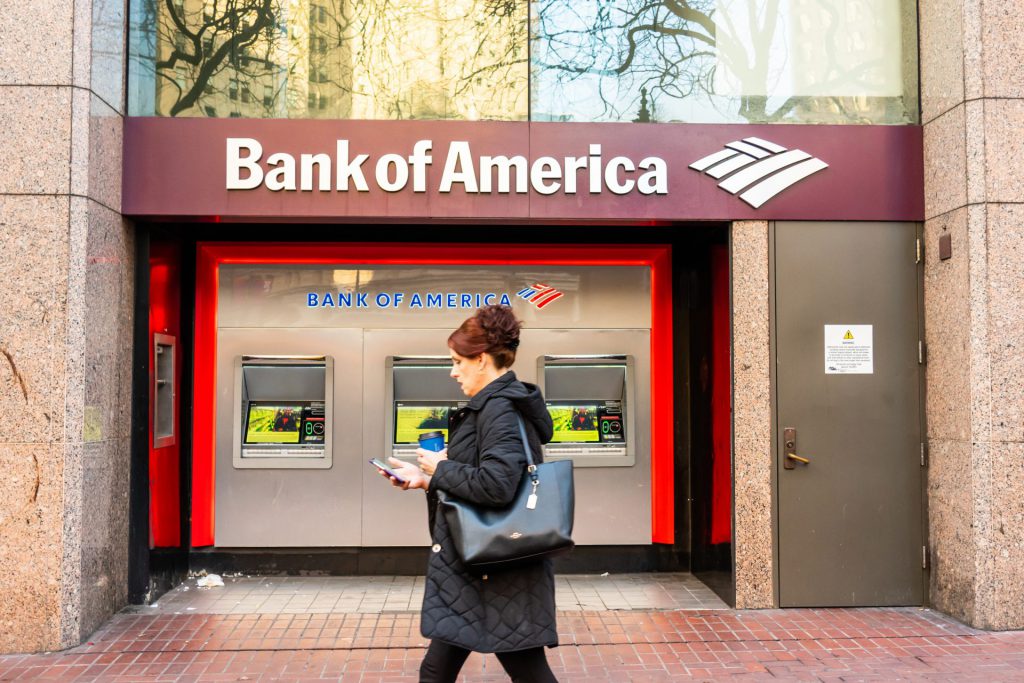
Bank of America, as one of the largest financial institutions in the United States, maintains specific protocols for handling physical currency. Unlike some smaller community banks or credit unions that may still offer self-service coin-counting machines, Bank of America has streamlined its operations, requiring customers to take a more proactive approach to their deposits. Navigating this process efficiently requires an understanding of the bank’s current policies, the preparation required before you visit a branch, and the strategic reasons why you might choose a traditional bank over more convenient, albeit more expensive, alternatives.
Navigating Bank of America’s Coin Deposit Policies
Before you haul a heavy container of coins to your local financial center, it is essential to understand that Bank of America’s approach to coin deposits is rooted in operational efficiency and security. Like many “Big Four” banks, Bank of America has largely phased out the noisy, maintenance-heavy coin-counting machines that were once a staple of retail banking lobbies.
The Requirement for Account Ownership
The first and most critical policy to understand is that Bank of America generally only accepts coin deposits from existing customers. This is a standard practice designed to prevent the bank from becoming a free processing center for non-customers, which would incur significant labor and logistics costs without any corresponding benefit to the institution. When you approach a teller with coins, they will almost certainly ask for your debit card or account number to verify your status. If you do not have an account, you may be directed to a different institution or a third-party kiosk.
The Standard of “Rolled and Ready”
Perhaps the most significant aspect of Bank of America’s policy is the requirement for coins to be rolled. Most branches will not accept “loose” change in bulk. Tellers are not equipped to count hundreds of loose pennies or quarters by hand, and the time required to do so would disrupt the flow of service for other customers.
By requiring coins to be pre-rolled in standard paper wrappers, the bank shifts the labor of sorting and counting back to the consumer. While this may seem like an inconvenience, it ensures that your deposit is processed quickly and accurately. It also allows the bank to verify the amount by weight or sight more easily before the rolls are sent to a regional vault or a third-party cash management service like Brink’s or Loomis.
The Step-by-Step Process for a Successful Deposit
Depositing coins is a task that rewards preparation. If you arrive at the bank with haphazardly sorted change, you risk being turned away or spending an hour in the lobby trying to fix your rolls. Following a systematic process ensures your visit to Bank of America is professional and efficient.
Sorting and Inspecting Your Currency
The process begins long before you reach the bank. Start by sorting your coins by denomination: pennies, nickels, dimes, and quarters. During this phase, it is vital to inspect the coins for foreign currency, debris, or damaged items. Canadian coins, for example, frequently find their way into American pockets but will be rejected by bank tellers. Similarly, “slugs,” tokens, or heavily corroded coins can compromise a roll and lead to a discrepancy in your deposit total.
Rolling Your Coins: Tools and Techniques
Bank of America typically provides coin wrappers to their customers free of charge. You can simply walk into a branch and ask a teller for a few sleeves of each denomination. If you have a massive amount of change, you may prefer to buy high-quality, pre-formed “shotgun” style wrappers from an office supply store, which are easier to fill than flat paper wrappers.
Each denomination has a specific quantity required per roll:
-
Quarters: $10.00 (40 coins)
-
Dimes: $5.00 (50 coins)
-
Nickels: $2.00 (40 coins)
-
Pennies: $0.50 (50 coins)
When rolling, ensure the ends are folded tightly. Loose rolls are prone to breaking during transport, which can lead to lost funds or a frustrated teller. It is also a best practice to write your name and account number on each roll. While not always strictly required, this transparency builds trust and ensures that if a roll is found to be short during the bank’s secondary verification process, the error can be traced back to the correct account.

Visiting the Branch
With your rolls prepared, plan your visit during off-peak hours. Tuesdays and Wednesdays are generally quieter than Mondays or Fridays. When you reach the teller, clearly state that you would like to make a deposit into your account. Since coins are heavy and bulky, placing them on the counter in a sturdy bag or box is appreciated. The teller will verify the number of rolls, cross-reference them with your deposit slip, and provide you with a receipt.
Weighing Your Options: Banks vs. Automated Kiosks
While depositing at Bank of America is the most cost-effective method—costing you only your time—it is not the only way to handle loose change. Understanding the alternatives allows you to make the best decision for your personal financial situation.
The Cost-Benefit Analysis of Coinstar
The most prominent alternative is the Coinstar kiosk, usually located in grocery stores. The primary advantage here is convenience: you simply dump your loose change into the machine, and it does the sorting and counting for you. However, this convenience comes at a steep price. Most kiosks charge a service fee ranging from 11% to 12.5%.
From a wealth-building perspective, losing 12% of your capital simply to avoid thirty minutes of rolling coins is a poor financial trade-off. On a $200 coin deposit, a kiosk fee could cost you $24. If that $24 were instead deposited into a high-yield savings account or a low-cost index fund, it would begin to accrue compound interest immediately. For those who prioritize every dollar, the “Bank of America method” is the clear winner.
Retailer Exchange Programs
Some kiosks offer an “egift card” option that waives the percentage fee if you agree to take your balance in the form of a voucher for a specific retailer, such as Amazon or Starbucks. If you were already planning to spend money at those locations, this can be an effective way to bypass the fees associated with automated counting while still avoiding the manual labor of rolling coins for a bank deposit.
The Psychology of “Found Money” and Wealth Building
The act of depositing coins is more than just a chore; it is a psychological exercise in financial discipline. In the world of personal finance, many people fall into the trap of ignoring small amounts of money, focusing only on large windfalls or monthly salary checks. However, the most successful wealth builders understand that small, consistent actions lead to significant long-term results.
From the Jar to the High-Yield Savings Account
Once your coins are deposited into your Bank of America account, they should not simply sit in a low-interest checking account where they might be spent on incidental purchases. Instead, consider this “found money” as a seed for an investment. Moving a $100 coin deposit into a brokerage account or a dedicated emergency fund gives that money a purpose. Over a lifetime, the habit of capturing and investing small amounts of cash can add thousands of dollars to your net worth through the power of compounding.
Teaching Financial Literacy Through Physical Currency
For those with children, the process of sorting, rolling, and depositing coins at a Bank of America branch is an invaluable teaching tool. In a digital world where money is often invisible—just a number on a screen—handling physical coins helps children grasp the tangible value of currency. It introduces the concepts of denominations, the labor required to manage money, and the satisfaction of watching a balance grow through a formal banking transaction.
The Logistics of Modern Banking: Why Coin Deposits Are Changing
To understand why Bank of America requires you to roll your coins, it helps to look at the broader landscape of the banking industry. Handling physical cash is surprisingly expensive for financial institutions. It requires armored car transport, secure storage space, and significant insurance coverage. Coins, being heavy and of relatively low value, are particularly inefficient to move.
By requiring customers to roll their coins, Bank of America reduces the time a teller spends on a single transaction, thereby reducing operational overhead. Furthermore, the removal of in-lobby machines was a strategic move to reduce maintenance costs and free up floor space for more profitable activities, such as mortgage consultations or small business lending.
As we move closer to a “cashless” society, the infrastructure for handling physical money will likely continue to shrink. This makes it even more important for individuals to stay informed about how to navigate these systems while they still exist. For now, the humble coin roll remains your best tool for ensuring that your loose change finds its way back into your broader financial portfolio, rather than gathering dust in a forgotten jar. By following Bank of America’s guidelines, you maintain professional control over your assets, ensuring that every cent is accounted for and put to its best possible use.
aViewFromTheCave is a participant in the Amazon Services LLC Associates Program, an affiliate advertising program designed to provide a means for sites to earn advertising fees by advertising and linking to Amazon.com. Amazon, the Amazon logo, AmazonSupply, and the AmazonSupply logo are trademarks of Amazon.com, Inc. or its affiliates. As an Amazon Associate we earn affiliate commissions from qualifying purchases.