
In an increasingly digital financial landscape, the ability to seamlessly transition between physical cash and digital funds is a crucial feature for many individuals navigating their personal finances. Cash App, a prominent player in the peer-to-peer payment and mobile banking space, offers its users a versatile platform that bridges this very gap. For those who frequently deal with cash or prefer to manage their money through a hybrid approach, understanding how to deposit physical cash onto their Cash App Card is an invaluable skill. This guide will delve into the practicalities, financial implications, and strategic advantages of utilizing this feature, firmly positioning it within the broader context of savvy personal finance management.

Understanding Cash App’s Role in Modern Personal Finance
Cash App has evolved from a simple peer-to-peer payment application into a comprehensive financial tool, often serving as a primary banking alternative for millions. Its Cash Card, a customizable debit card powered by Visa, directly links to a user’s Cash App balance, enabling spending wherever Visa is accepted. This integration of digital balance with a physical debit card is a cornerstone of its utility, allowing users to spend, save, and manage their money with remarkable flexibility.
The Evolution of Digital Wallets and Hybrid Banking
The rise of digital wallets like Cash App signals a significant shift in how people interact with their money. These platforms offer convenience, speed, and often lower fees compared to traditional banking. However, not everyone operates solely within a digital sphere. Many individuals still receive income in cash, prefer to budget with physical currency, or simply find themselves needing to convert cash into a digital format for online payments, bill settlements, or transfers. Cash App’s ability to facilitate cash deposits directly onto its associated card acknowledges this reality, providing a much-needed bridge for a diverse user base.
Bridging the Gap: Cash to Digital Convenience
For unbanked or underbanked populations, or even those who simply prefer not to use a traditional bank for all transactions, Cash App offers an accessible entry point into digital finance. The option to deposit cash means that even without a traditional bank account, individuals can load funds onto their Cash App Card, granting them access to online shopping, bill payments, and ATM withdrawals – capabilities often limited without a traditional financial institution. This feature isn’t just about convenience; it’s about financial inclusion and empowering individuals with greater control over their funds.
Why Cash App Card Deposits Matter for Financial Inclusion
Cash-to-digital solutions are vital for financial inclusion. They democratize access to essential financial services that many take for granted. By enabling easy cash deposits, Cash App helps ensure that individuals working in cash-heavy industries, gig economy workers, or those who simply manage their finances predominantly in cash are not excluded from the benefits of digital payment systems and online commerce. It provides a pathway to financial modernization without demanding a complete overhaul of existing financial habits.
The Mechanics of Cash Deposits to Your Cash App Card
Depositing cash onto your Cash App Card is a straightforward process, primarily facilitated through partnerships with retail locations. This method leverages existing infrastructure, making it widely accessible. Understanding the step-by-step procedure ensures a smooth and successful transaction.
The Green Dot Network: Your Cash Deposit Gateway
Cash App collaborates with the Green Dot network to enable cash deposits. Green Dot has established partnerships with thousands of retail stores across the United States, including major chains like Walmart, Walgreens, CVS, 7-Eleven, and Dollar General, among others. When you deposit cash for your Cash App Card, you are essentially utilizing Green Dot’s service at a participating retailer. It’s crucial to confirm that a given store offers Green Dot reload services for debit cards or specific apps like Cash App.
Step-by-Step Guide to In-Store Cash Deposits
- Locate a Participating Retailer: Use the Cash App map feature (if available) or Green Dot’s locator tool on their website to find the nearest store offering cash deposit services. Many common drugstores, convenience stores, and supermarkets participate.
- Inform the Cashier: At the checkout or customer service desk, inform the cashier that you wish to add cash to your Cash App Card. You might need to specify “add money to a debit card” or “Green Dot Reload @ the Register.”
- Present Your Cash App Card: Hand your physical Cash App Card to the cashier. They will typically swipe or scan the card.
- State the Deposit Amount: Tell the cashier how much cash you wish to deposit. Ensure the amount falls within Cash App’s daily and weekly limits and that you have the exact cash, as some stores may not give change for this specific transaction.
- Pay the Cashier: Hand over the cash amount you wish to deposit, along with any associated service fees (which are typically displayed or communicated by the cashier).
- Receive a Receipt: Always request and retain a receipt for your transaction. This serves as proof of deposit in case of any discrepancies or delays.
- Verify Funds: Most deposits process instantly. Check your Cash App balance within a few minutes to confirm that the funds have been credited.
What to Expect During the Deposit Process
While generally quick, the deposit process might vary slightly between retailers. Some stores may have a dedicated customer service counter for such transactions, while others handle it directly at the checkout. The cashier will typically use their point-of-sale system to initiate the reload. Be prepared for a small fee, usually around $1 to $5, charged by the retailer or Green Dot for the service. It’s advisable to clarify the fee upfront.
Verifying Your Deposit and Transaction Records
Upon completing the deposit, an immediate check of your Cash App balance is good practice. The funds should appear in your account balance almost instantly. If there’s a delay, wait a few minutes and refresh the app. If the funds do not appear within a reasonable timeframe (e.g., 15-30 minutes), first refer to your receipt. The receipt will contain transaction details crucial for troubleshooting. You can then contact Cash App support, providing them with the details from your receipt. Keeping accurate records of all financial transactions, including these cash deposits, is a fundamental aspect of sound personal finance.
Maximizing Your Cash App Card for Financial Management
Beyond merely depositing cash, the Cash App Card can be a powerful instrument in your overall financial management strategy. Its features, combined with the ease of cash deposits, offer a dynamic approach to budgeting, spending, and financial tracking.
Budgeting with Instant Access to Funds
The ability to load cash instantly onto your Cash App Card offers a tangible advantage for budgeting. Instead of holding physical cash, which can be easily misplaced or overspent without tracking, converting it to digital funds on your Cash Card allows for better oversight. You can allocate specific amounts for different spending categories and monitor your balance directly within the app, providing real-time insights into your expenditures. This digital envelope system can be incredibly effective for managing discretionary spending.
Seamless Spending and Bill Payments
Once your cash is digitized on your Cash App Card, it unlocks a world of seamless spending. You can use your card for online purchases, in-store transactions, and even recurring bill payments that accept Visa debit cards. This eliminates the need for money orders or physically paying bills, streamlining your financial obligations. For those managing a budget, having all spending channeled through a single card provides a consolidated view of outflows.
Leveraging Direct Deposit for Financial Stability
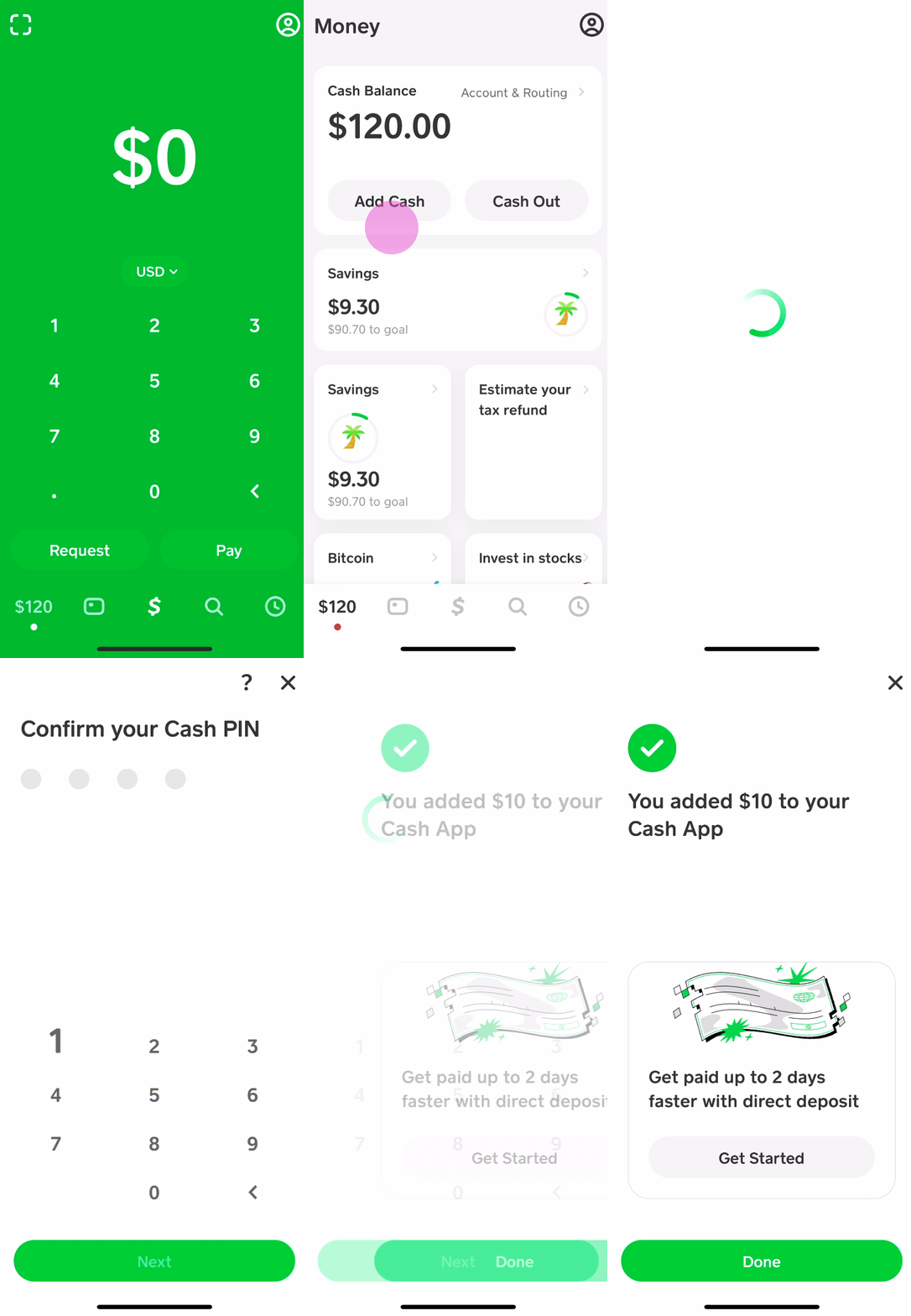
While this article focuses on cash deposits, it’s worth noting that Cash App also supports direct deposit for paychecks, government benefits, and tax refunds. For users who might receive a portion of their income in cash and another portion via direct deposit, the Cash App platform becomes a central hub for all incoming funds. This consolidation simplifies financial planning and tracking, contributing to greater financial stability and organization. Integrating both methods allows for a comprehensive approach to managing all sources of income.
Financial Discipline and Cash App Features
Cash App offers additional features that support financial discipline. Users can set up recurring transfers, track their spending history, and even invest in stocks or Bitcoin directly through the app (where available). By consistently depositing cash and using the card for expenses, you build a detailed transaction history that can be invaluable for reviewing spending habits, identifying areas for savings, and ultimately making more informed financial decisions. The transparency offered by the app’s activity log is a powerful tool for self-assessment and improvement in financial literacy.
Navigating Fees, Limits, and Security for Cash Deposits
Like any financial tool, using your Cash App Card for cash deposits comes with specific considerations regarding fees, transaction limits, and security protocols. Being aware of these details is crucial for effective and safe financial management.
Understanding Deposit Fees and Associated Costs
The primary cost associated with depositing cash onto your Cash App Card is the service fee charged by the retailer or the Green Dot network. This fee typically ranges from $1 to $5 per transaction. While Cash App itself does not directly charge for these deposits, it’s important to factor in this external cost when planning your deposits. For small, frequent deposits, these fees can accumulate, so it might be more cost-effective to make larger, less frequent deposits when possible. Always confirm the fee with the cashier before initiating the transaction.
Daily and Weekly Deposit Limits
Cash App, like most financial platforms, imposes limits on how much cash you can deposit within a given timeframe. These limits are in place for security reasons and to comply with financial regulations. Typically, there’s a daily limit (e.g., $500 to $1,000) and a weekly limit (e.g., $2,500 to $7,500). These limits can vary and are subject to change. You can usually find the most current limits within your Cash App settings or by contacting their support. Planning your deposits around these limits prevents unexpected rejections and ensures your funds are available when needed.
Best Practices for Secure Cash Deposits
Security should always be paramount when handling money. When depositing cash:
- Choose Reputable Retailers: Stick to well-known retail chains that you trust.
- Keep Your Card Safe: Treat your Cash App Card like any other debit card; do not share its details.
- Guard Your PIN: If a PIN is ever requested during the deposit process (which is rare for cash loads but possible for other card transactions), ensure it’s entered discreetly.
- Retain Receipts: As mentioned, your receipt is your proof of transaction. Keep it until you verify the funds have cleared.
- Be Aware of Your Surroundings: When handling cash in public, always be mindful of your personal safety.
What to Do If You Encounter Issues
If a cash deposit fails to appear in your Cash App balance, or if you encounter any other issues:
- Check Your Receipt: Ensure the transaction was completed successfully and note the transaction ID.
- Wait a Moment: Sometimes, there can be a slight delay.
- Contact Cash App Support: Use the in-app support feature or visit their official website to contact customer service. Provide them with all the details from your receipt, including the store name, date, time, and transaction amount. They can investigate the issue and help resolve it.
Alternative Ways to Fund Your Cash App Account (Beyond Cash)
While cash deposits offer a vital pathway to funding your Cash App Card, it’s beneficial to understand the full spectrum of funding options available. Integrating these methods into your financial routine can optimize your overall money management strategy.
Linking Bank Accounts and Debit Cards
The most common way to fund a Cash App account is by linking a traditional bank account or an existing debit card. This allows for instant transfers of funds from your bank to your Cash App balance. This method is convenient, typically free of charge for standard transfers (though instant transfers may incur a small fee), and provides a direct digital link to your primary financial institution. It’s ideal for quickly moving money between accounts for spending or sending to others.
Receiving Money from Other Cash App Users
Cash App’s core functionality is peer-to-peer payments. Friends, family, or even customers can send you money directly to your Cash App account using your Cashtag, phone number, or email. This is a swift and often fee-free way to receive funds, making it popular for splitting bills, receiving payments for small services, or getting money from loved ones. These funds immediately appear in your Cash App balance and are available for use via your Cash Card.
Direct Deposit for Paychecks and Benefits
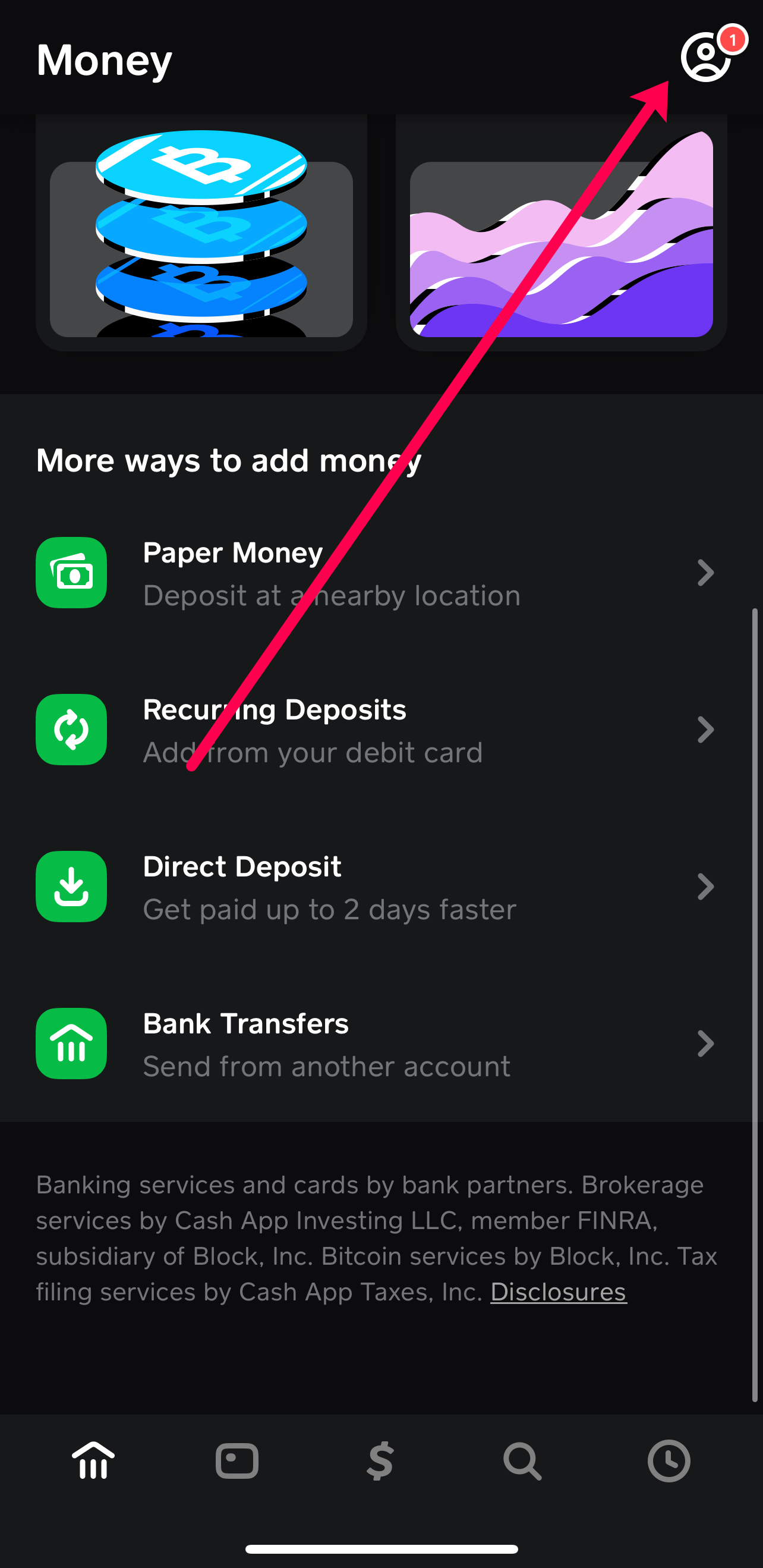
For many, setting up direct deposit for their paycheck, government benefits, or tax refunds directly into their Cash App account is a major convenience. Cash App provides a routing number and account number that can be given to employers or benefit providers, just like a traditional bank account. This allows funds to be deposited electronically, often arriving up to two days earlier than traditional bank deposits. This feature significantly elevates Cash App’s utility as a primary financial tool for managing regular income.
The Strategic Use of Various Funding Methods
A truly effective financial strategy often involves a combination of methods. For example, you might use direct deposit for your primary income, link a bank account for larger transfers or emergencies, and utilize cash deposits for any physical cash you receive. By strategically leveraging each funding option, you can ensure that your Cash App balance is always adequately funded, catering to diverse financial needs and income streams. This multi-faceted approach contributes to greater financial agility and resilience, allowing you to adapt to various financial situations with ease and confidence.
aViewFromTheCave is a participant in the Amazon Services LLC Associates Program, an affiliate advertising program designed to provide a means for sites to earn advertising fees by advertising and linking to Amazon.com. Amazon, the Amazon logo, AmazonSupply, and the AmazonSupply logo are trademarks of Amazon.com, Inc. or its affiliates. As an Amazon Associate we earn affiliate commissions from qualifying purchases.