
In the rapidly evolving landscape of personal finance, the ability to manage your capital efficiently is a cornerstone of financial health. Wells Fargo, as one of the “Big Four” banks in the United States, provides a multifaceted ecosystem for handling transactions, with check deposits remaining a vital component for many consumers and business owners. Whether you are receiving a tax refund, a gift from a relative, or payment for freelance services, understanding the nuances of the Wells Fargo deposit infrastructure ensures that your funds are available when you need them most.

Depositing a check is no longer a singular task requiring a trip to a physical building. Today, it is a streamlined process integrated into a broader digital strategy. By leveraging the tools provided by Wells Fargo, customers can optimize their cash flow and maintain better control over their liquid assets.
Leveraging Technology: The Wells Fargo Mobile Deposit Experience
The advent of mobile banking has fundamentally changed how we interact with our currency. For most Wells Fargo customers, the mobile app is the primary touchpoint for daily financial tasks. Mobile deposit technology uses sophisticated image capture and encryption to move funds from a paper instrument into your digital ledger within seconds.
Setting Up Your Mobile Banking App
To begin, you must have the Wells Fargo Mobile app installed on a compatible smartphone or tablet. The security of this platform is paramount; Wells Fargo employs multi-factor authentication and biometric logins (such as FaceID or fingerprint scanning) to ensure that only authorized users can initiate transactions. Once logged in, the interface is designed to be intuitive, placing the “Deposit” function prominently in the main navigation menu.
Before initiating a deposit, ensure your app is updated to the latest version. Software updates often include critical security patches and improvements to the image recognition software, which can reduce the likelihood of a check being rejected due to poor legibility.
Step-by-Step Instructions for Mobile Deposits
The process of mobile deposit is built on precision. After selecting the account where you want the funds to land, you will enter the specific amount of the check. It is crucial that this amount matches the written value on the check exactly to avoid processing delays.
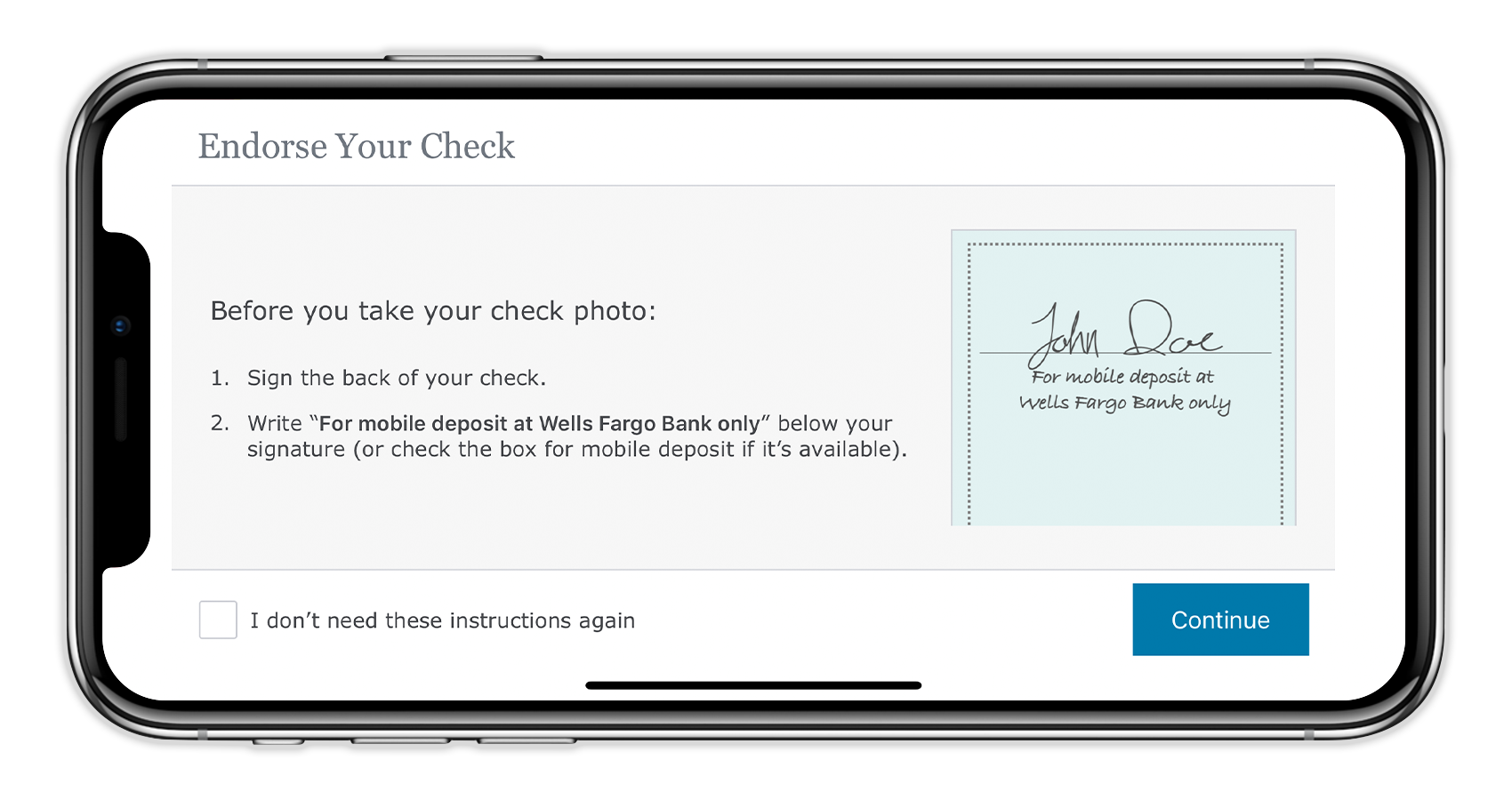
Endorsement is the next critical step. Wells Fargo requires a specific endorsement for mobile deposits. You should sign the back of the check and write “For Mobile Deposit at Wells Fargo Only” below your signature. This practice is a security measure that prevents the check from being deposited at another institution if it were lost or stolen after the digital image was captured.
The app will then prompt you to take photos of the front and back of the check. For the best results, place the check on a dark, flat surface in a well-lit area. Align the check within the on-screen brackets. The software automatically detects the edges and captures the image once it is in focus. After submitting, you will receive a confirmation number. It is recommended to keep the physical check in a secure location for at least five days to ensure the transaction clears fully before shredding it.
Understanding Mobile Deposit Limits and Fees
In the realm of personal finance, understanding your limits is key to managing expectations. Wells Fargo imposes daily and 30-day rolling limits on mobile deposits. These limits vary significantly based on your account history, the type of account you hold (such as Premier or Private Banking), and your overall relationship with the bank.
Newer accounts or those with lower balances may have more restrictive limits, whereas long-standing customers with significant assets may enjoy much higher caps. It is important to check your specific limits within the “Deposit” section of the app before attempting to deposit a large sum. Generally, there are no additional fees for using the mobile deposit service for standard personal accounts, making it one of the most cost-effective ways to manage your money.
Self-Service Efficiency: Using Wells Fargo ATMs for Check Deposits
For those who prefer a physical interaction without the constraints of banking hours, the Wells Fargo ATM network offers a robust alternative. With thousands of locations across the country, these machines serve as 24/7 financial hubs.
Finding a Deposit-Taking ATM
Not all ATMs are created equal. While most modern Wells Fargo ATMs accept deposits, some older or third-party machines may only offer cash withdrawals. You can use the “Locations” feature in the Wells Fargo app to filter for ATMs that specifically accept check deposits. These machines are typically located at branch drive-throughs or in well-lit vestibules, providing a secure environment for your transaction.
The Envelope-Free Process Explained
Wells Fargo was a pioneer in envelope-free ATM technology. This innovation allows the machine to scan the check directly, providing an immediate digital image of the instrument on the screen for your review. To deposit, you simply insert your debit card, enter your PIN, and select “Deposit.”
You can insert up to 30 checks (and cash) at once in most modern Wells Fargo ATMs. The machine will sort and scan each item individually. This is a significant advantage for small business owners or individuals who have multiple checks to process simultaneously. Once the scans are complete, the screen will display a summary of the total deposit. You must verify that the machine read the amounts correctly before finalizing the transaction.
Immediate Receipts and Real-Time Tracking
One of the greatest benefits of an ATM deposit is the paper trail. You can opt to receive a printed receipt that includes images of the deposited checks. This provides immediate peace of mind and physical documentation for your records. Furthermore, the deposit appears in your “Pending Transactions” in the mobile app or online banking portal almost instantly, allowing you to track your updated balance in real-time.
Traditional Reliability: Depositing at a Wells Fargo Branch
Despite the rise of digital tools, the traditional branch visit remains a cornerstone of the banking experience, especially for complex or high-value transactions. In-person deposits offer a level of human verification and immediate problem-solving that digital platforms cannot always match.
Proper Endorsement Standards
When depositing in person, the endorsement requirements are slightly different than mobile deposits. You simply need to sign the back of the check. If the check is made out to multiple parties (e.g., “John Doe AND Jane Doe”), both individuals usually must sign the check and be present, or the check must be deposited into a joint account held by both parties. If the check says “John Doe OR Jane Doe,” either party can typically endorse and deposit it.
Interacting with Tellers and Using Deposit Slips
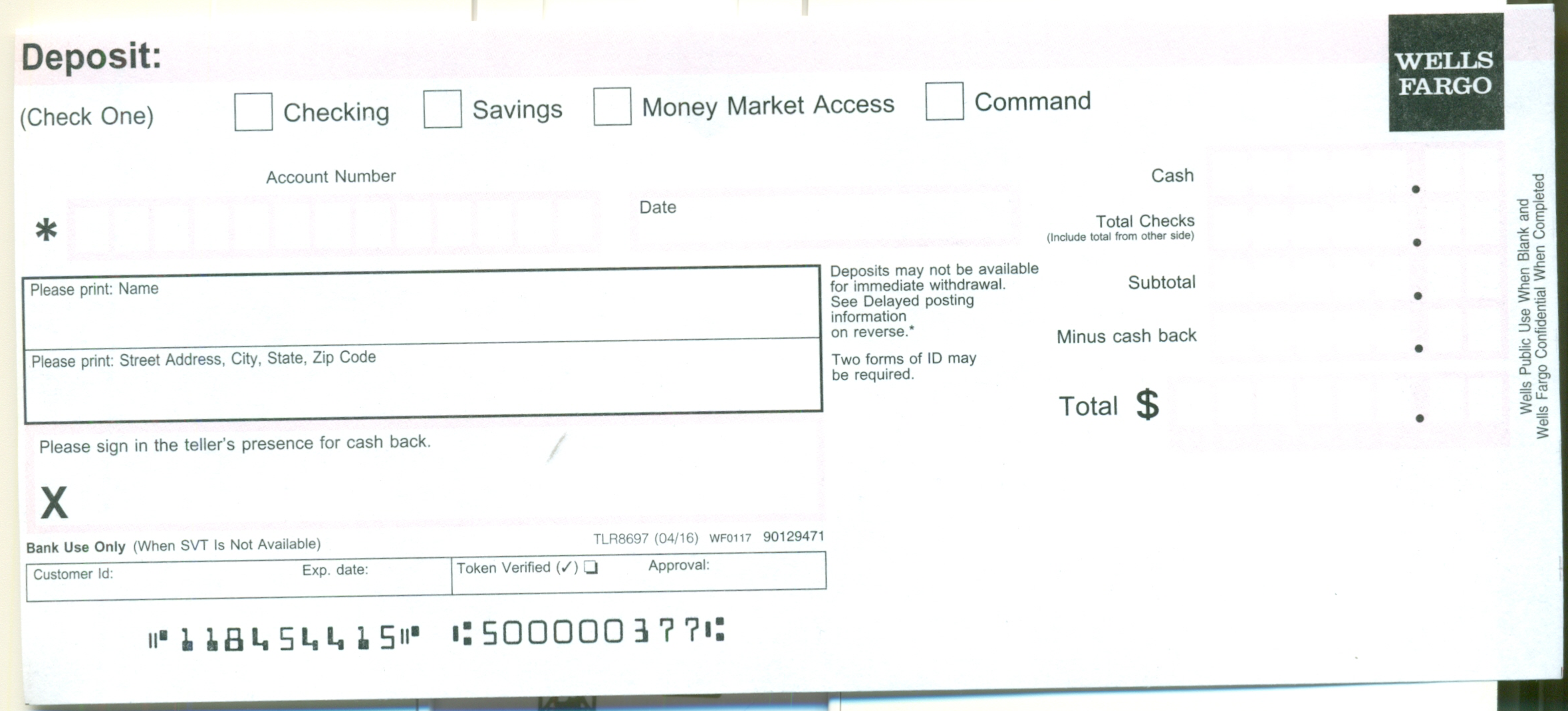
While many branches now allow you to swipe your debit card to identify your account, some may still require a deposit slip. On the slip, you will list your account number, the date, and the individual amounts of each check. The teller will then verify the checks against your slip.
The primary advantage here is the “Teller Receipt.” This document is an official acknowledgment from the bank that they have taken possession of the funds. If there is an issue with the check—such as a missing date or a discrepancy in the written amount—the teller can catch it immediately, saving you the hassle of a returned item later.
Advantages for Large Sums or Complex Transactions
For checks exceeding your mobile or ATM limits—such as a home sale proceeds check or a large insurance settlement—a branch visit is often mandatory. Furthermore, if you are depositing a foreign check or a check with restrictive endorsements, a teller can provide guidance on the specific collection process, which may take longer than a domestic deposit.
Navigating Funds Availability and Security Protocols
Understanding when your money moves from “pending” to “available” is essential for effective budgeting and avoiding overdraft fees. Wells Fargo operates under federal guidelines, specifically Regulation CC, but also maintains its own internal policies regarding funds availability.
When Will Your Money Be Available?
Generally, the first $225 of a check deposit is available the next business day. The remaining funds are usually available on the second business day. However, Wells Fargo often provides “Same-Day” or “Next-Day” availability for many customers depending on the source of the check (e.g., a Wells Fargo-to-Wells Fargo transfer) and the customer’s account standing.
Business days are defined as Monday through Friday, excluding federal holidays. Deposits made after the “cutoff time” (usually 9:00 PM ET for mobile and ATM) are considered to have been made on the following business day.
Common Reasons for Deposit Holds
The bank may place a longer hold on funds for several reasons, including:
-
Large deposit amounts (typically over $5,525).
-
Accounts that have been open for less than 30 days.
-
A history of frequent overdrafts.
-
Doubts about the collectability of the check (e.g., a check from a closed account or an out-of-country bank).
If a hold is placed, Wells Fargo is required to provide you with a notice explaining when the funds will be released.
Security Measures to Protect Your Financial Data
Wells Fargo utilizes advanced encryption for all digital deposits. When you take a photo of a check via the app, the image is not stored in your phone’s photo gallery; it is encrypted and transmitted directly to the bank’s secure servers. This protects your financial information if your device is ever compromised. Additionally, the bank monitors accounts for fraudulent activity, providing an extra layer of defense for your wealth.
Maximizing Your Personal Finance Strategy with Wells Fargo Tools
Depositing a check is merely the first step in a broader financial workflow. To truly master your money, you should integrate these deposits into a comprehensive management strategy.
Integrating Deposits into Your Budgeting Routine
Once a check is deposited, the Wells Fargo “My Money Map” and “Daily Change” tools can help you categorize that income. By assigning every dollar a job—whether it is going toward your mortgage, a high-yield savings account, or an investment portfolio—you ensure that your deposits are working toward your long-term goals. Setting up “Balance Alerts” can also notify you the moment a deposit clears, allowing you to move money into interest-bearing accounts without delay.
Future-Proofing Your Banking Habits
While checks remain a staple of the financial system, the trend is moving toward direct deposit and ACH transfers. Wells Fargo offers the “Early Pay Day” feature, which can grant access to direct-deposited funds up to two days early. For the checks you still receive, using the mobile deposit feature consistently builds a digital history that can lead to higher deposit limits and a more streamlined banking profile.
By mastering the various ways to deposit a check at Wells Fargo, you are not just performing a chore; you are executing a strategic financial move. Whether through the lens of a smartphone, the interface of an ATM, or the personalized service of a branch, your ability to efficiently convert paper checks into digital capital is a fundamental skill in the modern pursuit of financial stability and growth.
aViewFromTheCave is a participant in the Amazon Services LLC Associates Program, an affiliate advertising program designed to provide a means for sites to earn advertising fees by advertising and linking to Amazon.com. Amazon, the Amazon logo, AmazonSupply, and the AmazonSupply logo are trademarks of Amazon.com, Inc. or its affiliates. As an Amazon Associate we earn affiliate commissions from qualifying purchases.