
In the burgeoning landscape of digital finance, cryptocurrencies have emerged as a revolutionary class of assets, promising decentralization, transparency, and unprecedented control over personal wealth. However, accessing and managing these digital assets requires a fundamental tool: the crypto wallet. Far from being a physical receptacle, a crypto wallet is a sophisticated piece of software or hardware that allows users to store, send, and receive cryptocurrencies securely. It is the gateway to the decentralized web, enabling participation in everything from simple transactions to complex DeFi protocols and NFT marketplaces.
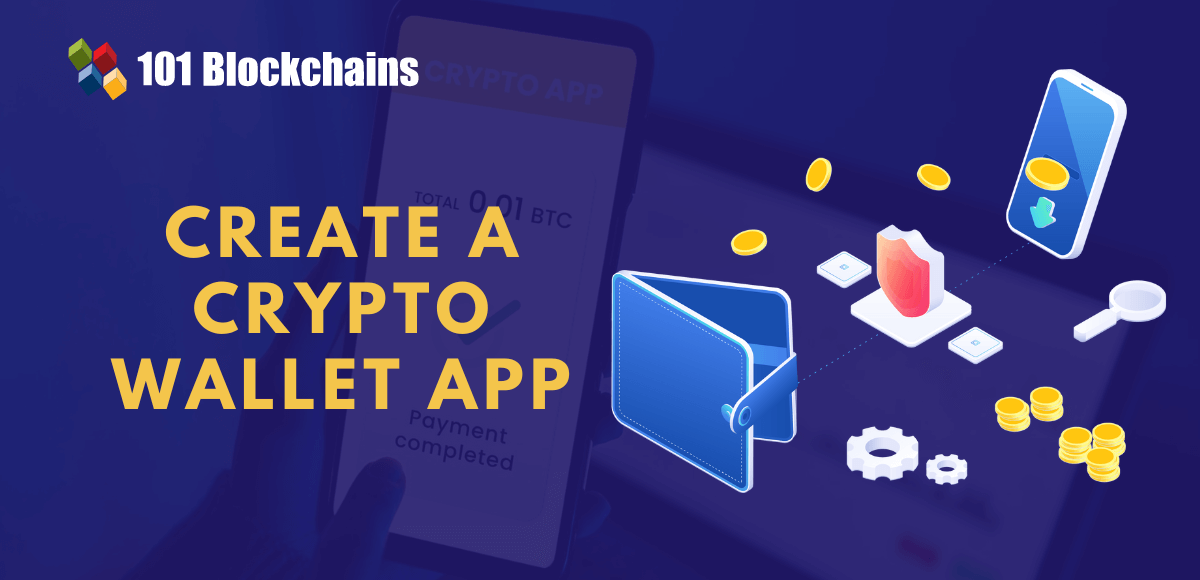
For newcomers, the concept of creating a crypto wallet can seem daunting, riddled with technical jargon and security concerns. Yet, understanding and properly setting up a crypto wallet is not just a technicality; it’s a critical step in taking ownership of your digital financial future. This comprehensive guide aims to demystify the process, walking you through the essential concepts, types, creation steps, and, crucially, the robust security practices necessary to safeguard your digital assets in an ever-evolving technological environment. By embracing the principles outlined here, you can confidently navigate the digital asset space, empowered with the knowledge to protect your investments and leverage the full potential of blockchain technology.
Understanding Crypto Wallets: More Than Just Storage
Before diving into the creation process, it’s crucial to grasp what a crypto wallet truly is and how it functions. Unlike traditional wallets that hold physical cash or cards, a crypto wallet doesn’t actually “store” cryptocurrencies in the conventional sense. Instead, it manages the cryptographic keys that prove ownership of your digital assets on the blockchain.
What is a Crypto Wallet?
At its core, a crypto wallet is a tool for managing pairs of cryptographic keys: a public key and a private key.
- Public Key: This is analogous to a bank account number. It’s a string of alphanumeric characters that serves as your wallet address, which you can share with others to receive funds. Anyone can see the public key and the transactions associated with it on the blockchain, but they cannot access your funds without the corresponding private key.
- Private Key: This is the most critical component. It’s a secret, unique string of characters that grants access to your cryptocurrencies. Anyone who possesses your private key can control your funds. Therefore, keeping your private key absolutely secure and private is paramount.
- Seed Phrase (Recovery Phrase): Most modern wallets generate a “seed phrase” (typically 12 or 24 words) during setup. This human-readable phrase is an encrypted representation of your private key(s) and serves as the ultimate backup. If you lose access to your wallet device or software, this seed phrase is the only way to recover your assets. Losing it, or allowing it to be compromised, means losing your funds.
When you “send” cryptocurrency, you’re not physically moving digital tokens from one location to another. Instead, you are signing a transaction with your private key, which broadcasts instructions to the blockchain network to transfer ownership of a certain amount of cryptocurrency from your public address to another. The blockchain network then verifies this signature and updates the ledger accordingly.
Why Do You Need a Crypto Wallet?
A crypto wallet is indispensable for several reasons, primarily centered around security, control, and accessibility:
- Self-Custody and Control: Unlike traditional banking, where banks hold your funds, a crypto wallet gives you direct, unmediated control over your assets. You are your own bank, eliminating the need for intermediaries and their associated fees or restrictions. This principle, often summarized as “not your keys, not your crypto,” emphasizes the importance of managing your own private keys.
- Enhanced Security: While exchanges offer convenience, they are centralized targets for hackers. Keeping your assets in a wallet you control significantly reduces counterparty risk. With proper security practices, your funds are much safer from external threats.
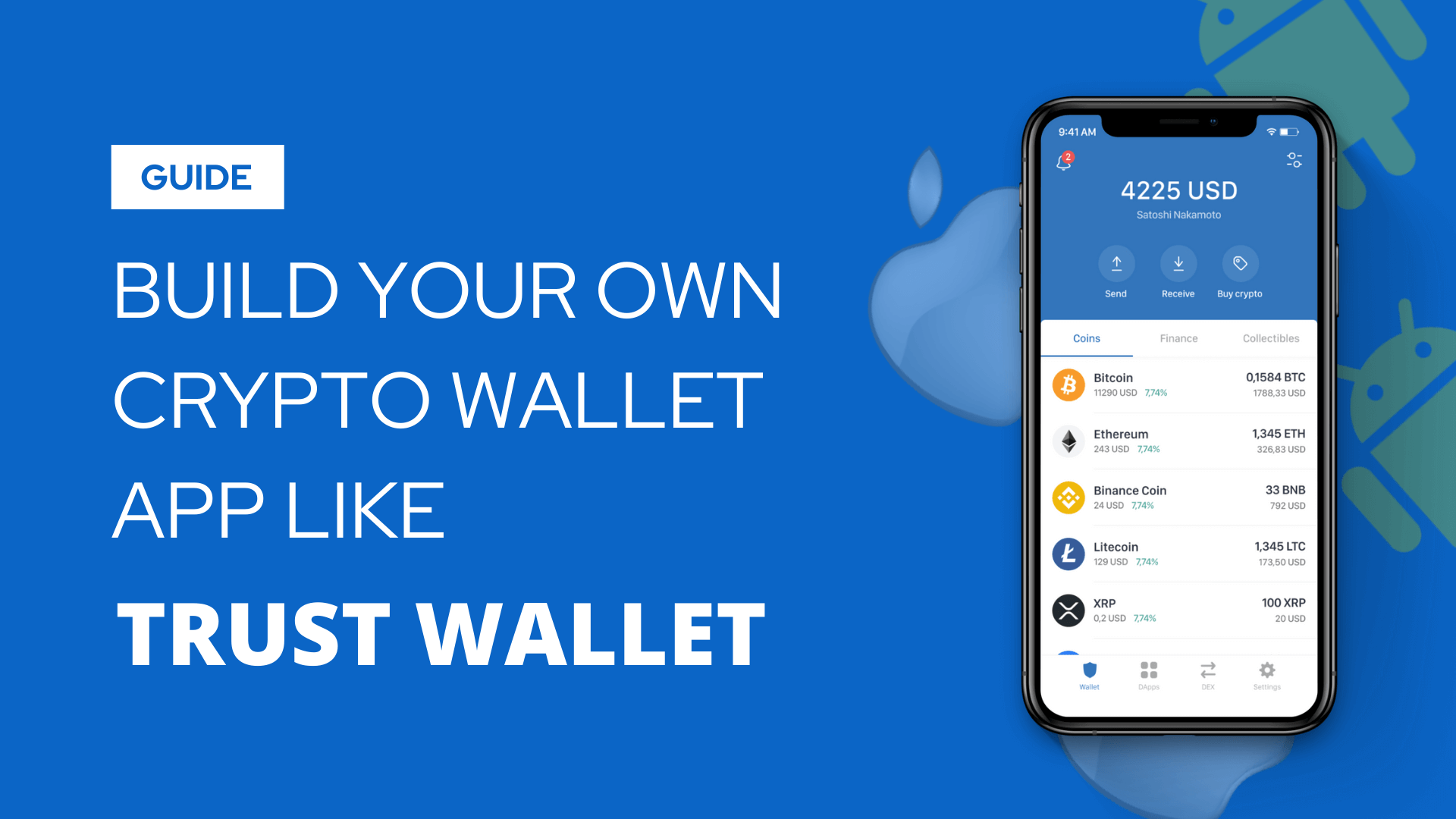
- Access to Decentralized Applications (dApps): Crypto wallets are not just for storing assets; they are also identity and interaction tools for the decentralized web (Web3). Wallets like MetaMask or Trust Wallet allow you to connect to various dApps, participate in DeFi protocols, trade NFTs, engage in blockchain-based gaming, and vote in decentralized autonomous organizations (DAOs).
- Flexibility and Portability: Your crypto wallet effectively holds your digital identity within the blockchain ecosystem. You can access your funds and interact with dApps from various devices by importing your seed phrase, offering unparalleled flexibility and portability.
Exploring the Landscape of Crypto Wallet Types
Crypto wallets come in various forms, each offering a distinct balance of convenience, security, and functionality. Understanding these types is crucial for choosing the right wallet for your specific needs and risk tolerance. Generally, wallets are categorized as “hot” or “cold,” referring to their connectivity to the internet.
Hot Wallets: Convenience Meets Connectivity
Hot wallets are internet-connected wallets, offering ease of access and quick transactions. They are typically software-based and are ideal for frequent use, small amounts of cryptocurrency, and interacting with dApps.
- Desktop Wallets: These are software applications installed directly on your computer. Examples include Exodus or Electrum. They offer a good balance of security and control, as your private keys are stored locally on your device. However, they are vulnerable if your computer is compromised by malware or viruses.
- Mobile Wallets: These are apps downloaded onto your smartphone (e.g., Trust Wallet, MetaMask, Coinbase Wallet). Mobile wallets offer excellent convenience, allowing you to manage crypto on the go. They often integrate features like QR code scanning for easy transactions. Security depends heavily on the security of your mobile device (e.g., strong passwords, biometrics).
- Web Wallets (Browser Extensions): These are accessed directly through a web browser, either as an extension (like MetaMask, Phantom) or via a website interface. They are highly convenient for interacting with dApps and Web3 platforms. However, they carry higher security risks as your private keys might be managed by a third-party service provider or are vulnerable to browser-specific exploits and phishing attacks. It’s crucial to use reputable web wallets and practice extreme caution with website verification.
Cold Wallets: The Apex of Offline Security
Cold wallets (or cold storage) are not connected to the internet, making them significantly more resistant to online hacking attempts. They are ideal for storing large amounts of cryptocurrency for the long term.
- Hardware Wallets: These are physical electronic devices (e.g., Ledger, Trezor) specifically designed to store your private keys offline. They require physical interaction to authorize transactions, often involving a PIN and confirmation buttons on the device itself. Even if connected to an internet-enabled computer, the private keys never leave the hardware wallet, making them highly secure against malware and online attacks. They are considered the gold standard for cryptocurrency security.
- Paper Wallets: This is arguably the simplest form of cold storage, where your public and private keys are printed out on a piece of paper. While completely offline and immune to cyberattacks, paper wallets are susceptible to physical damage (fire, water), theft, or loss. They are generally not recommended for beginners due to the complexities of secure generation and management.
Step-by-Step: Creating Your First Crypto Wallet
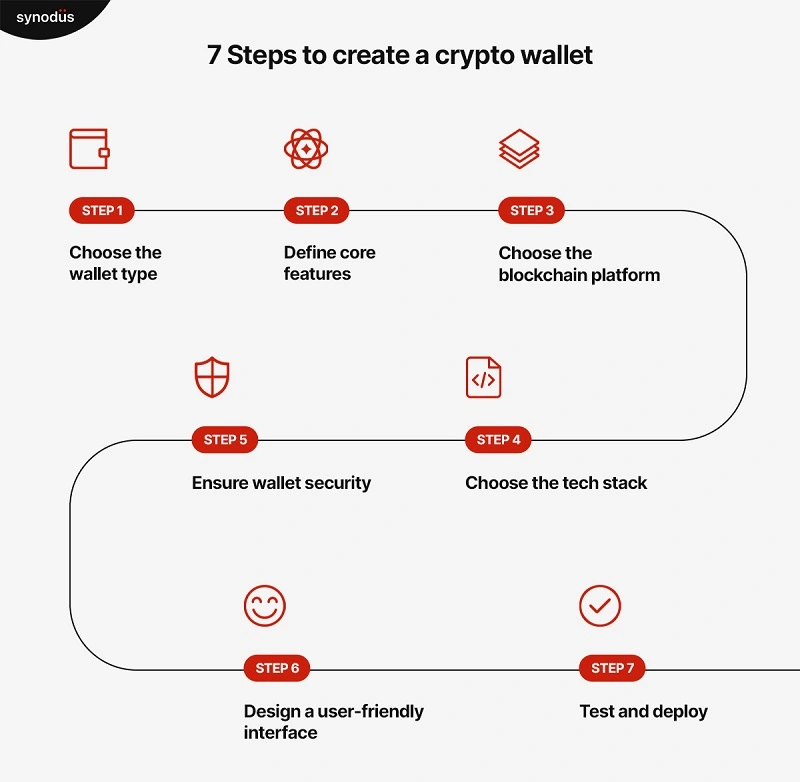
Creating a crypto wallet involves a few key stages, from selecting the right type to securely backing up your recovery phrase. While specific steps may vary slightly depending on the wallet chosen, the underlying principles remain consistent.
Choosing the Right Wallet for Your Needs
Before creating a wallet, consider these factors:
- Assets You’ll Hold: Ensure the wallet supports the specific cryptocurrencies you plan to acquire. Many wallets support a wide range of assets, but some are specialized.
- Security Preference: For significant holdings, a hardware wallet is highly recommended. For frequent small transactions and dApp interaction, a mobile or browser extension wallet might suffice.
- Ease of Use: Beginner-friendly wallets often have intuitive interfaces. Advanced users might prefer wallets with more features and customization.
- Budget: Hardware wallets have an upfront cost, while software wallets are typically free.
The Setup Process: A General Walkthrough
Let’s outline a general process, applicable to most software wallets and adaptable for hardware wallets:
- Download/Purchase the Wallet:
- Software Wallet: Go to the official website of your chosen wallet (e.g., MetaMask.io, Exodus.com, TrustWallet.com) or your phone’s official app store (Google Play Store, Apple App Store). Never download from unofficial sources.
- Hardware Wallet: Purchase directly from the manufacturer’s official website (e.g., Ledger.com, Trezor.io) or an authorized reseller to avoid counterfeits.
-
Install and Launch: Follow the installation prompts. Once installed, open the wallet application.
-
Create a New Wallet: Select the option to “Create a New Wallet” (as opposed to importing an existing one).
-
Generate and Secure Your Seed Phrase (Recovery Phrase): This is the MOST CRITICAL step.
- The wallet will display a series of words (usually 12 or 24). This is your seed phrase.
- Write it down physically on paper. Make multiple copies if you wish, but store them in separate, secure, offline locations.
- Never take a screenshot, save it digitally on your computer/phone, or email it to yourself. These methods expose your seed phrase to hacking.
- Verify the Seed Phrase: Most wallets will ask you to re-enter a few words from your seed phrase to ensure you’ve written it down correctly. Do this meticulously.
-
Set a Strong Password/PIN: Create a robust password for your wallet application (for software wallets) or a PIN for your hardware wallet. This provides an additional layer of security for accessing the wallet on your device.
-
Familiarize Yourself with the Interface: Explore the wallet’s dashboard. Locate your public address (often labeled “Receive” or “Address”), which you’ll use to receive funds. Understand how to send transactions.
Funding Your Wallet
Once your wallet is set up, you’ll need to transfer cryptocurrency to it. This typically involves:
- Purchasing crypto from a centralized exchange (e.g., Coinbase, Binance, Kraken) using fiat currency (USD, EUR, etc.).
- Withdrawing the purchased crypto from the exchange to your newly created wallet’s public address. Always double-check the address and ensure the correct network is selected (e.g., Ethereum (ERC-20), BNB Smart Chain (BEP-20)). Sending to the wrong network or address can result in permanent loss of funds.
Mastering Crypto Wallet Security: Best Practices
Creating your wallet is just the first step; maintaining its security is an ongoing responsibility. Given the irreversible nature of blockchain transactions and the lack of a central authority to reverse fraudulent activities, robust security practices are non-negotiable.
Safeguarding Your Seed Phrase
This cannot be overstated. Your seed phrase is the master key to your funds.
- Offline Storage: Always write it down on paper and store it in a secure, fireproof, waterproof, and physically inaccessible location (e.g., a safe deposit box, a personal safe). Consider splitting it into multiple parts and storing them in different locations for added resilience against single points of failure.
- Never Share: Your seed phrase should be known only to you. No legitimate service or support agent will ever ask for it. Anyone requesting it is attempting to steal your funds.
- Test Recovery (Optional but Recommended): For hardware wallets, practicing a “recovery” process (by wiping the device and restoring it with your seed phrase) can confirm you have correctly recorded it. Do this with a small test amount of crypto first.
Implementing Two-Factor Authentication (2FA)
While primarily for exchange accounts, if your wallet software supports it or if you use web-based wallets, enable 2FA wherever possible. This adds an extra layer of security, usually requiring a code from an authenticator app (like Google Authenticator) in addition to your password.
Beware of Phishing and Scams
The crypto space is rife with malicious actors.
- Verify URLs: Always double-check the website address for wallet services or dApps. Phishing sites often mimic legitimate ones with subtle misspellings. Bookmark frequently used sites.
- Unsolicited Requests: Be highly skeptical of emails, messages, or calls asking for your wallet details, private keys, or seed phrase. Legitimate entities will never ask for this.
- Software Updates: Only download updates from official sources. Malware often disguises itself as essential updates.
Regular Software Updates and System Scans
- Keep Software Updated: Regularly update your wallet software, operating system, and antivirus programs. Updates often include critical security patches that protect against newly discovered vulnerabilities.
- Antivirus and Anti-Malware: Run regular scans on your computer or mobile device to detect and remove malicious software that could compromise your private keys.
- Use Reputable Networks: Avoid connecting your wallet to public Wi-Fi networks which are often insecure and vulnerable to eavesdropping.
Advanced Considerations and Future Trends
As the blockchain ecosystem matures, so too do the functionalities and security features of crypto wallets. Staying informed about these advancements is key to navigating the future of digital finance.
Multi-Signature Wallets and Decentralized Identity
- Multi-Signature (Multi-Sig) Wallets: These wallets require multiple private keys to authorize a transaction. This enhances security for organizations or shared funds, as a single compromised key is insufficient to move assets. It’s akin to needing two or more people to sign a check.
- Decentralized Identity (DID): Future wallets are evolving beyond mere asset management to become digital identity hubs. DIDs allow users to control their personal data and identity online, verifying credentials and interacting with services without relying on centralized authorities, moving towards a more private and secure online presence.
The Evolving Role of Wallets in Web3
Wallets are increasingly becoming the central interface for the entire Web3 experience. They are evolving to:
- Integrate fiat on/off-ramps: Making it easier to convert traditional currencies to crypto and vice-versa.
- Support diverse asset classes: Including NFTs, tokenized real-world assets, and future digital asset types.
- Facilitate governance: Enabling users to vote in DAOs and participate in decentralized network decisions directly from their wallets.
- Enhance interoperability: Allowing seamless interaction across different blockchain networks and ecosystems.
Conclusion
Creating a crypto wallet is a foundational step in your journey into the world of digital assets. It represents not just a technical setup but a significant shift towards greater financial autonomy and control. By understanding the core mechanics of public and private keys, discerning between the various types of wallets, and meticulously following the creation and security protocols, you empower yourself to manage your digital wealth safely and effectively.
The digital asset landscape is dynamic and requires continuous vigilance. Prioritizing the security of your seed phrase, embracing multi-factor authentication, and remaining hyper-aware of phishing attempts are not merely recommendations—they are imperatives for safeguarding your investments. As Web3 continues to evolve, your crypto wallet will remain your primary portal, connecting you to an ever-expanding universe of decentralized opportunities. Approach this responsibility with diligence and informed caution, and you will unlock the full potential of your digital assets.
aViewFromTheCave is a participant in the Amazon Services LLC Associates Program, an affiliate advertising program designed to provide a means for sites to earn advertising fees by advertising and linking to Amazon.com. Amazon, the Amazon logo, AmazonSupply, and the AmazonSupply logo are trademarks of Amazon.com, Inc. or its affiliates. As an Amazon Associate we earn affiliate commissions from qualifying purchases.