
Creating a startup is often depicted as a journey of innovation and ambition, but beneath the surface of groundbreaking ideas and revolutionary products lies a critical, non-negotiable truth: a startup is, at its core, a financial endeavor. It is a business entity designed to generate revenue, manage expenses, and ultimately, achieve financial sustainability and growth. Without a robust understanding and meticulous execution of its financial architecture, even the most brilliant concept is destined to falter. This guide delves into the essential monetary pillars of establishing a successful startup, focusing exclusively on the financial strategies, funding mechanisms, operational economics, and long-term financial planning crucial for transforming an idea into a thriving enterprise.

The Financial Foundation: Initial Planning and Projections
Every successful startup begins not just with a product idea, but with a meticulously crafted financial blueprint. This initial phase is about quantifying your vision, understanding the capital required, and projecting the financial trajectory your business will undertake. It’s the groundwork that informs every subsequent decision, from product development to market entry.
Estimating Startup Costs and Operating Expenses
Before a single line of code is written or a prototype is built, a comprehensive understanding of your startup’s financial requirements is paramount. This involves a detailed breakdown of both one-time startup costs and recurring operating expenses. Startup costs are the initial investments needed to get the business off the ground. These can include legal fees for incorporation, intellectual property registration, initial product development (prototyping, tooling, software licenses), office setup (rent deposit, furniture, equipment), website development, and initial marketing campaigns. It’s crucial to be exhaustive here; underestimating these costs is a common pitfall that leads to early financial strain.
Beyond initial setup, operating expenses represent the ongoing costs of running the business. This category includes salaries and wages for employees, rent and utilities, marketing and advertising spend, software subscriptions, insurance, raw materials or inventory costs, and professional services (accounting, legal). A precise estimation of these monthly or quarterly expenses is vital for forecasting cash flow and determining your ‘burn rate’ – the rate at which your startup consumes its capital before becoming profitable. An accurate understanding of both startup and operating costs provides the essential data points for financial modeling and fundraising targets.
Crafting a Robust Financial Model
A financial model is a dynamic tool, typically an elaborate spreadsheet, that projects the financial performance of your startup over a specific period, often 3 to 5 years. It’s not just about showing potential profitability; it’s a living document that tests assumptions, identifies key drivers of revenue and costs, and provides a framework for decision-making. A robust financial model typically includes:
- Revenue Projections: Based on market size, pricing strategy, customer acquisition cost, and projected sales volume.
- Cost of Goods Sold (COGS) or Cost of Revenue: Direct costs associated with producing your product or service.
- Operating Expenses: Detailed breakdown of ongoing costs as identified above.
- Profit & Loss (P&L) Statement: Forecasts revenue, expenses, and net profit over time.
- Cash Flow Statement: Tracks the movement of cash in and out of the business, crucial for liquidity management.
- Balance Sheet: Projects assets, liabilities, and equity at various points in time.
The power of a financial model lies in its ability to run “what-if” scenarios, allowing founders to see how changes in assumptions (e.g., higher customer acquisition cost, lower conversion rate, different pricing) impact the bottom line. This iterative process refines your understanding of the business’s financial viability and helps articulate your financial strategy to potential investors.
Understanding Break-Even Analysis
Break-even analysis is a fundamental financial calculation that determines the point at which your total revenues equal your total costs, meaning your startup is neither making a profit nor incurring a loss. This critical metric helps founders understand how much product or service they need to sell to cover all their expenses. It dissects costs into fixed costs (which don’t change regardless of production volume, like rent) and variable costs (which fluctuate with production volume, like raw materials).
Calculating your break-even point provides clarity on the sales volume required to achieve financial equilibrium. It informs pricing strategies, production targets, and marketing efforts. For investors, the break-even point is a key indicator of a startup’s operational efficiency and the realism of its sales projections. A clear path to break-even demonstrates a tangible goal and a disciplined approach to financial management, giving stakeholders confidence in the startup’s potential for self-sustainability.
Securing Capital: Funding Your Vision
Once your financial blueprint is in place, the next critical step is to secure the capital needed to bring your startup to life and sustain its early growth. This involves navigating a diverse landscape of funding options, each with its own implications for ownership, control, and future obligations. Choosing the right funding strategy is as crucial as the idea itself.
Bootstrapping and Self-Funding Strategies
Bootstrapping refers to building a company with minimal outside capital, relying instead on personal savings, early revenue, and frugal operations. This approach forces founders to be highly disciplined with their spending, focus intensely on profitability from day one, and innovate solutions to common resource constraints. Bootstrapping maintains full ownership and control for the founders, avoiding dilution of equity or the burden of debt obligations.
Common bootstrapping strategies include operating out of a home office, leveraging free or low-cost tools, relying on contractors rather than full-time employees initially, and reinvesting every dollar of early revenue back into the business. While challenging, successful bootstrapping demonstrates a startup’s resilience, financial ingenuity, and market validation through organic growth, making it an attractive pathway for many entrepreneurs who prioritize control and sustainable growth over rapid, investor-fueled expansion.
Exploring Debt Financing: Loans and Lines of Credit
Debt financing involves borrowing money that must be repaid, typically with interest, and does not require giving up equity in the company. For startups, traditional bank loans can be challenging to secure without significant collateral or a proven track record. However, various forms of debt financing exist that may be more accessible.
Small Business Administration (SBA) loans, microloans from community development financial institutions, and specific technology or innovation grants often provide more flexible terms for early-stage companies. Lines of credit offer revolving access to funds up to a certain limit, providing flexibility for managing working capital fluctuations. While debt financing doesn’t dilute ownership, it introduces fixed repayment obligations, which can strain cash flow if revenue generation is slower than anticipated. Founders must carefully assess their ability to service debt before committing to this funding path.
Attracting Equity Investment: Angels and Venture Capital
Equity financing involves selling a portion of your company’s ownership (equity) to investors in exchange for capital. This is a common route for high-growth startups that require substantial funding for rapid scaling, product development, or market penetration. Angel investors are high-net-worth individuals who invest their personal capital in early-stage startups, often providing mentorship alongside funding. Venture Capital (VC) firms invest larger sums, typically in later-stage startups with proven traction, seeking significant returns through an eventual exit event (acquisition or IPO).
The allure of equity investment lies in the large sums of capital it can provide, often without immediate repayment obligations. However, it comes at the cost of ownership dilution and often, a loss of some control, as investors typically gain board seats or influence over strategic decisions. The process of attracting equity investment is rigorous, requiring a compelling business plan, a strong team, and a robust financial model demonstrating significant growth potential and a clear path to profitability and exit.
The Art of Valuation: What Your Startup is Worth
When seeking equity investment, understanding your startup’s valuation is critical. Valuation is the process of determining the economic value of a business. For early-stage startups, this is often more art than science, as historical financial data may be limited or non-existent. Common valuation methods include:
- Pre-Money Valuation: The value of the company before it receives investment.
- Post-Money Valuation: The value after investment, calculated as pre-money valuation plus the investment amount.
- Discounted Cash Flow (DCF): Projects future cash flows and discounts them back to a present value. More relevant for mature startups.
- Market Multiple Approach: Compares the startup to similar companies that have recently been sold or invested in.
- Traction and Milestones: For early-stage companies, valuation is often based on team strength, intellectual property, market size, and achieved milestones (e.g., user growth, product development).
A realistic and justifiable valuation is key to successful fundraising. Too high, and investors will balk; too low, and founders give up too much equity. Negotiating valuation requires a deep understanding of your financial projections, market potential, and the competitive landscape for funding.
Building a Sustainable Revenue Engine
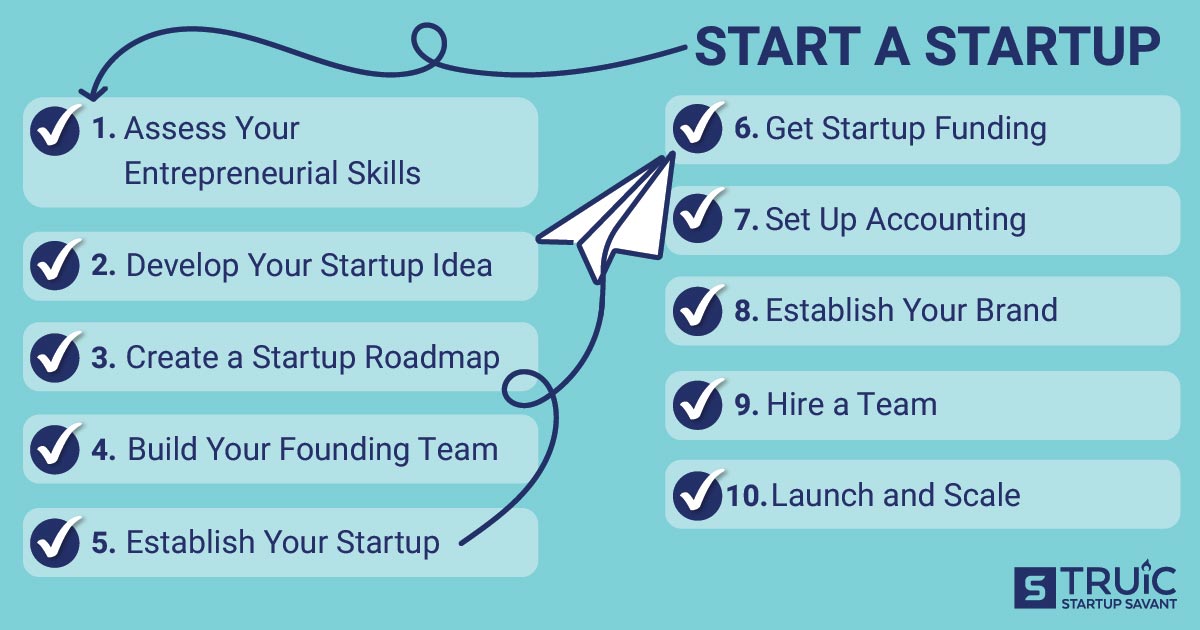
Securing initial funding is just the beginning. The long-term success of a startup hinges on its ability to generate sustainable revenue and, ultimately, profit. This involves strategic thinking about how your product or service will be priced and how multiple revenue streams can be cultivated to build a resilient financial model.
Devising Effective Pricing Strategies
Pricing is a delicate balance between perceived value, market competitiveness, and cost recovery. An effective pricing strategy ensures that your startup can cover its costs, generate profit, and remain attractive to its target customers. Common pricing models include:
- Cost-Plus Pricing: Adding a markup percentage to the cost of production. Simple but may not reflect market value.
- Value-Based Pricing: Pricing based on the perceived value to the customer, often allowing for higher margins.
- Competitive Pricing: Setting prices based on what competitors charge.
- Freemium: Offering a basic service for free and charging for premium features.
- Subscription Model: Charging recurring fees for continuous access to a product or service.
- Tiered Pricing: Offering different versions or levels of a product/service at varying price points.
The chosen pricing strategy must align with your startup’s overall business model, target market, and financial goals. Regular review and adjustment based on market feedback, customer acquisition rates, and competitor actions are essential for optimizing revenue and profitability.
Identifying and Diversifying Revenue Streams
Relying on a single revenue stream can be risky. A diversified approach to generating income provides financial stability and reduces vulnerability to market shifts or competitive pressures. While a startup may begin with a core product or service, exploring complementary revenue streams can significantly enhance its financial resilience.
Examples of diversified revenue streams include: offering premium versions of a product, providing consulting or training services related to your core offering, licensing your technology or intellectual property, developing complementary products or accessories, or even generating advertising revenue if you have a significant user base. The key is to identify revenue streams that leverage your core assets, expertise, or customer base without significantly diverting resources from your primary value proposition. This strategic expansion can provide additional capital for growth, buffer against economic downturns, and unlock new market opportunities.
Scaling for Profitability: Unit Economics and Growth
Scaling a startup from initial traction to substantial profitability requires a deep understanding of unit economics – the revenues and costs associated with a single unit of your product or service. Analyzing metrics like Customer Acquisition Cost (CAC), Customer Lifetime Value (LTV), and Average Revenue Per User (ARPU) is crucial.
- LTV:CAC Ratio: A healthy LTV:CAC ratio (typically 3:1 or higher) indicates that the revenue generated from a customer significantly outweighs the cost of acquiring them, signaling a sustainable business model.
- Gross Margin: The profit your company makes after subtracting the direct costs associated with producing and selling your products. High gross margins allow for reinvestment and cover operating expenses.
As a startup grows, optimizing these unit economics becomes paramount. This involves finding efficiencies in customer acquisition, improving customer retention to boost LTV, and refining product development to reduce COGS. Scaling profitability is not just about increasing sales; it’s about increasing sales efficiently, ensuring that each new customer or unit sold contributes positively to the bottom line, thereby creating a financially viable and scalable enterprise.
Mastering Financial Operations and Growth
Once established, a startup’s sustained success is inextricably linked to its ongoing financial management practices. This involves not only tracking money but also strategic decision-making based on robust financial data, optimizing cash flow, and planning for future financial milestones, including potential exit strategies.
Essential Financial Management Tools and Practices
Effective financial management requires discipline and the right tools. For startups, this often begins with selecting appropriate accounting software (e.g., QuickBooks, Xero, FreshBooks) to track income and expenses, generate financial reports, and facilitate tax compliance. Beyond software, establishing clear financial practices is vital:
- Regular Bookkeeping: Ensuring all transactions are recorded accurately and promptly.
- Budgeting: Developing and adhering to an operational budget to control spending.
- Expense Management: Implementing systems for tracking and approving expenditures.
- Payroll Management: Ensuring timely and accurate compensation for employees.
- Tax Compliance: Understanding and fulfilling all federal, state, and local tax obligations.
Outsourcing certain financial functions, such as bookkeeping or tax preparation, to specialized service providers can be a cost-effective solution for early-stage startups, allowing founders to focus on core business activities while ensuring financial accuracy and compliance.
Cash Flow Optimization and Working Capital Management
Cash flow is the lifeblood of any business, and for a startup, managing it effectively can be the difference between survival and failure. Even a profitable company can go bankrupt if it runs out of cash. Cash flow optimization involves strategies to maximize cash inflows and minimize outflows.
- Accelerating Receivables: Encouraging prompt payment from customers through clear invoicing, early payment discounts, or efficient collection processes.
- Managing Payables: Strategically timing payments to suppliers and vendors without damaging relationships.
- Inventory Management: Minimizing excess inventory to free up tied-up capital.
- Working Capital Management: Ensuring sufficient liquid assets (current assets minus current liabilities) to meet short-term operational needs. This often involves maintaining a healthy cash reserve.
A detailed cash flow forecast, updated regularly, provides visibility into future cash positions, allowing founders to proactively address potential shortfalls or identify opportunities for investment.
Strategic Financial Reporting and Metrics for Decision-Making
Financial statements (P&L, Balance Sheet, Cash Flow Statement) are more than just compliance documents; they are powerful tools for strategic decision-making. Regular review of these reports, alongside key performance indicators (KPIs) and financial metrics, provides actionable insights into the health and trajectory of the startup.
Beyond standard financial statements, startups should track specific metrics relevant to their business model, such as:
- Customer Acquisition Cost (CAC)
- Customer Lifetime Value (LTV)
- Monthly Recurring Revenue (MRR) or Annual Recurring Revenue (ARR)
- Churn Rate
- Gross Margin
- Burn Rate and Runway
Analyzing these metrics allows founders to assess the effectiveness of their strategies, identify areas for improvement, and make data-driven decisions regarding product development, marketing spend, pricing adjustments, and operational efficiencies. Transparent financial reporting also builds trust with investors and stakeholders.

Planning for Future Funding Rounds and Exits
Successful startups often require multiple rounds of funding to achieve their full potential, and eventually, most founders consider an “exit strategy” to realize financial returns. Planning for these milestones from a financial perspective is crucial.
Future funding rounds will necessitate updated financial models, demonstrating continued growth, reduced risk, and a clear path to profitability. Founders must understand how each funding round impacts dilution and valuation. Preparing for an exit – whether through an acquisition by a larger company or an Initial Public Offering (IPO) – involves maintaining meticulous financial records, demonstrating robust growth, and ensuring a clean and transparent financial structure. An exit strategy is not just about the final transaction; it’s about building a company that is inherently valuable and attractive to potential buyers or public markets, a value that is overwhelmingly financial.
In conclusion, while an innovative idea and a passionate team are vital, the creation and growth of a startup are fundamentally governed by financial principles. From the initial financial modeling and securing capital to building diversified revenue streams and mastering operational finance, every step in the startup journey is underscored by monetary considerations. By prioritizing financial acumen and discipline, entrepreneurs can significantly enhance their chances of building a startup that not only thrives but also achieves its ultimate financial potential.
aViewFromTheCave is a participant in the Amazon Services LLC Associates Program, an affiliate advertising program designed to provide a means for sites to earn advertising fees by advertising and linking to Amazon.com. Amazon, the Amazon logo, AmazonSupply, and the AmazonSupply logo are trademarks of Amazon.com, Inc. or its affiliates. As an Amazon Associate we earn affiliate commissions from qualifying purchases.