
Building a small company is a journey that begins long before a product is sold or a service is rendered. From a financial perspective, the creation of a business is the construction of an asset designed to generate sustainable cash flow and long-term value. While many entrepreneurs focus on the creative or operational aspects of their venture, the most successful small companies are those built on a rigorous financial foundation. To move from a concept to a viable commercial entity, one must navigate the complexities of capital acquisition, revenue modeling, tax optimization, and fiscal risk management.
Securing the Financial Foundation: Capital Acquisition and Deployment
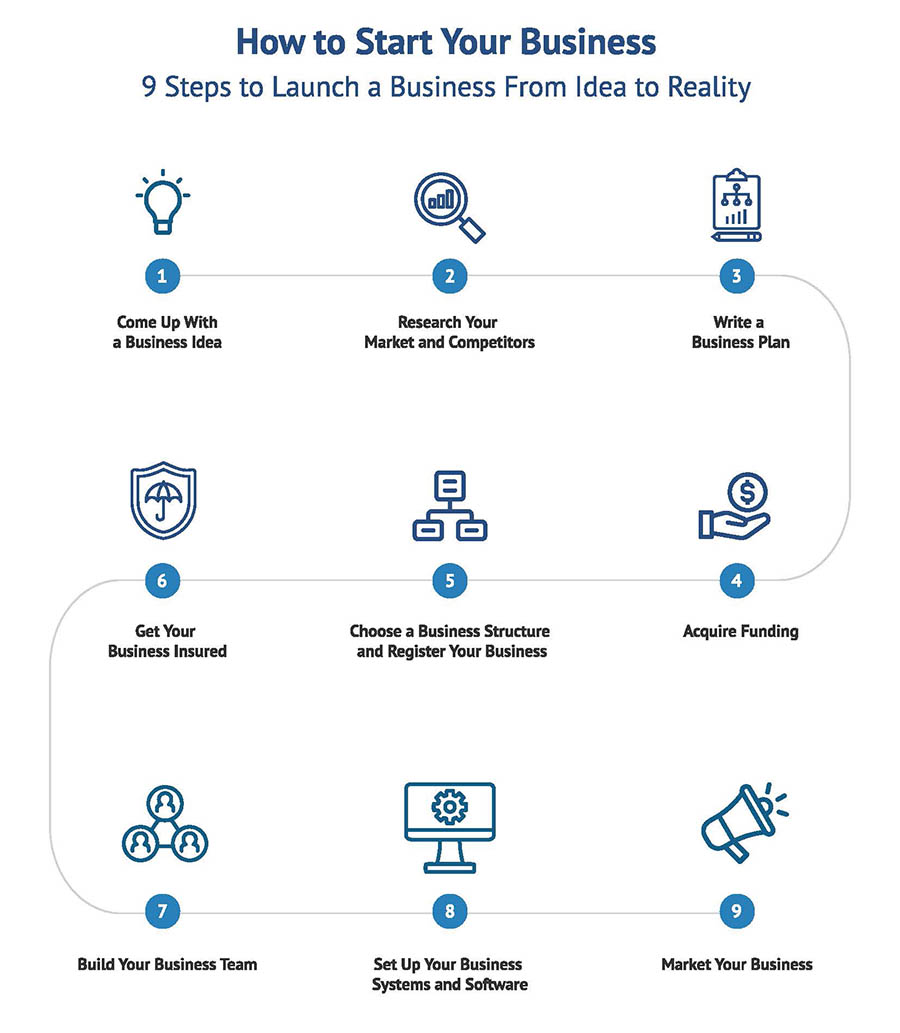
The first hurdle in creating a small company is determining how the venture will be funded. Every business requires an initial injection of capital to cover startup costs—legal fees, equipment, initial inventory, and marketing. However, the source of this capital significantly dictates the trajectory and control of the company.
Assessing Initial Capital Requirements
Before seeking funds, a founder must conduct a granular analysis of their “burn rate”—the amount of money the company will spend each month before becoming profitable. This involves distinguishing between capital expenditures (CapEx), such as machinery or long-term software licenses, and operating expenses (OpEx), such as rent, utilities, and payroll. A common mistake is underestimating the “runway” needed. A healthy financial plan typically accounts for at least six to twelve months of operating expenses held in reserve to ensure the company does not collapse during the volatile early stages of market entry.
The Bootstrapping vs. Debt vs. Equity Dilemma
There are three primary paths to funding a small company: bootstrapping, debt financing, and equity financing.
Bootstrapping involves using personal savings and early revenue to fund growth. This path allows for total ownership and control, forcing the company to become lean and efficient from day one. However, it can limit the speed of growth if the initial capital is thin.
Debt financing, often in the form of Small Business Administration (SBA) loans or lines of credit, provides immediate liquidity without giving up ownership. The trade-off is the obligation of monthly interest payments, which can strain cash flow if revenue is inconsistent.
Equity financing involves bringing in investors (angels or venture capitalists) in exchange for a percentage of the company. This provides a massive influx of cash and often strategic expertise, but it dilutes the founder’s ownership and introduces external pressure for rapid, sometimes unsustainable, scaling. Choosing the right mix depends entirely on the company’s capital intensity and the founder’s long-term exit strategy.
Revenue Engineering: Building a Profitable Business Model
A small company is not merely a provider of goods or services; it is a machine designed to convert inputs into profit. Creating a company requires “revenue engineering”—the deliberate design of how money will be made and, more importantly, how much of that money will be kept.
Mastering Unit Economics
The fundamental building block of a healthy company is strong unit economics. This is the financial performance of a single unit of sale. To calculate this, a founder must understand the relationship between Customer Acquisition Cost (CAC) and Lifetime Value (LTV).
If it costs $50 in marketing and sales efforts to acquire one customer (CAC), but that customer only generates $40 in profit over their entire relationship with the company (LTV), the business model is fundamentally broken. A successful small company aims for an LTV to CAC ratio of at least 3:1. Furthermore, understanding the Contribution Margin—the selling price per unit minus the variable cost per unit—is essential. If the contribution margin is too thin, the company will never be able to cover its fixed costs, regardless of how much it scales.
Pricing Strategies for Sustainable Margins
Pricing is often treated as a marketing decision, but it is primarily a financial one. A small company cannot compete with conglomerates on price; therefore, it must compete on value and margin. Cost-plus pricing (adding a markup to the cost of production) is a safe baseline, but value-based pricing allows for higher margins by charging based on the perceived benefit to the customer.
Founders must also account for “hidden” erosions of margin, such as payment processing fees, shipping variances, and returns. By engineering a high-margin product or service from the start, a small company creates a buffer that allows it to survive economic downturns and reinvest in its own growth without constantly seeking external infusions of cash.
Fiscal Infrastructure: Tax Efficiency and Legal Frameworks
The legal structure of a small company is the vessel through which all financial activity flows. Choosing the wrong structure can lead to unnecessary tax burdens and personal financial liability.
Navigating Business Entities and Tax Liabilities
In the United States and many other jurisdictions, the choice of entity—LLC, S-Corp, C-Corp, or Sole Proprietorship—has profound implications for how the company’s income is taxed.
A Sole Proprietorship is the simplest to start but offers no protection for personal assets against business debts. An LLC (Limited Liability Company) provides that protection while allowing for “pass-through” taxation, where profits are reported on the owner’s personal tax return. For many growing small companies, an S-Corp election can be financially advantageous; it allows owners to be treated as employees, potentially saving thousands in self-employment taxes by distributing a portion of profits as dividends rather than salary.
Effective tax planning also involves identifying deductible business expenses. Everything from home office deductions to Section 179 depreciation on equipment can significantly reduce the company’s taxable income, effectively increasing the net profit margin without increasing sales.
Implementing Rigorous Bookkeeping and Financial Controls
A company without clean books is a company flying blind. Establishing a professional accounting system using tools like QuickBooks or Xero is non-negotiable. Real-time visibility into the Balance Sheet, Income Statement (P&L), and Cash Flow Statement allows a founder to make data-driven decisions.
Financial controls—such as separating personal and business accounts, requiring dual authorization for large payments, and conducting monthly reconciliations—protect the company from fraud and clerical errors. These systems are also vital if the company ever seeks a loan or an acquisition, as lenders and buyers will require years of pristine financial records to verify the company’s valuation.
Scaling for Solvency: Managing Growth and Cash Flow
Growth is the objective of most small companies, but rapid growth is also a frequent cause of bankruptcy. This paradox occurs when a company expands its operations faster than its cash flow can support, leading to a “liquidity crunch.”
The Critical Nature of Cash Flow Management
Profit and cash are not the same thing. A company can be profitable on paper while being penniless in the bank. This happens when there is a significant gap between the time a company pays for its expenses (inventory, labor) and the time it receives payment from customers (Accounts Receivable).
To create a sustainable company, a founder must optimize the “Cash Conversion Cycle.” This can be achieved by negotiating longer payment terms with suppliers, requiring upfront deposits from customers, or offering small discounts for early payments. Managing the timing of cash inflows and outflows is what ensures the company can meet its payroll and debt obligations during periods of rapid expansion.
Reinvestment vs. Distribution
As the company begins to generate consistent profit, the founder faces a critical choice: reinvestment or distribution. Reinvestment involves putting profits back into the company to fund new equipment, hire staff, or expand marketing efforts. Distribution involves taking the profit out as personal income or dividends.
The most successful small companies maintain a disciplined “reinvestment rate.” By consistently compounding profits back into the business, the company can achieve exponential growth without the need for high-interest debt. However, a prudent founder also ensures that the company builds a “retained earnings” account—a cash reserve that acts as an internal insurance policy against market volatility.
Risk Mitigation and Long-Term Financial Health
The final stage of creating a small company is ensuring its permanence through risk management. Financial health is not just about how much money the company makes, but how well it protects what it has built.
Building Capital Reserves and Creditworthiness
A small company should strive to establish its own credit profile independent of the founder’s personal credit. By obtaining a D-U-N-S number and opening business-specific credit lines, the company can eventually qualify for lower-interest financing and better terms from vendors.
Simultaneously, the company must build an emergency fund. Conventional wisdom suggests a reserve that covers three to six months of fixed operating costs. This reserve provides the “staying power” necessary to pivot during a crisis or to capitalize on unexpected opportunities, such as a competitor’s liquidation or a sudden market shift.
Insurance and Valuation
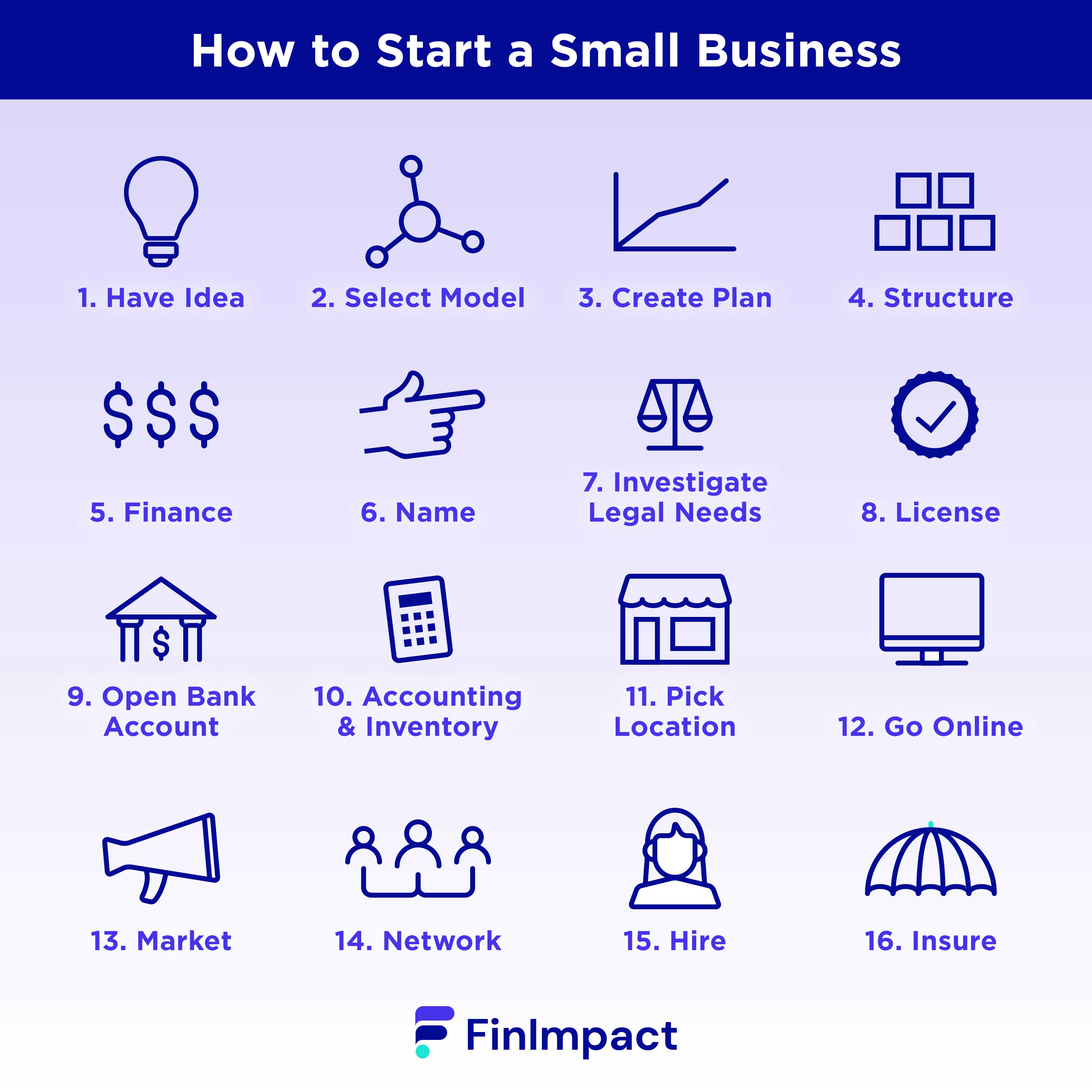
Protecting the company’s assets through comprehensive insurance—General Liability, Professional Liability, and Cyber Insurance—is a critical financial safeguard. Furthermore, a founder should always keep an eye on the company’s valuation. Even if there are no immediate plans to sell, understanding how the market values companies in your specific industry (often a multiple of EBITDA—Earnings Before Interest, Taxes, Depreciation, and Amortization) allows you to make decisions that increase the asset’s worth over time.
Creating a small company is an exercise in disciplined financial architecture. By focusing on capital efficiency, unit economics, tax strategy, and cash flow management, an entrepreneur transforms a simple idea into a robust, profit-generating machine. The strength of the company lies not in its size, but in the integrity of its financial foundations.
aViewFromTheCave is a participant in the Amazon Services LLC Associates Program, an affiliate advertising program designed to provide a means for sites to earn advertising fees by advertising and linking to Amazon.com. Amazon, the Amazon logo, AmazonSupply, and the AmazonSupply logo are trademarks of Amazon.com, Inc. or its affiliates. As an Amazon Associate we earn affiliate commissions from qualifying purchases.