
In an increasingly dynamic financial landscape, the concept of passive income has transcended a mere buzzword to become a cornerstone of long-term financial security and freedom. For many, it represents the ultimate escape from the relentless grind of traditional employment, promising a future where income generation is decoupled from the direct exchange of time for money. While the allure is undeniable, the path to establishing truly passive income streams is often misunderstood, requiring strategic planning, initial effort, and a keen understanding of various financial mechanisms. This comprehensive guide will dissect the essence of passive income, explore diverse avenues for its creation, outline essential principles for success, and provide actionable steps to embark on your journey towards financial autonomy.
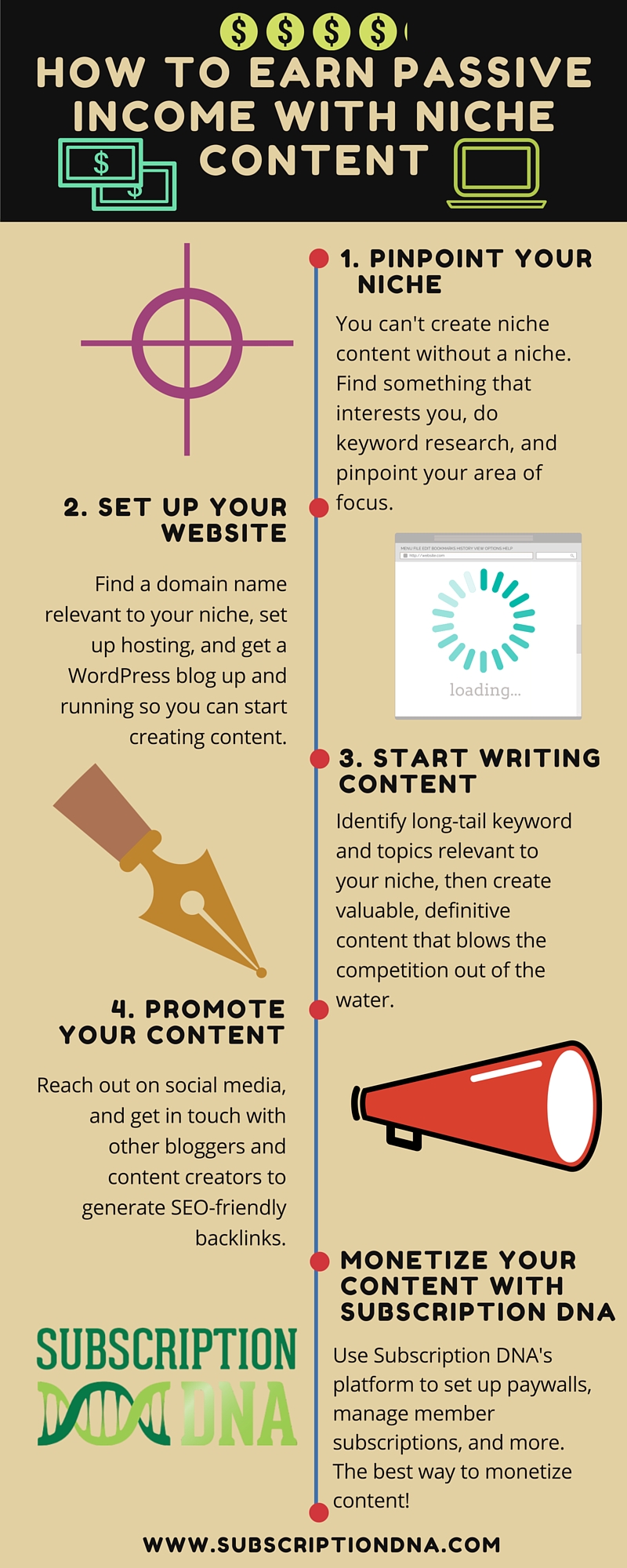
Understanding the Essence of Passive Income
At its core, passive income is earnings derived from an enterprise in which one is not actively involved. It’s often contrasted with active income, which requires continuous effort, such as a salary from a job. The goal of passive income is to build assets or systems that generate cash flow with minimal ongoing effort, freeing up time and offering greater flexibility.
Defining True Financial Freedom
Financial freedom is often perceived as having enough passive income to cover one’s living expenses, thereby eliminating the necessity of working for a paycheck. This state grants individuals the power to make life choices not dictated by financial constraints, whether that means pursuing a passion, spending more time with family, or retiring early. Passive income is not just about accumulating wealth; it’s about acquiring time and choices, fundamentally altering one’s relationship with work and money. It’s the engine that can drive personal and professional aspirations without the constant pressure of a monthly income requirement.
The Allure and Reality of Passive Income
The appeal of passive income is clear: earn money while you sleep, travel, or pursue hobbies. However, it’s crucial to distinguish between the dream and the reality. While the “passive” aspect implies minimal effort after setup, nearly all passive income streams demand significant upfront investment—be it time, money, knowledge, or a combination thereof. This initial phase involves research, development, creation, and often, sustained marketing to get the stream flowing. Misconceptions often arise from the belief that passive income is synonymous with “effortless” or “get-rich-quick” schemes, leading to disappointment for those unprepared for the foundational work. The reality is a strategic commitment that pays dividends over time.
Diverse Avenues for Generating Passive Income
The spectrum of passive income opportunities is vast, catering to various skill sets, risk tolerances, and capital availability. Identifying the right strategy often involves aligning it with one’s personal strengths and resources.
Digital Products: Monetizing Knowledge and Creativity
The digital age has opened unparalleled avenues for creators and educators to package their expertise into scalable products. Once created, these products can be sold repeatedly with little to no additional effort.
- Ebooks and Online Courses: Authors and experts can create digital books or comprehensive video courses on any topic imaginable, from cooking to coding. Platforms like Amazon Kindle Direct Publishing, Udemy, and Teachable enable creators to reach a global audience, earning royalties or a percentage of sales.
- Stock Assets (Photos, Videos, Music, Templates): Photographers, videographers, graphic designers, and musicians can upload their work to stock marketplaces (e.g., Shutterstock, Adobe Stock, Envato Market) and earn a commission each time their assets are downloaded. This creates a continuous revenue stream from a single piece of work.
- Software and Apps/Templates: Developers can create niche software solutions, mobile apps, or even website templates (e.g., WordPress themes, Shopify themes) that users purchase licenses for. The initial coding and maintenance are the primary efforts, with sales generating recurring income.
Strategic Investments: Letting Your Money Work for You
Traditional investment vehicles remain a powerful means to generate passive income, primarily through dividends, interest, or rental yields.
- Dividend Stocks: Investing in companies that regularly distribute a portion of their earnings to shareholders can provide a steady stream of income. Companies with strong balance sheets and a history of dividend payments are often preferred for this strategy.
- Real Estate (REITs, Rental Properties): While direct ownership of physical rental properties can be hands-on, it generates consistent rental income. For a more passive approach, Real Estate Investment Trusts (REITs) allow investors to own shares in companies that manage income-producing real estate without the direct responsibilities of landlordship.
- Peer-to-Peer (P2P) Lending: Platforms connect individual lenders with borrowers, allowing investors to earn interest on their loans. While it involves higher risk, the potential for higher returns can be appealing for those comfortable with the model.
Content Monetization: Building Audiences for Residual Earnings
Leveraging online content platforms can lead to significant passive income through advertising, affiliate marketing, and sponsorships.
- Affiliate Marketing: By creating a blog, website, or social media presence that reviews or recommends products, individuals can earn commissions for every sale made through their unique affiliate links. The key is to build trust with an audience who values your recommendations.
- Ad Revenue from Blogs/YouTube: Websites with high traffic can monetize through display advertising (e.g., Google AdSense). Similarly, YouTube channels with substantial viewership can earn income from ads placed on their videos. Once content is created and gains traction, it can generate revenue indefinitely.
- Sponsored Content: While often requiring some active engagement, popular content creators can secure deals with brands to feature their products or services. Once the content is live, it continues to generate exposure and can sometimes include passive royalties or ongoing payments.
Business Automation & Licensing: Scalable Models
Some business models are designed for automation, allowing them to operate with minimal owner intervention, while licensing intellectual property can generate recurring royalties.
- Vending Machines and Laundromats: These are classic examples of businesses that require an initial investment and periodic maintenance but can largely run themselves, collecting cash from transactions.
- Licensing Digital Assets/Products: Beyond direct sales, creators can license their intellectual property (e.g., software, music, designs) to other businesses or individuals for a fee or royalty, generating income without further creation.
Essential Principles for Cultivating Passive Income Streams
Regardless of the chosen method, certain fundamental principles underpin the successful creation and maintenance of passive income streams.
The Upfront Investment: Time, Capital, or Both
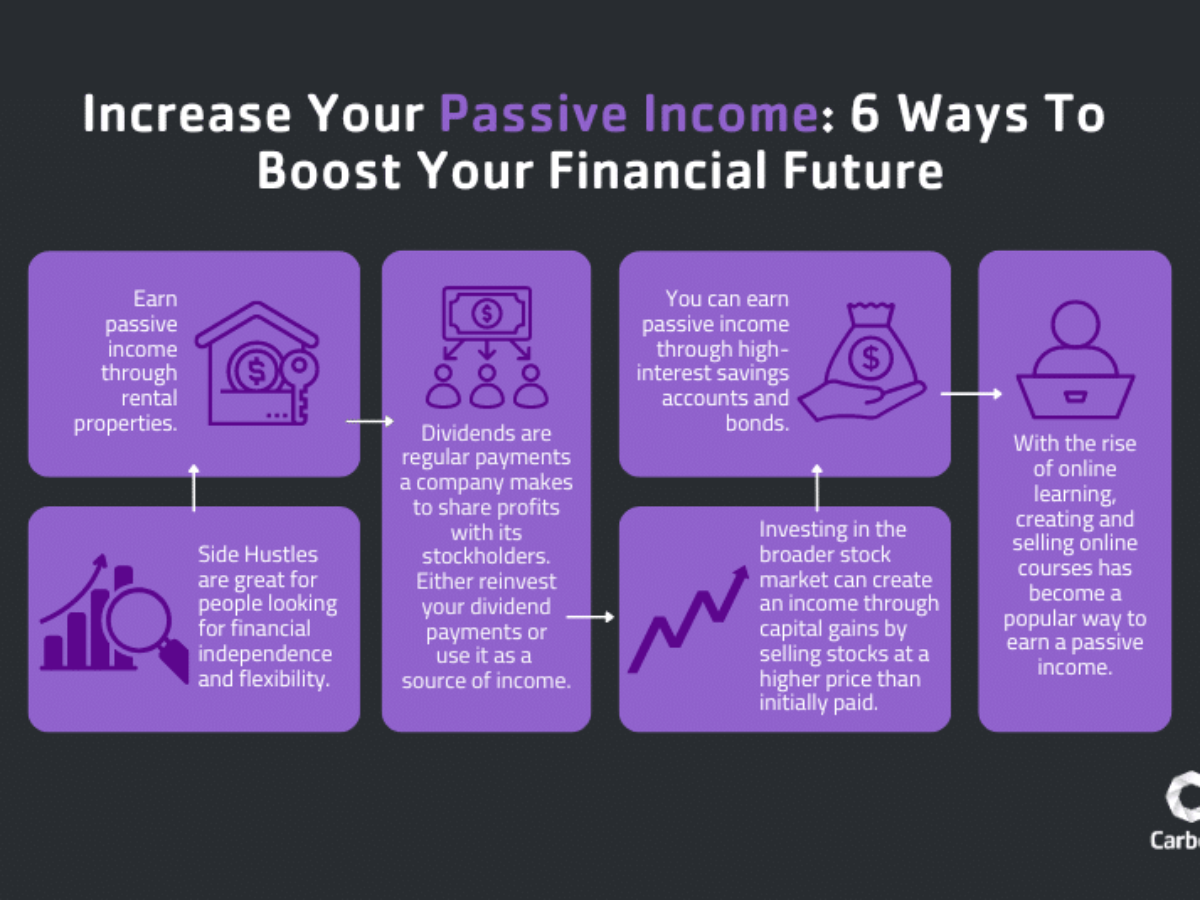
Every passive income venture demands an initial investment. For digital products, it’s primarily time and skill in creation and marketing. For real estate or investments, it’s capital. Understanding and committing to this initial outlay is critical. It’s a trade-off: significant effort now for less effort later, or significant capital now for income generation. There’s no true “something for nothing” in the world of passive income; the initial push is what builds the momentum. This could involve learning a new skill, developing a product, or meticulously researching investment opportunities.
Scalability and Automation: Keys to Long-Term Growth
For an income stream to be truly passive, it must be scalable and ideally automated. Scalability means the ability to increase output or reach without a proportional increase in effort or cost. For instance, an online course can be sold to thousands with the same effort as selling to one. Automation involves setting up systems (e.g., automated email sequences, payment processing, content scheduling) that handle recurring tasks, minimizing the need for active intervention. This is where technology plays a crucial role, transforming manual processes into self-operating systems that continue to generate revenue.
Patience, Persistence, and Continuous Optimization
Passive income is rarely an overnight success. It requires patience to allow the initial investments of time or money to mature and generate returns. Persistence is key when facing inevitable challenges or slow initial growth. Moreover, even “passive” systems benefit from occasional optimization—updating content, refining marketing strategies, rebalancing investment portfolios, or improving customer service systems. Market conditions change, algorithms evolve, and consumer preferences shift, requiring a proactive, albeit low-effort, approach to maintenance.
Actionable Steps to Launch Your Passive Income Journey
Transitioning from understanding the concepts to actively building passive income requires a structured approach.
Self-Assessment: Aligning with Skills and Resources
Begin by evaluating your strengths, passions, and available resources.
- Skills & Expertise: What do you know well? Can you teach it, write about it, or build a tool around it? (e.g., a software developer might create an app, a teacher might create an online course).
- Capital: How much money can you comfortably invest without jeopardizing your current financial stability? This will guide your choice between capital-intensive investments (like real estate) and time-intensive creative ventures.
- Risk Tolerance: Are you comfortable with volatile markets, or do you prefer more stable, albeit potentially lower-return, assets?
Choosing Your Niche and Strategy
Once you’ve assessed your profile, research potential niches that align with your capabilities and market demand.
- Market Research: Identify gaps or underserved needs in the market. What problems can your passive income product or service solve?
- Validation: Before investing heavily, test your ideas. Create a minimum viable product (MVP) or gather feedback from potential customers. This helps validate demand and refine your offering.
- Select a Strategy: Based on your assessment and market research, choose one or two passive income strategies to focus on initially. Don’t spread yourself too thin.
Starting Small and Iterating
The most effective way to begin is often to start small, learn from the process, and iterate.
- Pilot Projects: Instead of launching a full-scale online course, start with a mini-course or an ebook. For investments, begin with a smaller sum.
- Learn and Adapt: Monitor your initial results, gather feedback, and be prepared to pivot or refine your approach. The first attempt is rarely perfect, but it provides invaluable data for improvement.
- Build Momentum: Success in one small venture can provide the confidence and resources to scale up or pursue additional passive income streams.
Navigating the Challenges and Dispelling Myths
While the promise of passive income is alluring, it’s essential to approach it with a realistic mindset, understanding the challenges and common misconceptions.
The Myth of “Get Rich Quick”
One of the most damaging myths surrounding passive income is the notion that it’s a shortcut to wealth. True passive income takes time, dedication, and often significant initial capital or labor. Those who promise instant riches with no effort are often selling a dream that doesn’t materialize. Sustainable passive income is built on solid foundations, whether that’s a valuable product, a well-managed investment, or a thriving online community. It’s a strategic long-game, not a sprint.
Mitigating Risks and Diversification
Every income stream carries inherent risks. Investments can fluctuate, digital products can become outdated, and market demand can shift.
- Risk Assessment: Understand the potential downsides of your chosen passive income method. What are the worst-case scenarios, and how can you prepare for them?
- Diversification: The adage “don’t put all your eggs in one basket” is particularly relevant here. Once established, consider diversifying your passive income streams across different asset classes or product types to mitigate risks. If one stream falters, others can sustain you. This could mean having both dividend stocks and an online course, or rental income alongside affiliate marketing.

The Importance of Financial Literacy and Adaptability
The financial world is constantly evolving. Staying informed about economic trends, new technologies, and changes in regulations is crucial for maintaining and growing passive income.
- Continuous Learning: Invest in your financial education. Read books, follow reputable financial news, and learn from experts. Understanding market dynamics, tax implications, and investment strategies is vital.
- Adaptability: Be prepared to adapt your strategies as circumstances change. A passive income stream that worked well five years ago might need an overhaul today. The ability to pivot, innovate, and embrace new technologies ensures the longevity and profitability of your passive ventures.
In conclusion, creating passive income is a journey that demands foresight, discipline, and an entrepreneurial spirit. It’s not about avoiding work, but about structuring your efforts to generate lasting returns that fuel your financial independence. By understanding its true nature, exploring diverse avenues, adhering to core principles, and taking decisive action, anyone can begin to build a robust portfolio of passive income streams, transforming their financial future and unlocking a world of freedom and opportunity.
aViewFromTheCave is a participant in the Amazon Services LLC Associates Program, an affiliate advertising program designed to provide a means for sites to earn advertising fees by advertising and linking to Amazon.com. Amazon, the Amazon logo, AmazonSupply, and the AmazonSupply logo are trademarks of Amazon.com, Inc. or its affiliates. As an Amazon Associate we earn affiliate commissions from qualifying purchases.