
In an era defined by rapid economic shifts and an abundance of consumer choices, mastering personal finance has become less of a luxury and more of a necessity. At the heart of sound financial management lies the monthly budget – a strategic roadmap that empowers individuals to understand where their money comes from, where it goes, and how to direct it towards their aspirations. Far from being a restrictive exercise, budgeting is a powerful tool for achieving financial freedom, reducing stress, and building a secure future. This comprehensive guide will demystify the process of creating a monthly budget, offering actionable steps and insightful strategies to help you take control of your financial destiny.

Understanding the Indispensable Role of Budgeting
Before diving into the mechanics of budget creation, it’s crucial to grasp why budgeting is so vital. Many view budgeting as a chore, a limitation, or even a form of deprivation. However, a well-crafted budget is precisely the opposite: it’s a liberator, a clarity provider, and a stress reducer.
Gaining Financial Clarity and Control
The primary benefit of budgeting is the unparalleled clarity it offers. Without a budget, your money often feels like it’s slipping through your fingers, leaving you wondering where it all went. A budget forces you to confront your financial reality, providing a clear picture of your income and expenditures. This transparency is the first step towards true financial control. It illuminates spending patterns, highlights potential pitfalls, and reveals opportunities for saving and investment that might otherwise go unnoticed. When you know exactly where every dollar is allocated, you gain the power to make conscious decisions about your money, rather than letting your money dictate your choices.
Achieving Your Financial Goals
Every financial aspiration, from buying a home or funding a child’s education to retiring comfortably or taking that dream vacation, hinges on consistent savings and strategic spending. A monthly budget acts as the engine driving these goals. By allocating specific amounts towards savings, investments, or debt repayment, a budget transforms vague wishes into concrete plans. It provides a framework for tracking progress, celebrating milestones, and making necessary adjustments to stay on course. Without a budget, goals remain distant dreams; with one, they become tangible targets.
Reducing Financial Stress
Money worries are a leading cause of stress for many individuals and families. The uncertainty of not having enough, the fear of unexpected expenses, or the burden of mounting debt can take a significant toll on mental and emotional well-being. A budget mitigates this stress by providing a sense of preparedness and predictability. Knowing you have a plan for your income and expenses, that you’re working towards an emergency fund, and that you’re proactively managing your debt can bring immense peace of mind. It replaces anxiety with confidence, allowing you to navigate life’s financial challenges with greater resilience.
The Foundational Steps to Building Your Budget
Creating an effective monthly budget doesn’t happen overnight, nor does it require a finance degree. It starts with a commitment to understanding your financial landscape and choosing a method that resonates with your personal style.
Gathering Your Financial Information
The first practical step is to collect all relevant financial documents. This meticulous data collection is critical for an accurate budget. You’ll need:
- Income Statements: Pay stubs, freelance income records, benefit statements, or any other source of regular income for at least the past three months to get an average.
- Expense Records: Bank statements, credit card statements, utility bills (electricity, water, gas, internet), loan statements (mortgage, car, student), insurance premiums, subscription services, and receipts for variable spending. Aim for 3-6 months of data to identify recurring patterns and average costs.
This information will paint a realistic picture of your money flow, revealing both your income streams and your spending habits. Don’t skip this step; accuracy here dictates the success of your entire budgeting effort.
Choosing a Budgeting Method
There isn’t a one-size-fits-all approach to budgeting. The best method is the one you can consistently stick to. Here are a few popular options:
- The 50/30/20 Rule: A simple guideline where 50% of your after-tax income goes to Needs (housing, utilities, groceries), 30% to Wants (dining out, entertainment, hobbies), and 20% to Savings and Debt Repayment (emergency fund, investments, extra debt payments). This method offers flexibility and is great for beginners.
- Zero-Based Budgeting: Every dollar of your income is assigned a job (expense, saving, debt repayment) until your income minus your expenses equals zero. This method ensures maximum intentionality with your money and can be highly effective for those seeking granular control.
- The Envelope System: A cash-based method where you allocate physical cash into envelopes for different spending categories (e.g., “Groceries,” “Entertainment”). Once an envelope is empty, you stop spending in that category for the month. Ideal for curbing overspending in variable categories.
- Paycheck to Paycheck Budgeting (for planning, not for living): This method involves planning how each paycheck will be used before it even hits your account, ensuring all bills are covered and savings goals are met regardless of income frequency.
Choose a method that aligns with your financial personality and comfort level.
Setting Realistic Expectations
Budgeting is a journey, not a destination. It’s important to approach it with patience and a willingness to learn. Your first budget likely won’t be perfect. You might underestimate some expenses or overestimate others. The goal is progress, not perfection. Be realistic about your current spending habits and don’t try to drastically cut everything at once, as this often leads to burnout. Start by making small, sustainable changes and gradually refine your budget as you gain experience and insights.
Crafting Your Budget: Income vs. Expenses
With your financial data in hand and a method chosen, it’s time to build the actual budget. This involves a careful comparison of your total income against your total expenses, category by category.
Calculating Your Net Income
Your net income is the total amount of money you actually receive after taxes, deductions, and pre-tax contributions (like 401k contributions or health insurance premiums) have been taken out. This is the figure you’ll use for your budget. If your income fluctuates, calculate an average net income over several months, or budget for your lowest income month and treat any surplus as a bonus for savings or debt repayment. For multiple income streams, sum them up to get your total monthly net income.

Categorizing Your Expenses
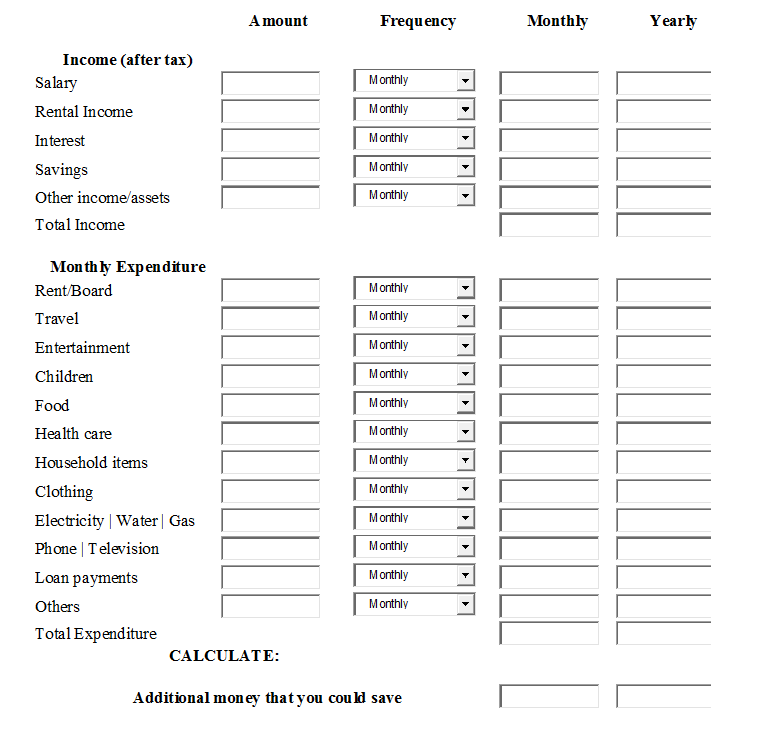
This is where the detailed work begins. Divide your expenses into clear, manageable categories. A useful framework is to distinguish between fixed and variable expenses, and needs versus wants.
- Fixed Expenses: These are expenses that typically remain the same amount each month and are difficult to change in the short term. Examples include rent/mortgage, loan payments (car, student), insurance premiums, and subscription services.
- Variable Expenses: These fluctuate from month to month and offer more flexibility for adjustment. Examples include groceries, utilities (which can vary seasonally), dining out, entertainment, clothing, and transportation (gas, public transit).
- Needs vs. Wants: This distinction is crucial for identifying areas to cut back. Needs are essential for living (housing, basic food, utilities, essential transportation). Wants are discretionary items that improve your quality of life but aren’t strictly necessary (entertainment, dining out, premium subscriptions, luxury items).
List out all your expenses under these categories, assigning an estimated monthly cost to each based on your collected data.
Identifying Areas for Optimization
Once you have a clear picture of your income and expenses, compare the two. Ideally, your income should be greater than your expenses, leaving a surplus for savings and investments. If your expenses exceed your income, or if you have very little left over, it’s time to find areas for optimization.
- Review Variable Expenses First: These are usually the easiest to adjust. Can you reduce dining out, cut back on subscriptions you rarely use, or find cheaper alternatives for entertainment?
- Scrutinize Fixed Expenses (Long-term): While harder to change immediately, consider long-term strategies. Could you refinance a loan, negotiate lower insurance premiums, or even consider a more affordable living situation if your housing costs are too high?
- Prioritize Debt Repayment: If you have high-interest debt, consider allocating more towards it to free up future cash flow.
- Boost Your Income: While not strictly part of budgeting, sometimes the best way to balance the equation is to increase your earnings through a side hustle, negotiating a raise, or finding additional work.
Making Your Budget Work: Tracking, Adjusting, and Staying Accountable
Creating the budget is only half the battle; the real work lies in making it a living document that guides your financial decisions every day.
Monitoring Your Spending Regularly
A budget is useless if you don’t track your actual spending against your planned allocations.
- Daily or Weekly Check-ins: Dedicate a few minutes each day or week to review your transactions. This helps you stay aware of your progress and catch overspending early.
- Use Tools: Whether it’s a simple spreadsheet, a dedicated budgeting app (like Mint, YNAB, Personal Capital), or manually updating your paper ledger, choose a method that makes tracking easy and accessible for you.
Consistent tracking is the feedback loop that tells you if your budget is working and where you might need to course-correct.
Reviewing and Adjusting Your Budget Periodically
Life is dynamic, and so should your budget be. Major life events (job change, marriage, new child, home purchase) will necessitate a complete overhaul, but even without such events, a monthly or quarterly review is essential.
- Monthly Reconciliation: At the end of each month, compare your actual income and expenses to your budgeted figures. Where did you overspend? Where did you underspend?
- Identify Trends: Are there recurring patterns of overspending in certain categories? This might indicate an unrealistic budget allocation or a habit that needs addressing.
- Make Adjustments: Based on your review, adjust your categories and allocations for the next month. Perhaps you need to increase your grocery budget and cut back on entertainment, or vice versa. Don’t be afraid to experiment until your budget feels comfortable and effective.
Building an Emergency Fund
One of the most critical components of financial stability, often facilitated by a robust budget, is an emergency fund. This is a dedicated savings account designed to cover 3-6 months of essential living expenses in case of unexpected events like job loss, medical emergencies, or significant home repairs. Your budget should explicitly include a line item for contributions to this fund until it reaches your desired level. An emergency fund acts as a financial buffer, preventing you from going into debt when unforeseen circumstances arise.
Advanced Budgeting Strategies and Tools
Once you’ve mastered the basics, you can elevate your budgeting game with more sophisticated strategies and leveraging modern financial tools.
Automating Your Savings and Bill Payments
One of the most effective ways to ensure consistency in your financial plan is through automation.
- Automate Savings: Set up automatic transfers from your checking account to your savings, investment, and emergency fund accounts immediately after your paycheck arrives. “Pay yourself first” ensures that savings are prioritized rather than being an afterthought.
- Automate Bill Payments: Enroll in auto-pay for your fixed monthly bills (mortgage, loans, utilities, subscriptions). This prevents late fees and ensures your essential expenses are always covered, streamlining your financial management.
Leveraging Financial Technology
The digital age offers a plethora of tools designed to simplify and enhance budgeting.
- Budgeting Apps: Apps like YNAB (You Need A Budget), Mint, Personal Capital, or even specialized banking apps can link to your bank accounts and credit cards, automatically categorizing transactions and providing real-time insights into your spending. They often include goal-setting features, net worth tracking, and customizable reports.
- Spreadsheet Templates: For those who prefer a hands-on approach, robust spreadsheet templates (Excel, Google Sheets) allow for complete customization and can be highly effective for detailed tracking and analysis.
- Investment Platforms: As your budget frees up more funds, explore online investment platforms that can help you grow your wealth passively.
The Power of Financial Education and Continuous Learning
Budgeting is not just about numbers; it’s about developing a financial mindset. Continuously educating yourself about personal finance can significantly enhance your budgeting effectiveness.
- Read Books and Articles: Explore resources on investing, debt management, wealth building, and behavioral finance.
- Attend Webinars/Workshops: Many financial institutions and non-profits offer free educational opportunities.
- Learn from Others: Join online communities or local groups focused on personal finance to share experiences and gain new perspectives.
The more you understand the principles of money management, the better equipped you will be to make informed decisions, optimize your budget, and ultimately achieve lasting financial security.
Conclusion
Creating a monthly budget is an act of empowerment. It transforms abstract numbers into a concrete plan for a more secure and prosperous future. While the initial steps may seem daunting, the clarity, control, and peace of mind that a well-executed budget provides are invaluable. By understanding its importance, diligently gathering your financial data, choosing a suitable method, consistently tracking your progress, and making regular adjustments, you will not only create a budget but also cultivate a powerful habit of financial mindfulness. Embrace the process, be patient with yourself, and watch as your monthly budget becomes the cornerstone of your journey towards financial freedom and achieving your most cherished goals.
aViewFromTheCave is a participant in the Amazon Services LLC Associates Program, an affiliate advertising program designed to provide a means for sites to earn advertising fees by advertising and linking to Amazon.com. Amazon, the Amazon logo, AmazonSupply, and the AmazonSupply logo are trademarks of Amazon.com, Inc. or its affiliates. As an Amazon Associate we earn affiliate commissions from qualifying purchases.