
In an increasingly complex world, financial planning is no longer a luxury but a fundamental necessity. It’s the compass that guides your economic journey, transforming vague aspirations into tangible realities. Far more comprehensive than a simple budget, a financial plan is a strategic roadmap designed to help you manage your money, achieve your financial goals, and secure your long-term well-being. This guide will walk you through the essential steps to construct a personalized and effective financial plan, empowering you to take control of your financial destiny.
1. The Indispensable Value of a Financial Plan
Many people approach their finances reactively, addressing expenses and income as they arise. A financial plan, however, encourages a proactive stance, laying a strategic foundation for every financial decision. It shifts your perspective from mere survival to intentional growth and security.
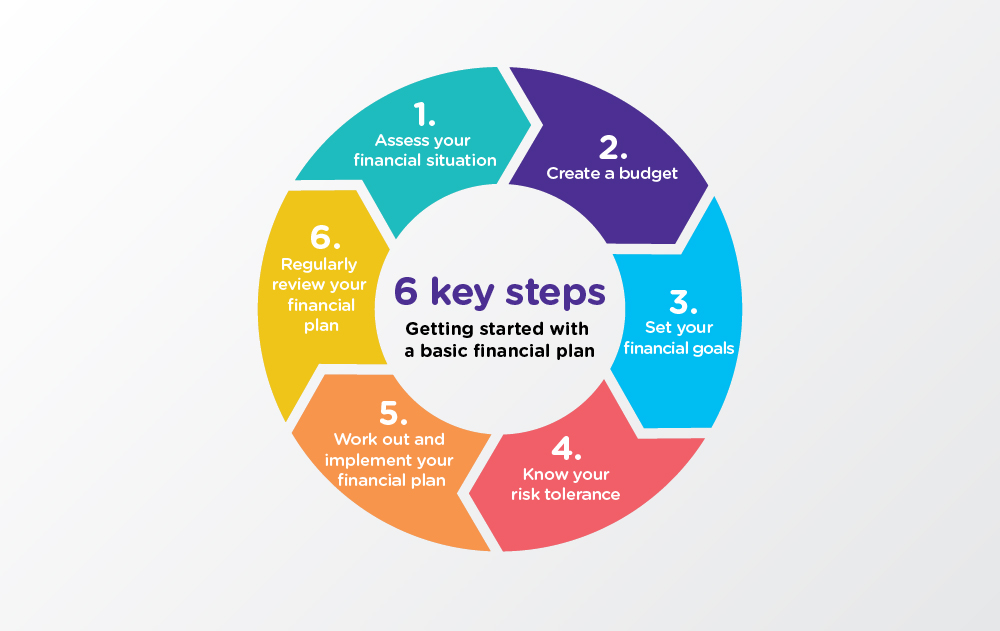
More Than Just a Budget: A Roadmap to Your Future
While budgeting is a crucial component of financial planning, it’s just one piece of a much larger puzzle. A budget focuses on the short-term allocation of income and expenses. A financial plan, in contrast, takes a holistic view, encompassing everything from your current cash flow and debt obligations to long-term investment strategies, retirement savings, estate planning, and risk management through insurance. It’s a dynamic document that evolves with your life, reflecting your changing circumstances, goals, and values. It helps you understand the interplay between your daily spending habits and your distant dreams, ensuring that today’s actions support tomorrow’s ambitions.
Key Benefits: From Stress Reduction to Wealth Accumulation
The advantages of having a well-defined financial plan are manifold and profound. Firstly, it offers unparalleled clarity and control over your financial life. When you know where your money is going and what it’s working towards, financial anxiety often dissipates, replaced by a sense of empowerment. Secondly, it provides a structured pathway to achieve significant life goals, whether that’s buying a home, funding a child’s education, starting a business, or retiring comfortably. Without a plan, these milestones can feel unattainable. Thirdly, a robust plan facilitates wealth accumulation by optimizing saving and investment strategies, ensuring your money works harder for you. Finally, it builds resilience, preparing you for unexpected challenges such as job loss, medical emergencies, or market downturns, safeguarding your financial stability.
2. Defining Your Financial North Star: Setting Clear Goals
The cornerstone of any effective financial plan is the articulation of clear, measurable goals. Without a destination, any road will do, but with specific goals, you can chart the most efficient and direct course.
Categorizing Goals: Short, Medium, and Long-Term Aspirations
Financial goals aren’t one-size-fits-all; they typically span different time horizons, each requiring a distinct approach.
- Short-Term Goals (1-3 years): These are immediate objectives like building an emergency fund (typically 3-6 months of living expenses), paying off high-interest credit card debt, saving for a vacation, or making a significant purchase (e.g., new appliance, car down payment).
- Medium-Term Goals (3-10 years): These include saving for a down payment on a house, funding a child’s private school tuition for a few years, pursuing further education or career training, or paying off student loans.
- Long-Term Goals (10+ years): This category usually features the most significant aspirations, such as retirement planning, financing a child’s college education, paying off a mortgage, or establishing a legacy.
The SMART Framework: Making Goals Achievable
To maximize your chances of success, frame your goals using the SMART criteria:
- Specific: Clearly define what you want to achieve. Instead of “save money,” say “save $10,000 for a down payment.”
- Measurable: Quantify your goals so you can track progress. “Save $200 per month” is measurable.
- Achievable: Ensure your goals are realistic given your income and current financial situation. While ambitious goals are good, unachievable ones lead to demotivation.
- Relevant: Your goals should align with your broader life values and long-term aspirations. Why is this goal important to you?
- Time-bound: Set a deadline for each goal. “Save $10,000 for a down payment by December 31, 2026.”
Prioritization: What Matters Most, Now and Later
Once you’ve listed your goals, you’ll likely find you have many. It’s critical to prioritize them, as you may not have the resources to pursue all of them simultaneously. Consider factors like urgency, importance, and potential financial impact. For instance, building an emergency fund often takes precedence over investing for retirement initially, as it provides a crucial safety net. High-interest debt repayment should also be high on the priority list due to its corrosive effect on wealth. Prioritization helps you allocate your resources effectively and make informed trade-offs when necessary.
3. Unveiling Your Current Financial Reality: A Comprehensive Snapshot
Before you can plot a course to your desired future, you must first understand your current position. This step involves a thorough audit of your assets, liabilities, income, and expenses to create a clear snapshot of your financial health.
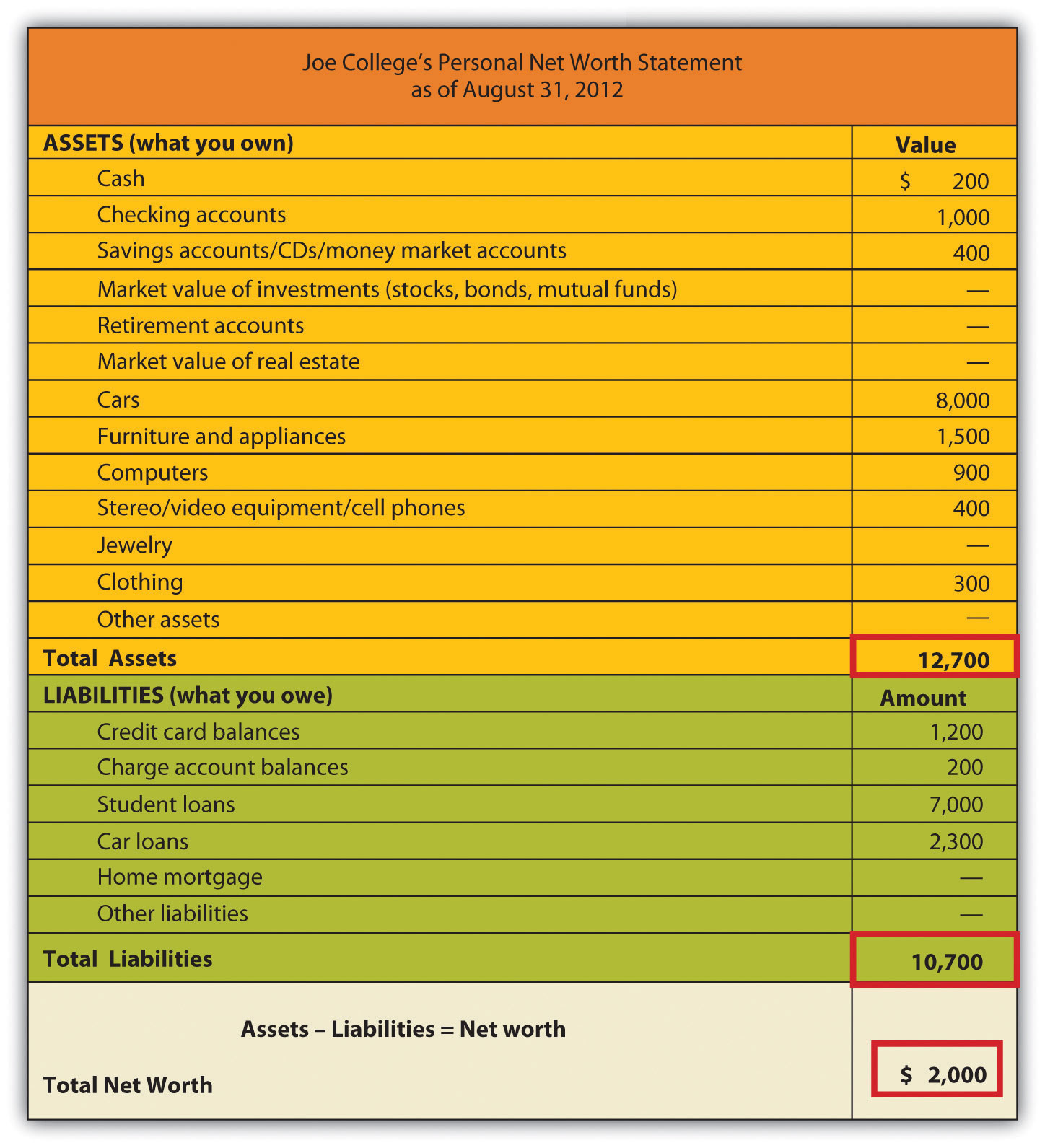
Calculating Your Net Worth: Assets Minus Liabilities
Your net worth is a fundamental indicator of your financial health. It’s calculated by subtracting your total liabilities (what you owe) from your total assets (what you own).
- Assets include cash in bank accounts, investments (stocks, bonds, mutual funds, retirement accounts), real estate (primary residence, investment properties), vehicles, and other valuable possessions.
- Liabilities encompass mortgages, student loans, car loans, credit card debt, personal loans, and any other outstanding debts.
Tracking your net worth over time provides a powerful metric of your financial progress. A positive and growing net worth signifies increasing wealth.
Analyzing Income Streams: Every Dollar In
List all sources of income, both regular and irregular. This includes your salary, bonuses, freelance earnings, rental income, investment dividends, and any other money flowing into your household. Understanding your total monthly and annual income is crucial for budgeting and planning your savings and investments. Don’t forget to account for net income (after taxes and deductions) when planning for everyday expenses.
Tracking Expenditures: Where Does Your Money Go?
This is often the most revealing, and sometimes humbling, part of the process. For at least one to three months, meticulously track every dollar you spend. Categorize your expenses into:
- Fixed Expenses: These are predictable and generally remain the same each month (e.g., rent/mortgage, loan payments, insurance premiums, subscriptions).
- Variable Expenses: These fluctuate month-to-month (e.g., groceries, utilities, entertainment, dining out, clothing).
Identifying where your money goes is essential for identifying areas where you can cut back and reallocate funds towards your financial goals. Many people are surprised to discover how much they spend on non-essential items.
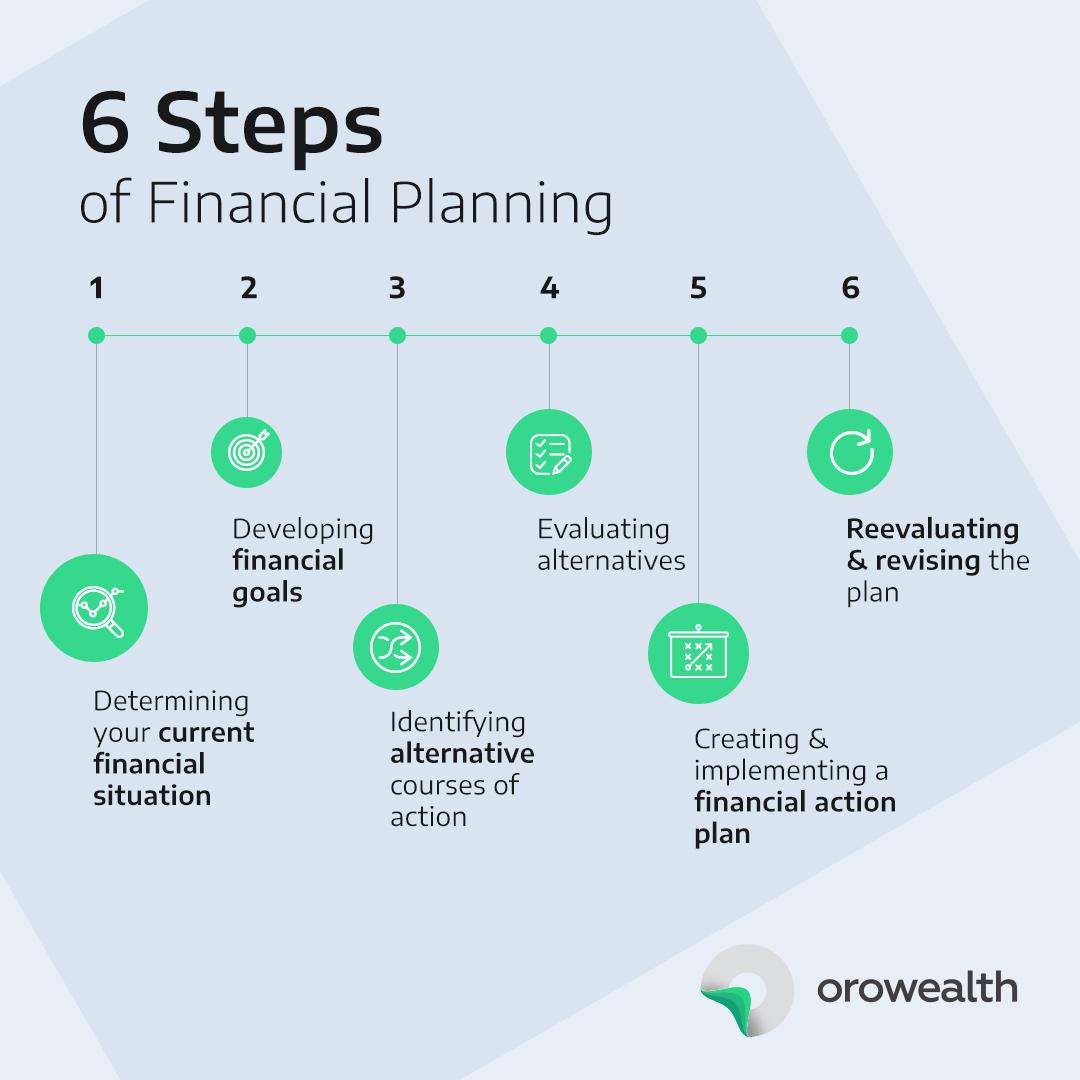
Understanding Your Debt Profile: Good Debt vs. Bad Debt
Not all debt is created equal.
- Good Debt typically has a low interest rate and is used to acquire an appreciating asset or to improve your earning potential (e.g., a mortgage on a home that gains value, student loans for a valuable education).
- Bad Debt usually carries high interest rates and is used for depreciating assets or consumption (e.g., credit card debt, personal loans for luxury items).
Detail your debts, including the lender, outstanding balance, interest rate, and minimum monthly payment. This clarity is vital for developing a strategic debt repayment plan.
4. Crafting Your Strategic Blueprint: Actionable Steps for Growth
With your goals set and your current financial reality understood, it’s time to design the actionable strategies that will bridge the gap between where you are and where you want to be.
Mastering the Art of Budgeting: Allocating Your Resources Wisely
A budget is your spending plan. It assigns a purpose to every dollar you earn, ensuring that your money is working towards your goals rather than disappearing aimlessly. Popular budgeting methods include:
- The 50/30/20 Rule: 50% of your income for needs, 30% for wants, and 20% for savings and debt repayment.
- Zero-Based Budgeting: Every dollar is assigned a job, so your income minus expenses equals zero.
- Envelope System: A cash-based system where money for different categories is physically put into envelopes.
Choose a method that resonates with you and stick to it consistently.
Building a Robust Emergency Fund: Your Financial Safety Net
Before embarking on significant investments, prioritize building an emergency fund. This liquid savings account should hold enough money to cover 3 to 6 months (or even 12 months, depending on your job security and dependents) of essential living expenses. It acts as a buffer against unexpected events like job loss, medical emergencies, or car repairs, preventing you from going into debt or derailing your long-term plans.
Smart Debt Management: Prioritizing Repayment
Developing a clear strategy for debt repayment is paramount. Two popular methods are:
- Debt Snowball Method: Pay off the smallest debt first, regardless of interest rate, then roll that payment into the next smallest. This method provides psychological wins.
- Debt Avalanche Method: Pay off the debt with the highest interest rate first, then move to the next highest. This method saves you the most money on interest.
Choose the method that motivates you most and consistently make payments, aiming to exceed minimums whenever possible, especially on high-interest debts.
Strategic Investing: Growing Your Wealth Over Time
Once your emergency fund is solid and high-interest debt is under control, begin or ramp up your investing efforts. Investing is key to wealth creation over the long term, leveraging the power of compounding.
- Understand Your Risk Tolerance: How much risk are you comfortable taking with your money? This influences your asset allocation.
- Diversification: Don’t put all your eggs in one basket. Spread your investments across different asset classes (stocks, bonds, real estate), industries, and geographies.
- Utilize Retirement Accounts: Maximize contributions to tax-advantaged accounts like 401(k)s, IRAs, and Roth IRAs.
- Consider Investment Vehicles: Explore options like mutual funds, exchange-traded funds (ETFs), individual stocks, and bonds based on your goals and risk profile. For those less familiar, robo-advisors offer automated, low-cost investment management.
Protecting Your Future: Insurance and Estate Planning
Risk management is an often-overlooked, yet crucial, component of a comprehensive financial plan.
- Insurance: Protect yourself and your assets with adequate insurance coverage. This includes health insurance, life insurance (especially if you have dependents), disability insurance, homeowner’s/renter’s insurance, and auto insurance.
- Estate Planning: While often associated with the wealthy, basic estate planning is essential for everyone. This involves creating a will to dictate how your assets should be distributed, designating beneficiaries for your accounts, and potentially setting up powers of attorney for financial and healthcare decisions.
5. The Dynamic Journey: Monitoring, Adjusting, and Seeking Guidance
A financial plan is not a static document; it’s a living blueprint that requires regular review and adaptation. Life is full of changes, and your financial strategy must evolve alongside them.
Regular Reviews: Keeping Your Plan Aligned with Life
Schedule regular check-ins with your financial plan, ideally quarterly or at least annually. During these reviews:
- Assess your progress towards goals.
- Compare your actual spending against your budget.
- Review your investment performance.
- Ensure your insurance coverage is still adequate.
- Update any changes to your income or expenses.
These reviews help you identify areas where you’re off track and make necessary corrections.
Adapting to Life Changes: Flexibility is Key
Life is unpredictable. Major life events like marriage, divorce, birth of a child, job loss or career change, buying a new home, or caring for aging parents will inevitably impact your financial situation and goals. Your financial plan must be flexible enough to accommodate these changes. Be prepared to revisit and revise your strategies in response to new circumstances. What was a priority last year might need to shift this year.
Leveraging Financial Tools: Technology at Your Service
The digital age offers a plethora of tools to simplify financial planning. Budgeting apps (e.g., Mint, YNAB), investment platforms, and robo-advisors can help you track spending, monitor investments, and automate savings. These tools can provide valuable insights and streamline the management of your finances, making it easier to stick to your plan. However, remember that tools are only as effective as the strategy behind them.
When to Seek Professional Expertise: The Value of a Financial Advisor
While this guide provides a solid framework, complex financial situations may warrant professional assistance. Consider consulting a qualified financial advisor if you:
- Have substantial assets or complex investments.
- Are approaching retirement and need a comprehensive withdrawal strategy.
- Are dealing with significant life changes (e.g., inheritance, divorce).
- Lack the time, expertise, or confidence to manage your finances independently.
A good financial advisor can offer personalized guidance, identify blind spots, and help you create a more sophisticated and tax-efficient plan tailored to your unique circumstances. Ensure they are a fiduciary, meaning they are legally bound to act in your best interest.
Creating a financial plan is an empowering journey that demands discipline, foresight, and adaptability. It’s an ongoing process, not a one-time event. By diligently setting goals, understanding your current financial state, implementing strategic actions, and regularly reviewing your progress, you can build a robust framework that supports your financial aspirations and provides peace of mind, paving the way for a more secure and prosperous future.
aViewFromTheCave is a participant in the Amazon Services LLC Associates Program, an affiliate advertising program designed to provide a means for sites to earn advertising fees by advertising and linking to Amazon.com. Amazon, the Amazon logo, AmazonSupply, and the AmazonSupply logo are trademarks of Amazon.com, Inc. or its affiliates. As an Amazon Associate we earn affiliate commissions from qualifying purchases.