
The digital revolution of the 21st century has unleashed a plethora of innovations, few as transformative and discussed as cryptocurrency. Beyond the headlines of price volatility and market speculation, lies a fascinating technological construct: the blockchain. For developers, entrepreneurs, and visionaries alike, the prospect of creating a bespoke digital currency is compelling, offering a unique opportunity to design decentralized systems, financial instruments, or novel utility tokens. This guide delves into the intricate technical journey of bringing a cryptocurrency to life, strictly adhering to the technological underpinnings and development methodologies involved.
Understanding the Foundational Technology
Before embarking on the creation of a cryptocurrency, a robust understanding of the underlying technologies is paramount. Cryptocurrencies are, at their core, applications of distributed ledger technology (DLT), primarily blockchain. Grasping these foundational concepts is the first, crucial step in architecting a successful digital asset.
The Core Concept of Blockchain
A blockchain is a decentralized, distributed, and immutable ledger that records transactions across a network of computers. Each “block” contains a timestamped batch of valid transactions, and once recorded, it cannot be altered. These blocks are linked together cryptographically, forming a continuous chain. This structure ensures transparency, security, and resistance to tampering. Key components include cryptographic hashing, which ensures data integrity, and peer-to-peer networking, which enables decentralized communication and consensus among participants. Understanding how data is stored, validated, and propagated across a decentralized network is fundamental to designing your own blockchain or token.
Consensus Mechanisms Explained
Consensus mechanisms are the algorithms that allow all nodes in a distributed network to agree on the current state of the ledger, preventing fraudulent transactions and ensuring the integrity of the blockchain. Without a central authority, these mechanisms are vital for maintaining trust and security.
- Proof of Work (PoW): Pioneered by Bitcoin, PoW requires “miners” to solve complex computational puzzles to validate new blocks. This process is energy-intensive but offers robust security by making it economically unfeasible for a single entity to control the network.
- Proof of Stake (PoS): In PoS, validators are chosen to create new blocks based on the amount of cryptocurrency they “stake” as collateral. This mechanism is generally more energy-efficient than PoW and aims to incentivize good behavior, as validators risk losing their staked assets if they act maliciously.
- Delegated Proof of Stake (DPoS): An evolution of PoS, DPoS allows token holders to vote for a limited number of delegates (witnesses or block producers) who are responsible for validating transactions and creating blocks. This can lead to faster transaction times but introduces a degree of centralization.
Selecting the appropriate consensus mechanism for your cryptocurrency will heavily influence its security, scalability, and decentralization properties. It requires careful consideration of trade-offs relevant to your project’s goals.
Smart Contracts: The Automation Layer
Smart contracts are self-executing contracts with the terms of the agreement directly written into lines of code. They run on a blockchain, meaning they are immutable and transparent. These contracts automatically execute actions when specific conditions are met, eliminating the need for intermediaries. For instance, a smart contract can automatically release funds to a seller once a buyer confirms receipt of goods. Ethereum popularized smart contracts, enabling the creation of decentralized applications (dApps) and a vast array of tokens. For many new cryptocurrencies, particularly utility tokens or those built on existing platforms, smart contracts are the primary mechanism for defining token logic, managing supply, and enabling various functionalities.
Choosing Your Development Path
With a firm grasp of blockchain fundamentals, the next critical decision involves the development path. This choice largely dictates the complexity, resources required, and the level of customization possible for your cryptocurrency.
Building from Scratch: A Deep Dive into Blockchain Architecture
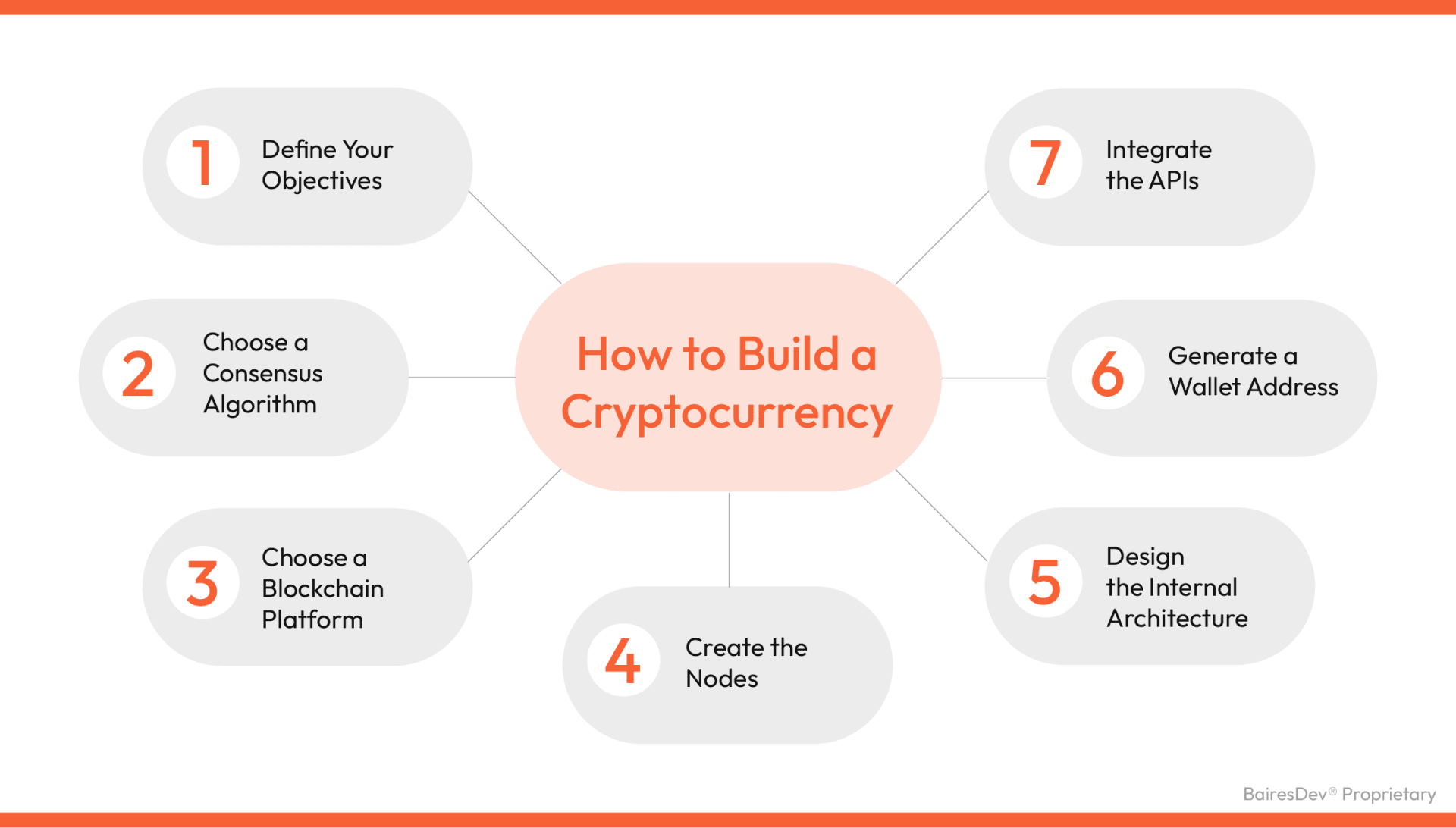
Creating a cryptocurrency from scratch involves developing an entirely new blockchain network. This is the most technically demanding and resource-intensive path, akin to building an operating system from the ground up. It entails:
- Designing the Core Protocol: Defining how nodes communicate, how transactions are structured, and how blocks are validated.
- Implementing a Consensus Mechanism: Writing the code for PoW, PoS, or another chosen mechanism.
- Developing Cryptographic Primitives: Integrating secure hashing algorithms and digital signature schemes.
- Building Network Infrastructure: Creating wallet software, explorers, and tools for node operators.
- Coding the Blockchain Client: The software that runs on each node, managing the ledger, validating transactions, and participating in consensus.
This path offers ultimate control and customization, allowing for novel features and optimizations specific to your project. However, it requires a highly skilled team of blockchain architects, cryptographers, and software engineers, along with significant time and financial investment. Projects choosing this route typically aim to solve fundamental problems with existing blockchains or introduce groundbreaking new functionalities.
Leveraging Existing Blockchain Platforms (e.g., Ethereum, Solana, BSC)
A more common and accessible approach for creating a cryptocurrency is to build it on an existing blockchain platform. These platforms provide a robust, secure, and established infrastructure, allowing developers to focus on the token’s specific utility and smart contract logic rather than reinventing the entire blockchain.
- Ethereum: The pioneer of smart contracts, Ethereum is a popular choice due to its mature ecosystem, vast developer community, and the flexibility of its Solidity programming language. It’s ideal for complex dApps and intricate token functionalities.
- Solana: Known for its high throughput and low transaction fees, Solana is suitable for applications requiring speed and scalability, such as gaming, DeFi, and NFTs.
- Binance Smart Chain (BSC): Offering EVM (Ethereum Virtual Machine) compatibility and lower fees than Ethereum (though typically more centralized), BSC is often chosen for projects seeking faster transactions and ease of migration from Ethereum-based dApps.
- Polygon, Avalanche, Polkadot, etc.: Numerous other Layer 1 and Layer 2 solutions offer varying trade-offs in terms of scalability, security, decentralization, and developer experience.
Choosing an existing platform drastically reduces development time and costs, as much of the underlying blockchain technology is already in place and battle-tested. It also provides immediate access to existing network effects, user bases, and development tools.
Utilizing Token Standards (ERC-20, BEP-20)
When building on an existing blockchain, particularly Ethereum-compatible ones, token standards become crucial. These are technical specifications that define a common set of rules for tokens issued on that blockchain. Adhering to these standards ensures interoperability with wallets, exchanges, and other dApps within the ecosystem.
- ERC-20 (Ethereum Request for Comment 20): This is the most widely adopted standard for fungible tokens on the Ethereum blockchain. An ERC-20 token contract includes functions for transferring tokens, checking balances, and approving transfers by third parties. Most utility tokens, stablecoins, and many altcoins are ERC-20 compliant.
- BEP-20 (Binance Smart Chain Evolution Proposal 20): BEP-20 is the token standard on Binance Smart Chain, largely mimicking the functionality of ERC-20. This compatibility allows for relatively easy migration and interoperability between the Ethereum and BSC ecosystems.
- ERC-721/ERC-1155: These standards are for non-fungible tokens (NFTs), representing unique digital assets. While not for creating a “currency” in the traditional sense, understanding them is crucial if your project involves unique digital collectibles or in-game assets.
Using these standards simplifies development and ensures that your cryptocurrency can seamlessly integrate into the broader crypto ecosystem. It’s essentially “plug-and-play” for token functionality, allowing developers to focus on the unique value proposition of their token.
Technical Design and Implementation
Once the foundational understanding is solid and the development path chosen, the actual technical design and implementation phase begins. This involves meticulous planning, coding, and rigorous testing.
Defining Your Cryptocurrency’s Utility and Tokenomics
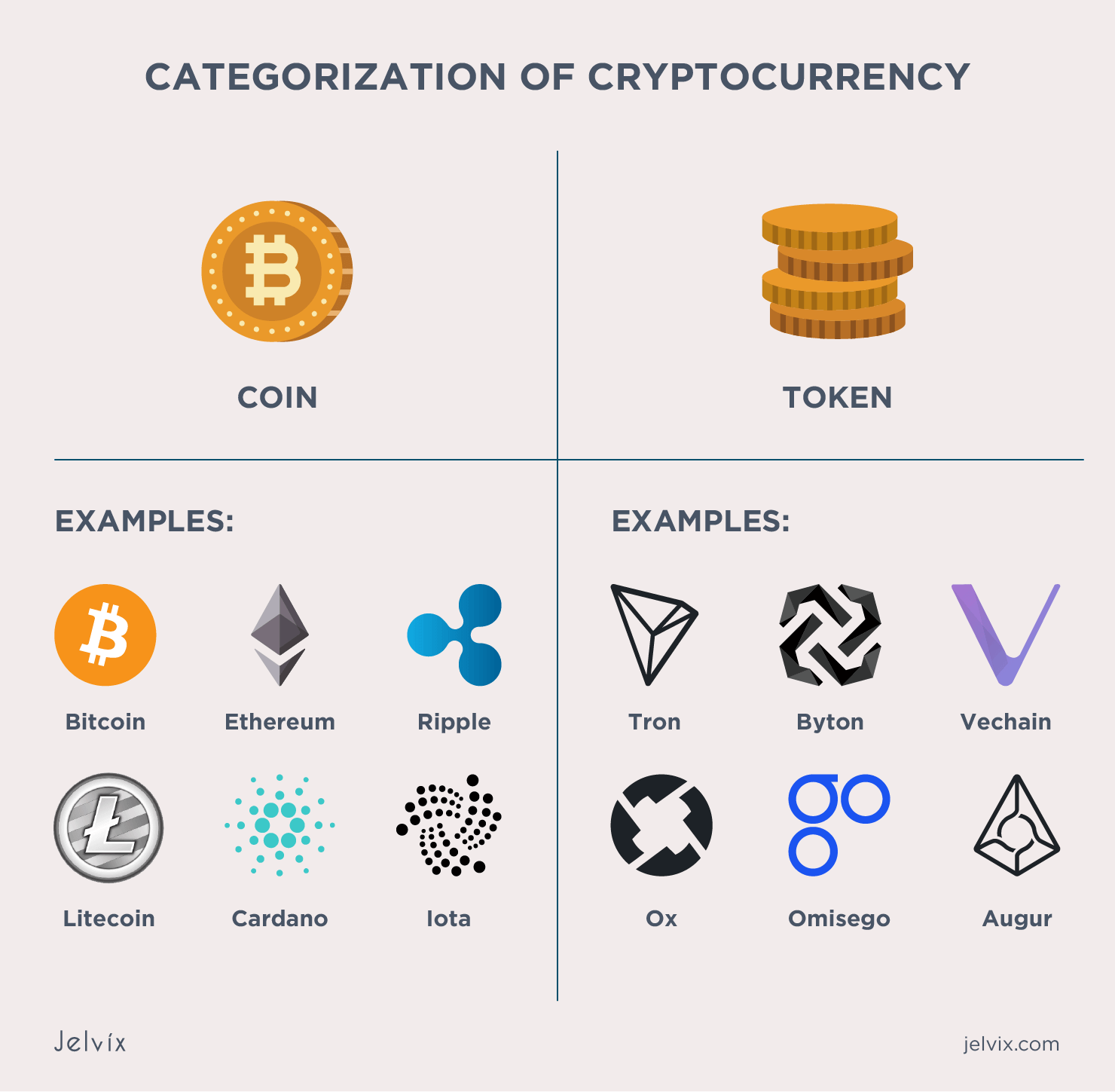
Before writing a single line of code, clearly define what your cryptocurrency does. Is it a medium of exchange, a governance token, a utility token granting access to a service, or a store of value? This utility will heavily influence its tokenomics – the economic model governing the token’s creation, distribution, supply, and use.
- Total Supply: Will it have a fixed supply (like Bitcoin) or an inflationary/deflationary model?
- Distribution Method: How will tokens be initially distributed? (e.g., ICO, airdrop, mining, staking rewards, team allocation).
- Vesting Schedules: If tokens are allocated to the team or early investors, what are the lock-up periods and release schedules?
- Burning Mechanisms: Will there be a mechanism to reduce token supply over time?
- Staking/Yield Farming: Will users be able to earn more tokens by holding or providing liquidity?
Well-designed tokenomics are crucial for the long-term sustainability and value proposition of your cryptocurrency. It directly impacts network participation and economic incentives.
Developing Smart Contracts for Token Logic
If building on an existing platform, this stage involves writing the smart contract code that defines your token. Using languages like Solidity for Ethereum or Rust for Solana, you will implement the functions for:
- Token Creation: Defining the initial supply and how new tokens are minted (if applicable).
- Transfers: Enabling users to send and receive tokens.
- Approvals: Allowing third-party dApps to spend tokens on behalf of a user (with user permission).
- Access Control: Implementing roles for administrators or special functionalities.
- Specific Utility Functions: If your token has unique features (e.g., voting mechanisms for a governance token, access to specific platform features), these functionalities will be coded into the smart contract.
Thorough contract development is critical, as smart contracts are immutable once deployed. Any bugs or vulnerabilities cannot be easily fixed without complex upgrade mechanisms or entirely new contract deployments.
Setting Up Your Network Infrastructure (Nodes, Wallets)
For a new blockchain, this involves setting up a network of nodes that will validate transactions and maintain the ledger. This includes:
- Node Software: Developing and distributing the software required for anyone to run a node and participate in the network.
- Wallets: Creating secure digital wallets (desktop, mobile, web-based) that allow users to store, send, and receive your cryptocurrency. This includes key generation, transaction signing, and balance display.
- Block Explorer: A web-based tool that allows users to view all transactions, blocks, and addresses on your blockchain, providing transparency.
Even when building on an existing platform, while the core network infrastructure is handled, you might need to develop custom wallet integrations or tools that specifically interact with your token’s unique features.
Ensuring Security and Auditing Your Code
Security is paramount in cryptocurrency development. A single vulnerability can lead to catastrophic losses for users and irreparable damage to the project’s reputation.
- Code Review: Implement rigorous internal code review processes.
- Formal Verification: For critical components like smart contracts, consider using formal verification methods to mathematically prove their correctness.
- Penetration Testing: Simulate attacks to identify and patch vulnerabilities in your network infrastructure and applications.
- Smart Contract Audits: Engage reputable third-party security firms to conduct comprehensive audits of your smart contracts. These audits identify potential bugs, logic errors, and security loopholes before deployment. This is a non-negotiable step for any serious cryptocurrency project.
- Best Practices: Adhere to secure coding best practices, minimize attack surfaces, and implement robust error handling.
Investing heavily in security measures is not an expense but an essential investment in the long-term viability and trustworthiness of your cryptocurrency.
Deployment and Post-Launch Considerations
The technical journey doesn’t end at deployment; it marks a new phase of continuous monitoring, maintenance, and evolution.
Launching Your Cryptocurrency onto the Mainnet
After extensive development, testing on private testnets, and security audits, your cryptocurrency is ready for mainnet deployment. For a new blockchain, this involves:
- Genesis Block Generation: Creating the very first block in your blockchain.
- Network Bootstrap: Initiating the first nodes to start the network.
- Public Release of Software: Making your node software and wallets available to the public.
For tokens on existing platforms, deployment means deploying your smart contract to the target blockchain’s mainnet. This involves paying gas fees and ensuring the contract address is publicly known and verifiable.
Integrating with Wallets and Exchanges
For your cryptocurrency to be usable and accessible, it needs to integrate with the broader ecosystem.
- Wallet Integration: Ensuring compatibility with popular multi-currency wallets (e.g., MetaMask, Trust Wallet) or developing your own dedicated wallet. This often involves providing necessary token metadata and contract addresses.
- Exchange Listings: Gaining listings on centralized (CEX) and decentralized (DEX) exchanges. This involves meeting specific technical requirements from each platform, often including API integrations, liquidity provision, and security reviews. Technical teams typically assist with these integrations.
These integrations are critical for liquidity, discoverability, and adoption by a wider user base.
Ongoing Maintenance, Updates, and Community Governance
A cryptocurrency project is a living system requiring continuous attention.
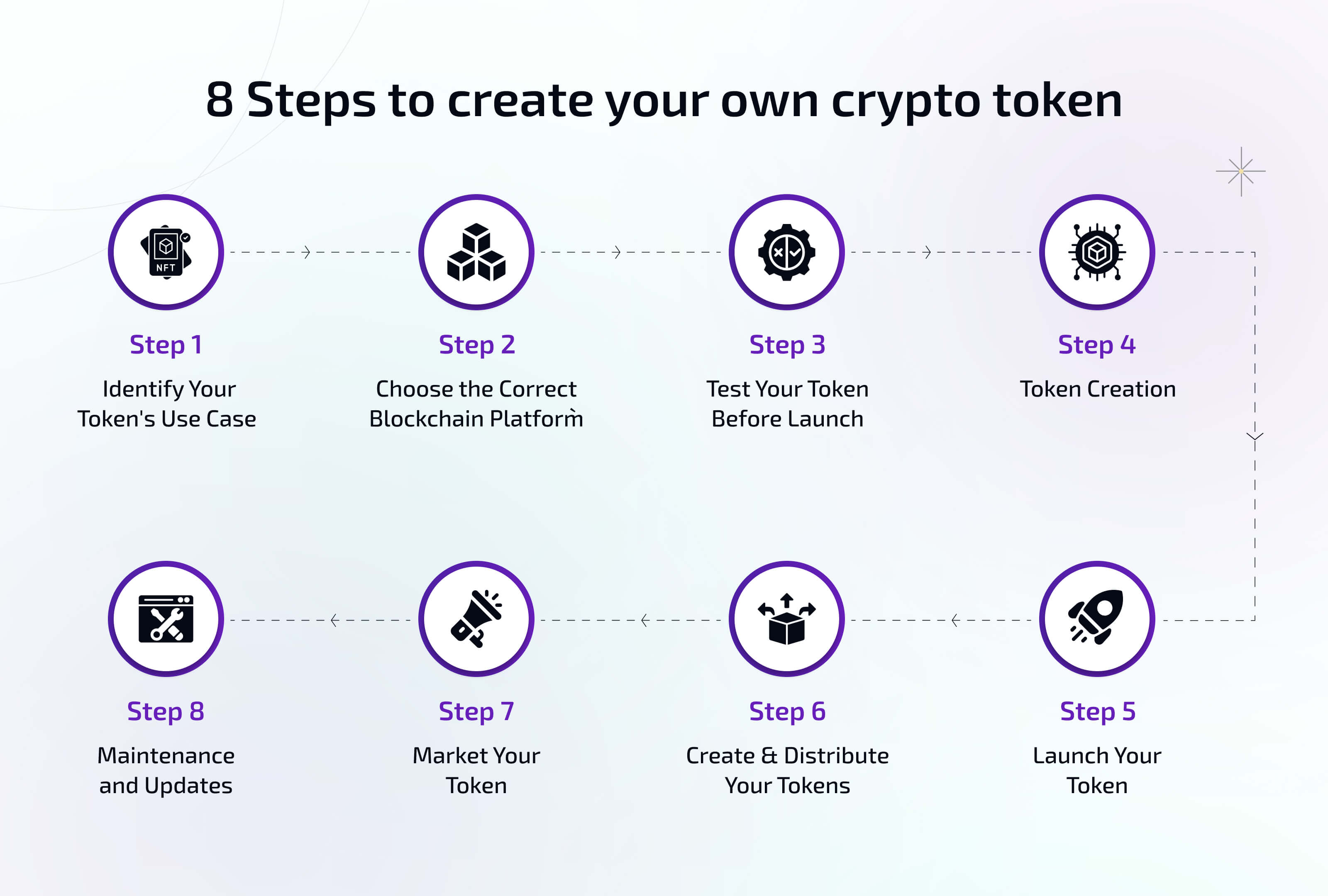
- Bug Fixes and Patches: Regularly monitor for bugs, security vulnerabilities, and performance issues, and release patches as needed.
- Protocol Upgrades: As technology evolves or new features are desired, protocol upgrades may be necessary. For new blockchains, this involves hard forks or soft forks, requiring careful coordination across the network. For tokens, it might involve deploying new versions of smart contracts or implementing upgradeable proxy contracts.
- Developer Support: Maintaining clear documentation, providing SDKs, and offering support to developers building on top of your cryptocurrency.
- Community Governance: For truly decentralized projects, technical decisions might be subject to community governance through on-chain voting mechanisms, where token holders propose and vote on protocol changes. Designing and implementing these governance smart contracts is a key technical task.
The creation of a cryptocurrency is a complex, multi-faceted technical endeavor that demands a deep understanding of distributed systems, cryptography, and software engineering. From architectural design to smart contract development, security auditing, and ongoing maintenance, each step requires precision and expertise. By meticulously navigating these technical challenges, innovators can contribute to the ever-expanding landscape of decentralized technologies, building the next generation of digital assets and applications.
aViewFromTheCave is a participant in the Amazon Services LLC Associates Program, an affiliate advertising program designed to provide a means for sites to earn advertising fees by advertising and linking to Amazon.com. Amazon, the Amazon logo, AmazonSupply, and the AmazonSupply logo are trademarks of Amazon.com, Inc. or its affiliates. As an Amazon Associate we earn affiliate commissions from qualifying purchases.