
In the dynamic world of entrepreneurship, where innovation and market agility often take center stage, the foundational discipline of business budgeting can sometimes be overlooked. Yet, a meticulously crafted and diligently maintained business budget is not merely a financial formality; it is the strategic blueprint for sustainable growth, a compass guiding resource allocation, and a crucial safeguard against unforeseen financial turbulence. It transforms abstract financial goals into concrete, actionable plans, empowering business owners to make informed decisions, optimize operations, and secure their financial future. Without a clear budget, businesses risk drifting aimlessly, reacting to financial pressures rather than proactively managing them, leading to missed opportunities and potential instability. This comprehensive guide will demystify the process, providing a professional, insightful, and engaging roadmap for creating an effective business budget that drives success.
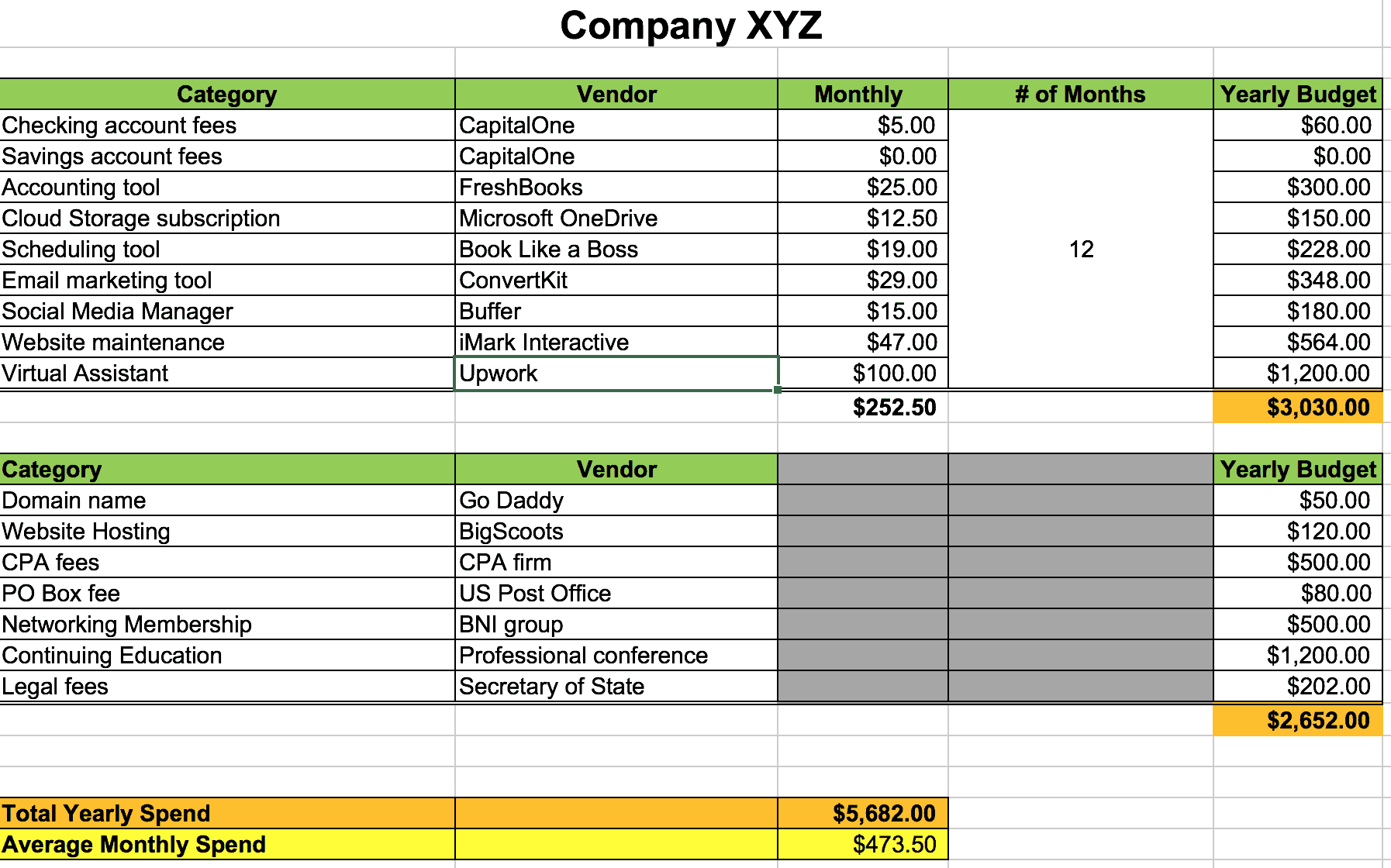
Understanding the Fundamentals of Business Budgeting
Before diving into the mechanics of budget creation, it’s essential to grasp the core concepts and the profound impact a budget has on your business’s trajectory. A budget isn’t just about limiting spending; it’s about strategic planning and resource optimization.
What is a Business Budget and Why Do You Need One?
At its heart, a business budget is a detailed financial plan that estimates a company’s revenue and expenses over a specific future period, typically a quarter or a year. It’s a quantitative expression of your business’s operational and strategic plans. More than just an accounting tool, a business budget serves several critical functions:
- Financial Control: It provides a clear picture of where your money comes from and where it goes, helping to prevent overspending and identify inefficiencies. This granular control is vital for maintaining liquidity and solvency.
- Strategic Planning and Decision-Making: A budget forces you to think strategically about your business goals. Should you invest in new equipment? Can you afford to hire more staff? These decisions are grounded in the financial projections laid out in your budget, ensuring alignment with long-term objectives.
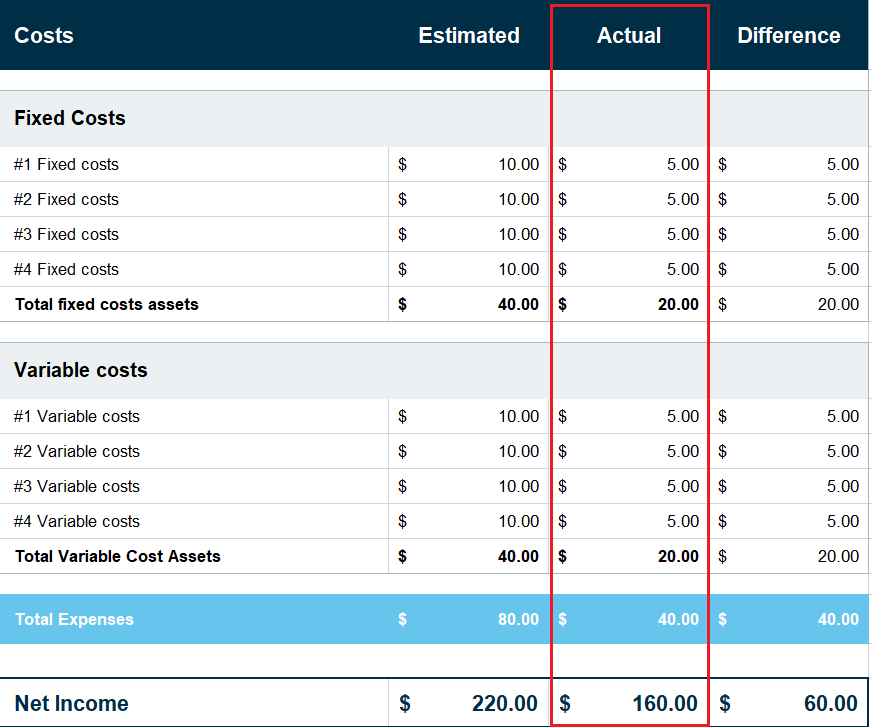
- Performance Measurement: By comparing actual results against budgeted figures, you can assess your business’s financial performance, identify variances, and understand the underlying reasons for deviations. This feedback loop is crucial for continuous improvement.
- Resource Allocation: It helps allocate scarce financial resources to the most critical areas of the business, ensuring that investments are made where they will yield the greatest return.
- Attracting Investment and Loans: Lenders and investors often require a robust business plan that includes detailed financial projections and a well-structured budget. It demonstrates financial acumen and a clear path to profitability.
Key Components of a Business Budget
A robust business budget is built upon a few fundamental components, each contributing to a complete financial picture:
- Revenue Projections: This is an estimate of all income your business expects to generate from sales of goods or services, interest, or other sources. Accurate revenue forecasting is the cornerstone of any budget.
- Fixed Costs: These are expenses that remain constant regardless of your production or sales volume, at least in the short term. Examples include rent, insurance premiums, salaries of administrative staff, and depreciation. Understanding fixed costs helps determine your break-even point.
- Variable Costs: These expenses fluctuate directly with the level of business activity. If you produce more, variable costs increase; if you produce less, they decrease. Examples include raw materials, production wages, shipping costs, and sales commissions.
- One-Time or Capital Expenditures: These are significant investments in assets that will be used for more than one year, such as equipment, vehicles, or property. While not part of day-to-day operating expenses, they are crucial for long-term planning and cash flow management.
- Profit (or Loss) Margin: Ultimately, a budget aims to project the net financial outcome—whether your revenue exceeds your expenses (profit) or falls short (loss). This margin is a key indicator of your business’s financial health.
Common Budgeting Challenges
While the benefits are clear, businesses often face hurdles when creating and adhering to a budget. These can include: inaccurate forecasting due to market volatility or insufficient data; unexpected expenses that derail plans; a lack of internal discipline in tracking and adhering to spending limits; and the sheer time investment required for detailed planning and continuous monitoring. Acknowledging these challenges upfront allows for proactive strategies to mitigate them, such as building in contingency funds or regularly reviewing and adjusting the budget.
The Step-by-Step Process to Building Your Budget
Creating a business budget is a methodical process that requires careful attention to detail and a realistic assessment of your financial landscape. This step-by-step guide will walk you through the essential stages.
Step 1: Gather Historical Financial Data
The past is a powerful predictor of the future. Start by collecting all relevant financial statements from previous periods—typically the last one to three years. This includes:
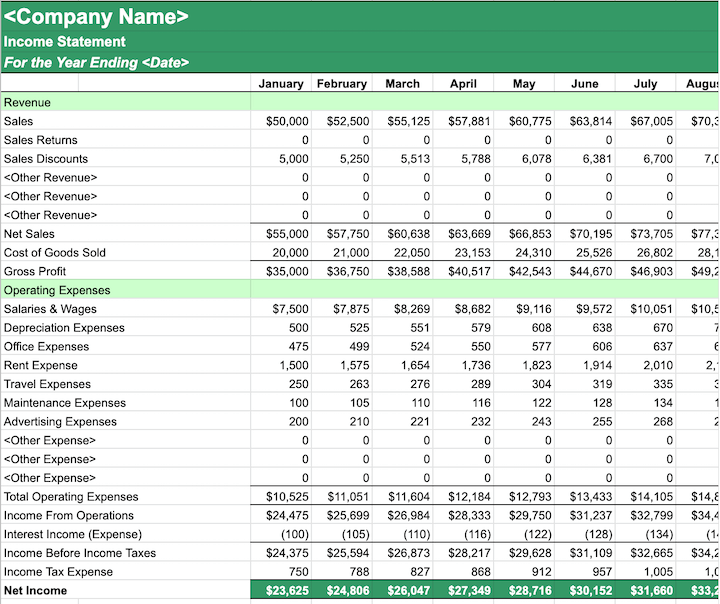
- Income Statements (Profit & Loss Statements): These reveal your past revenues, expenses, and net profit or loss.
- Balance Sheets: These provide a snapshot of your assets, liabilities, and equity at a specific point in time.
- Cash Flow Statements: Crucial for understanding how cash moves in and out of your business, distinguishing between operating, investing, and financing activities.
- Sales Records and Invoices: Detailed transaction data helps refine revenue forecasts.
- Expense Records: Categorized expenses from prior periods are invaluable for identifying trends and accurately projecting future costs.
Analyzing this historical data will help you identify trends, understand seasonality, and establish a baseline for your projections.
Step 2: Forecast Revenue
This is often the most challenging but critical part of budgeting. Your revenue forecast should be realistic and supported by data and strategic insights. Consider:
- Past Sales Performance: Use historical data as a starting point.
- Market Research: Analyze industry trends, economic outlook, and competitor performance. Are there new market opportunities or threats?
- Sales Pipeline: If applicable, evaluate your current sales leads and conversion rates.
- Marketing and Sales Strategies: How will your planned marketing efforts impact sales? Are you launching new products or services?
- Pricing Strategy: Any changes to your pricing structure will directly affect revenue.
- Capacity and Production Limitations: Ensure your revenue forecast aligns with your operational capacity.
Be conservative in your estimates initially; it’s better to underestimate revenue slightly than to overestimate and face cash flow shortfalls.
Step 3: Identify and Categorize Expenses
Once you have a handle on your projected income, systematically list and categorize all anticipated expenses. It’s helpful to break them down:
- Cost of Goods Sold (COGS): Direct costs attributable to the production of the goods or services sold (e.g., raw materials, direct labor).
- Operating Expenses: These are the costs incurred in running your business daily, distinct from COGS. Further categorize them into:
- Fixed Operating Expenses: Rent, insurance, salaries (non-production), utilities (base charges), depreciation, loan payments.
- Variable Operating Expenses: Marketing and advertising spend, sales commissions, office supplies, travel expenses, hourly wages (if tied to activity level).
- Capital Expenditures: Plan for any major asset purchases (e.g., new machinery, software licenses, vehicle fleet expansion).
Ensure every dollar going out of your business is accounted for and assigned to a specific category. This level of detail provides transparency and allows for effective cost control.
Step 4: Calculate Profit and Cash Flow
With your revenue forecasts and expense projections in hand, you can now calculate your projected profit (Revenue – Expenses). However, profit doesn’t always equal cash. It’s crucial to also project your cash flow.
- Cash Flow Projection: This considers the timing of cash inflows and outflows. For example, if you make a sale on credit, the revenue is recognized immediately, but the cash may not be received for 30-90 days. Similarly, expenses might be accrued before cash is paid out. A cash flow budget helps ensure you have enough liquid funds to meet your short-term obligations.
- Net Profit/Loss: This is the ultimate indicator of your business’s financial viability, showing whether your operations are generating a surplus or deficit over the budgeting period.
Analyzing both profit and cash flow provides a holistic view of your financial health, preventing situations where a profitable business runs out of cash.
Step 5: Allocate Funds and Set Financial Goals
With all the numbers laid out, the final step in creation is to formalize your budget and align it with your strategic objectives.
- Assign Budgets to Departments/Categories: Distribute the approved spending limits across different departments or expense categories. This empowers managers while maintaining overall control.
- Set Measurable Financial Goals: These might include achieving a certain profit margin, reducing specific operating costs by a percentage, or maintaining a particular cash reserve. These goals should be SMART (Specific, Measurable, Achievable, Relevant, Time-bound).
- Establish Contingency Funds: Always build in a buffer for unexpected expenses or revenue shortfalls. A common recommendation is 10-15% of your total expenses. This flexibility is vital in an unpredictable business environment.
This step transforms your budget from a mere spreadsheet into a living document that guides your financial decisions and propels your business towards its goals.
Budgeting Methods and Tools
The approach you take to budgeting can significantly impact its effectiveness. Understanding different methodologies and leveraging the right tools can streamline the process and enhance accuracy within the Money niche.
Popular Budgeting Approaches
Several budgeting methodologies exist, each with its own advantages and best use cases:
- Incremental Budgeting: This is the most common approach, where the current budget is based on the previous period’s budget, with adjustments for expected changes (inflation, growth, new projects). It’s simple but can perpetuate inefficiencies.
- Zero-Based Budgeting (ZBB): With ZBB, every expense must be justified for each new budget period, as if starting from scratch. No expenses are automatically carried over. This method is highly effective for identifying waste and optimizing resource allocation but is more time-consuming.
- Activity-Based Budgeting (ABB): ABB links budgeting directly to specific activities and their associated costs. It focuses on the resources required to perform business activities, offering a more granular understanding of cost drivers.
- Master Budget: This is a comprehensive budget that aggregates all individual budgets (sales, production, operating expenses, cash flow, capital expenditures) into one overarching plan. It provides a complete financial roadmap for the entire organization.
The choice of method often depends on the business’s size, complexity, and strategic objectives. Smaller businesses might start with incremental, while larger, more complex organizations may benefit from ZBB or ABB for specific departments.
Essential Budgeting Tools
In today’s digital age, relying solely on pen and paper for budgeting is inefficient. A range of financial tools can dramatically simplify the process:
- Spreadsheets (Excel, Google Sheets): These are versatile and widely accessible tools for creating and managing budgets. They allow for complex calculations, scenario analysis, and easy customization. For small to medium-sized businesses, a well-designed spreadsheet can be highly effective.
- Accounting Software (QuickBooks, Xero, Sage): These platforms integrate budgeting features directly with your financial records. They automate expense tracking, revenue recording, and reconciliation, making it easier to compare actuals against your budget in real-time. This integration provides a centralized view of your financial health.
- Specialized Budgeting Software: For larger businesses or those with complex needs, dedicated budgeting and forecasting software (e.g., Adaptive Planning, Host Analytics) offers advanced functionalities like multi-user collaboration, robust reporting, and sophisticated scenario modeling. These tools are designed to handle intricate financial models and provide deeper insights.
- Financial Dashboards: Many accounting or specialized software packages include dashboards that visually represent key financial metrics, making it easier to grasp budget performance at a glance.
Leveraging the right tools not only saves time but also reduces errors and provides richer insights, allowing you to focus on strategic financial management rather than manual data entry.
Monitoring, Adjusting, and Optimizing Your Budget
A budget is not a static document; it’s a living tool that requires continuous attention and adaptation. The real value of budgeting comes from its ongoing management.
Regular Review and Performance Tracking
Once your budget is established, the work isn’t over. Implement a rigorous schedule for reviewing your budget performance:
- Monthly/Quarterly Reviews: Regularly compare your actual revenues and expenses against your budgeted figures.
- Variance Analysis: Identify any significant deviations (variances) and investigate their root causes. Was revenue lower than expected due to a market downturn, or a sales execution issue? Were expenses higher due to unforeseen costs, or poor cost control?
- Key Performance Indicators (KPIs): Track financial KPIs relevant to your budget, such as gross profit margin, operating expense ratio, and cash conversion cycle. These metrics provide quick insights into your financial health.
Regular monitoring allows for early detection of problems and opportunities, preventing small issues from escalating into major financial crises.
Adapting to Change
The business environment is constantly evolving, and your budget must evolve with it. Rigidity is the enemy of effective financial management.
- Economic Shifts: Be prepared to adjust your budget in response to changes in the economy, such as inflation, interest rate fluctuations, or recessions.
- Market Changes: New competitors, technological advancements, or shifts in consumer preferences can all impact your revenue and expense projections.
- Unexpected Events: Natural disasters, supply chain disruptions, or global pandemics highlight the need for flexibility. Your contingency fund is vital here, but you may also need to reallocate funds or revisit your entire financial plan.
- Rolling Forecasts: Consider implementing rolling forecasts, where you continuously update your budget for the next 12 months, dropping the month that just passed and adding a new month at the end. This keeps your budget forward-looking and relevant.
Flexibility and a willingness to adapt are hallmarks of financially resilient businesses.
Leveraging Budget Insights for Strategic Growth
Beyond control and adaptation, a well-managed budget provides invaluable insights for strategic growth and optimization.
- Identifying Cost Savings: Regular review can pinpoint areas where expenses can be reduced without compromising quality or operational effectiveness. This might involve renegotiating vendor contracts, optimizing processes, or cutting non-essential spending.
- Investing in Profitable Areas: By understanding which areas of your business generate the most revenue or have the highest return on investment, you can strategically reallocate funds to accelerate growth in those segments.
- Improving Operational Efficiency: Budget analysis can reveal bottlenecks or inefficiencies in your operations. For example, consistently high overtime costs might suggest a need for more staff or process improvements.
- Informing Future Business Decisions: The insights gained from budget analysis become a critical input for future strategic planning, capital expenditure decisions, and long-term financial modeling.
A budget is not just about keeping the lights on; it’s about illuminating the path to greater profitability and sustained success.
Conclusion
Creating and maintaining a business budget is an indispensable practice for any organization aiming for sustained success and financial resilience. It is a powerful tool that transcends mere accounting, serving as a strategic framework for planning, decision-making, performance measurement, and resource allocation. By diligently following the steps outlined—from understanding the fundamentals and meticulously building your budget to leveraging appropriate tools and committing to ongoing monitoring and adjustment—you equip your business with the financial foresight needed to navigate challenges and capitalize on opportunities. A well-crafted budget provides clarity, fosters discipline, and empowers you to steer your business towards its financial objectives, ultimately securing a more stable and prosperous future. Embrace the power of the budget; it is the financial backbone of your entrepreneurial journey.
aViewFromTheCave is a participant in the Amazon Services LLC Associates Program, an affiliate advertising program designed to provide a means for sites to earn advertising fees by advertising and linking to Amazon.com. Amazon, the Amazon logo, AmazonSupply, and the AmazonSupply logo are trademarks of Amazon.com, Inc. or its affiliates. As an Amazon Associate we earn affiliate commissions from qualifying purchases.