
For most individuals, purchasing a home represents the largest financial commitment they will ever make. It’s not merely a transaction; it’s a foundational step towards building personal wealth, security, and stability. At the heart of this significant investment lies the mortgage loan – a complex financial product that, if chosen wisely, can save you tens of thousands of dollars over its lifespan, or conversely, become a source of considerable financial strain. Navigating the myriad of options, rates, terms, and fees offered by different lenders can feel overwhelming, akin to deciphering a foreign language. However, with a structured approach and a clear understanding of what to look for, comparing mortgage loans doesn’t have to be a daunting task. This comprehensive guide will equip you with the insights and tools necessary to confidently evaluate your options, ensuring you secure a mortgage that aligns perfectly with your financial goals and long-term aspirations.
1. Demystifying the Anatomy of a Mortgage
Before you can effectively compare mortgage loans, you must first understand their fundamental components. A mortgage is not just a single interest rate; it’s a multifaceted product with several interlocking parts, each influencing the total cost and your monthly obligations. Grasping these basics is the bedrock of intelligent decision-looping.
Interest Rates: Fixed vs. Adjustable
The interest rate is perhaps the most scrutinized figure on any loan offer. It dictates the cost of borrowing money from the lender.
-
Fixed-Rate Mortgages (FRM): The interest rate remains constant throughout the entire loan term, providing predictable monthly payments. This stability is highly valued by borrowers who prefer certainty and protection against rising interest rates. The primary downside is that if market rates fall significantly, you might miss out unless you refinance.
-
Adjustable-Rate Mortgages (ARM): These loans feature an interest rate that changes periodically after an initial fixed-rate period (e.g., 3/1, 5/1, 7/1 ARMs). While ARMs often start with lower introductory rates, their payments can increase or decrease based on market indices. ARMs can be attractive for those planning to sell or refinance before the fixed period ends, or for those comfortable with potential payment fluctuations. Understanding the adjustment caps (how much the rate can change per adjustment period and over the life of the loan) is crucial.
Loan Term Lengths: The 15-Year vs. 30-Year Debate
The loan term refers to the period over which you agree to repay the loan. The most common terms are 15 and 30 years, though other options exist.
-
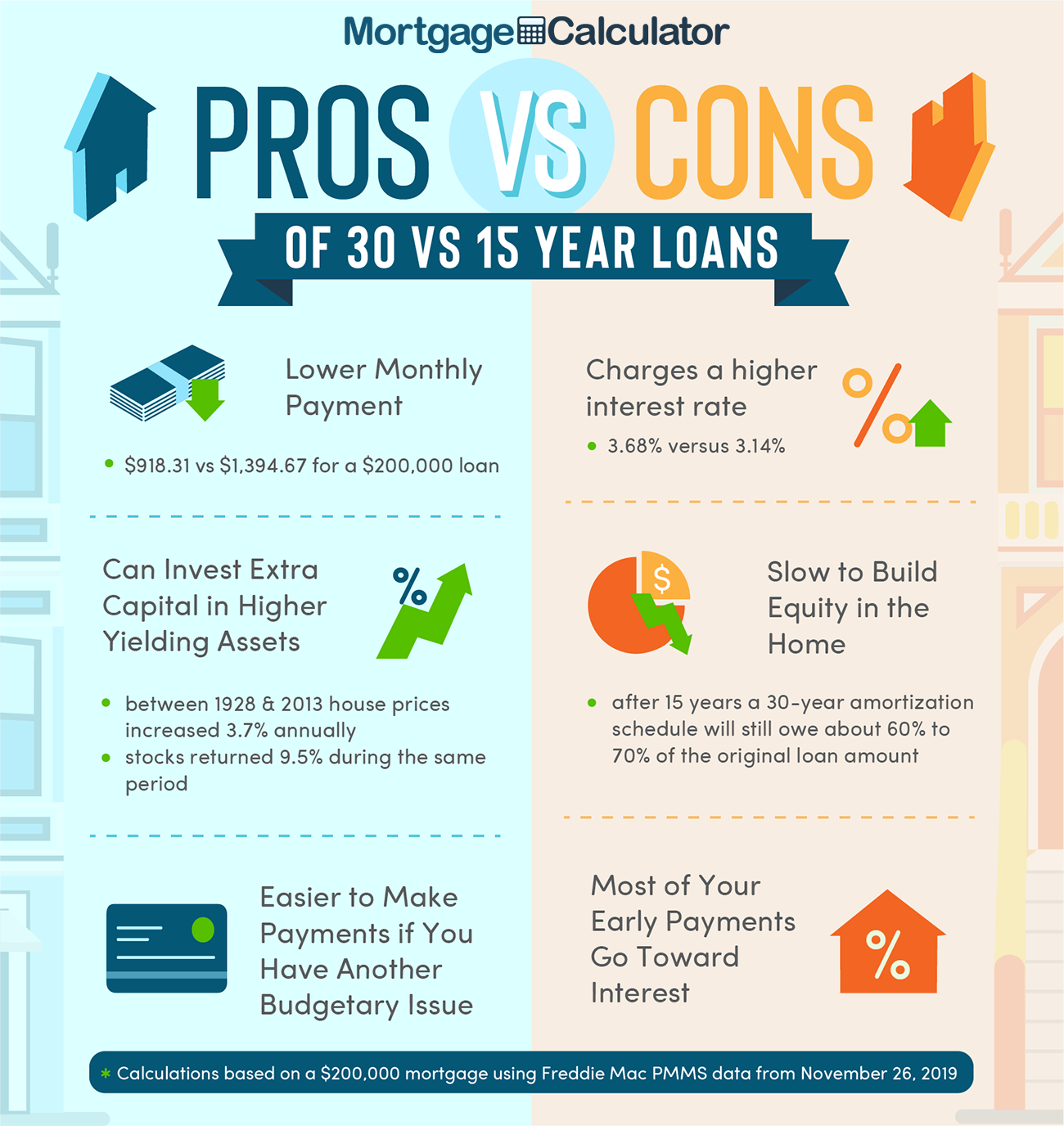
30-Year Mortgage: Offers lower monthly payments, which can improve affordability and cash flow. However, you pay significantly more interest over the life of the loan due to the extended repayment period.
-
15-Year Mortgage: Features higher monthly payments but results in substantially less interest paid overall, allowing you to build equity faster and own your home outright in half the time. This option is suitable for borrowers with stable, higher incomes who can comfortably afford the elevated payments.
Down Payments and Loan-to-Value (LTV)
The down payment is the initial sum you pay upfront towards the home’s purchase price. The higher your down payment, the less you need to borrow, which can lead to better interest rates and lower monthly payments.
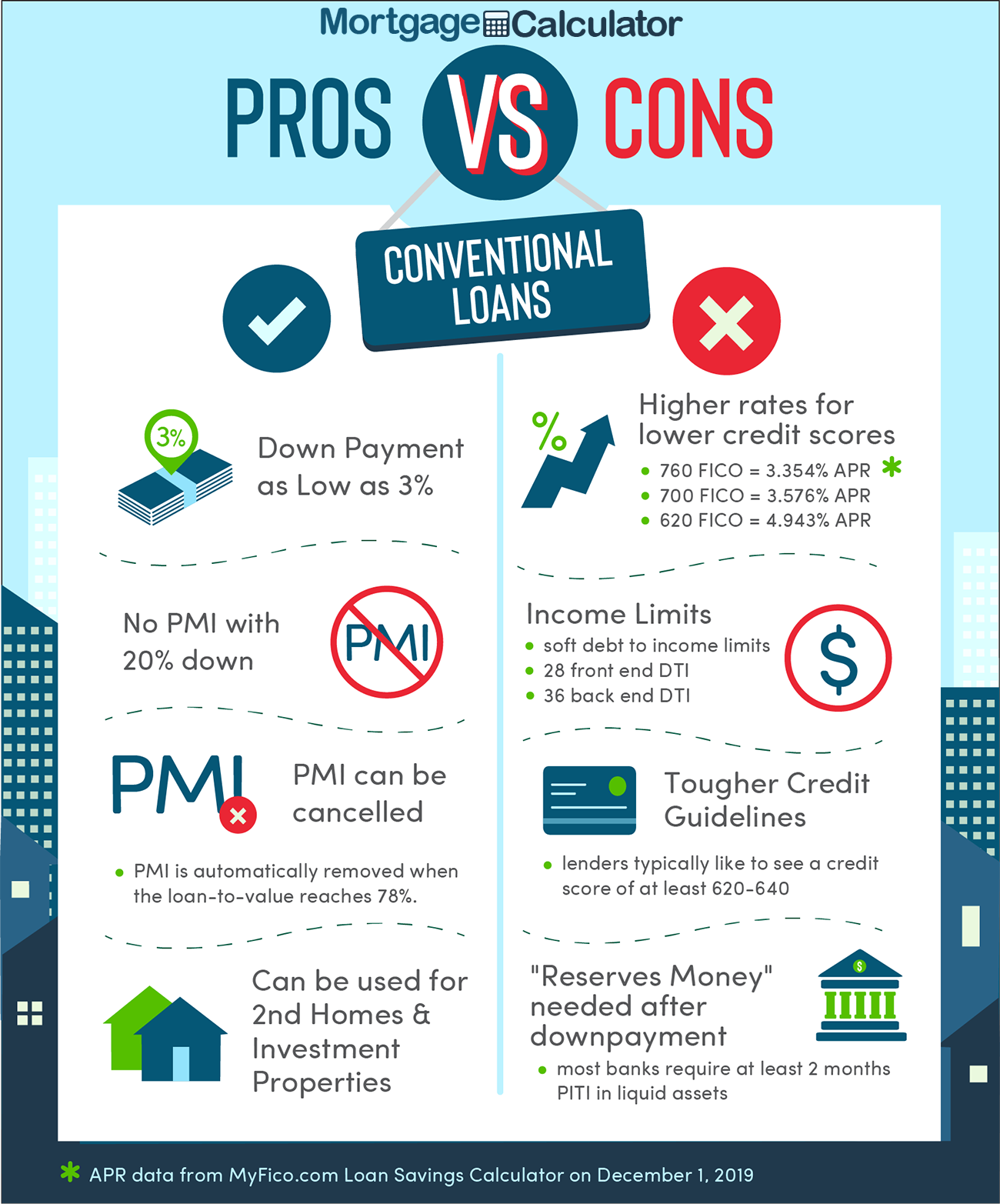
- Loan-to-Value (LTV) is a critical metric calculated by dividing the loan amount by the home’s appraised value. Lenders use LTV to assess risk. A lower LTV (meaning a higher down payment) often translates to more favorable loan terms. For instance, putting down 20% or more typically helps avoid Private Mortgage Insurance (PMI) on conventional loans.
Closing Costs: Understanding the Full Picture
Closing costs are the various fees and expenses incurred when you complete your mortgage transaction. These are distinct from the down payment and typically range from 2% to 5% of the loan amount. They include:
-
Origination Fees: Charged by the lender for processing the loan.
-
Appraisal Fees: For valuing the property.
-
Title Insurance: Protects against property ownership disputes.
-
Attorney Fees: For legal services if required.
-
Recording Fees: For officially registering the property transfer.
-
Prepaid Items: Such as property taxes and homeowner’s insurance premiums for the upcoming period.
Mortgage Insurance: PMI and MIP
If your down payment is less than 20% of the home’s purchase price, you’ll likely be required to pay mortgage insurance, which protects the lender in case you default.
-
Private Mortgage Insurance (PMI): Applies to conventional loans. It can often be cancelled once you reach 20% equity in your home.
-
Mortgage Insurance Premium (MIP): Applies to FHA loans. It typically involves an upfront premium and annual premiums that may last for the life of the loan, depending on your LTV and loan term.
2. Core Metrics for Side-by-Side Evaluation
With a foundational understanding of mortgage components, the next step is to delve into the specific metrics that allow for direct, apples-to-apples comparison between different loan offers. Focusing solely on the advertised interest rate can be a costly mistake; a holistic view is essential.
The Importance of the Annual Percentage Rate (APR)
While the interest rate determines the cost of borrowing money, the Annual Percentage Rate (APR) provides a more comprehensive measure of a loan’s total cost. The APR includes the interest rate plus most of the fees and charges associated with the loan, such as origination fees, discount points, and some closing costs. It’s expressed as an annual percentage and is designed to give you a single figure that better reflects the true cost of borrowing. When comparing loans, always look at the APR alongside the interest rate; a lower APR generally indicates a cheaper loan overall.
Total Cost of the Loan Over its Lifespan
Beyond the monthly payment, it’s critical to consider the total amount you will pay over the entire life of the loan. This includes the principal, the total interest, and any associated fees. A 30-year fixed-rate mortgage will have lower monthly payments than a 15-year loan, but the total interest paid will be significantly higher. Use online mortgage calculators to project the full cost of each loan option. This long-term perspective can reveal substantial differences and guide your decision, especially if building equity quickly is a priority.
Monthly Payment Breakdown
Your monthly mortgage payment typically comprises four main elements, often referred to as PITI:
-
Principal: The portion of your payment that goes towards reducing your loan balance.
-
Interest: The cost of borrowing money.
-
Taxes: Your annual property taxes, divided into 12 monthly installments and held in an escrow account.
-
Insurance: Your homeowner’s insurance premiums, also divided into monthly installments and held in escrow.
Understanding this breakdown for each loan offer helps you budget accurately and ensures you’re comparing consistent figures.
Prepayment Penalties and Flexibility
Some mortgage loans come with prepayment penalties, meaning you’ll be charged a fee if you pay off your loan early (e.g., by selling the house or refinancing). While less common today, it’s vital to check for these clauses, especially if you anticipate paying off your mortgage ahead of schedule or plan to refinance in a few years. A flexible loan with no prepayment penalties offers greater financial freedom.
Escrow Accounts for Taxes and Insurance
Most lenders require an escrow account for property taxes and homeowner’s insurance, particularly if your LTV is high. This means a portion of your monthly payment goes into this account, and the lender pays these bills on your behalf when they’re due. While convenient, understand that escrow payments can fluctuate if your property taxes or insurance premiums change, impacting your overall monthly outlay. Confirm if an escrow account is mandatory or optional with each lender.
3. Unearthing the Best Deals: Beyond Advertised Rates
Finding the best mortgage deal requires a keen eye for detail and an understanding that the lowest advertised rate isn’t always the cheapest option once all fees are considered. Savvy borrowers look beyond the surface to uncover hidden costs and leverage their financial standing.
Lender Fees and Origination Charges
Lender fees are charges imposed by the financial institution for originating and processing your loan. These can include:
-
Origination Fee: Often expressed as a percentage of the loan amount (e.g., 1% of the loan). This covers the lender’s administrative costs.
-
Underwriting Fee: For evaluating your creditworthiness and the loan application.
-
Processing Fee: For handling the paperwork and coordinating the loan.
-
Application Fee: For submitting your initial loan application.
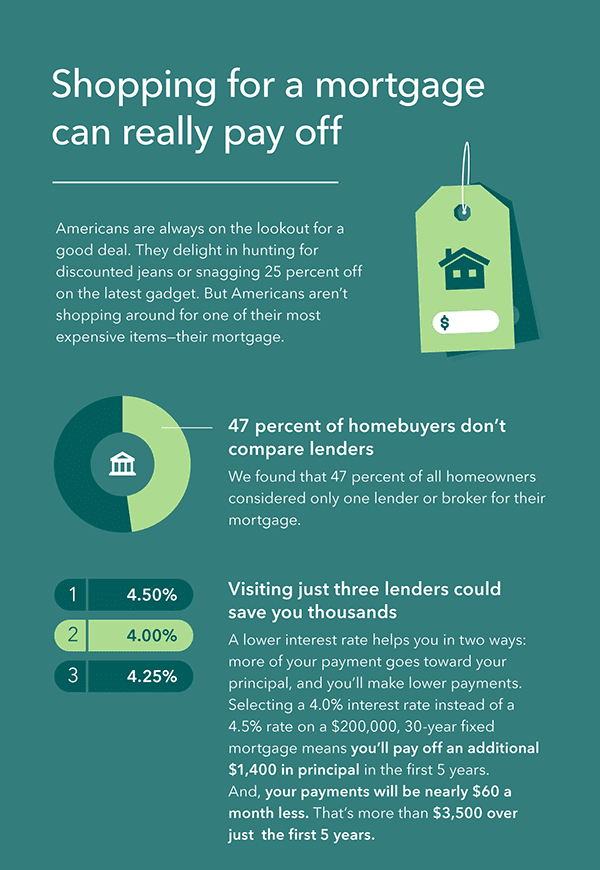
These fees can vary significantly between lenders and should be scrutinized carefully. A loan with a slightly higher interest rate but lower fees might actually be cheaper than a loan with a lower interest rate but exorbitant fees.
Discount Points: Buying Down Your Rate
Discount points are optional fees paid to the lender at closing in exchange for a lower interest rate. One point typically costs 1% of the loan amount. For example, on a $300,000 loan, one point would cost $3,000.
-
When to Consider Points: If you plan to stay in the home for a long time, buying down the rate can save you money in the long run. Calculate the “break-even point”—how long it takes for the savings from the lower interest rate to offset the cost of the points.
-
When to Skip Points: If you anticipate moving or refinancing within a few years, paying points might not be financially beneficial, as you won’t recoup the upfront cost.
Understanding Loan Estimates
The Loan Estimate (LE) is a standardized three-page form that lenders are required to provide to borrowers within three business days of receiving a loan application. This document is your most powerful tool for comparison. It outlines:
-
Your estimated interest rate and APR.
-
Your estimated monthly payment.
-
Estimated closing costs (broken down into lender charges, title fees, government fees, etc.).
-
Cash needed to close.
-
Loan features, such as prepayment penalties.
Critically, compare the “Closing Cost Details” and “Cash to Close” sections across multiple Loan Estimates. Pay close attention to “Section A: Origination Charges,” as these are direct lender fees and are often negotiable.
The Impact of Your Credit Score and Debt-to-Income Ratio
Your financial profile plays a huge role in the rates and terms you’re offered.
-
Credit Score: Lenders use your FICO score to assess your creditworthiness. A higher score (generally 740+) signals lower risk, qualifying you for the best interest rates. If your score is low, focus on improving it before applying for a mortgage.
-
Debt-to-Income (DTI) Ratio: This ratio compares your total monthly debt payments to your gross monthly income. A lower DTI ratio (typically below 43%) indicates you can handle more debt, making you a more attractive borrower. Lenders look for a healthy balance to ensure you can comfortably manage your mortgage payments alongside other financial obligations.
4. The Human Element: Lender Quality and Service
While numbers are critical, the quality of the lender and their service can significantly impact your mortgage experience. A competitive rate means little if you’re dealing with uncommunicative staff, delayed approvals, or unexpected issues at closing.
Reputation and Customer Reviews
In today’s digital age, information about lender reputation is readily available.
-
Online Reviews: Consult platforms like the Better Business Bureau (BBB), Yelp, Google Reviews, and specific mortgage review sites. Look for patterns in feedback, especially regarding responsiveness, transparency, and problem resolution.
-
Word-of-Mouth: Ask friends, family, and your real estate agent for recommendations. Personal experiences often offer the most reliable insights.
A lender with a strong, positive reputation is more likely to provide a smooth and satisfactory experience.
Responsiveness and Communication
The mortgage process can be complex and time-sensitive. A good lender will assign you a dedicated loan officer who is accessible and proactive in communication.
-
Timeliness: Do they respond to your calls and emails promptly?
-
Clarity: Do they explain complex terms clearly and patiently answer your questions?
-
Proactivity: Do they keep you informed of your loan status and any potential hurdles?
Poor communication can lead to stress, delays, and costly mistakes. Gauge their responsiveness during your initial inquiries.
Experience with Your Specific Loan Type (e.g., FHA, VA, Conventional)
Not all lenders specialize in every type of mortgage. Some might be experts in conventional loans, while others excel in FHA, VA, or USDA loans. If you’re pursuing a specific loan program, seek out a lender with demonstrable expertise and a strong track record in that area. An experienced lender will be familiar with the nuances, requirements, and potential pitfalls of your chosen loan type, facilitating a smoother process.
Post-Closing Servicing Considerations
It’s easy to focus solely on the closing, but consider what happens after your loan is funded.
-
Loan Servicing: Many lenders sell the servicing rights of your mortgage to another company. Understand who will be collecting your payments, managing your escrow, and handling any future inquiries or adjustments.
-
Customer Support: Investigate the quality of the loan servicer’s customer support. Will you have access to online portals, phone support, and clear avenues for assistance should issues arise?
5. Navigating the Comparison Process Effectively
Successfully comparing mortgage loans is a process that demands diligence, organization, and a willingness to ask probing questions. By employing strategic tools and seeking appropriate guidance, you can streamline your search and make an informed decision.
Gathering Multiple Loan Estimates
The golden rule of mortgage comparison is to obtain Loan Estimates from at least three to five different lenders. These should be for the same loan type, term, and approximate loan amount. Comparing these standardized documents side-by-side will highlight differences in interest rates, APRs, fees, and overall costs. Don’t be afraid to use an offer from one lender to negotiate a better deal with another; competition benefits you.
Leveraging Online Comparison Tools and Calculators
The internet offers a wealth of resources to aid your comparison.
-
Online Mortgage Calculators: Use these to estimate monthly payments, total interest paid, and the impact of extra principal payments.
-
Comparison Websites: While these can provide initial rate estimates, always verify directly with the lender, as advertised rates may not reflect your specific qualifications.
-
Lender Websites: Many lenders offer pre-qualification tools that give you an idea of what you might qualify for, though this is not a firm offer.
When to Consult a Mortgage Broker vs. Direct Lender
Understanding the role of different types of mortgage professionals can significantly impact your search.
-
Direct Lenders (Banks, Credit Unions, Online Lenders): These institutions lend their own money and offer their specific range of products. They can sometimes offer very competitive rates, especially if you have an existing relationship.
-
Mortgage Brokers: These independent professionals work with multiple lenders to find the best loan for your specific needs. They can be invaluable if you have unique financial circumstances or want to compare a wide range of options without directly contacting numerous banks. They earn a commission, either from the lender or from you, so clarify their fee structure.
The Power of Negotiation
Everything in a mortgage offer is potentially negotiable, from the interest rate to the lender fees.
-
Use Competing Offers: Present a Loan Estimate from one lender to another and ask if they can beat or match the terms.
-
Question Fees: Ask for clarification on every fee listed. Inquire if any fees can be waived or reduced.
-
Understand Points: Negotiate whether paying points is truly beneficial for your financial strategy.
Be prepared to walk away if a lender isn’t willing to work with you. Your goal is to find the best deal, not to simply accept the first offer.
Comparing mortgage loans is a critical step in the homeownership journey, one that requires patience, attention to detail, and a proactive mindset. By understanding the core components of a loan, scrutinizing the key metrics, looking beyond surface-level figures, and evaluating the quality of the lender, you empower yourself to make a decision that will positively impact your financial future for decades to come. Armed with the right knowledge and a structured approach, you can confidently navigate the complexities of the mortgage market and secure a loan that serves as a solid foundation for your homeownership dreams.
aViewFromTheCave is a participant in the Amazon Services LLC Associates Program, an affiliate advertising program designed to provide a means for sites to earn advertising fees by advertising and linking to Amazon.com. Amazon, the Amazon logo, AmazonSupply, and the AmazonSupply logo are trademarks of Amazon.com, Inc. or its affiliates. As an Amazon Associate we earn affiliate commissions from qualifying purchases.