
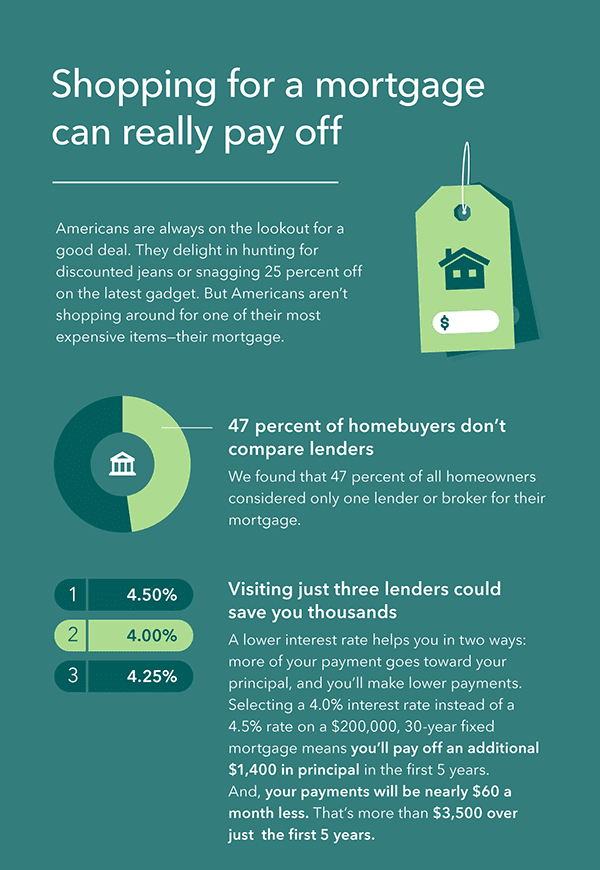
Navigating the mortgage market can feel like traversing a complex financial labyrinth. For most individuals, a mortgage represents the largest financial commitment they will ever undertake, making the selection of a lender a decision of paramount importance. It’s not merely about securing a loan; it’s about finding the right financial partner whose offerings align perfectly with your long-term financial goals and current economic circumstances. A slight difference in interest rates, fees, or even the quality of customer service can translate into tens of thousands of dollars over the lifetime of the loan, significantly impacting your wealth accumulation and financial freedom. This comprehensive guide will equip you with the insights and strategies needed to meticulously compare mortgage lenders, ensuring you make an informed decision that serves your best interests.
Understanding the Landscape of Mortgage Lenders and Their Offerings
Before diving into comparisons, it’s crucial to understand who the players are in the mortgage industry and what foundational elements constitute a mortgage offer. This foundational knowledge empowers you to ask the right questions and interpret the information you receive.
Types of Mortgage Lenders
The mortgage market is diverse, featuring several categories of lenders, each with its unique advantages and disadvantages:
- Traditional Banks: Large, established institutions often offer a wide range of financial products beyond mortgages. They may provide a sense of security and often have physical branches for in-person consultations. However, their rates might not always be the most competitive, and their approval processes can sometimes be less flexible.
- Credit Unions: Member-owned non-profit organizations that often offer more personalized service and potentially lower interest rates or fees due to their cooperative structure. Membership requirements usually apply, but they can be an excellent option for those seeking a community-focused approach.
- Online Lenders: These digital-first lenders operate primarily online, often leading to lower overheads and, consequently, highly competitive rates and streamlined application processes. While convenient, the lack of a physical presence might be a drawback for those who prefer face-to-face interaction.
- Mortgage Brokers: Unlike direct lenders, brokers act as intermediaries, working with multiple lenders to find the best loan products for their clients. They can be invaluable for finding niche products or for applicants with complex financial situations, but they earn a commission, which might be factored into your loan costs.
Key Factors Beyond the Advertised Rate
While an attractive interest rate is often the first thing that catches a borrower’s eye, it’s far from the only factor defining the true cost of a mortgage. A holistic comparison requires looking deeper.
- Annual Percentage Rate (APR): The APR is a more comprehensive measure of the cost of borrowing money, as it includes not only the interest rate but also most of the fees and other charges associated with the loan. This makes it a more accurate tool for comparing the total cost of different loan offers.
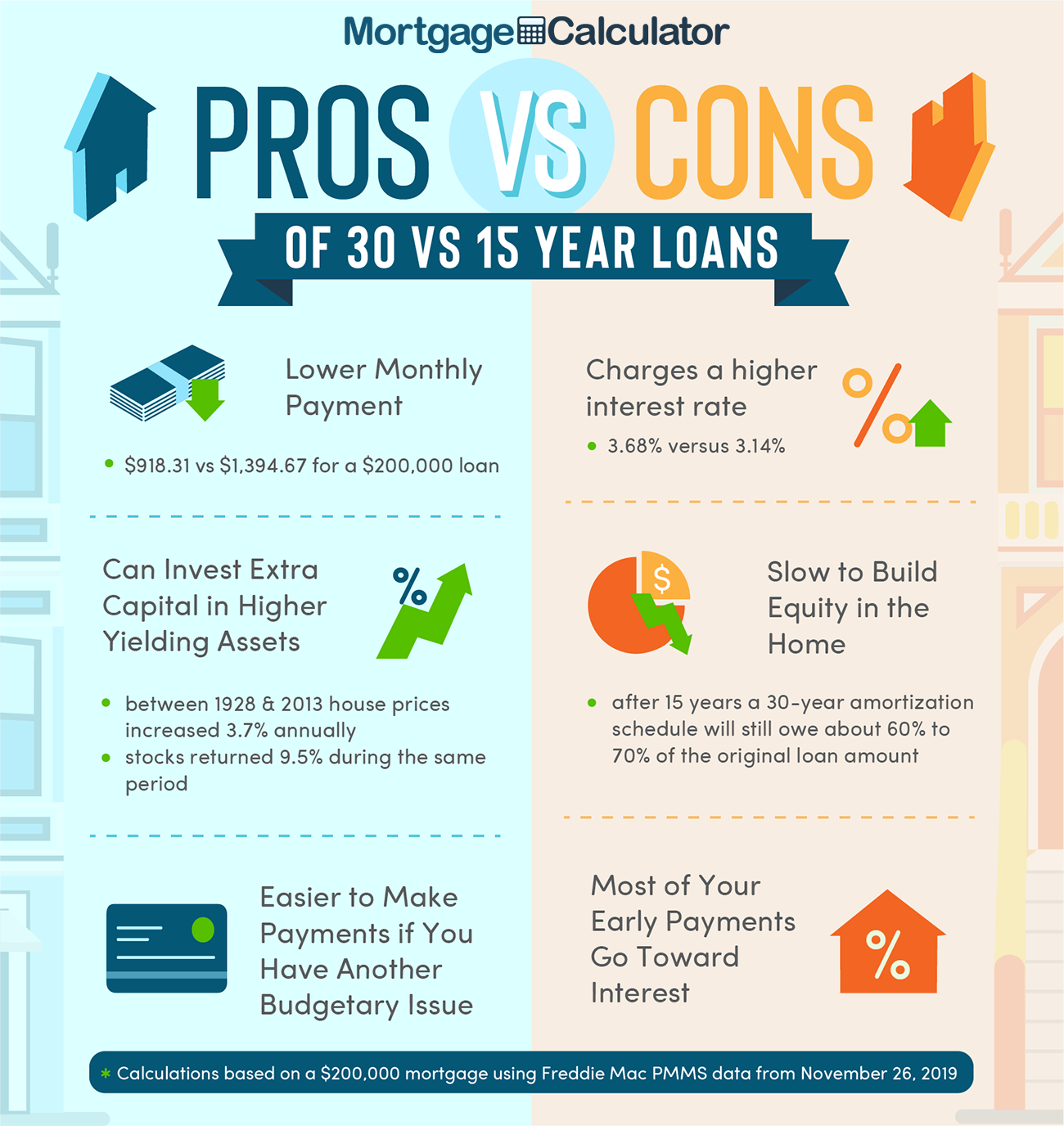
- Loan Term: The duration of your mortgage (e.g., 15-year, 30-year) significantly impacts your monthly payments and the total interest paid over time. Shorter terms typically mean higher monthly payments but substantially less interest paid overall.
- Loan Type: Whether you opt for a fixed-rate mortgage (FRM), where the interest rate remains constant, or an adjustable-rate mortgage (ARM), where the rate can fluctuate after an initial fixed period, will dictate your payment stability and exposure to market changes.
- Points: Borrowers can sometimes pay “points” (one point equals 1% of the loan amount) at closing to reduce their interest rate. Deciding whether to pay points requires calculating the breakeven point to determine if the long-term savings outweigh the upfront cost.
The Critical Role of Pre-Approval
Before you even begin seriously comparing lenders, obtaining a pre-approval is a crucial first step. A pre-approval is a conditional commitment from a lender to provide you with a specific loan amount based on a preliminary review of your financial information. It offers several benefits:
- Clarifies Your Budget: It tells you how much you can realistically afford, narrowing down your property search.
- Enhances Buyer Credibility: Sellers often prefer offers from pre-approved buyers, demonstrating your seriousness and ability to secure financing.
- Streamlines the Application Process: It allows lenders to provide more accurate quotes, as they already have a preliminary understanding of your financial standing.
Deciphering Interest Rates and Loan Terms
Understanding the nuances of interest rates and loan terms is central to making an informed mortgage decision. These elements directly impact your monthly budget and the total financial commitment over decades.
Fixed vs. Adjustable-Rate Mortgages (ARMs)
The choice between a fixed-rate and an adjustable-rate mortgage is fundamental and depends heavily on your risk tolerance and financial outlook.
- Fixed-Rate Mortgages (FRMs): With an FRM, your interest rate remains constant for the entire duration of the loan. This provides predictable monthly payments, making budgeting straightforward and offering protection against rising interest rates. FRMs are generally preferred by those who plan to stay in their home for many years and value stability.
- Adjustable-Rate Mortgages (ARMs): ARMs typically offer a lower initial interest rate for a fixed period (e.g., 3, 5, 7, or 10 years), after which the rate adjusts periodically based on a predetermined index. While the initial savings can be appealing, the risk lies in potential rate increases, which could lead to significantly higher monthly payments. ARMs might be suitable for those who anticipate selling or refinancing before the fixed period ends, or those who are comfortable with potential payment fluctuations.
Understanding the Annual Percentage Rate (APR)
As mentioned, the APR is your best friend when comparing loan offers. While a lender might advertise a seemingly low interest rate, various fees and charges can inflate the actual cost of borrowing. The APR bundles these costs, providing a more accurate, albeit still imperfect, picture of the total expense. It’s important to remember that the APR is a theoretical calculation and may not include all closing costs, such as property taxes or certain third-party fees, but it’s a far better comparative metric than the interest rate alone. Always ask for the APR alongside the nominal interest rate when requesting quotes.
The Impact of Loan Term on Total Cost
The length of your mortgage loan—most commonly 15 or 30 years—has a profound impact on both your monthly payments and the total amount of interest you’ll pay over the life of the loan.
- 30-Year Mortgage: This is the most common loan term, offering lower monthly payments and greater flexibility in your budget. However, you’ll pay significantly more in interest over the extended period.
- 15-Year Mortgage: This option features higher monthly payments but allows you to pay off your home in half the time, resulting in substantial interest savings. It’s an excellent choice for those who can comfortably afford the higher payments and wish to build equity faster.
- Other Terms: Some lenders offer other terms like 10-year, 20-year, or even customized durations, providing additional flexibility to match your financial capacity and goals.
Evaluating Fees and Closing Costs
Beyond the interest rate and loan term, a constellation of fees and closing costs can significantly impact the overall expense of your mortgage. A thorough comparison demands a meticulous review of these charges.
Common Mortgage Fees
Mortgage fees can be broadly categorized into lender fees and third-party fees. Understanding each type is vital:
- Origination Fee: A fee charged by the lender for processing your loan application. It’s typically a percentage of the loan amount (e.g., 0.5% to 1%).
- Underwriting Fee: Covers the cost of evaluating and approving your loan application.
- Appraisal Fee: Paid to an independent appraiser to determine the fair market value of the property.
- Credit Report Fee: Covers the cost of pulling your credit report.
- Title Insurance Fees: Protects both the lender and you against any issues with the property’s title.
- Escrow Fees: Paid to the escrow company for handling the closing process.
- Prepaid Expenses: These include items like property taxes and homeowner’s insurance premiums that are paid upfront at closing, covering a period post-closing.
Lender Credits vs. Points: A Strategic Choice
When comparing offers, you might encounter options related to lender credits or discount points.
- Discount Points (or “Buying Down the Rate”): This involves paying an upfront fee to the lender in exchange for a lower interest rate over the life of the loan. This strategy is beneficial if you plan to stay in the home for a long time, as the long-term interest savings can outweigh the upfront cost.
- Lender Credits (or “No-Closing-Cost Mortgages”): In this scenario, the lender offers to cover some or all of your closing costs in exchange for a slightly higher interest rate. This can be attractive if you have limited cash for closing, but it means you’ll pay more interest over the loan’s term.
Carefully calculate the break-even point for discount points to determine if it’s a worthwhile investment given your expected tenure in the home.
The Loan Estimate: Your Primary Comparison Tool
The Loan Estimate is a standardized three-page form that all lenders are required to provide within three business days of receiving your loan application. This document is your single most important tool for comparing mortgage offers. It clearly outlines:
- The estimated interest rate, monthly payment, and total closing costs.
- The estimated cash required at closing.
- Details about loan terms, such as whether the interest rate can increase.
- A “Comparisons” section that shows how much you will have paid in principal and interest after 5 years, and the APR.
Crucially, the Loan Estimate allows for an “apples-to-apples” comparison. When you receive multiple Loan Estimates, meticulously compare “Line A – Origination Charges” (which should be the same for all lenders, showing that lender-specific fees are grouped here), the APR, and the total cash to close.
Assessing Lender Reputation and Customer Service
While financial terms are critical, the quality of your experience with a lender can significantly impact the often-stressful process of buying a home. A good lender provides not just a loan, but also peace of mind.
Online Reviews and Ratings
In today’s digital age, online reviews are a valuable resource for gauging a lender’s reputation. Look at platforms like Google Reviews, Zillow, Yelp, and the Better Business Bureau. Pay attention to consistent themes in feedback regarding:
- Communication: Are they responsive and clear in their explanations?
- Transparency: Do they clearly explain all fees and terms without hidden surprises?
- Efficiency: Is their process smooth and timely, or are there frequent delays?
- Problem Resolution: How do they handle issues or unexpected challenges?
While individual negative reviews should be taken with a grain of salt, a pattern of complaints or overwhelmingly positive feedback can offer significant insight.
Responsiveness and Communication
The mortgage process involves a substantial amount of documentation and can be time-sensitive, especially during escrow. A lender who is responsive and communicates clearly and proactively can make a world of difference. Consider:
- Response Time: Do they return calls or emails promptly?
- Clarity: Do they explain complex financial terms in an understandable way?
- Proactivity: Do they keep you informed about the status of your application without you having to chase them?
- Accessibility: Are they available through your preferred communication channels (phone, email, text)?
A lender who is difficult to reach or provides vague answers can add unnecessary stress and potentially jeopardize your closing timeline.
The Human Element: Trust and Expertise
Ultimately, you are entrusting a significant financial decision to your lender. The personal connection and the expertise of your loan officer can be incredibly valuable. Seek a loan officer who:
- Listens to Your Needs: A good loan officer will take the time to understand your financial situation, goals, and risk tolerance, rather than just pushing a standard product.
- Offers Sound Advice: They should be able to explain different loan options, their pros and cons, and help you strategize the best fit for your situation.
- Demonstrates Integrity: You should feel confident that they are acting in your best interest, providing honest advice and transparent information.
Don’t hesitate to interview a few loan officers from different institutions. Their professionalism, knowledge, and demeanor can be as important as the numbers on the Loan Estimate.
Strategies for Effective Comparison and Negotiation
Once you’ve gathered information and understood the key variables, the final step is to strategically compare and, where possible, negotiate the best possible deal.
Gathering Multiple Quotes
The golden rule of mortgage shopping is to obtain quotes from at least three to five different lenders. This is the only way to genuinely understand the competitive landscape and identify the most favorable terms.
- Simultaneous Applications: Apply for pre-approval with multiple lenders within a short window (typically 14-45 days, depending on the credit scoring model). This allows all inquiries to count as a single hard inquiry on your credit report, minimizing the impact on your credit score.
- Provide Consistent Information: To ensure accurate comparisons, provide each lender with identical financial information, including income, assets, debts, and the property details (if known).
- Focus on the Loan Estimate: Once you receive the Loan Estimates, use them systematically to compare every line item, as detailed previously.
Leveraging Loan Estimates for Negotiation
The Loan Estimate is not just a comparison tool; it’s also a powerful negotiation instrument.
- Pit Lenders Against Each Other: If you receive a better offer from one lender, share that Loan Estimate with another preferred lender and ask if they can match or beat it. Many lenders have some flexibility, especially on interest rates and lender-specific fees (like origination or underwriting fees).
- Be Specific: Instead of saying, “Can you do better?” say, “Lender X offered me an APR of Y with these closing costs. Can you match or improve on that?”
- Focus on the Whole Package: While negotiating interest rates is common, don’t forget to negotiate fees. Sometimes, a lender might be unwilling to budge on the rate but might waive or reduce certain administrative fees.
Remember that a lender’s willingness to negotiate may depend on market conditions, your credit profile, and the lender’s specific profit margins.

Timing Your Application
While not always entirely within your control, understanding market timing can be beneficial. Interest rates fluctuate daily based on economic indicators, inflation, and Federal Reserve policies.
- Monitor Market Trends: Stay informed about general interest rate trends. While it’s impossible to perfectly time the market, knowing if rates are generally rising or falling can help inform your urgency.
- Locking Your Rate: Once you find a satisfactory rate, most lenders offer the option to “lock” it for a certain period (e.g., 30, 45, or 60 days). This protects you from rate increases while your loan is being processed. Be mindful of lock expiration dates, especially if your closing is delayed, as re-locking can sometimes incur fees or result in a higher rate.
Comparing mortgage lenders effectively is a diligent process that requires patience, attention to detail, and a clear understanding of your financial priorities. By systematically evaluating different lenders based on their loan products, fees, customer service, and overall terms, you can secure a mortgage that not only fits your budget today but also supports your financial well-term goals for years to come. This thorough approach transforms a daunting task into a strategic financial win, paving the way for a more secure and predictable homeownership journey.
aViewFromTheCave is a participant in the Amazon Services LLC Associates Program, an affiliate advertising program designed to provide a means for sites to earn advertising fees by advertising and linking to Amazon.com. Amazon, the Amazon logo, AmazonSupply, and the AmazonSupply logo are trademarks of Amazon.com, Inc. or its affiliates. As an Amazon Associate we earn affiliate commissions from qualifying purchases.