
Purchasing a home is one of the most significant financial decisions an individual or family will make. For many, it represents the largest investment of their lifetime. Central to this monumental undertaking is securing a home loan, and a critical component of that process is understanding and comparing the myriad of home loan rates available. The seemingly small differences in interest rates can translate into tens of thousands of dollars over the life of a loan, making meticulous comparison not just a recommendation, but a financial imperative.
In today’s dynamic market, lenders vie for your business, offering a diverse array of products, terms, and conditions. Navigating this complex landscape requires more than just a cursory glance at advertised rates. It demands a comprehensive understanding of what constitutes a home loan, what factors genuinely influence its cost, and a strategic approach to comparison. This article will equip you with the insights and tools necessary to demystify the process, empowering you to make an informed decision that aligns with your financial goals and future aspirations. By delving into the nuances beyond the headline interest rate, you’ll uncover the true cost of borrowing and position yourself to secure the most advantageous financing package for your dream home.

Understanding the Fundamentals of Home Loans
Before you can effectively compare home loan rates, it’s crucial to grasp the basic types and terms that define these financial products. A solid foundation in these fundamentals will enable you to speak the same language as lenders and understand the core differences between various offers.
Fixed-Rate vs. Adjustable-Rate Mortgages (ARMs)
The most fundamental distinction lies between fixed-rate and adjustable-rate mortgages.
- Fixed-Rate Mortgages: As the name suggests, the interest rate on a fixed-rate mortgage remains constant for the entire duration of the loan. This provides predictability and stability in your monthly payments, making budgeting easier and shielding you from potential rate hikes in the future. They are often favored by borrowers who plan to stay in their home for a long period and value payment consistency.
- Adjustable-Rate Mortgages (ARMs): With an ARM, the interest rate is fixed for an initial period (e.g., 3, 5, 7, or 10 years), after which it adjusts periodically based on a pre-selected financial index, plus a margin. While ARMs typically start with a lower interest rate than fixed-rate options, offering lower initial monthly payments, they introduce interest rate risk. Your payments could increase significantly if market rates rise, though they may also decrease if rates fall. ARMs might be suitable for those who anticipate selling or refinancing before the fixed-rate period ends, or those who are comfortable with potential payment fluctuations.
Loan Terms: 15-Year, 30-Year, and Beyond
The loan term refers to the length of time you have to repay the loan. The most common terms are 15-year and 30-year mortgages, though other options exist.
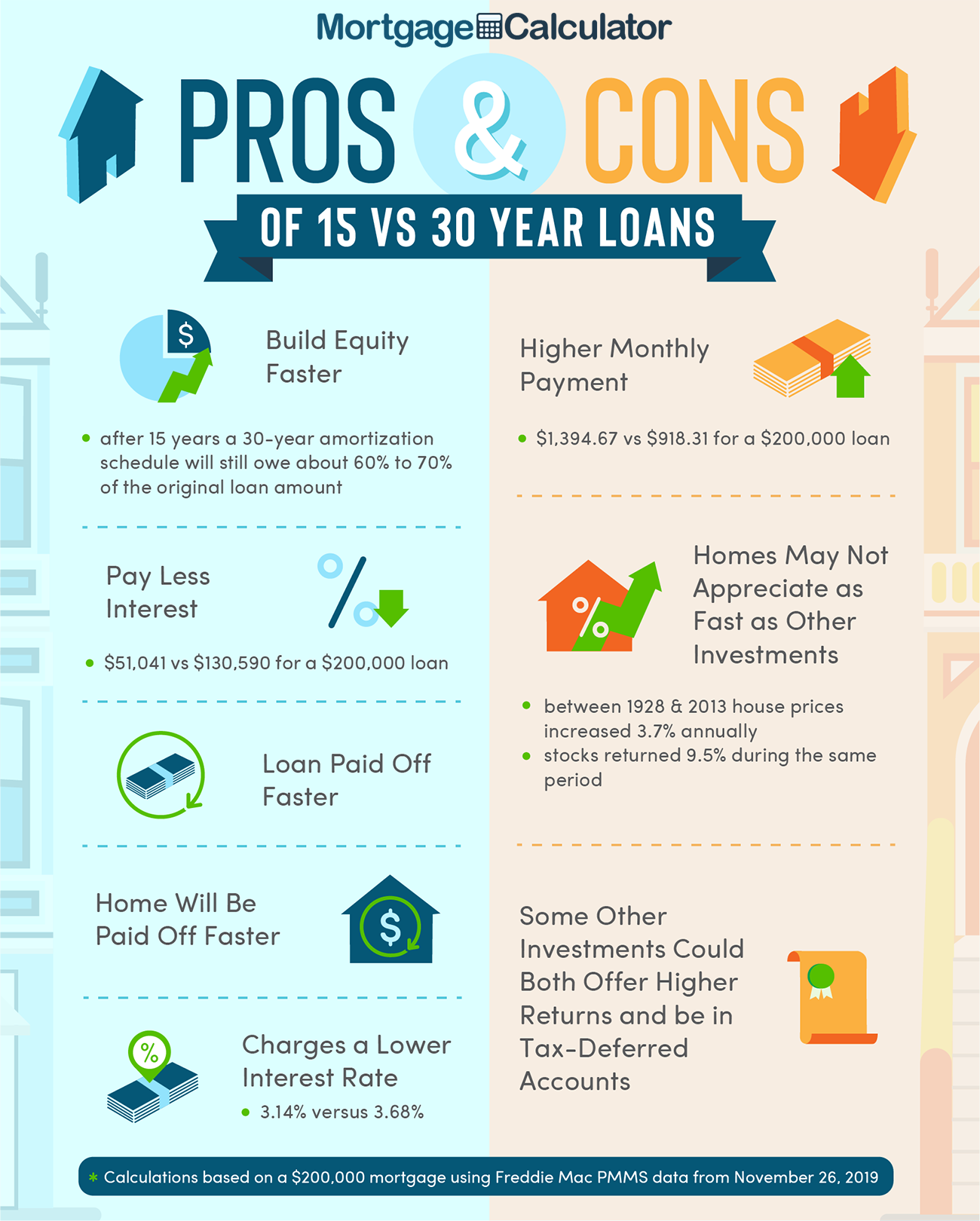
- 30-Year Mortgage: This is the most popular choice, offering lower monthly payments because the principal and interest are spread over a longer period. However, you’ll pay significantly more interest over the life of the loan compared to a shorter term.
- 15-Year Mortgage: With a 15-year term, your monthly payments will be higher, but you’ll pay off the loan much faster and accrue substantially less interest overall. This option is appealing to borrowers who can afford higher payments and want to build equity more quickly.
Understanding the interplay between interest rate and loan term is vital, as a lower rate on a 30-year loan might still result in more total interest paid than a slightly higher rate on a 15-year loan.
Different Loan Types: Conventional, FHA, VA, USDA
Beyond rate structures and terms, loans also differ based on their backing and eligibility requirements.
- Conventional Loans: These are not insured or guaranteed by a government agency. They often require a good credit score and a down payment of at least 3-5%, with 20% down typically allowing you to avoid private mortgage insurance (PMI).
- FHA Loans: Insured by the Federal Housing Administration, these loans are popular among first-time homebuyers or those with lower credit scores. They allow for a lower down payment (as little as 3.5%) but require mortgage insurance premiums (MIP) for the life of the loan or a significant portion of it.
- VA Loans: Guaranteed by the U.S. Department of Veterans Affairs, these loans are available to eligible service members, veterans, and surviving spouses. They often feature no down payment, no private mortgage insurance, and competitive interest rates, making them an extremely attractive option for those who qualify.
- USDA Loans: Backed by the U.S. Department of Agriculture, these loans are designed for low-to-moderate-income buyers in eligible rural and suburban areas. They typically require no down payment and offer favorable terms to promote homeownership in these communities.
Each loan type has specific advantages and disadvantages depending on your financial situation, credit history, and military service status. Identifying the type of loan that best fits your profile is the first step in narrowing down your comparison search.
Key Factors Beyond the Interest Rate
While the interest rate is undeniably important, focusing solely on it is a common pitfall. A truly insightful comparison requires looking at the broader financial picture, encompassing all costs associated with the loan.
Annual Percentage Rate (APR) vs. Interest Rate
This is perhaps the most crucial distinction to understand.
- Interest Rate: This is the percentage charged by the lender for borrowing the principal amount. It directly determines your monthly principal and interest payment.
- Annual Percentage Rate (APR): The APR provides a more comprehensive measure of the cost of borrowing by reflecting not only the interest rate but also most of the other charges you’ll pay for the loan, such as origination fees, discount points, and some closing costs. In essence, the APR gives you the total annual cost of the loan expressed as a percentage. When comparing loans, the APR is often a better indicator of the true cost than the interest rate alone, as it allows for a more “apples-to-apples” comparison between different lenders. A lower interest rate might look appealing, but if it comes with high fees, its APR could be higher than a loan with a slightly higher interest rate but fewer fees.
Loan Fees and Closing Costs
Beyond the interest, a multitude of fees contribute to the overall cost of your mortgage. These “closing costs” are typically paid at the settlement table and can amount to 2-5% of the loan amount.
- Origination Fees: Charged by the lender for processing your loan application, often expressed as a percentage of the loan amount.
- Discount Points: These are upfront payments made to the lender in exchange for a lower interest rate. One point typically equals 1% of the loan amount. Deciding whether to pay points depends on how long you plan to stay in the home; the longer you stay, the more likely you are to “break even” and save money over time.
- Appraisal Fee: Pays for a professional appraisal of the home’s value.
- Title Insurance: Protects the lender and you from financial loss due to defects in the title to the property.
- Escrow Fees: Fees paid to the escrow company or attorney for facilitating the closing.
- Recording Fees: Paid to the local government to record the sale and mortgage documents.
Lenders are required to provide a Loan Estimate within three business days of receiving your application, detailing these costs. Scrutinize this document carefully across multiple lenders.
Mortgage Insurance (PMI/MIP)
If your down payment is less than 20% on a conventional loan, you’ll typically be required to pay Private Mortgage Insurance (PMI). This protects the lender if you default on your loan. FHA loans, as mentioned, require Mortgage Insurance Premiums (MIP). While it adds to your monthly payment, PMI/MIP can make homeownership accessible with a smaller down payment. Understanding how long you’ll be required to pay it (and how to potentially remove it) is part of a thorough comparison.
Prepayment Penalties and Escrow Accounts
- Prepayment Penalties: Some loans might include clauses that charge you a fee if you pay off your mortgage early (e.g., through a refinance or sale of the home) within a specified period. These are less common with standard conventional loans but are worth checking for.
- Escrow Accounts: Most lenders require an escrow account for property taxes and homeowner’s insurance premiums. While not a direct fee, the monthly contribution to this account adds to your overall housing expense and should be factored into your budget.
Strategies for Effective Rate Comparison
With a solid understanding of loan types and associated costs, you’re ready to implement strategic approaches to find the best deal.
Gathering Quotes from Multiple Lenders
The cardinal rule of loan shopping is to gather quotes from at least three to five different lenders. This includes large banks, credit unions, and independent mortgage brokers. Each type of lender has different overheads, risk tolerances, and product offerings, which can result in varying rates and fees. Don’t assume your current bank will offer the best deal. Submit pre-qualification or pre-approval applications to multiple institutions within a short timeframe (e.g., 14-45 days, depending on the credit scoring model) to minimize the impact on your credit score, as multiple inquiries for the same loan type are typically treated as a single inquiry.
Utilizing Online Comparison Tools and Brokers
The digital age offers powerful tools for streamlined comparison.
- Online Lenders & Aggregators: Websites specializing in mortgage rate comparison can provide quick estimates from numerous lenders after you input some basic information. While useful for initial screening, always verify rates directly with the lender.
- Mortgage Brokers: A mortgage broker acts as an intermediary, working with various lenders to find a loan that suits your needs. They can save you time by shopping around on your behalf and often have access to a wider range of loan products than you might find on your own. However, ensure you understand how the broker is compensated (e.g., by the lender or through a fee from you) and that their advice is unbiased.
Understanding Your Credit Score’s Impact
Your credit score is a major determinant of the interest rate you’ll be offered. Lenders use it to assess your creditworthiness and the risk of lending to you. A higher credit score (generally above 740) signals less risk, often qualifying you for the most favorable rates. Before shopping for a loan, obtain your credit report and score, and take steps to improve it if necessary (e.g., paying down debt, disputing errors). Even a slight improvement in your credit score can translate into significant savings over the life of your mortgage.
Locking in Your Rate
Once you’ve found a competitive rate and are ready to move forward, you’ll likely have the option to “lock in” your interest rate. A rate lock guarantees that your interest rate won’t change between the time you apply and the closing date, provided you close within the specified lock period (e.g., 30, 45, or 60 days). This protects you from market fluctuations. Be mindful of the lock period and ensure it’s long enough to cover your anticipated closing timeline. Some lenders may charge a fee for extended rate locks.
The Application and Approval Process
Navigating the application process efficiently can also contribute to a smoother experience and better outcomes.
Required Documentation
Lenders will require extensive documentation to verify your financial standing. This typically includes:
- Proof of income (pay stubs, W-2s, tax returns)
- Bank statements (checking, savings, investment accounts)
- Statements for other assets (e.g., retirement accounts)
- Credit history (which the lender will pull)
- Details of existing debts (credit cards, student loans, car loans)
- Identification (driver’s license, social security card)
Having these documents organized and readily available will expedite your application process and demonstrate your preparedness to lenders.
Navigating Pre-Approval vs. Pre-Qualification
These terms are often used interchangeably, but there’s a significant difference.
- Pre-Qualification: This is an informal assessment of how much you might be able to borrow, based on basic financial information you provide. It’s not a commitment from the lender and does not involve a hard credit check.
- Pre-Approval: This is a much more thorough process where the lender verifies your income, assets, and credit. It involves a hard credit check and results in a conditional commitment from the lender for a specific loan amount. A pre-approval letter strengthens your offer to sellers, showing you’re a serious and qualified buyer. Always aim for pre-approval before seriously house hunting.
Negotiation Tactics with Lenders
Even after receiving a Loan Estimate, there might be room for negotiation. If you have competing offers, don’t hesitate to leverage them. Present a lender with a better offer from a competitor and ask if they can match or beat it. This applies not just to the interest rate, but also to origination fees, discount points, or other closing costs. Lenders are often willing to be flexible to win your business, especially if you have a strong financial profile.
Making the Final Decision and Future Considerations
Choosing a home loan is a long-term commitment. Your final decision should be holistic, considering current costs and future possibilities.
Weighing Short-Term vs. Long-Term Costs
Consider your financial horizon. If you plan to sell the home in a few years, a lower initial interest rate (perhaps from an ARM) or fewer upfront closing costs might be more beneficial, even if the long-term cost is higher. If you intend to stay in the home for a decade or more, prioritizing a low fixed interest rate and minimizing total interest paid over the life of the loan typically makes more sense, even if it means slightly higher upfront costs (e.g., paying discount points). Balance your immediate budget constraints with your long-term financial stability.
The Importance of Professional Advice
While this guide provides a comprehensive overview, the complexity of mortgage financing can benefit from professional guidance. A trusted mortgage loan officer, financial advisor, or real estate agent can offer personalized advice, help you navigate intricate details, and ensure you’re making the best decision for your unique circumstances. Their expertise can be invaluable in dissecting Loan Estimates and understanding the fine print.
Refinancing Options Down the Road
Remember that your initial home loan isn’t necessarily a permanent fixture. Market conditions change, and your financial situation will likely evolve. If interest rates drop significantly, or if your credit score improves, you might consider refinancing your mortgage in the future. Refinancing can allow you to secure a lower interest rate, change your loan term, convert an ARM to a fixed-rate loan, or tap into your home equity. Being aware of this flexibility adds another layer to your financial planning.
Comparing home loan rates is a nuanced process that requires diligence, understanding, and strategic planning. By looking beyond the surface-level interest rate and delving into the APR, fees, loan types, and your financial profile, you empower yourself to secure a loan that truly serves your best interests. This meticulous approach not only saves you money but also lays a strong financial foundation for your homeownership journey.
aViewFromTheCave is a participant in the Amazon Services LLC Associates Program, an affiliate advertising program designed to provide a means for sites to earn advertising fees by advertising and linking to Amazon.com. Amazon, the Amazon logo, AmazonSupply, and the AmazonSupply logo are trademarks of Amazon.com, Inc. or its affiliates. As an Amazon Associate we earn affiliate commissions from qualifying purchases.