
Owning a home is a significant milestone, a personal sanctuary, and often the largest asset many individuals possess. Protecting this investment is paramount, and that’s where home insurance steps in. Far more than just a legal requirement for mortgage holders, a robust home insurance policy provides a critical financial safety net against unforeseen events, from natural disasters and theft to liability claims. However, the world of home insurance can seem complex, with varying coverages, deductibles, and premiums. The good news is that by taking a strategic, informed approach to comparing home insurance quotes, homeowners can not only secure adequate protection but also achieve substantial savings. This guide will demystify the process, empowering you to make financially sound decisions for your most valuable asset.

Understanding the Fundamentals of Home Insurance
Before diving into comparisons, a solid understanding of what home insurance entails is crucial. Knowing the core components will allow you to assess quotes accurately and ensure you’re comparing “apples to apples.”
What Home Insurance Covers (and Doesn’t)
A standard homeowners insurance policy (HO-3 being the most common) typically offers several layers of protection:
-
Dwelling Coverage: Protects the physical structure of your home, including the roof, walls, and foundation, against covered perils. It’s designed to cover the cost of rebuilding your home.
-
Other Structures Coverage: Extends protection to structures on your property not attached to your main home, such as detached garages, sheds, and fences.
-
Personal Property Coverage: Safeguards your belongings inside and outside your home, including furniture, electronics, clothing, and other valuables. This often has limits for high-value items like jewelry or art, which may require separate endorsements.
-
Liability Coverage: Provides financial protection if someone is injured on your property and you are found legally responsible. It also covers damage you or a family member might accidentally cause to another person’s property.
-
Additional Living Expenses (ALE): If a covered peril makes your home uninhabitable, ALE coverage helps pay for temporary housing, meals, and other increased living costs while your home is being repaired.
It’s equally important to understand what standard policies typically don’t cover. Perils like floods and earthquakes are usually excluded and require separate policies or endorsements. Maintenance issues, pest infestations, and intentional damage are also generally not covered.
Key Factors Influencing Your Premium
Several variables contribute to the cost of your home insurance premium. Understanding these factors can help you anticipate costs and identify areas for potential savings:
-
Location: The crime rate in your neighborhood, proximity to fire hydrants and fire departments, and susceptibility to natural disasters (hurricanes, wildfires) significantly impact premiums.
-
Home Characteristics: The age of your home, its construction materials (e.g., brick vs. wood frame), roof type and age, and the condition of plumbing and electrical systems all play a role. Newer, well-maintained homes with resilient materials often qualify for lower rates.
-
Safety and Security Features: Homes equipped with alarm systems, smoke detectors, deadbolt locks, and sprinkler systems often receive discounts.
-
Claims History: A history of previous claims, particularly frequent or large ones, can lead to higher premiums. Insurers view this as an indicator of future risk.
-
Deductible Amount: This is the amount you pay out-of-pocket before your insurance coverage kicks in. Opting for a higher deductible typically lowers your premium.
-
Credit Score (where permissible): In many states, insurers use credit-based insurance scores as a factor in determining premiums, as studies suggest a correlation between creditworthiness and claims likelihood.
The Strategic Approach to Gathering Quotes
Comparing home insurance effectively isn’t just about getting multiple prices; it’s about gathering the right information from the right sources to ensure comprehensive coverage at a competitive rate.
Preparing Your Information
Before you start contacting insurers, have all necessary information readily available. This will streamline the quoting process and ensure accuracy:
-
Property Details: Address, year built, square footage, type of construction (brick, siding), number of stories, roof type and age, presence of a basement, garage, and any special features (e.g., swimming pool).
-
Security Features: Details on alarm systems, smoke detectors, carbon monoxide detectors, deadbolts, and smart home technology.
-
Previous Insurance Information: Your current policy’s declarations page, if applicable, to match coverages and understand your current premium breakdown.
-
Claims History: Be prepared to disclose any past home insurance claims, including dates and types of incidents.
-
Personal Information: Names of all residents, their birthdates, and Social Security numbers (for credit checks, if applicable).
Where to Obtain Quotes
You have several avenues for obtaining home insurance quotes, each with its advantages:
-
Direct Insurers: Large national carriers (e.g., State Farm, Allstate, Geico) offer quotes directly through their websites, phone lines, or local agents. This can be convenient if you prefer dealing directly with one company.
-
Independent Insurance Agents: These agents work with multiple insurance companies and can shop around on your behalf to find the best rates and policies. They offer personalized advice and can be invaluable for complex situations.
-
Online Comparison Tools/Aggregators: Websites like Policygenius or The Zebra allow you to enter your information once and receive multiple quotes from various carriers simultaneously. While efficient, always double-check the details as sometimes not all potential discounts are automatically applied.
-
Bundling with Existing Policies: If you already have auto insurance, consider getting a home insurance quote from the same carrier, as bundling often leads to significant multi-policy discounts.
Asking the Right Questions
Don’t settle for just the lowest premium. Engage with insurers or agents to understand the nuances of each quote:
-
What specific perils are covered and excluded?
-
What are the actual replacement cost values for dwelling and personal property, not just market value?
-
Are there any sub-limits for specific items (e.g., jewelry, electronics)?
-
What is the process for filing a claim, and what is the insurer’s claims satisfaction rating?
-
What discounts am I eligible for that haven’t been applied yet?
-
What is the financial strength rating of the insurance company (e.g., A.M. Best)? A strong rating indicates their ability to pay claims.
-
Are there options for extended replacement cost or guaranteed replacement cost for my dwelling?
Decoding and Comparing Your Quotes Effectively
Once you’ve gathered several quotes, the real work of comparison begins. This stage requires careful attention to detail to ensure you’re making an informed decision that prioritizes both adequate protection and financial efficiency.
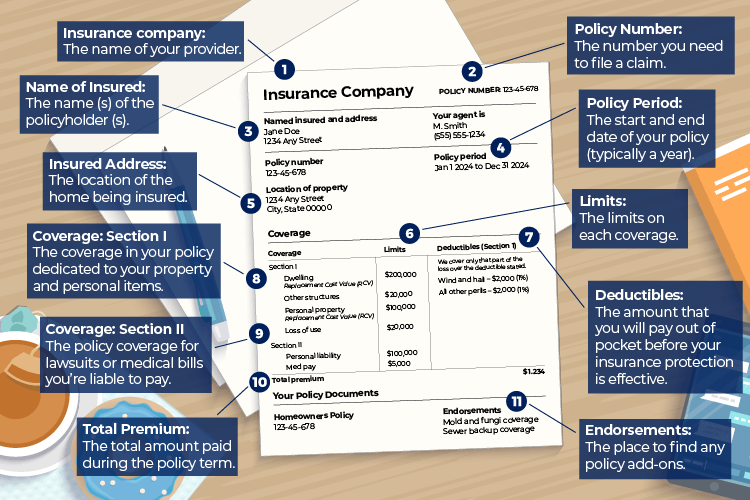
Line-by-Line Analysis of Coverage
The most critical step is ensuring an “apples-to-apples” comparison. Look beyond the total premium and meticulously examine each line item:
-
Dwelling Coverage Limits: Confirm that the dwelling coverage amount is sufficient to rebuild your home entirely at current construction costs, not just its market value.
-
Personal Property Limits: Ensure the coverage adequately protects your belongings. Consider creating a home inventory to accurately assess your needs. Pay close attention to whether coverage is for Actual Cash Value (ACV) or Replacement Cost Value (RCV). RCV pays for the cost of a new item, while ACV factors in depreciation, meaning a lower payout. Always opt for RCV if possible.
-
Liability Limits: While state minimums exist for auto insurance, homeowners liability limits are often up to you. Most experts recommend at least $300,000, or even $500,000, especially if you have significant assets, to protect against potential lawsuits.
-
Deductibles: Compare the deductible amounts for each quote. A higher deductible will lower your premium but means more out-of-pocket expense if you file a claim. Choose a deductible you can comfortably afford in an emergency.
Identifying Potential Gaps and Exclusions
Don’t just look at what’s included, but what’s explicitly not covered. Review the exclusions section of each policy. Are there specific perils relevant to your region (e.g., windstorms, hail, brush fires) that are excluded or have separate, higher deductibles? Consider adding endorsements or separate policies for:
-
Flood Insurance: Standard policies never cover floods. If you live in a flood plain, or even near one, flood insurance through the National Flood Insurance Program (NFIP) or a private insurer is essential.
-
Earthquake Insurance: Similar to floods, earthquakes are typically excluded.
-
Water Backup and Sump Pump Overflow: This coverage protects against damage from sewer backups or sump pump failures, which can be surprisingly common and costly.
-
Scheduled Personal Property: For high-value items like jewelry, furs, art, or collectibles, you may need a separate endorsement (floater) to provide adequate coverage beyond standard limits.
Beyond the Premium: Assessing Value
The cheapest policy isn’t always the best value. Consider these factors when evaluating quotes:
-
Financial Strength of the Insurer: Reputable rating agencies like A.M. Best, Standard & Poor’s, and Moody’s assess the financial stability of insurance companies. A high rating suggests the company has the financial capacity to pay out claims, even large ones.
-
Customer Service and Claims Reputation: Research reviews from current policyholders regarding their claims experience, responsiveness, and overall customer satisfaction. A smooth, fair claims process is invaluable when you need it most.
-
Available Discounts: Ensure all potential discounts you qualify for are applied. These can range from multi-policy and security system discounts to non-smoker and new home discounts.
Strategies for Optimizing Your Home Insurance Costs
Securing a great rate isn’t a one-time event; it’s an ongoing process. Several strategies can help you lower your premiums both immediately and over the long term.
Bundling Policies
One of the easiest ways to save is to bundle your home insurance with other policies, most commonly auto insurance, from the same provider. Insurers often offer substantial multi-policy discounts, sometimes 10-25% or more, for customers who consolidate their policies.
Leveraging Discounts
Don’t leave money on the table. Actively inquire about and apply for all discounts you qualify for:
-
Safety and Security Discounts: Installing smoke detectors, carbon monoxide detectors, burglar alarms, deadbolt locks, fire extinguishers, or even smart home security systems can lead to savings.
-
New Home Discount: Newer homes often have lower rates due to updated building codes and materials.
-
Claim-Free Discount: If you haven’t filed a claim for several years, you might qualify for a discount.
-
Payment Discounts: Paying your premium annually in full, setting up automatic payments, or choosing paperless billing can sometimes reduce your costs.
-
Roof Updates: Upgrading to a newer, more durable roof can lower premiums, especially in areas prone to hail or wind damage.
Regular Review and Re-evaluation
Your insurance needs evolve, and so do market rates. Make it a habit to:
-
Review Your Policy Annually: Before your policy renews, review your coverage limits and endorsements. Have you made significant home improvements? Have your personal property values changed?
-
Shop Around Periodically: While loyalty can sometimes be rewarded, it often pays to shop for new quotes every 2-3 years. Competition among insurers can lead to better deals elsewhere.
-
Adjust Coverage for Life Changes: Getting married, having children, or making a major purchase like an expensive piece of art might warrant adjusting your liability or personal property coverage.
Improving Your Home’s Risk Profile
Proactive home maintenance and upgrades can not only prevent claims but also demonstrate to insurers that you’re a lower risk.
-
Upgrade Plumbing and Electrical Systems: Replacing old wiring or pipes can reduce the risk of fire or water damage, leading to lower premiums.
-
Reinforce Against Natural Disasters: In hurricane-prone areas, installing storm shutters or impact-resistant windows can yield discounts. In earthquake zones, seismic retrofitting can help.
-
Maintain Your Property: Keep trees trimmed away from your roof, maintain proper drainage around your foundation, and keep your property well-lit to deter theft.
Conclusion
Comparing home insurance quotes is a fundamental aspect of responsible homeownership and astute personal finance management. It’s not merely about finding the lowest price but about securing comprehensive protection that aligns with your specific needs and risk tolerance, all while optimizing for cost-effectiveness. By understanding the fundamentals of coverage, strategically gathering quotes, meticulously decoding policy details, and proactively implementing cost-saving strategies, you can navigate the insurance market with confidence. Take the time to do your due diligence; it’s an investment that safeguards your home, your assets, and your financial peace of mind.
aViewFromTheCave is a participant in the Amazon Services LLC Associates Program, an affiliate advertising program designed to provide a means for sites to earn advertising fees by advertising and linking to Amazon.com. Amazon, the Amazon logo, AmazonSupply, and the AmazonSupply logo are trademarks of Amazon.com, Inc. or its affiliates. As an Amazon Associate we earn affiliate commissions from qualifying purchases.