
In the landscape of personal finance, auto insurance stands as a mandatory yet often overlooked expenditure. For many, it’s a necessary evil—a recurring bill that doesn’t immediately deliver tangible value until an unfortunate event occurs. However, treating auto insurance as a static commitment is a significant financial oversight. The market for auto insurance is highly competitive and incredibly dynamic, meaning that what was a great deal last year might be overpriced today, or perhaps no longer meets your evolving needs. Mastering the art of comparing auto insurance policies isn’t just about finding the cheapest rate; it’s about optimizing your financial protection, ensuring comprehensive coverage, and securing the best possible value for your money. This comprehensive guide will walk you through the essential steps and considerations to empower you to make informed decisions, transforming a perceived obligation into a strategic financial advantage.
The Imperative to Compare: Why Smart Shoppers Never Settle
Comparing auto insurance isn’t a one-time task; it’s an ongoing financial habit that can yield substantial benefits. The reasons to regularly evaluate your policy options extend beyond merely chasing a lower monthly premium. It’s about adapting to change and seizing opportunities for better financial outcomes.
The Dynamic Nature of Insurance Costs
Insurance premiums are not fixed; they fluctuate based on a multitude of factors, many of which are external to your driving habits. Industry-wide shifts, such as an increase in accident rates in your area, rising repair costs, or even changes in regulatory requirements, can impact pricing across the board. Furthermore, individual insurers constantly adjust their algorithms and risk assessments, leading to varying price competitiveness over time. A company that offered the most attractive rates last year might be less competitive this year, while another insurer might be aggressively seeking new customers with enticing offers. Regular comparison shopping ensures you’re not caught paying inflated rates due to market inertia.
Matching Coverage to Evolving Life Stages
Your life isn’t static, and neither should be your insurance policy. Significant life events often necessitate a review of your coverage to ensure it still provides adequate protection. Buying a new car, especially one with advanced safety features, might qualify you for new discounts. Getting married could lead to multi-car or multi-driver policy savings. Moving to a new neighborhood, changing jobs (and thus your commute), or even having a child who starts driving are all triggers for re-evaluating your insurance needs and shopping around. Your risk profile changes, and your policy should evolve to reflect that, guaranteeing you’re neither over-insured for services you don’t need nor under-insured for potential risks.
Unlocking Significant Savings Potential
Perhaps the most compelling reason to compare auto insurance is the potential for significant financial savings. Even a slight reduction in your monthly premium can accumulate into hundreds of dollars annually, which can then be allocated towards savings, investments, or other financial goals. Many consumers stick with their current provider out of convenience, assuming the hassle of switching isn’t worth it. However, with numerous online tools and resources available today, comparing quotes has become remarkably efficient, often taking just a few minutes of your time for potentially substantial financial returns. Overlooking this simple financial hygiene can equate to leaving money on the table year after year.
Decoding the Cost Drivers: Factors Influencing Your Premium
Before diving into the comparison process, it’s crucial to understand the fundamental elements that insurance companies consider when calculating your premium. By grasping these “cost drivers,” you can better anticipate quotes and even identify areas where you might be able to influence your rates.
Personal Profile: Driver Demographics and History
Your personal information plays a significant role. Your age, gender, marital status, and credit score (in many states) are all factors. Younger, less experienced drivers generally face higher premiums, as do individuals with poor credit histories, which insurers often correlate with higher claim frequency. Your driving record is paramount: a history of accidents, traffic violations (speeding tickets, DUIs), or past claims will almost certainly lead to higher rates. Conversely, a clean driving record can significantly reduce your premium, often qualifying you for “good driver” discounts.
Vehicle Characteristics: What You Drive Matters
The make, model, year, and even the color of your car contribute to your insurance costs. More expensive vehicles, luxury cars, sports cars, and those with higher repair costs (e.g., exotic parts) typically incur higher premiums for collision and comprehensive coverage. Vehicles with strong safety ratings or advanced anti-theft devices might qualify for discounts. The vehicle’s primary use (commute vs. pleasure) and annual mileage also impact rates, as less driving generally translates to lower risk.
Geographical Considerations: Location, Location, Location
Where you live and where your car is garaged can have a substantial impact on your rates. Urban areas with higher traffic density, greater rates of theft, or more frequent accidents typically command higher premiums than rural areas. Even moving a few miles within the same city can affect your rate if you cross into a different zip code with a varying risk profile. Insurers also consider local weather patterns and natural disaster risks.
Coverage Choices and Deductibles: Tailoring Your Protection
The types and amounts of coverage you choose are direct determinants of your premium. Opting for higher liability limits, adding comprehensive and collision coverage, or including extras like rental car reimbursement will naturally increase your cost. Conversely, choosing higher deductibles—the amount you pay out-of-pocket before your insurance kicks in—can significantly lower your premiums. However, this strategy requires a careful balance, as a higher deductible means you must be prepared to cover a larger initial expense in the event of a claim. Carefully assessing your risk tolerance and financial liquidity is essential when setting deductibles.
Understanding Your Options: A Deep Dive into Coverage Types
To effectively compare policies, you must first understand what you’re actually buying. Auto insurance policies are comprised of various components, each designed to protect you from different types of financial risk. Knowing these coverages allows you to build a policy that truly meets your needs without overpaying for unnecessary protection.
Core Mandatory Coverages: Liability Protection
Liability coverage is typically mandated by law in most states and is designed to protect you financially if you are at fault in an accident. It consists of two main parts:
- Bodily Injury Liability: Pays for medical expenses, lost wages, and pain and suffering for others involved in an accident where you are at fault.
- Property Damage Liability: Covers damage to another person’s property (their car, fence, building, etc.) caused by an accident where you are at fault.
Understanding the minimum legal requirements versus recommended higher limits is crucial for your financial security.
Protecting Your Vehicle: Collision and Comprehensive
These coverages protect your own vehicle, regardless of fault:
- Collision Coverage: Pays for damage to your car resulting from a collision with another vehicle or object (e.g., a tree, a pole). This is typically mandatory if you have a car loan or lease.
- Comprehensive Coverage: Protects your car from damages not involving a collision, such as theft, vandalism, fire, natural disasters (hail, floods), and hitting an animal. Also often required by lenders.
Safeguarding Against the Unknown: UM/UIM and Medical Payments
These coverages offer protection when others might not have sufficient insurance:
- Uninsured/Underinsured Motorist (UM/UIM): Pays for your medical expenses and property damage if you’re hit by a driver who has no insurance or insufficient insurance to cover your costs. This is critical given the number of uninsured drivers on the road.
- Medical Payments (MedPay) / Personal Injury Protection (PIP): These coverages pay for medical expenses for you and your passengers, regardless of who is at fault. PIP can also cover lost wages and essential services in some states. The scope varies significantly by state.
Essential Add-Ons: PIP, Roadside Assistance, and Rental Reimbursement
Beyond the core coverages, you might consider various add-ons that provide peace of mind and enhance your financial protection:
- Personal Injury Protection (PIP): (As mentioned above, but worth reiterating its importance as an add-on in some states)
- Roadside Assistance: Covers services like towing, jump-starts, tire changes, and fuel delivery if your car breaks down.
- Rental Car Reimbursement: Pays for a rental car while your vehicle is being repaired after a covered accident.
- Gap Insurance: Crucial for new cars, this pays the difference between your car’s actual cash value and the amount you still owe on your loan or lease if the car is totaled.
A Strategic Approach to Gathering and Evaluating Quotes
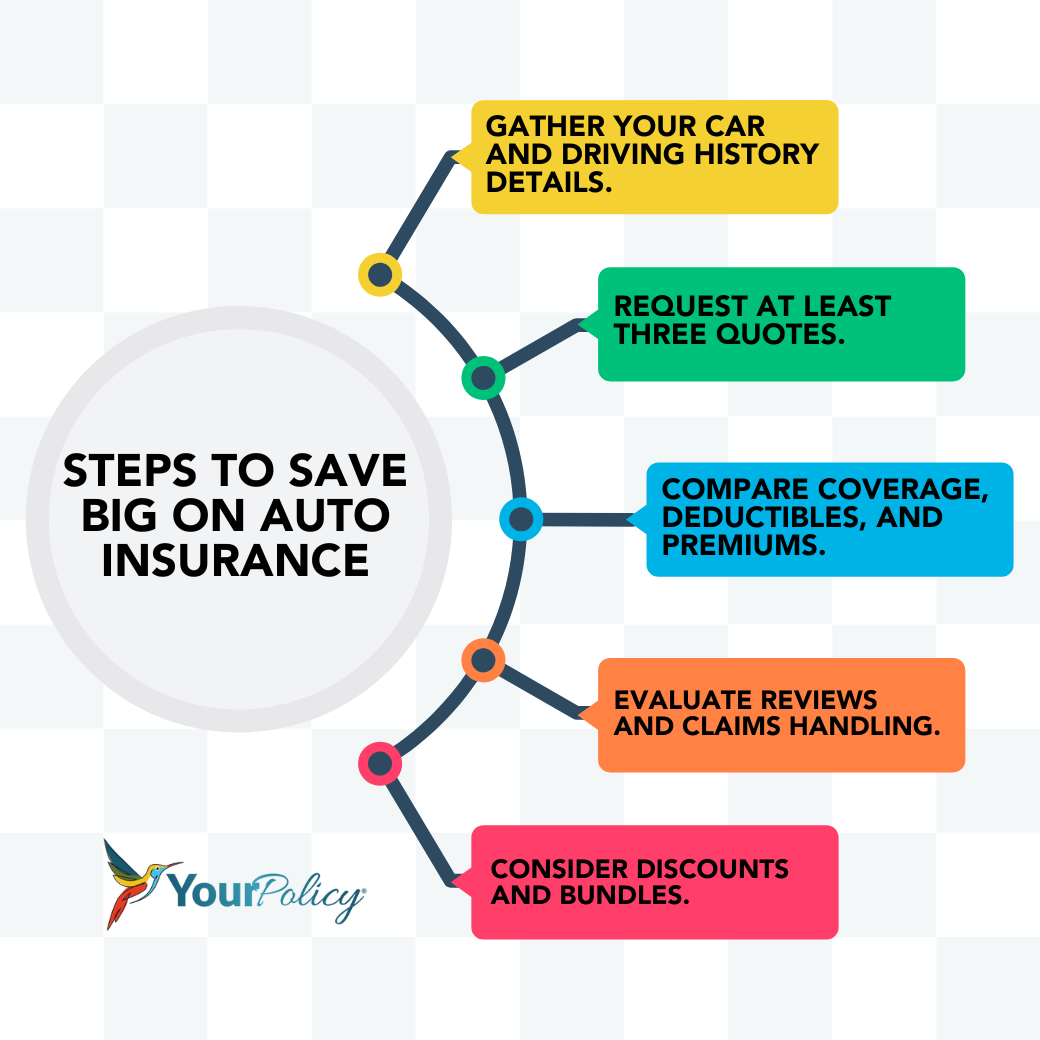
With a solid understanding of coverage types and cost drivers, you’re ready to embark on the comparison journey. This process should be systematic and thorough to ensure you find the best financial fit.
Leveraging Diverse Avenues for Quotes: Online, Agents, Direct
There are three primary ways to obtain auto insurance quotes:
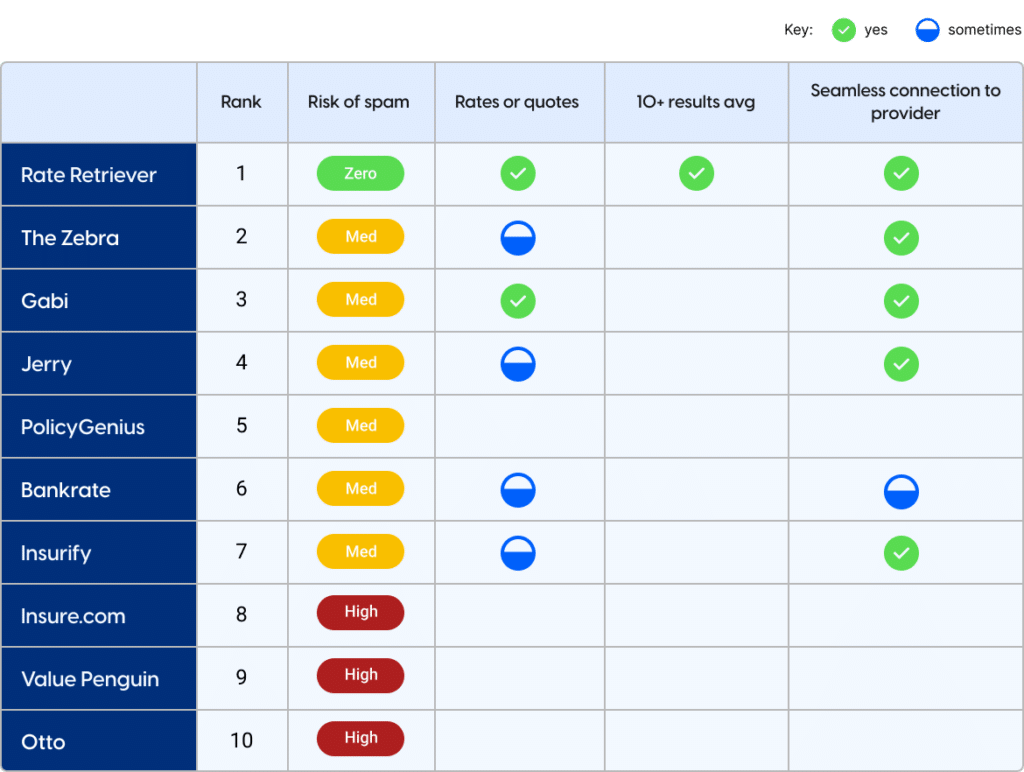
- Online Comparison Websites: Aggregators allow you to input your information once and receive multiple quotes from various insurers. These are excellent for initial broad comparisons and identifying competitive pricing.
- Independent Insurance Agents: These agents work with multiple insurance companies and can shop around on your behalf, providing personalized advice and helping you understand different policies. They can often find specialized coverage or discounts you might miss online.
- Direct Insurers: Companies like GEICO, Progressive, or State Farm allow you to get quotes directly from their websites or by calling them. While often competitive, you’ll need to contact each company individually to get a full picture. A combination of these approaches can yield the most comprehensive results.
Essential Information for Accurate Quotations
To get accurate quotes, have the following information readily available:
- Personal Information: Driver’s license number, date of birth, address, occupation, marital status, and Social Security number (for credit score checks, where permitted).
- Vehicle Information: Make, model, year, VIN (Vehicle Identification Number), current odometer reading, and safety features.
- Driving History: Details of any accidents, tickets, or claims within the last 3-5 years.
- Current Policy Details: If applicable, having your current policy on hand helps ensure you’re comparing apples to apples in terms of coverage limits and deductibles.
Beyond the Price Tag: What to Scrutinize in a Quote
While price is a major factor, it shouldn’t be the only one. A cheaper policy with inadequate coverage could be a financial disaster in the long run. When comparing quotes, pay close attention to:
- Coverage Limits: Ensure the liability limits, comprehensive, and collision deductibles are consistent across all quotes to make a fair comparison.
- Exclusions and Endorsements: Read the fine print. Are there any unusual exclusions? Are there endorsements you need (e.g., custom parts coverage) that are missing?
- Customer Service and Claims Handling: Research the insurer’s reputation. How do they handle claims? Are they easy to reach? Check reviews from sources like J.D. Power or the NAIC (National Association of Insurance Commissioners) for complaint ratios. A great price means little if the claims process is a nightmare.
- Financial Stability: While less common, ensuring your insurer is financially stable enough to pay out large claims is important. Ratings from agencies like A.M. Best can provide insight.
The Power of Discounts: Maximizing Your Savings
Don’t underestimate the impact of discounts. Insurers offer a wide array of incentives that can significantly reduce your premium. Always ask about every possible discount, including:
- Multi-Policy/Bundling: Combining auto insurance with home, renters, or life insurance.
- Good Driver/Accident-Free: For drivers with a clean record over a certain period.
- Good Student: For high school or college students maintaining a certain GPA.
- Defensive Driving Course: Completing an approved safety course.
- Anti-Theft Devices: Having alarms, immobilizers, or tracking systems.
- Low Mileage: For those who drive below a certain annual mileage.
- Loyalty/Continuous Coverage: For staying with an insurer for an extended period.
- Payment Method: Discounts for paying in full, automatic payments, or paperless billing.
When and How to Make the Switch for Optimal Financial Health
Once you’ve identified a policy that offers superior value, the final step is to transition smoothly. Knowing when to act and how to manage the switch ensures continuous coverage and avoids potential pitfalls.
Recognizing Key Triggers for Re-evaluation
While an annual review is generally recommended, certain life events are prime opportunities to compare and switch policies:
- Policy Renewal: Your renewal notice is an ideal time to shop around, as rates often change.
- Purchasing a New Vehicle: Different cars have different risk profiles and may open up new discount opportunities.
- Moving to a New Address: As discussed, location significantly impacts premiums.
- Marriage or Divorce: Changes in marital status can affect rates and multi-car discounts.
- Adding a New Driver (especially a Teen): This is a critical time to compare how different insurers price young drivers.
- Significant Change in Credit Score: An improved credit score can sometimes lead to lower rates.
- After an Accident or Violation: Your current insurer might increase your rates, making competitors more appealing.
The Seamless Transition: From Old to New Policy
Switching insurance providers doesn’t have to be complicated. Follow these steps for a smooth transition:
- Secure Your New Policy: Do not cancel your old policy until your new one is active. Set the effective date of your new policy to immediately follow the cancellation of your old one to avoid any lapse in coverage.
- Inform Your Old Insurer: Once your new policy is confirmed, contact your current insurer to cancel your policy. Most require a written request, but a phone call can initiate the process. Be prepared for them to try to retain you with a new offer.
- Receive Your Refund: If you paid your premium in advance, you should receive a prorated refund for any unused portion of your old policy.
- Update Relevant Parties: Inform your lienholder (if you have a car loan) of your new insurance provider and policy details.
- Carry Proof of Insurance: Ensure you always have proof of your new insurance in your vehicle.
Cultivating Long-Term Financial Prudence
Comparing auto insurance policies is more than just a task; it’s a critical component of sound personal financial management. By regularly assessing your coverage needs, understanding cost drivers, leveraging available discounts, and diligently comparing options, you can ensure you’re not only adequately protected but also maximizing the value of your hard-earned money. Make it an annual habit, integrate it into your financial review process, and empower yourself to take control of one of your most significant recurring expenses.
aViewFromTheCave is a participant in the Amazon Services LLC Associates Program, an affiliate advertising program designed to provide a means for sites to earn advertising fees by advertising and linking to Amazon.com. Amazon, the Amazon logo, AmazonSupply, and the AmazonSupply logo are trademarks of Amazon.com, Inc. or its affiliates. As an Amazon Associate we earn affiliate commissions from qualifying purchases.