
Auto insurance is a critical financial product, a legal necessity in most places, and a vital safety net for every driver. It protects you from the potentially devastating financial consequences of accidents, theft, and other damages. However, with a multitude of providers and an array of coverage options, navigating the auto insurance landscape can feel overwhelming. Many drivers simply renew their existing policy out of convenience, potentially leaving hundreds, if not thousands, of dollars on the table annually. The ability to effectively compare auto insurance rates is not just about saving money; it’s about making an informed financial decision that ensures you have optimal coverage at the best possible price. This guide will walk you through the intricacies of comparing rates, helping you become a more astute financial consumer in the process.
Understanding the Factors That Influence Your Premiums
Before you even begin comparing quotes, it’s crucial to understand what drives the cost of your auto insurance. Premiums are not arbitrary; they are meticulously calculated based on a complex algorithm of risk assessment. By understanding these factors, you can better position yourself to find savings and recognize why certain quotes might be higher or lower than expected.
Personal Driving Profile
Your driving history is perhaps the most significant determinant of your insurance rates. Insurers look at your record to gauge your risk as a driver. A history of accidents, traffic violations (speeding tickets, DUIs), or past claims will almost certainly result in higher premiums. Conversely, a clean driving record, especially over several years, signals lower risk and often translates to lower rates. Factors like your age and gender can also play a role, with younger, less experienced drivers typically facing higher premiums.
Vehicle Characteristics
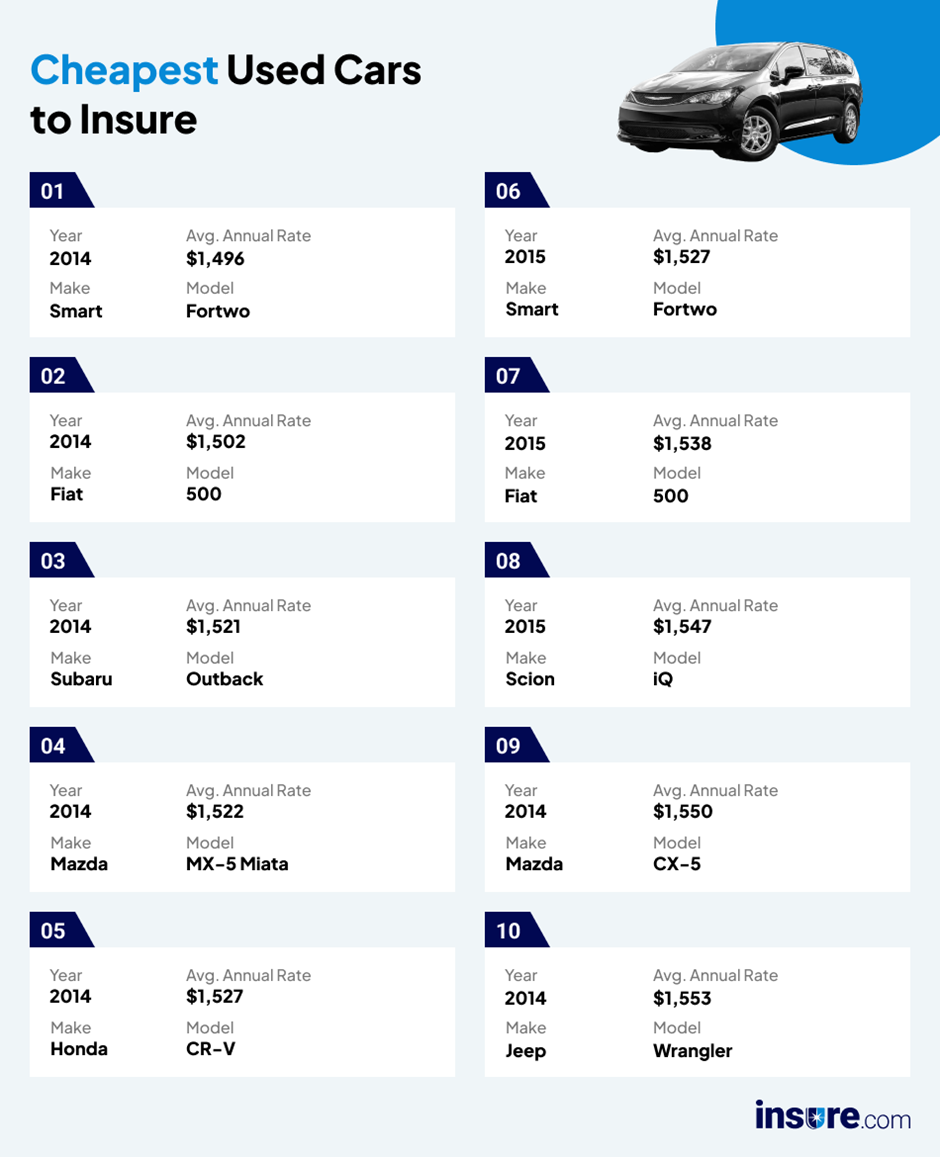
The car you drive significantly impacts your insurance costs. Insurers consider the make, model, year, and trim level of your vehicle. More expensive cars, luxury vehicles, high-performance sports cars, or models with a higher theft rate generally cost more to insure due to the higher potential for repair or replacement costs. Safety features, however, can sometimes lead to discounts, as they reduce the likelihood of injury and severe damage.
Location and Demographics
Where you live and park your car has a direct bearing on your rates. Urban areas with higher traffic density, crime rates, and greater risk of accidents or vandalism often have higher premiums than rural areas. Even your specific zip code within a city can influence your rates. Demographics, such as the local population density and average claim rates in your area, also feed into this calculation.
Coverage Choices and Deductibles
The type and amount of coverage you select are paramount. Basic liability insurance, required by law, covers damages to others. Comprehensive and collision coverage, while optional (unless required by a lender), protect your own vehicle. Adding optional coverages like roadside assistance, rental car reimbursement, or uninsured/underinsured motorist protection will increase your premium. Your deductible – the amount you pay out-of-pocket before your insurance kicks in – also plays a role. A higher deductible typically means a lower premium, as you’re taking on more initial risk yourself.
Credit Score (Where Applicable)
In many states, your credit-based insurance score is a significant factor in determining your rates. Insurers use these scores, which are derived from elements of your credit report, as a predictor of how likely you are to file a claim. Statistical data suggests a correlation between a higher credit score and a lower likelihood of filing claims, thus often leading to lower premiums for those with good credit. It’s important to note that some states prohibit the use of credit scores in setting insurance rates.
The Step-by-Step Process of Comparing Quotes
Comparing auto insurance isn’t a one-and-done task; it’s an ongoing financial diligence that can yield substantial savings. Approaching it systematically ensures you cover all bases and find the best value.
Gather Your Essential Information
Before you start, compile all necessary details. This includes your current policy information (declarations page), driver’s license numbers for all drivers on the policy, vehicle identification numbers (VINs) for all cars, current odometer readings, and any information about past accidents or claims. Having this data readily available will streamline the quote process and ensure accuracy.
Utilize Online Comparison Tools
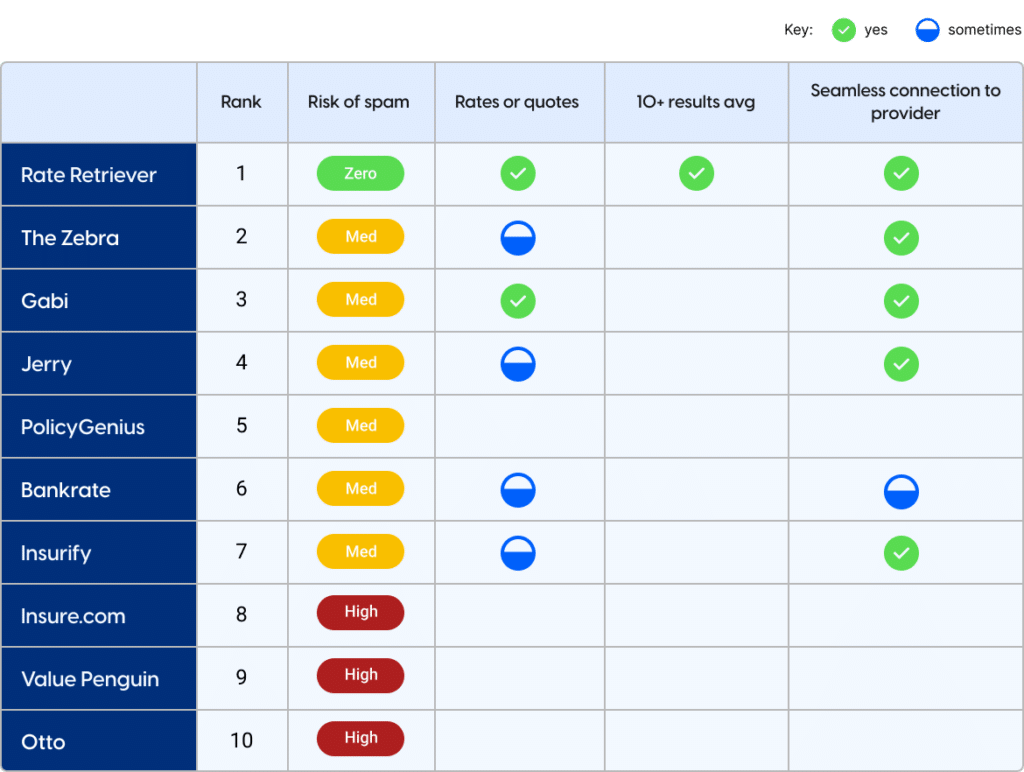
The digital age has made comparing insurance rates significantly easier. Numerous online platforms (e.g., policy comparison websites) allow you to input your information once and receive quotes from multiple insurers simultaneously. These tools are excellent starting points for getting a broad overview of the market and identifying potential providers. Be sure to use at least two or three different comparison tools, as their panel of insurers can vary.
Contact Insurance Agents Directly
While online tools are convenient, they don’t always capture every possible discount or niche policy. It’s often beneficial to contact independent insurance agents or representatives from specific insurance companies directly. Independent agents can shop multiple carriers on your behalf, often finding deals not available through online aggregators. Direct agents, on the other hand, can provide detailed insights into their specific company’s offerings and any unique policies or discounts they might have.
Don’t Just Look at the Price: Compare Coverage Details
A common financial mistake is to focus solely on the lowest premium. However, the cheapest policy isn’t always the best value if it leaves you underinsured. When comparing quotes, ensure you are comparing “apples to apples” – that is, policies with identical coverage limits, deductibles, and endorsements. Pay close attention to liability limits, comprehensive and collision deductibles, and whether optional coverages you need (like rental car reimbursement or gap insurance) are included. A slightly higher premium for robust coverage might save you significantly more in the event of a claim.
Ask About Discounts
Insurance companies offer a myriad of discounts, and often, you have to ask to ensure they’re applied. Common discounts include multi-policy (bundling auto with home/renters insurance), multi-car, good student, safe driver, defensive driving course completion, low mileage, anti-theft device installation, and even professional affiliation discounts. Don’t leave money on the table; inquire about every discount you might qualify for.
Key Considerations Beyond the Sticker Price
While price is undoubtedly a major factor, a truly savvy financial decision involves looking beyond the immediate cost to the overall value and reliability of the insurance provider.
Company Reputation and Customer Service
In the event of an accident, your insurance company’s customer service and claims processing efficiency become paramount. Research companies’ reputations. Look for customer reviews, satisfaction ratings, and complaint indexes from independent organizations. A company with a strong track record of responsive customer service and fair claims handling provides invaluable peace of mind, even if their premium is slightly higher.
Financial Strength Ratings
An insurance policy is only as good as the company backing it. Check financial strength ratings from independent agencies like A.M. Best, Standard & Poor’s, Moody’s, or Fitch. These ratings indicate an insurer’s ability to meet its financial obligations, including paying out claims. Opting for a financially stable company ensures they will be there for you when you need them most.
Policy Terms and Conditions
The devil is often in the details. Before committing to a policy, read the terms and conditions carefully. Understand what is covered, what is excluded, and any specific conditions you must meet. Pay attention to how claims are handled, cancellation policies, and renewal procedures. A thorough understanding prevents unwelcome surprises down the line.
Bundling Opportunities
Many insurers offer significant discounts when you bundle multiple policies, such as auto, home, or renters insurance. Exploring these bundling opportunities can lead to substantial long-term savings and simplify your financial management by consolidating your insurance needs with a single provider. It’s a key strategy for optimizing your overall insurance spend.
Strategies to Lower Your Auto Insurance Costs
Beyond comparing quotes, there are proactive steps you can take to reduce your premiums over time. These strategies empower you to take control of your financial outlay for auto insurance.
Maintain a Clean Driving Record
This is perhaps the most fundamental and effective way to keep your premiums low. Avoiding accidents and traffic violations demonstrates to insurers that you are a low-risk driver, which directly translates to lower rates. Many insurers offer “accident-free” or “safe driver” discounts that accrue over years of responsible driving.
Increase Your Deductible
If you have a healthy emergency fund, consider raising your comprehensive and collision deductibles. A higher deductible means you pay more out-of-pocket in the event of a claim, but it significantly reduces your premium. This strategy is a calculated financial risk, suitable for those who are prepared to cover a larger initial cost if an incident occurs.
Explore Usage-Based Insurance Programs
Many insurers now offer telematics programs where a device (or an app) tracks your driving habits, such as mileage, speed, braking, and time of day you drive. If you demonstrate safe driving behaviors, you can qualify for substantial discounts. These “pay-as-you-drive” or “usage-based” programs are excellent for low-mileage or consistently safe drivers.
Review Your Coverage Periodically
Your life circumstances change, and so should your insurance coverage. Review your policy at least once a year, or whenever significant life events occur (e.g., marriage, buying a new car, kids moving out, changing jobs). You might find that you no longer need certain coverages (e.g., comprehensive on an older car that’s not worth much) or that new discounts are available.
Shop Around Annually
Don’t be complacent. The insurance market is dynamic, and what was the best deal last year might not be this year. Rates can change due to new company policies, market competition, or even just changes in your personal profile. Make it a habit to shop for new quotes annually to ensure you’re always getting the most competitive rate.
Common Pitfalls to Avoid When Comparing Insurance
Navigating the auto insurance market can be complex, and certain missteps can lead to financial disadvantages or inadequate coverage.
Ignoring Policy Details
Focusing solely on the premium without understanding what’s included (or excluded) in the policy is a major pitfall. A lower premium might indicate lower coverage limits, higher deductibles, or a lack of crucial endorsements. Always read the fine print to ensure the policy meets your specific needs.
Assuming All Policies Are the Same
This is a dangerous assumption. While basic liability might seem standard, the nuances between comprehensive, collision, and various optional coverages can differ significantly between providers. Even definitions of what constitutes a “covered event” can vary. Take the time to understand the specifics of each quote.
Only Using One Comparison Method
Relying solely on one online comparison tool or only contacting one agent limits your options. Different platforms partner with different insurers, and direct agents often have exclusive offers. Employ a multi-pronged approach to cast a wider net and uncover all potential savings.
Falling for Too-Good-To-Be-True Offers
If a premium seems unusually low compared to other quotes for similar coverage, exercise caution. There might be hidden clauses, extremely high deductibles, or a provider with a poor financial standing. Always investigate such offers thoroughly before committing.
Conclusion: Empowering Your Financial Decision
Comparing auto insurance rates effectively is a powerful tool in personal financial management. It’s more than just finding the cheapest policy; it’s about securing comprehensive protection for your assets and peace of mind at a cost that aligns with your budget. By understanding the factors that influence your premiums, diligently gathering and comparing quotes, looking beyond the sticker price, and proactively employing cost-saving strategies, you can transform a necessary expense into a smart financial decision. Make it a habit to regularly review and compare your auto insurance. This diligence will not only save you money but also ensure you’re always well-protected on the road ahead.
aViewFromTheCave is a participant in the Amazon Services LLC Associates Program, an affiliate advertising program designed to provide a means for sites to earn advertising fees by advertising and linking to Amazon.com. Amazon, the Amazon logo, AmazonSupply, and the AmazonSupply logo are trademarks of Amazon.com, Inc. or its affiliates. As an Amazon Associate we earn affiliate commissions from qualifying purchases.