
Choosing to close a savings account is a significant financial decision that often signals a shift in one’s personal banking strategy. Whether you are migrating to a high-yield savings account (HYSA) to combat inflation, consolidating your assets for better visibility, or simply moving to a bank with fewer monthly maintenance fees, the process requires more than just withdrawing your cash. When dealing with a major institution like Bank of America, a structured approach ensures that you avoid unnecessary fees, maintain your financial reputation, and transition your capital smoothly into its next vehicle of growth.

In the world of personal finance, the efficiency with which you manage your banking transitions can have a direct impact on your liquidity and long-term financial health. This guide provides a deep dive into the technical and strategic steps required to close a Bank of America savings account while maintaining complete control over your financial ecosystem.
Preparing Your Finances Before Closing the Account
Before you initiate the closure of a Bank of America savings account, you must conduct a thorough audit of your current financial workflows. Closing an account prematurely or without preparation can lead to “zombie” transactions—automated withdrawals that hit a closed account—resulting in returned item fees or potential hits to your internal banking score.
Identifying Alternative Banking Solutions
The first step in closing any savings vehicle is identifying where that capital will reside next. In the current economic climate, many consumers are moving away from traditional “brick-and-mortar” savings accounts, which often offer interest rates significantly below the national average, toward digital-first institutions or credit unions. Before you shutter your Bank of America account, ensure your new account is fully active, the debit card has arrived, and you have verified the login credentials. This ensures that your liquid “emergency fund” remains accessible during the transition period.
Managing Outstanding Transactions and Automated Transfers
Savings accounts are often linked to various financial hubs. You may have automated transfers set up to move money from your checking account to your savings, or perhaps you use your savings account as a backup for overdraft protection.
To prevent complications:
- Audit your statements: Look back at the last three to six months of activity to identify any recurring transfers.
- Redirect links: If your savings account is linked to an external brokerage (like Vanguard or Charles Schwab) or a payment app (like Venmo or PayPal), update those links to your new institution immediately.
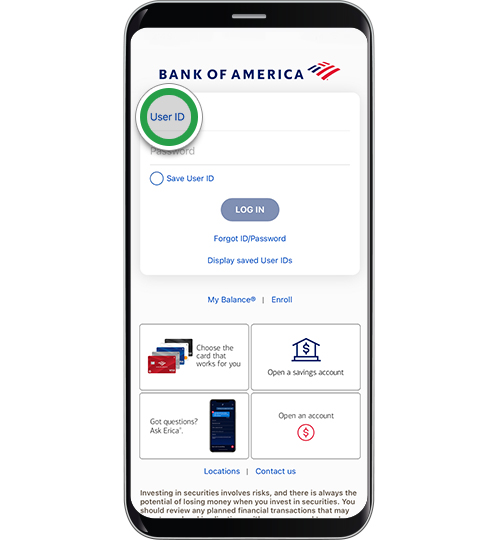
- Cancel internal transfers: Use the Bank of America mobile app to delete any scheduled transfers to or from the account you intend to close.
Zeroing Out Your Balance Strategically
While it may seem intuitive to simply withdraw all your money, the timing is crucial. If you withdraw the full balance and a stray interest payment or a small fee hits the account the next day, the account will remain open with a negative or positive “dust” balance.
Professional financial planners often recommend leaving a very small amount—perhaps $10—in the account until the final day of closure to cover any unforeseen trailing calculations. Alternatively, you can ask the bank representative to perform a “closeout transfer,” which moves every cent, including accrued interest, to another account simultaneously with the closure.
Step-by-Step Methods to Close Your Bank of America Savings Account
Bank of America offers several channels for account closure. The method you choose should depend on your comfort level with digital tools versus personal interaction, as well as the complexity of your remaining balance.
Closing via Online or Mobile Banking
For many modern consumers, the convenience of digital banking is paramount. While Bank of America’s interface is robust, they generally prefer a level of human verification for account closures to ensure security and to offer “retention” incentives.
To start the process online, log in to your Online Banking portal and navigate to the “Help & Support” or “Contact Us” tab. You can often initiate a secure chat with a representative. By requesting an account closure through chat, you create a digital paper trail of your request. Be prepared for the representative to ask why you are leaving; having a concise reason (e.g., “consolidating accounts”) will help speed up the process.
Visiting a Local Financial Center
For those who prefer a more traditional approach, visiting a Bank of America financial center is the most definitive way to close an account. This method is particularly effective if you have a large balance and want to walk out with a cashier’s check or have the funds wired immediately to another institution.
When visiting a branch:
- Bring Identification: You will need a valid government-issued photo ID.
- Request a Manager: If your account has a high net worth or complex links, speaking with a personal banker or manager ensures all “hidden” links are severed.
- Get it in Writing: Always leave the branch with a printed confirmation that the account status is “Closed” and the balance is $0.00.
Utilizing Phone Support or Written Request
If you are unable to visit a branch and prefer not to use the mobile app, you can call Bank of America’s customer service. This is a common route for individuals who have moved to a state where Bank of America does not have a physical presence.
When calling, be prepared for a verification process that may include security questions or a one-time passcode sent to your phone. If you prefer the most formal method, you can send a notarized letter to Bank of America’s mailing address requesting account closure. This letter should include your account number, your signature, and instructions on where to send the remaining balance. While slower, this provides the highest level of legal documentation.
Understanding the Financial Implications and Potential Fees
Closing a bank account is not just an administrative task; it carries specific financial weight. Understanding the fine print in your deposit agreement can save you from unexpected costs.
Avoiding Early Account Closure Penalties
Some financial institutions charge an “early account closure fee” if an account is shut down within 90 to 180 days of being opened. While Bank of America typically does not penalize long-standing customers, always check your specific account tier’s terms. If you recently opened the account to collect a sign-up bonus, closing it too early might result in the bank clawing back that bonus.
Impact on Your Credit Score and Banking Relationship
A common misconception in personal finance is that closing a savings account affects your credit score. Unlike credit cards, which influence your “credit utilization” and “length of credit history,” savings accounts are not reported to the three major credit bureaus (Equifax, Experian, and TransUnion).
However, your banking history is tracked by ChexSystems. As long as you close the account with a positive or zero balance, your ChexSystems report will remain healthy. If you abandon an account and it closes with a negative balance due to unpaid fees, it could make it difficult to open a bank account elsewhere in the future.
Handling Final Interest Accruals
Savings accounts at Bank of America accrue interest daily but usually post it monthly. If you close your account mid-cycle, you are entitled to the interest earned up to that point. When requesting closure, specifically ask how the “trailing interest” will be handled. Most representatives will calculate the pro-rated interest and add it to your final disbursement.
Post-Closure Best Practices for Long-Term Wealth Management
Once the account is closed, your work is not quite finished. Effective financial management requires a “clean-up” phase to ensure the closure is permanent and that your capital is working as hard as possible elsewhere.
Securing Official Confirmation of Closure
Within 7 to 10 business days of closing your account, you should receive a final statement or a letter via mail or email confirming the closure. Store this document digitally or in a physical fireproof safe. This is your primary defense if a “zombie” charge suddenly reactivates the account or if the bank mistakenly reports an “active” status to a credit-monitoring service.
Updating Your Financial Record-Keeping
In the age of digital wealth management, many people use aggregators like Mint, Rocket Money, or Personal Capital to track their net worth. After closing your Bank of America savings account, you must manually disconnect or “hide” the account within these apps. Leaving a disconnected account in your dashboard can lead to inaccurate net worth calculations and “broken link” notifications that clutter your financial overview.
Additionally, for tax purposes, remember that you will still receive a 1099-INT form at the end of the year if your savings account earned more than $10 in interest before it was closed. Ensure Bank of America has your current mailing address even after the account is closed so you receive this vital tax document.
Transitioning to Higher-Yield Savings Opportunities
The primary motivation for many leaving traditional banks is the pursuit of yield. Once your funds are freed from a standard savings account, consider the hierarchy of savings:
- High-Yield Savings Accounts (HYSA): Often offering 10x to 20x the interest rate of traditional banks.
- Money Market Accounts: Offering liquidity with slightly higher rates and check-writing privileges.
- Certificates of Deposit (CDs): If you don’t need the money for 6–12 months, locking in a high rate can protect you against future rate drops.
By successfully navigating the closure of your Bank of America savings account, you aren’t just ending a service—you are actively managing your capital and moving toward a more optimized financial future. Professionalism and attention to detail in this process ensure that your transition is seamless, secure, and financially rewarding.
aViewFromTheCave is a participant in the Amazon Services LLC Associates Program, an affiliate advertising program designed to provide a means for sites to earn advertising fees by advertising and linking to Amazon.com. Amazon, the Amazon logo, AmazonSupply, and the AmazonSupply logo are trademarks of Amazon.com, Inc. or its affiliates. As an Amazon Associate we earn affiliate commissions from qualifying purchases.