
For many, managing credit cards is an integral part of their financial life. They offer convenience, security, and often, attractive rewards. However, there comes a time when closing a credit card, even one from a prominent institution like Bank of America, becomes a strategic and necessary financial decision. Whether you’re consolidating debt, simplifying your financial portfolio, or simply no longer need a particular card, understanding the proper procedure and its implications is paramount. This guide will walk you through the comprehensive process of closing a Bank of America credit card, exploring the reasons behind such a decision, the critical considerations to weigh beforehand, and the exact steps to ensure a smooth and financially sound closure.
Why Consider Closing a Bank of America Credit Card?
The decision to close a credit card is rarely made on a whim. It often stems from a thoughtful review of one’s financial health and future objectives. While credit cards can be powerful financial tools, they can also become liabilities or simply redundant.
Debt Management and Simplification
One of the most common reasons for closing a credit card is a concerted effort to manage or reduce debt. Carrying multiple credit cards, especially with high balances, can be overwhelming. Consolidating debt onto a single, lower-interest card or a personal loan might make an old card superfluous. Closing an account that is fully paid off can prevent the temptation to accrue new debt, thereby simplifying your financial obligations and reducing mental load. For those committed to becoming debt-free, eliminating potential avenues for new debt is a logical step.
Avoiding Annual Fees
Many premium credit cards come with annual fees, which can range from modest amounts to several hundred dollars. These fees are typically justified by extensive rewards programs, travel benefits, or exclusive perks. However, if your spending habits or travel plans change, or if you find you’re no longer utilizing the card’s benefits to offset the annual fee, keeping it open becomes an unnecessary expense. Bank of America, like other major issuers, offers a range of cards with varying fee structures. Regularly reviewing your card’s value proposition against its cost is a sound financial practice. If the cost outweighs the benefits, closure (or a product change) is a prudent move.
Reducing Temptation and Overspending
For individuals who struggle with impulse purchases or have a history of overspending, closing a credit card can be a crucial step towards better financial discipline. The physical presence of an available line of credit can sometimes be an irresistible lure. By removing that option, you eliminate a potential source of financial stress and reinforce a commitment to living within your means. It’s a proactive measure to prevent future financial pitfalls and cultivate healthier spending habits.
Shifting Financial Strategies and Seeking Better Rewards
The credit card market is dynamic, with issuers constantly introducing new products with compelling rewards, introductory offers, and benefit structures. You might find that another Bank of America card, or a card from a different issuer, better aligns with your current spending patterns, financial goals (e.g., cash back, travel points, balance transfers), or offers superior perks. In such cases, closing an old card to make way for a more advantageous one, especially if it helps manage your overall credit card count, can be a strategic move to maximize your financial benefits.
Preparing for a Major Loan Application
When applying for significant loans like a mortgage or an auto loan, lenders scrutinize your entire financial profile, including your credit utilization and the number of open credit accounts. While closing a card can sometimes temporarily impact your credit score, strategically closing accounts, particularly those with low limits or a history of inactivity, can sometimes simplify your credit profile in a way that is favorable to lenders. It shows a deliberate approach to managing your debt and responsibilities, though this must be done with careful consideration of credit score implications.
Critical Considerations Before You Close
While the reasons for closing a credit card can be compelling, it’s crucial to understand the potential ramifications. A hasty decision can have unintended negative consequences on your credit score and financial flexibility.
Impact on Your Credit Score: Credit Utilization and Length of Credit History
This is arguably the most significant factor to consider. Your FICO credit score is heavily influenced by two key components related to open accounts:
-
Credit Utilization Ratio: This ratio compares the amount of credit you’re using to your total available credit. Closing an account reduces your total available credit. If you carry balances on other cards, your utilization ratio could increase significantly, potentially lowering your score. Ideally, you want to keep this ratio below 30%.
-
Length of Credit History: The longer your credit accounts have been open and in good standing, the better. Closing an older card, especially one with a long history, can shorten the average age of your accounts, which can negatively impact your score over time. Lenders view a long credit history positively, as it demonstrates a consistent ability to manage credit responsibly.
Before closing, calculate how it will affect your overall available credit and utilization. If you have other cards with high limits and low balances, the impact might be minimal. If the card you’re closing is one of your oldest or holds a significant portion of your total credit limit, proceed with caution.
Outstanding Balances and Rewards
You cannot close a credit card account if it has an outstanding balance. You must pay off the entire amount due, including any accrued interest, before initiating the closure process. Ensure the payment has fully cleared and the balance reflects zero.
Equally important are any accumulated rewards points, cash back, or miles. Bank of America’s rewards programs often allow you to redeem or transfer points. Once an account is closed, any unredeemed rewards are typically forfeited. Before contacting Bank of America, log into your account and redeem or transfer all your rewards. If you have an associated checking or savings account, you might be able to transfer cash back directly.
Alternative Solutions to Closing
Before taking the final step to close your card, consider if there are viable alternatives that might better serve your financial interests:
-
Downgrading (Product Change): If you want to avoid an annual fee but preserve your credit history, ask Bank of America if you can downgrade your existing card to a no-annual-fee version. This maintains the account’s age and credit limit, mitigating negative credit score impacts, while removing the recurring fee.
-
Balance Transfers: If debt consolidation is your primary goal, a balance transfer to a new card with a 0% introductory APR might be a better solution than closing the card and incurring higher interest elsewhere.
-
Reducing Credit Limit: If the temptation to overspend is the issue, you could request a reduction in your credit limit rather than closing the account entirely. This keeps the account open, preserving its age and contributing to your total available credit, but limits your spending capacity.
Autopayments and Subscriptions Linked to the Card
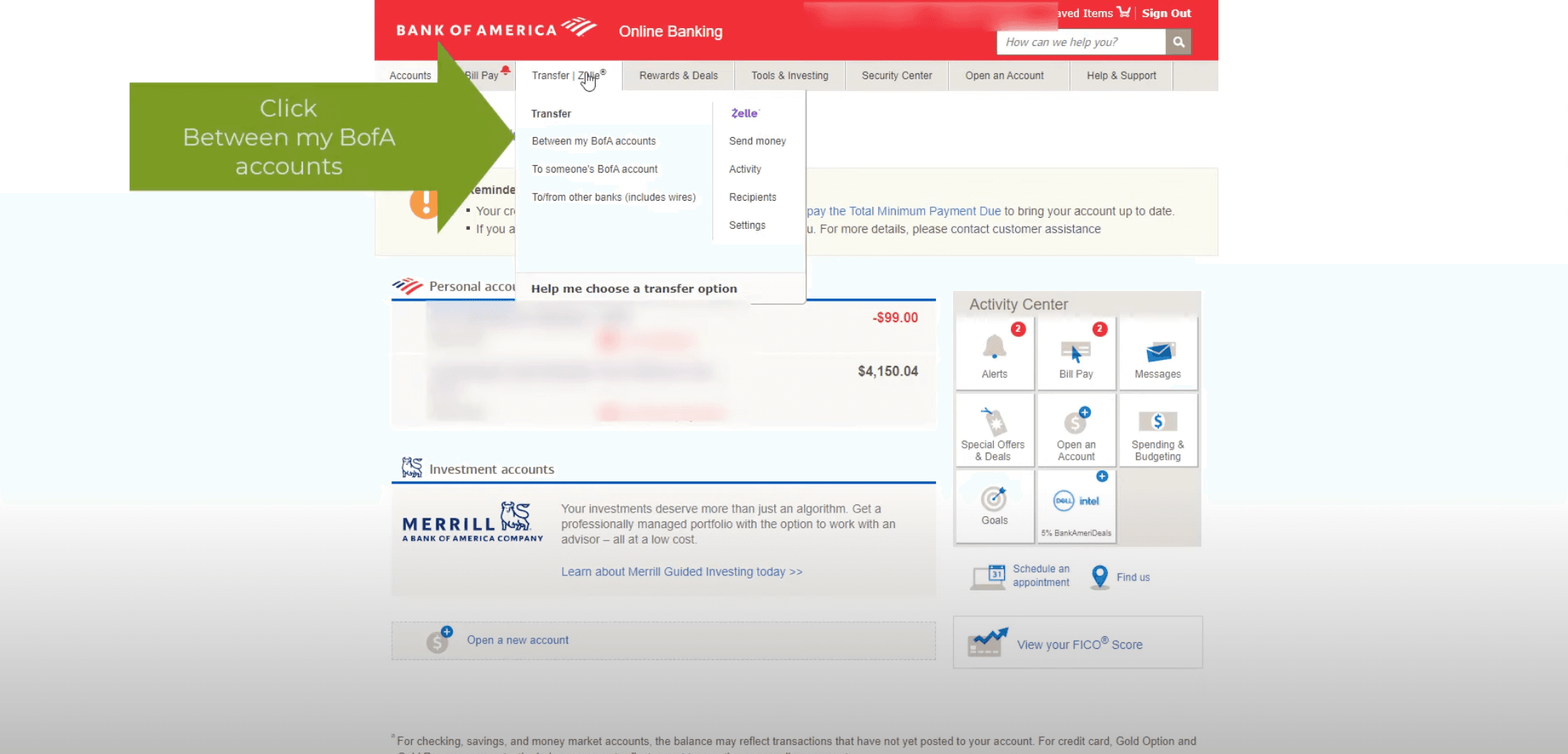
Many people link credit cards to automatic payments for utilities, streaming services, subscriptions, or recurring bills. Before closing your Bank of America card, ensure you update all these recurring payments with a new card or payment method. Failing to do so can lead to missed payments, late fees, and service interruptions. Create a comprehensive list of all linked services and proactively update them well in advance of the closure.
Joint Accounts and Authorized Users
If your Bank of America credit card is a joint account or has authorized users, all parties need to be aware of and agree to the closure. Authorized users do not own the account and cannot close it themselves, but their credit report may reflect the account’s closure, potentially impacting their score as well. For joint accounts, both primary account holders typically need to consent to the closure.
The Step-by-Step Process to Close Your Bank of America Credit Card
Once you’ve carefully considered all factors and decided that closing your Bank of America credit card is the right move, follow these steps to ensure a smooth and effective process.
Step 1: Pay Off Your Balance Completely
This is non-negotiable. Log into your Bank of America online account or use their mobile app to confirm your current balance. Pay off every cent, including any pending charges or accrued interest, ensuring the balance reaches $0.00. Wait for the payment to fully process and clear your account. This might take a few business days. Double-check your statement and online account to verify a zero balance before proceeding.
Step 2: Redeem or Transfer Rewards
Before making the call, exhaust any remaining rewards. Navigate to the rewards section of your Bank of America online account. Redeem your cash back, transfer your points, or use your miles. Remember, once the account is closed, these rewards are typically forfeited, representing a lost financial opportunity. Some programs might offer a grace period, but it’s always safer to redeem them beforehand.
Step 3: Contact Bank of America
This is the most direct and crucial step. While some banks allow online closure, it’s often best to speak with a representative to ensure all steps are correctly followed and to get confirmation.
-
Phone: Call the customer service number located on the back of your credit card or on Bank of America’s official website. Be prepared for potential attempts to retain you as a customer. The representative may offer incentives like a lower interest rate, a product change, or a waiver of an annual fee. Politely but firmly state your intention to close the account.
-
Branch Visit (Optional): While not strictly necessary, you can visit a Bank of America branch to initiate the closure. This might be preferable for those who prefer in-person interactions or have complex queries. Ensure you speak with a banking officer who handles credit card services.
-
Online (Limited): Some basic options might be available through secure messaging within your online banking portal, but phone contact is generally more effective for confirming closure.
When speaking with a representative, clearly state that you wish to close the account and confirm that the balance is zero and rewards have been redeemed. Request written confirmation of the closure.
Step 4: Confirm Closure in Writing
Verbal confirmation is a good start, but written documentation is essential for your records. Ask the Bank of America representative to send you a letter or email confirming that the account has been closed and has a zero balance. This documentation is vital should any discrepancies or issues arise later, serving as proof of your request and the bank’s action. Note down the date and time of your call, the representative’s name or ID, and a reference number for the closure request.
Step 5: Cut Up the Card and Monitor Your Account
Once you have received written confirmation, physically destroy the card by cutting it into multiple pieces, ensuring the chip and magnetic stripe are rendered unusable. This prevents unauthorized use.
For the next few billing cycles, diligently monitor your Bank of America statements to ensure no new charges appear and that the account status is indeed “closed.” Also, regularly check your credit report (you can get a free report annually from AnnualCreditReport.com) after 30-60 days to verify that the account is reported as “closed by grantor” or “closed by consumer with a zero balance” and that its status is accurately reflected. This monitoring is vital to catch any errors or lingering issues.
What to Expect After Closure
The immediate aftermath of closing a credit card may not be dramatic, but its long-term effects on your financial profile warrant attention.
Monitoring Your Credit Report
As mentioned, regularly checking your credit report is critical. Ensure the closed account is accurately reported. Look for details like “closed,” “zero balance,” and the date of closure. If you notice any discrepancies, contact Bank of America immediately to rectify the error and, if necessary, dispute it with the credit bureaus. An incorrectly reported open account or an outstanding balance can negatively impact your score and future lending opportunities.
Potential Follow-Up Communication from Bank of America
It’s not uncommon to receive some follow-up communication from Bank of America, even after closure. This could include final statements (showing a zero balance), marketing offers for other products, or confirmations. Review these communications carefully to ensure they align with your understanding of the account’s status.

The Long-Term Impact on Your Financial Profile
While there might be a temporary dip in your credit score due to changes in utilization or average account age, the long-term impact of closing a card can be positive if done strategically. Reducing unnecessary credit lines, especially those with fees or high-interest rates, can lead to better financial discipline, simplified management, and a stronger financial foundation. Over time, as other accounts mature and your responsible payment history continues, any initial negative impact on your score will likely dissipate. The key is responsible credit management across all your remaining accounts.
Closing a Bank of America credit card is a significant personal finance decision. By understanding the motivations, carefully weighing the implications, and meticulously following the outlined steps, you can ensure a smooth process that aligns with your broader financial goals, contributing to a healthier and more manageable financial future.
aViewFromTheCave is a participant in the Amazon Services LLC Associates Program, an affiliate advertising program designed to provide a means for sites to earn advertising fees by advertising and linking to Amazon.com. Amazon, the Amazon logo, AmazonSupply, and the AmazonSupply logo are trademarks of Amazon.com, Inc. or its affiliates. As an Amazon Associate we earn affiliate commissions from qualifying purchases.