
Deciding to close a checking account, particularly with a major institution like Citi, is a significant financial decision that requires careful planning and execution. Whether you’re consolidating accounts, seeking better banking options, or simply no longer need the account, navigating the closure process efficiently can save you time, prevent fees, and safeguard your financial integrity. This comprehensive guide will walk you through the essential steps, considerations, and available methods to ensure a smooth transition, allowing you to manage your personal finances with confidence and precision.
Closing a bank account isn’t merely about emptying it; it’s about systematically untangling your financial ties to ensure no loose ends remain. From direct deposits and automatic payments to understanding potential fees and confirming final closure, each step demands attention to detail. This article aims to provide an insightful roadmap, empowering you with the knowledge to execute this process flawlessly and maintain a clean financial slate.

The Prudent Path: Essential Preparations Before Closing
Before you even consider reaching out to Citi, a series of preparatory steps are crucial to prevent disruptions to your financial life. Rushing this stage can lead to bounced payments, missed income, and unexpected fees. Think of this as laying the groundwork for a seamless exit.
Zeroing Out: Managing Your Account Balance
The first and most critical step is to manage the funds within your Citi checking account. Ideally, you want to bring the balance to zero, or at least a minimal amount, before initiating the closure process.
- Transferring Funds Out: Carefully transfer all necessary funds to your new primary checking account or another safe financial instrument. Utilize electronic transfers (ACH), wire transfers, or even cashier’s checks. Be mindful of transfer limits and processing times, which can vary. For large sums, consider breaking them into smaller transfers or opting for a wire transfer for speed, though it often incurs a fee.
- Accounting for Pending Transactions: Before making a final withdrawal or transfer, ensure all checks you’ve written have cleared and all debit card transactions have posted. Check your transaction history diligently. Any pending transaction could cause a negative balance or complicate the closure process if it posts after you’ve emptied the account. It’s often advisable to wait a few extra days after your last transaction to ensure everything has fully processed.
- Addressing Minimum Balance Requirements: Some Citi checking accounts might have minimum balance requirements to avoid monthly service fees. While you plan to close the account, be aware that if your balance drops below this threshold before closure, you might still incur a fee. Factor this into your timing or be prepared for a final small charge.
Re-routing Your Financial Flow: Direct Deposits and Automatic Payments
One of the most common pitfalls when closing a checking account is forgetting to update recurring financial transactions. This can lead to missed income, overdue bills, and late fees, causing unnecessary stress and financial penalties.
- Updating Direct Deposits: Contact your employer, government agencies (for social security, veterans benefits, etc.), or any other source of recurring income to update your direct deposit information to your new account. Provide them with your new account number and routing number well in advance. Request confirmation once the change has been implemented.
- Switching Automatic Payments: This is arguably the most labor-intensive but vital step. List all automatic bill payments, subscriptions, and recurring transfers linked to your Citi checking account. This includes utility bills, loan payments, streaming services, gym memberships, insurance premiums, and any third-party payment apps (e.g., PayPal, Venmo) connected to the account. For each, log into the respective service, navigate to payment settings, and update the account information to your new checking account. Keep a meticulous record of these changes and their effective dates. Consider cancelling services you no longer use as part of this financial spring clean.
- Monitoring During Transition: After updating your direct deposits and automatic payments, continue to monitor both your old Citi account and your new account for a cycle or two to ensure all changes have successfully taken effect and no payments are still mistakenly routed to the old account.
Documenting Your History: Downloading Statements and Transaction Records
Once your account is closed, accessing past statements and transaction history can become challenging, if not impossible, without a formal request process. It’s essential to preserve your financial records for tax purposes, personal budgeting, and potential future disputes.
- Accessing Online Statements: Log into your Citi online banking portal. Download all available monthly statements, ideally for the past 5-7 years, as PDF files. Ensure you save them in a secure, organized folder on your computer or cloud storage.
- Transaction History: Download a detailed transaction history for the current year and any relevant periods not covered by full statements. This granular data can be invaluable for reconciling past budgets or verifying specific transactions.
- Importance of Records: These documents serve as proof of income, proof of payment for bills, and essential data for tax filing. They also provide a historical overview of your spending and saving habits.
What to Do with Your Cards and Checks
Physical items linked to your account also need to be handled responsibly to prevent potential fraud and ensure a clean break.
- Destroying Debit Cards: Once you’ve confirmed all transactions have cleared and your new financial arrangements are in place, securely destroy your Citi debit card. Cut through the magnetic stripe, chip, and account number to render it unusable.
- Disposing of Unused Checks: Similarly, destroy any unused checks linked to the account. Shredding them is the most secure method. Do not simply throw them away, as they contain sensitive account information.
Navigating the Closure Channels: Your Options for Citi
Citi, like most major banks, offers several avenues for closing a checking account. Understanding each method’s pros and cons can help you choose the most convenient and effective approach for your situation. Regardless of the method, always be prepared to provide personal identification (e.g., driver’s license, Social Security number) to verify your ownership of the account.
The Digital Route: Online or Mobile App Considerations
While many banks are moving towards more comprehensive online services, closing a primary checking account entirely online with Citi might have limitations. Some banks allow initiating the request online, especially if the balance is zero, but may require further verification or a follow-up call.
- Check Citi’s Online Banking Portal: Log into your Citi online account and navigate to the customer service or account management sections. Look for options related to account closure. If available, follow the prompts, which typically involve confirming the account to be closed and acknowledging terms.
- Benefits: Convenience and speed if fully supported.
- Drawbacks: May not be available for all account types or in all scenarios, especially if there’s a balance or complex linked services. It might also lack the direct confirmation and immediate issue resolution of an in-person or phone call.
A Personal Touch: Closing In-Branch
Visiting a Citi branch in person is often the most direct and reassuring way to close an account, especially if you have a significant balance or require specific documentation.
- Process: Bring a valid government-issued photo ID (e.g., driver’s license, passport) and your Citi debit card. Inform a customer service representative of your intention to close the account. They will guide you through the necessary paperwork.
- Benefits: Immediate confirmation of closure, ability to ask questions directly, receive a cashier’s check for any remaining balance on the spot, and resolve any outstanding issues instantly. It also provides a paper trail with signatures.
- Drawbacks: Requires physical travel and adherence to branch operating hours.
The Telephonic Approach: Calling Citi Customer Service
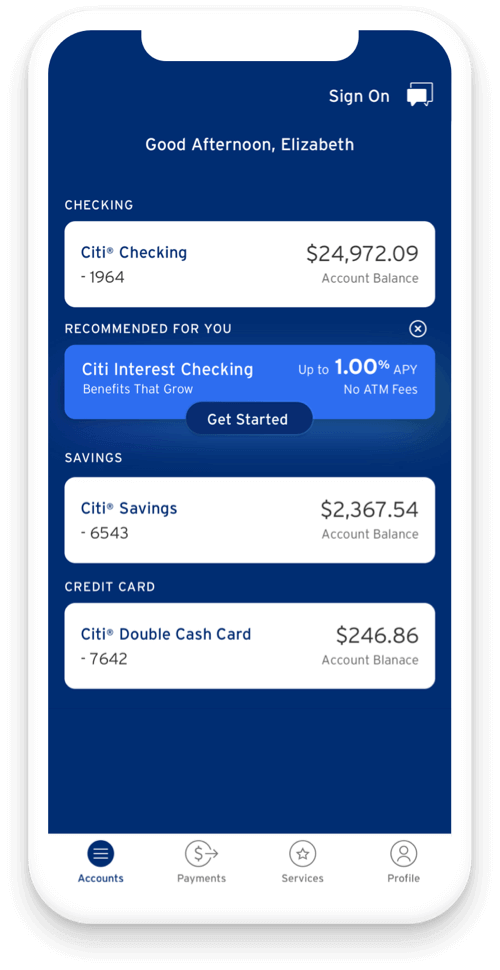
For many, calling customer service strikes a balance between convenience and direct interaction. This method allows for verbal confirmation and clarification without needing to visit a physical location.
- Citi Customer Service Number: Locate the correct customer service number for your Citi checking account (it’s usually on your statements or the back of your debit card).
- What to Expect: Be prepared for security questions to verify your identity. Clearly state your intention to close the checking account. The representative will walk you through the process, confirm the balance, and discuss any remaining funds or fees. They may offer to mail you a check for the remaining balance.
- Benefits: Convenient from anywhere, allows for direct conversation and clarification, and avoids travel.
- Drawbacks: Potential for long wait times, and you might need to wait for a mailed check for remaining funds. Always request a confirmation number or email for your records.
The Traditional Method: Closing by Mail
While less common today, closing an account by mail can be an option if you cannot visit a branch or use the phone. This method requires careful attention to detail and patience.
- Letter of Instruction: Draft a formal letter requesting the closure of your checking account. Include your full name, account number, contact information, and a clear statement of your intent. Instruct Citi on how to disburse any remaining funds (e.g., mail a check to your address, transfer to another account you specify with its details).
- Proof of Identity: Enclose a clear photocopy of a valid government-issued photo ID.
- Mailing Address: Find the correct mailing address for account services or closures on Citi’s website or by calling customer service.
- Benefits: Useful if you’re traveling or have limited access to other methods.
- Drawbacks: Slowest method, lacks immediate confirmation, and can be nerve-wracking waiting for confirmation. It’s highly recommended to send the letter via certified mail with a return receipt requested to ensure it’s received.
Post-Closure Vigilance: Ensuring a Clean Break
Closing an account isn’t over until you’ve received definitive confirmation and monitored your financial landscape for any lingering issues. A proactive approach here can prevent future headaches.
Confirming Account Closure and Requesting Proof
This step is non-negotiable. Do not assume your account is closed simply because you initiated the process.
- Wait for Official Confirmation: Citi should send you a formal letter or email confirming the account’s closure. This might take a few days to a couple of weeks after your request.
- Requesting a Zero-Balance Letter: It is highly advisable to specifically request a “zero-balance letter” or “account closure letter” from Citi. This official document explicitly states that the account is closed and has a zero balance, serving as invaluable proof should any discrepancies arise in the future. Keep this letter with your other important financial documents.
- Verify Online Access: Attempt to log into your Citi online banking portal for the closed account. Ideally, you should no longer be able to access it or it should clearly indicate the account is closed.
Understanding Potential Fees and Penalties
While the goal is a clean closure, sometimes fees can be unavoidable or unexpected.
- Early Closure Fees: Some banks charge a fee if you close an account within a certain period of opening it (e.g., 90 or 180 days). Review your account’s terms and conditions or ask a representative if this applies to your situation.
- Monthly Service Fees: If you initiate closure but the account remains open for a period and drops below a minimum balance, a monthly service fee might still be assessed.
- Negative Balances: Any outstanding fees, charges, or unposted transactions that result in a negative balance could delay closure or lead to collections efforts. Ensure all funds are accounted for before finalizing closure.
Monitoring Your Financial Landscape
Even after confirmation, a period of vigilance is prudent.
- Review New Account Statements: For the next few months, meticulously review statements from your new primary checking account to ensure all direct deposits and automatic payments are correctly routing.
- Check Credit Report (Indirectly): While closing a checking account doesn’t directly impact your credit score, unpaid fees or a negative balance that goes to collections can negatively affect it. Regularly check your credit report for any inaccuracies or unexpected activity, which is a good practice anyway.
Beyond Closure: Alternative Strategies and Why They Matter
Sometimes, outright closure isn’t the only, or even the best, solution. Exploring alternatives might offer benefits you hadn’t considered, especially if you’re trying to avoid fees or simply streamline your banking.
Re-evaluating Your Needs: Alternatives to Full Closure
- Downgrading Account Type: If high monthly fees are the primary reason for closure, consider if Citi offers a no-fee or low-fee checking account that meets your minimal needs. This might involve reducing features but keeping a relationship with the bank, which can be useful for other products like credit cards or loans.
- Exploring Fee Waivers: Some banks will waive monthly service fees if you meet certain criteria, such as maintaining a minimum balance, having direct deposits above a certain threshold, or linking other accounts. Check if you qualify for any waivers before closing.
- Using as a Secondary Account: Perhaps you don’t need it as your primary account but it could serve as a secondary account for specific purposes, like saving for a particular goal or managing a specific budget, especially if it’s a no-fee option.
The Broader Financial Impact
Decisions about bank accounts often reflect broader financial strategies.
- Consolidating Accounts: Closing an account can be part of a larger strategy to simplify your financial life, making it easier to track spending, manage budgets, and achieve financial goals. Fewer accounts mean less administrative overhead.
- Seeking Better Value: The decision to close an account often stems from a desire for better interest rates, lower fees, or enhanced digital tools elsewhere. This forces you to re-evaluate your banking relationship and ensure it aligns with your financial priorities.
- Building New Relationships: Shifting your primary banking to a new institution can open doors to different financial products, services, and benefits that might be more suitable for your current and future needs.

Final Thoughts: A Seamless Transition
Closing a Citi checking account, while seemingly straightforward, involves a multi-step process that demands diligence and foresight. By meticulously preparing, choosing the appropriate closure method, and rigorously following up, you can ensure a smooth transition without encountering unexpected financial hiccups.
Remember, the goal is not just to close an account but to do so in a manner that strengthens your overall financial management. Use this opportunity to audit your direct deposits, automatic payments, and recurring subscriptions, ensuring your financial ecosystem is optimized and aligned with your current financial goals. With careful planning and execution, you can close your Citi checking account with confidence, paving the way for a more streamlined and efficient financial future.
aViewFromTheCave is a participant in the Amazon Services LLC Associates Program, an affiliate advertising program designed to provide a means for sites to earn advertising fees by advertising and linking to Amazon.com. Amazon, the Amazon logo, AmazonSupply, and the AmazonSupply logo are trademarks of Amazon.com, Inc. or its affiliates. As an Amazon Associate we earn affiliate commissions from qualifying purchases.