
Closing a bank account might seem like a simple administrative task, but it’s a decision with various financial implications that warrant careful consideration. Whether you’re consolidating accounts, switching banks for better services, moving to a new area, or simply no longer need a particular account, understanding the correct procedures is crucial. This comprehensive guide will walk you through the process of closing a Wells Fargo checking account, offering insights into the necessary preparations, the steps involved, and what to consider post-closure to ensure a smooth transition and maintain your financial well-being.

Why You Might Consider Closing Your Account
Deciding to close a checking account is often driven by a combination of personal financial goals and practical considerations. Understanding the common motivations can help you assess if closing your Wells Fargo account aligns with your broader financial strategy.
Changing Financial Needs
Life changes frequently necessitate adjustments to our financial arrangements. You might have found a new bank offering better interest rates on checking accounts, lower fees, or more convenient digital tools that better suit your evolving financial habits. Perhaps you’ve simplified your finances and no longer require multiple checking accounts, or your income and spending patterns have shifted, making your current account less ideal. Evaluating your current and future financial needs is the first step in determining if a change is warranted.
Dissatisfaction with Services
Customer experience plays a significant role in banking relationships. If you’ve encountered recurring issues with Wells Fargo’s customer service, online banking platform, mobile app, or branch availability, you might be driven to seek a bank that provides a more seamless and satisfactory experience. High or unexpected fees, insufficient ATM access, or a lack of desired financial products (like specific savings options or investment tools) can also be strong motivators for seeking alternatives.
Relocation or Consolidation
Moving to a new city or state can make maintaining a local banking relationship challenging, especially if your new location lacks convenient branch access. In such cases, switching to a national bank with a broader footprint or a local credit union in your new area often makes more sense. Similarly, many individuals choose to consolidate their financial accounts to simplify management, reduce the risk of forgotten accounts, and gain a clearer overall picture of their finances. Fewer accounts can mean less administrative overhead and a more streamlined financial life.
Avoiding Fees or Inactivity
Banks often charge monthly maintenance fees unless certain conditions are met, such as maintaining a minimum balance, setting up direct deposit, or making a specified number of debit card transactions. If you find it difficult to meet these requirements, or if the fees are eroding your account balance, closing the account can be a prudent financial decision. Furthermore, accounts that remain inactive for extended periods can sometimes incur inactivity fees or even be escheated to the state after a very long dormancy period, making closure a way to prevent future complications and protect your funds.
Essential Preparations Before Closing
Before you formally request to close your Wells Fargo checking account, several critical preparatory steps must be taken to prevent financial disruptions, avoid additional fees, and ensure a smooth transition. Rushing this stage can lead to bounced payments, missed deposits, and headaches down the line.
Reviewing Account Activity and Balances
Start by thoroughly reviewing your account statements for the past several months, ideally up to a year. Identify all recurring debits (like subscription services, utility bills, loan payments) and credits (like direct deposits from your employer or government benefits). Note any checks that have been written but not yet cleared. Ensure your account balance is sufficient to cover any outstanding transactions. It’s advisable to cease using the account for new transactions once you decide to close it to minimize complications.
Updating Direct Deposits and Automatic Payments
This is perhaps the most critical step. Every direct deposit currently linked to your Wells Fargo checking account, whether it’s your paycheck, Social Security benefits, or a pension, must be redirected to your new bank account. Contact your employer’s HR or payroll department, government agencies, or other entities responsible for these deposits and provide them with your new account information.
Similarly, all automatic payments (ACH transfers, bill pay services, recurring debit card charges) linked to your Wells Fargo account need to be updated. This includes utilities, internet, phone bills, loan payments, insurance premiums, streaming services, gym memberships, and any other recurring deductions. Failing to update these can result in missed payments, late fees, and potential damage to your credit score. It’s recommended to keep your Wells Fargo account open with a small buffer balance for a few weeks after making these changes to catch any missed updates.
Transferring Funds and Settling Outstanding Debts
Once you’ve ensured all direct deposits and automatic payments are re-routed, you can begin the process of transferring your remaining funds. You can typically do this via an electronic transfer (ACH) to your new bank account, a wire transfer (which may incur a fee), or by requesting a cashier’s check from Wells Fargo for the full remaining balance. If you have any outstanding debts linked to your Wells Fargo account, such as a credit card or line of credit, make sure these are settled or transferred to another institution before closing the checking account, as they might be intertwined.
Downloading Statements and Records
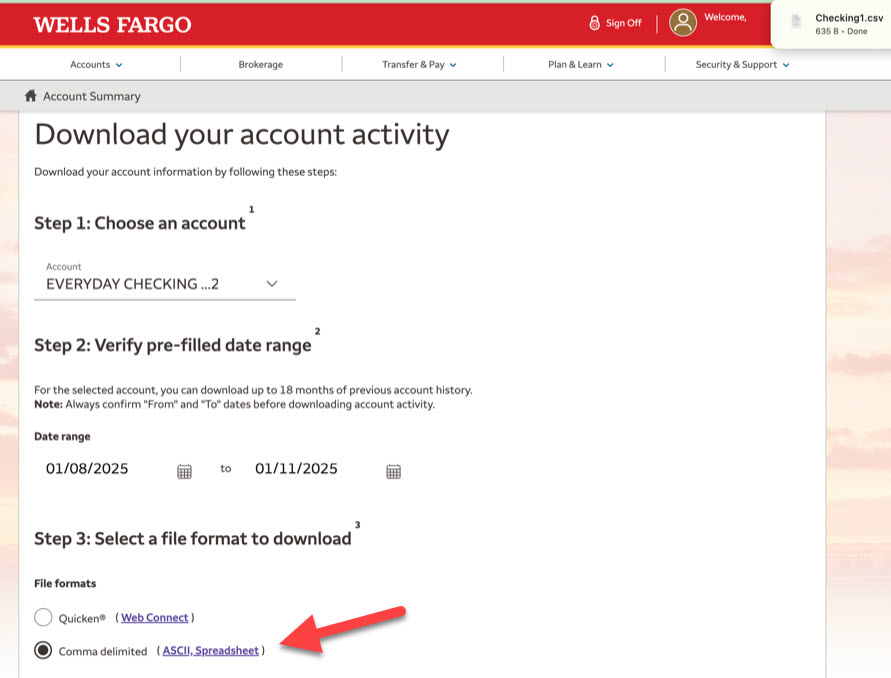
Even after closing your account, you’ll need access to past statements for tax purposes, budgeting, or resolving potential disputes. Wells Fargo typically allows you to access statements online for a certain period even after closure, but it’s best practice to download and save digital copies of at least the past five to seven years of statements. Securely store these documents on your computer, an external hard drive, or a cloud service. You might also request a final statement confirming the account closure and a zero balance.
The Step-by-Step Process to Close Your Wells Fargo Account

Wells Fargo offers several methods to close a checking account, each with its own advantages depending on your preference and circumstances. Regardless of the method, ensure you have completed all the preparatory steps outlined above.
Online and Mobile Banking Options
For many, the most convenient way to manage bank accounts is through digital platforms. Wells Fargo allows some accounts to be closed online or via their mobile app, particularly if the account has a zero balance and no pending transactions. Navigate to the “Customer Service” or “Account Services” section within your online banking portal or mobile app. Look for an option related to “Close Account” or “Manage Accounts.” If available, follow the prompts, which will typically require you to confirm your identity and the account you wish to close. Be aware that certain conditions, such as a negative balance or recent activity, might prevent online closure, necessitating another method.
In-Person at a Branch
Visiting a Wells Fargo branch is often the most straightforward and secure method, especially if you have a remaining balance that needs to be issued as a check, or if you prefer direct assistance. Bring a valid government-issued photo ID (e.g., driver’s license, passport) and your Wells Fargo debit card or account number. Inform a banker of your intent to close the account. They will guide you through the necessary paperwork, verify your identity, and ensure all outstanding issues are resolved. You can request a cashier’s check for your remaining balance, or they can facilitate an immediate transfer to another Wells Fargo account if you have one. This method also provides an opportunity to receive a printed confirmation of closure on the spot.
Via Phone or Mail
If visiting a branch is not feasible, you can typically close your account over the phone. Call Wells Fargo’s customer service line (usually found on their website or the back of your debit card). Be prepared to verify your identity through security questions and potentially your account number and other personal details. Clearly state your intention to close the account. The representative will guide you through the process, which may involve mailing you a form to sign and return. If you choose to close the account by mail, you will typically need to send a signed written request (including your account number and instructions for dispensing the remaining balance) to the address provided by Wells Fargo customer service. Always send important documents via certified mail with a return receipt requested for proof of delivery.
Confirmation and Follow-Up
Regardless of the method used, always request a written confirmation of the account closure. This could be an email, a letter, or a printout from a branch. This document serves as proof that the account is officially closed and has a zero balance. It’s also wise to monitor your new bank account and your credit report for a few weeks after closure to ensure all direct deposits and automatic payments have successfully transitioned and no unexpected activity occurs on the closed account. If you receive any mail from Wells Fargo related to the supposedly closed account, investigate it immediately.
Potential Pitfalls and Considerations
Closing a bank account isn’t without its potential complexities. Being aware of these common pitfalls can help you navigate the process more effectively and avoid unwelcome surprises.
Account Closure Fees
While less common for standard checking accounts, some banks might charge an account closure fee, especially if the account has been open for a very short period (e.g., less than 90 or 180 days). Review your Wells Fargo account agreement or inquire with customer service about any potential fees associated with early closure. Factor these into your decision-making.
Impact on Credit Score (Indirect)
Closing a checking account generally does not directly impact your credit score, as checking accounts are not typically reported to credit bureaus. However, indirect impacts can occur if you fail to update automatic payments linked to the account, leading to missed bill payments. Missed payments, particularly for loans or credit cards, will negatively affect your credit score. Therefore, ensuring all recurring payments are redirected is paramount.
Handling Joint Accounts
If your Wells Fargo checking account is a joint account, all account holders typically need to consent to its closure. Depending on Wells Fargo’s policies, this may require all parties to be present in person, or for all parties to sign the closure request form. Discuss the closure with the other account holder(s) in advance to ensure a smooth process and avoid misunderstandings.
What to Do with Remaining Funds
Decide how you want to handle any remaining balance in the account. As mentioned, options include transferring it electronically to another account, receiving a cashier’s check, or potentially having it applied to another Wells Fargo account (like a savings account). Ensure you receive all your funds. If the balance is very small, some banks might offer to donate it to charity or simply issue a check.
After Your Account is Closed: Best Practices
The process doesn’t end the moment you receive closure confirmation. A few follow-up actions can safeguard your financial future and ensure a clean break.
Monitoring Your Financial Health
For several months after closing your Wells Fargo account, continue to monitor your new bank account for all expected deposits and withdrawals. Check your bills and statements to confirm that all automatic payments have successfully transitioned and are being paid from the correct new account. Regularly review your credit report (you can get a free copy annually from each of the three major credit bureaus) to ensure no unexpected activity related to the old account impacts your credit.
Securely Disposing of Account-Related Documents
Once you’ve downloaded all necessary historical statements and received final closure confirmation, securely dispose of any physical documents related to the Wells Fargo account. This includes old checks, debit cards (cut them diagonally through the chip and magnetic stripe), and any paper statements you haven’t digitized. Shredding is the best method to protect your personal and financial information from identity theft.
Exploring New Banking Alternatives
Closing an account often means opening a new one. Take this opportunity to research and select a financial institution that truly meets your needs. Consider factors like fees, interest rates, ATM network, online and mobile banking features, customer service reputation, and specialized services. Many digital-first banks and credit unions offer competitive advantages over traditional banks. Use comparison tools and read reviews to make an informed decision that enhances your financial journey.
Closing a Wells Fargo checking account, when done systematically and thoughtfully, is a manageable process that can contribute positively to your personal financial management. By meticulously preparing, following the correct procedures, and conducting diligent follow-up, you can ensure a seamless transition and move forward with confidence in your financial arrangements.
aViewFromTheCave is a participant in the Amazon Services LLC Associates Program, an affiliate advertising program designed to provide a means for sites to earn advertising fees by advertising and linking to Amazon.com. Amazon, the Amazon logo, AmazonSupply, and the AmazonSupply logo are trademarks of Amazon.com, Inc. or its affiliates. As an Amazon Associate we earn affiliate commissions from qualifying purchases.