
Deciding to close a bank account is a significant step in managing your personal financial ecosystem. Whether you are moving to a new region, seeking higher interest rates at an online-only institution, or simply consolidating your accounts to reduce monthly maintenance fees, the process of closing a Regions Bank account requires a strategic approach. While it might seem as simple as withdrawing your cash and walking away, failing to follow the correct procedures can lead to unexpected fees, “zombie” accounts that reopen due to automated transactions, and potential hits to your credit history or banking reputation.

In the modern financial landscape, your bank account is the hub of your economic life. It connects to your employer via direct deposit, your service providers via ACH transfers, and your investment platforms via linked transfers. Therefore, closing an account at a major institution like Regions Bank involves more than just a signature; it requires a meticulous audit of your cash flow and a clear understanding of the bank’s internal policies.
Preparing Your Finances for a Smooth Transition
Before you initiate the formal closing process with Regions Bank, you must ensure that your financial house is in order. Closing an account prematurely or without preparation is one of the most common mistakes consumers make, often resulting in overdraft fees from forgotten subscriptions or rejected deposits.
Audit Your Automatic Payments and Direct Deposits
The first and most critical step is to perform a three-month audit of your bank statements. Look for every recurring transaction, including monthly utility bills, streaming services, gym memberships, and insurance premiums. These “invisible” transactions are the primary cause of account closure failures. If a merchant attempts to pull funds from a closed account, the bank may either reject the payment—causing you late fees with the vendor—or reopen the account to process the transaction, leading to overdraft and maintenance fees.
Simultaneously, you must redirect your income. Notify your employer’s payroll department to switch your direct deposit to your new financial institution. Be aware that payroll updates can take one to two pay cycles to take effect. Do not close your Regions account until you have confirmed that at least one full paycheck has successfully landed in your new account.
The Importance of the “Buffer” Account
Financial experts recommend opening your new bank account at least 30 days before closing your old one. This “overlap period” acts as a safety net. During this month, you should keep a small balance in your Regions account—enough to cover any lingering checks or unexpected debits—while you begin routing new activity through your new bank. This transition period ensures that you are never without access to liquid capital during the switch.
Clearing Outstanding Transactions
If you still use paper checks, ensure that every check you have written has been cashed and cleared. A “floating” check is a liability; if it hits your account after you have initiated the closing process, it will bounce, damaging your relationship with the payee and potentially resulting in a report to ChexSystems, the consumer reporting agency that banks use to track account mishandling.
Methods for Closing Your Regions Bank Account
Regions Bank offers several channels for closing an account, though the availability of these methods can depend on your specific account type and your geographic location. Unlike opening an account, which is designed to be frictionless, closing an account often requires a more formal interaction to ensure all legal and financial obligations are met.
Closing in Person at a Branch
For most customers, visiting a physical Regions Bank branch is the most efficient and definitive way to close an account. Speaking with a personal banker allows you to settle your final balance to the penny and receive immediate, printed confirmation of the closure.
When you go to the branch, bring a valid government-issued photo ID and your remaining debit cards and checkbooks. The banker will calculate your final balance, subtract any pending fees, and provide you with a cashier’s check or cash for the remaining funds. This method is highly recommended because it eliminates the “gray area” of waiting for mail or phone processing.
Closing via Phone Support
If you have moved away from the Regions service area (which primarily covers the South, Midwest, and Texas), you can close your account by calling their customer service department. During this call, you will need to verify your identity through a series of security questions.
When closing via phone, be prepared to provide instructions on how you want your remaining balance delivered. Regions can typically mail a check to the address they have on file. It is vital to confirm that your contact information is up to date before starting this process. Always ask for a reference number for the call and the name of the representative assisting you.
Closing via Written Request
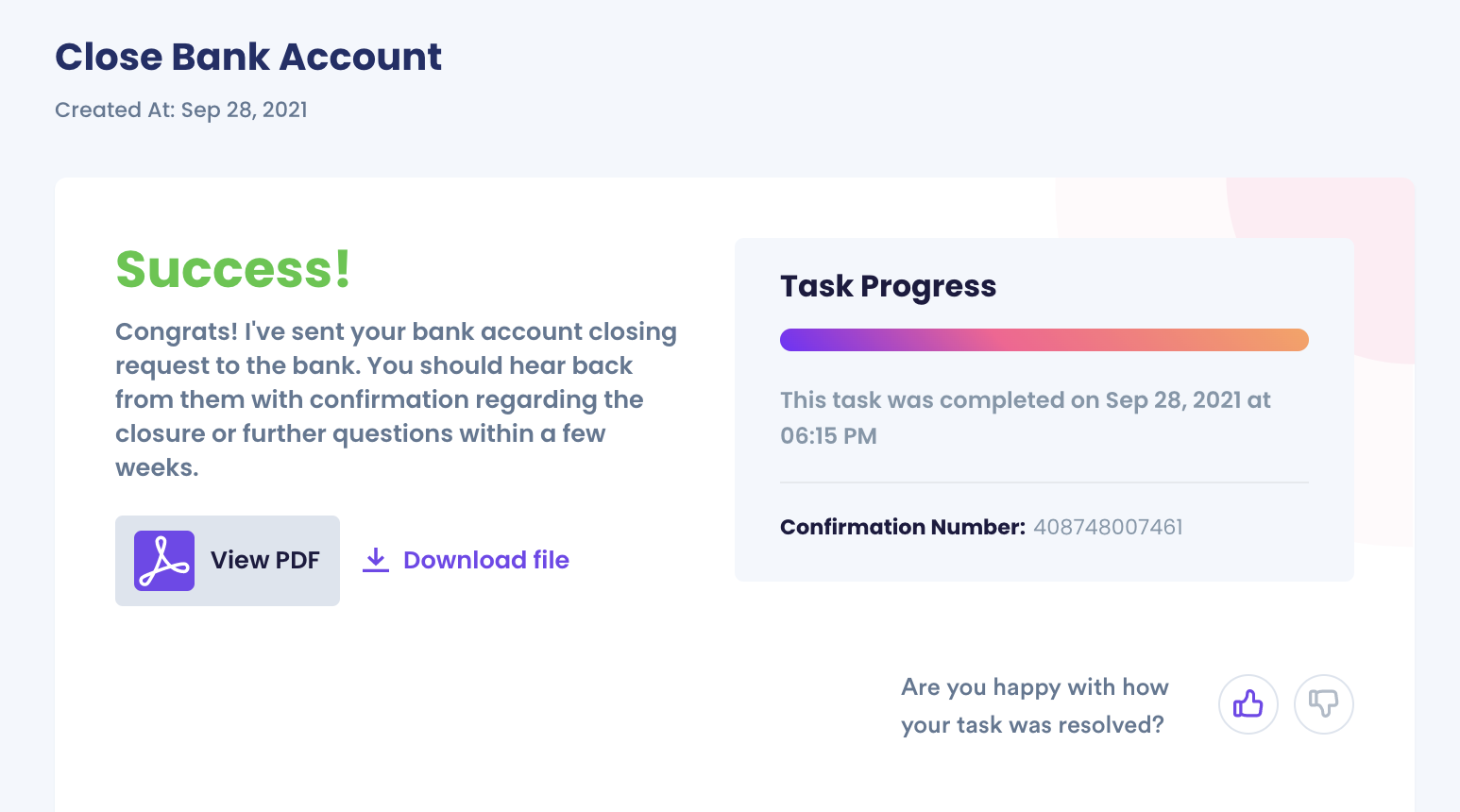
For those who prefer a paper trail or have complex account structures, sending a notarized letter is a formal alternative. Your letter should include your full name, account number, a clear request to close the account, and instructions for the disbursement of the remaining balance. Sending this via certified mail with a return receipt requested provides legal proof that the bank received your request. This is often the preferred method for executors of estates or those managing business accounts from a distance.
The Online Limitations
While Regions Bank has a robust online banking platform, they generally do not allow users to fully close a primary checking or savings account through the mobile app or web portal with a simple click. This is a security measure to prevent unauthorized account liquidations. You may be able to initiate a chat with a representative through the online portal, but they will likely redirect you to the phone line or a branch for final verification.
Financial Risks and Strategic Considerations
Closing a bank account is not just a logistical task; it is a financial decision that can have minor ripple effects on your economic profile. Understanding the nuances of bank policies will help you avoid unnecessary costs.
Account Closure Fees and Minimum Balances
Most banks, including Regions, may charge an “early account closure fee” if you close an account within a specific window—typically 90 to 180 days after opening it. If you are a new customer looking to leave, check your original account agreement to see if this fee applies.
Additionally, be wary of “falling below the minimum balance” during your final month. If your account requires a $1,500 balance to waive a monthly fee and you transfer $1,400 to your new bank while waiting for the closure to finalize, you may be hit with a maintenance fee on your final statement. It is often better to pay the fee once to ensure a clean break than to try and time the balance to zero perfectly.
Impact on Credit Scores and ChexSystems
Generally, closing a standard checking or savings account has no direct impact on your FICO credit score, as these are not credit instruments. However, if your account has an associated “overdraft line of credit,” closing that line could technically affect your credit utilization ratio or the average age of your accounts.
More importantly, you must avoid leaving the account with a negative balance. If an account is closed while overdrawn and the debt remains unpaid, Regions may report the incident to ChexSystems. A negative report here can make it extremely difficult to open an account at any other bank for five to seven years.
Handling Joint and Business Accounts
If you are closing a joint account, both parties typically need to authorize the closure, depending on the “and/or” status of the account holders. For business accounts, Regions may require corporate resolution documents or proof of authorization from all listed officers. These accounts often have more “legs”—such as merchant service links or payroll tax integrations—that must be decoupled before the account is shuttered.
Finalizing the Process: Post-Closure Best Practices
The process is not truly over when you walk out of the bank. To ensure complete financial security, you must perform a few final administrative tasks.
Securing Your Written Confirmation
Never assume an account is closed until you have a document stating so. Whether it is a receipt from a branch or a letter in the mail, keep this confirmation for at least one year. If a “zombie” transaction occurs months later and the bank tries to charge you fees, this document is your primary evidence to have those charges reversed.
Physical Security: Destroying Old Tools
Once the account is closed, your old debit cards, unused checks, and deposit slips are nothing more than security risks. Shred them immediately using a cross-cut shredder. Old checks contain your routing and account numbers, which can be used for identity theft or fraudulent ACH transfers if they fall into the wrong hands.
Monitor Your New Account and Final Statements
For the first 60 days after closing your Regions account, keep a close eye on your new bank statements. Look for any “failed transfer” notifications or returned items. Sometimes, a subscription you forgot about might try to hit the old account; seeing the failure on your new statement (or through a notification from the vendor) allows you to update your payment method before facing service interruptions.
By approaching the closure of your Regions Bank account with a structured, professional plan, you protect your liquidity, maintain your financial reputation, and pave the way for a more efficient banking experience elsewhere. Financial mobility is a key component of personal wealth management, and knowing how to exit a banking relationship is just as important as knowing how to enter one.
aViewFromTheCave is a participant in the Amazon Services LLC Associates Program, an affiliate advertising program designed to provide a means for sites to earn advertising fees by advertising and linking to Amazon.com. Amazon, the Amazon logo, AmazonSupply, and the AmazonSupply logo are trademarks of Amazon.com, Inc. or its affiliates. As an Amazon Associate we earn affiliate commissions from qualifying purchases.