
In the realm of personal finance, managing credit cards is a critical skill. While opening a new card can offer attractive rewards and benefits, knowing when and how to responsibly close one is equally important. Deciding to close a Citi credit card, or any credit card for that matter, is a financial decision that warrants careful consideration. It’s not merely a simple cancellation; it involves understanding the potential impacts on your credit score, outstanding rewards, and overall financial health. This guide aims to demystify the process, offering a professional, insightful, and engaging walkthrough for individuals looking to streamline their financial portfolio and make informed decisions about their credit.

Closing a credit card can be a strategic move to eliminate debt, simplify your finances, or avoid unnecessary fees. However, it’s crucial to approach this decision with a clear understanding of the implications. From ensuring all balances are paid off to redeeming your hard-earned rewards, each step in the process contributes to a smooth and financially sound transition. By following a structured approach, you can navigate the complexities of credit card closure while safeguarding your financial well-being and maintaining a healthy credit profile.
When to Consider Closing a Citi Credit Card
The decision to close a credit card should never be taken lightly. It’s often driven by a desire for greater financial control, but understanding the specific situations where closure is beneficial is key. Weighing the pros and cons based on your personal financial circumstances will help you determine if closing your Citi card aligns with your broader financial goals.
Eliminating Unnecessary Debt
One of the primary reasons individuals consider closing a credit card is to eliminate the temptation of accumulating more debt. If you find yourself consistently carrying a balance, or if the card encourages spending beyond your means, closing it can be a decisive step towards financial discipline. By removing the immediate access to credit, you force yourself to rely on cash or debit for purchases, which can be a powerful tool in debt reduction strategies. This is particularly true for cards with high-interest rates where the cost of carrying a balance quickly erodes your financial stability. For those committed to paying down debt, closing a problematic card can prevent a relapse into old spending habits.
Simplifying Your Financial Portfolio
For individuals with multiple credit cards, managing them can become cumbersome. A complex financial portfolio with numerous accounts can lead to missed payments, forgotten due dates, and an overall lack of clarity regarding your financial standing. Consolidating or simplifying your credit card accounts by closing dormant or less frequently used cards can significantly streamline your personal finance management. This simplification makes it easier to track spending, monitor balances, and ensure timely payments, ultimately contributing to better financial organization and reduced stress. A streamlined approach allows you to focus your attention on the cards that truly serve your financial needs.
Avoiding Annual Fees
Many premium credit cards come with annual fees, which can range from modest to significant. While these fees often grant access to exclusive perks, rewards, and benefits, they only offer value if you consistently utilize those offerings. If you’re no longer leveraging the benefits of a Citi credit card that carries an annual fee – perhaps your travel habits have changed, or you’ve found a more suitable rewards program elsewhere – closing it can be a smart financial move. Paying an annual fee for a card you rarely use, or whose benefits no longer outweigh the cost, is essentially throwing money away. Before closing, however, ensure you’ve weighed the fee against any outstanding benefits or impact on your credit score, as discussed in subsequent sections.
Reducing Temptation to Spend
Human behavior plays a significant role in financial management. For some, the mere presence of an open credit line, even if it’s not being used, can be a temptation to spend. This is especially true during challenging financial periods or when impulsive buying is a concern. Closing a credit card can act as a psychological barrier, helping you stick to a budget and avoid unnecessary expenditures. It’s a proactive measure to prevent potential financial pitfalls by removing the immediate means of acquiring debt. This strategy is particularly effective for those who recognize a pattern of overspending with specific cards.
Post-Bankruptcy or Debt Management Program Completion
After successfully navigating a bankruptcy or completing a debt management program, individuals often seek a fresh start. Closing credit cards that were part of the previous debt burden can be a symbolic and practical step in this journey. While some accounts might be closed by creditors during such processes, proactively closing any remaining ones can help solidify new, healthier financial habits. It signals a complete break from past financial struggles and a commitment to building a more stable future. It’s a clean slate approach, allowing you to rebuild credit thoughtfully with new, more manageable financial tools.
Potential Financial Implications of Closing a Credit Card
While closing a credit card can be beneficial, it’s crucial to understand the potential repercussions, particularly concerning your credit score and other financial safeguards. A seemingly simple act can have cascading effects that impact your ability to secure future loans or favorable interest rates.
Impact on Your Credit Score
This is arguably the most significant consideration. Your credit score is influenced by several factors, two of which can be directly affected by closing a credit card:
- Credit Utilization Ratio: This ratio represents the amount of credit you’re currently using compared to your total available credit. Closing a card reduces your total available credit, which can cause your utilization ratio to increase, even if your outstanding debt remains the same. A higher utilization ratio (typically anything above 30%) can negatively impact your credit score. For example, if you have two cards, each with a $5,000 limit, and you owe $1,000 on one, your utilization is $1,000/$10,000 = 10%. If you close the card with no balance, your total available credit drops to $5,000, making your utilization $1,000/$5,000 = 20%. While still good, it’s higher.
- Length of Credit History: The age of your credit accounts contributes to your credit score. When you close an older card, its history often remains on your credit report for up to 10 years, continuing to contribute positively. However, new credit scoring models might place more emphasis on open, active accounts. If the card you’re closing is your oldest account, it could potentially shorten the average age of your credit accounts in the long run, which might have a slight negative impact, particularly if you have a relatively short overall credit history.
Losing Rewards Points or Benefits
Citi credit cards often come with attractive rewards programs, offering points, miles, or cash back. Before closing your card, ensure you’ve redeemed or transferred any outstanding rewards. Most rewards programs state that points are forfeited upon account closure if not utilized. Similarly, some cards offer specific benefits like extended warranty protection, purchase protection, travel insurance, or concierge services. Closing the card means you lose access to these protections and services for any future purchases made, or potentially even for past purchases if the benefit requires an active account.
Forfeiting Card-Specific Protections
Beyond general rewards, many credit cards provide specific protections that can be invaluable. These might include cell phone protection, rental car insurance, lost luggage reimbursement, or fraud liability protection. If you rely on your Citi card for any of these specific benefits, closing it would mean losing that safety net. Evaluate if you have alternative coverage through other cards or insurance policies before proceeding.
Affecting Emergency Fund Access
Credit cards, especially those with high limits and low balances, can serve as an informal emergency fund for unexpected expenses. While not an ideal long-term strategy compared to a dedicated savings account, for some, it provides a crucial safety net. Closing such a card removes this immediate line of credit, which could leave you in a vulnerable position if a sudden financial need arises and you don’t have an alternative liquid emergency fund readily available.
The Step-by-Step Process to Close Your Citi Credit Card
Once you’ve carefully considered the implications and decided to proceed, following a structured process is essential to ensure a smooth closure and avoid future complications. This methodical approach minimizes risks and protects your financial standing.
Step 1: Pay Off Your Balance Completely
This is the most critical step. You cannot close a credit card with an outstanding balance. Ensure that your account balance is precisely zero, including any pending interest charges or fees that might accrue between your last payment and the closure request. It’s often advisable to pay a little extra to create a small credit balance, which Citi will refund to you, just to be absolutely certain you don’t leave any residual amount that could prevent closure or lead to further charges. Confirm the exact balance by checking your online account or calling Citi customer service.

Step 2: Redeem or Transfer Any Outstanding Rewards
Before initiating the closure process, log into your Citi Rewards account (e.g., ThankYou Rewards) and redeem all your accumulated points, miles, or cash back. Most programs will forfeit any unredeemed rewards upon account closure. If you have another Citi card, sometimes you can transfer your rewards balance to that card, but this isn’t always an option and depends on the specific card and rewards program terms. Always clarify with Citi customer service if you have options for transferring points.
Step 3: Update Any Recurring Payments
Many people link their credit cards to recurring payments for subscriptions, utility bills, streaming services, or insurance premiums. Before closing your Citi card, make a list of all such linked services and update them with a new payment method (another credit card or a debit card). Failing to do so can lead to missed payments, service interruptions, and potentially late fees or damage to your credit score if those payments are reported to credit bureaus.
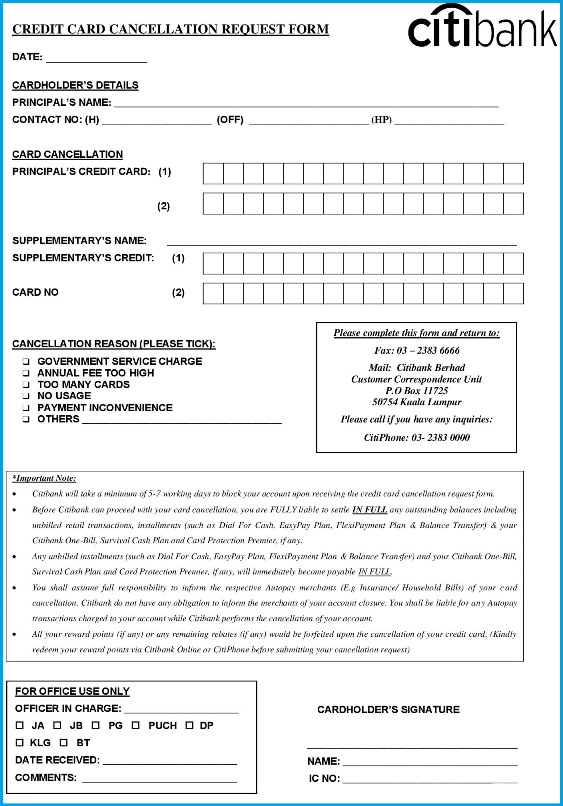
Step 4: Contact Citi Customer Service
The most direct way to close your Citi credit card is by contacting their customer service. Be prepared for a retention offer, as banks often try to keep profitable customers. They might offer a reduced annual fee, bonus rewards, or a lower interest rate to dissuade you from closing the account. If you’re firm in your decision, politely decline these offers.
- Phone Call: This is generally the most effective method. Call the customer service number on the back of your card. State clearly that you wish to close your account.
- Be Prepared: Have your account number and personal identification ready.
- Confirm Zero Balance: Reiterate that you have a zero balance (or confirm with them that it is zero).
- Request Confirmation: Ask the representative to confirm that the account is closed and that no further charges or fees will be incurred. Request a confirmation number or, even better, a written confirmation via email or mail.
Step 5: Confirm Account Closure in Writing
Even after a phone call, it’s a good practice to follow up with a written request for account closure. This creates a paper trail. You can often send a secure message through your online banking portal or mail a letter to Citi’s customer service address (which you can find on their website or your statements). In your written communication, include your name, account number, and a clear statement requesting closure. Request a written confirmation of closure from Citi. Keep all correspondence for your records.
Step 6: Monitor Your Credit Report
Within 1-2 billing cycles after you’ve closed the card, obtain a copy of your credit report from one of the major credit bureaus (Experian, Equifax, TransUnion). You are entitled to a free report annually from AnnualCreditReport.com. Verify that the Citi account is indeed reported as “closed by grantor” or “closed by consumer” with a zero balance. This step is crucial to catch any errors or lingering issues that might negatively impact your credit score. If there are any discrepancies, contact Citi and the credit bureau immediately to rectify them.
Alternatives to Closing Your Citi Credit Card
Before making the final decision to close your card, it’s worth exploring alternatives that might achieve your financial goals without the potential negative credit score impacts. Sometimes, a full closure isn’t the only, or even the best, solution.
Downgrading to a No-Annual-Fee Card
If your primary motivation for closing is to avoid an annual fee, inquire with Citi about downgrading your card to a no-annual-fee version. Many credit card issuers offer a “product change” option within the same card family. This allows you to keep the account open, thus preserving your length of credit history and overall available credit, without incurring an annual charge. You might lose some premium benefits, but it’s often a good compromise.
Freezing the Card
If you’re concerned about overspending but don’t want to close the card (perhaps it’s your oldest account), consider freezing it. Many card issuers, including Citi, allow you to temporarily freeze your card via their app or website. This prevents new purchases, but the account remains open and continues to contribute positively to your credit history. You can unfreeze it at any time if you need to use it.
Using the Card Sparingly for Small, Paid-Off Purchases
To keep the card active and contributing positively to your credit history without accumulating debt, you could use it for a small, recurring expense (like a streaming service or a small utility bill) and set up automatic payments to pay the balance in full each month. This demonstrates responsible credit usage and keeps the account active, preventing it from being closed by the issuer due to inactivity.
Negotiating With Citi for Retention Offers
As mentioned earlier, when you call to close your card, Citi might offer incentives to keep you as a customer. These “retention offers” can include waiving the annual fee for a year, offering bonus rewards, or providing a lower interest rate. If your reason for closing is fee-related or tied to perceived lack of value, these offers might be enough to convince you to keep the card open, especially if it’s an older account.
Best Practices for Credit Card Management Post-Closure
Even after successfully closing your Citi credit card, your journey in responsible financial management continues. Adopting specific best practices will ensure that this decision contributes positively to your overall financial health.
Maintaining a Healthy Credit Mix
Ensure that closing this particular card does not leave you with a skewed credit mix. A healthy credit profile typically includes a variety of credit types, such as revolving credit (credit cards) and installment loans (mortgages, car loans). If you only had one or two credit cards, closing one might impact the diversity of your credit portfolio. Keep at least one or two active credit cards with a good payment history to continue building positive credit.
Regular Credit Report Monitoring
It is paramount to regularly monitor your credit reports and scores. After closing a card, check to ensure that the closure is accurately reported and that no unexpected activity or fraudulent charges appear on your report. Continuous monitoring allows you to quickly identify and dispute any inaccuracies, protecting your financial integrity. Utilize free annual credit reports and credit monitoring services offered by various financial institutions.
Budgeting and Financial Planning
The act of closing a credit card often signifies a commitment to better financial health. Reinforce this commitment by implementing rigorous budgeting and financial planning strategies. Understand your income and expenses, set clear financial goals, and allocate funds responsibly. By meticulously planning your finances, you can avoid the need for unnecessary credit and build a strong foundation for future financial success. This might involve creating an emergency fund, saving for a down payment, or investing for retirement.
Closing a Citi credit card, when executed thoughtfully and strategically, can be a powerful step towards achieving greater financial control and simplifying your life. By understanding the motivations, potential impacts, and precise steps involved, you can make an informed decision that supports your long-term financial well-being. Always remember that responsible credit management is an ongoing process, and every decision, including closure, should align with your overarching financial objectives.
aViewFromTheCave is a participant in the Amazon Services LLC Associates Program, an affiliate advertising program designed to provide a means for sites to earn advertising fees by advertising and linking to Amazon.com. Amazon, the Amazon logo, AmazonSupply, and the AmazonSupply logo are trademarks of Amazon.com, Inc. or its affiliates. As an Amazon Associate we earn affiliate commissions from qualifying purchases.