
Understanding the intricate details of your financial products is a cornerstone of robust personal finance management. Among the myriad data points associated with your credit cards, the account opening date often goes overlooked, yet it holds significant weight for your financial health. Whether you’re a seasoned Citibank cardholder or a relatively new patron, knowing precisely when you initiated your credit card relationship with Citibank can provide crucial insights for credit score optimization, financial planning, and even fraud detection. This guide will walk you through the various direct and indirect methods to pinpoint this vital date, ensuring you have the information necessary to make informed financial decisions.
Why Knowing Your Credit Card Opening Date Matters for Your Finances
The date you opened your Citibank credit card account is more than just a historical timestamp; it’s a critical data point influencing several aspects of your personal finance journey. For those committed to shrewd money management, understanding its implications is key.
Impact on Your Credit Score (Average Age of Accounts)
One of the most significant factors influenced by your credit card opening date is your credit score, specifically through the “average age of accounts” component. Lenders often view a longer credit history, characterized by older accounts, as a sign of financial stability and responsible credit behavior. When you open a new account, it can temporarily lower your average age of accounts, which might slightly ding your score. Conversely, keeping older accounts open and in good standing helps to build a robust credit history. Knowing the exact opening date of your Citibank card allows you to gauge its contribution to your overall credit age and strategize closures or openings of new accounts more effectively to protect or improve your score. It informs decisions like whether to close an old card you rarely use (which might reduce your average age of accounts) or keep it active to bolster your credit history.
Understanding Promotional Periods and Welcome Offers
Many credit cards, including those from Citibank, come with enticing welcome offers such as sign-up bonuses, introductory 0% APR periods, or cashback multipliers on specific spending categories for a limited time. These promotional periods typically start from the account opening date. If you’ve ever found yourself wondering when your 12-month 0% APR period expires or when you need to meet a spending threshold to earn a bonus, knowing the exact opening date is paramount. It allows you to maximize these benefits, plan large purchases, and ensure you revert to a regular payment strategy before interest rates kick in or bonus categories expire. Without this date, you might inadvertently miss out on valuable rewards or incur unexpected interest charges.
Financial Planning and Debt Management
For effective financial planning, having a clear timeline of your credit obligations is invaluable. The opening date of your Citibank credit card provides context for your overall debt profile. It helps you track how long you’ve carried a balance, assess the long-term cost of borrowing, and identify which cards are oldest for potential balance transfers. When strategically managing debt, especially through methods like the “debt avalanche” or “debt snowball,” understanding the age of each account can sometimes influence which debts you prioritize, particularly if an older account has a higher interest rate or is nearing a promotional period end. It also assists in retirement planning or major life purchases by providing a historical view of your credit commitments.
Identifying Potential Fraud or Unauthorized Accounts
While less common, discovering an unfamiliar credit card opening date could be a red flag. If you check your records or credit report and find an account opening date for a Citibank card you don’t recognize, it could indicate potential identity theft or an unauthorized account. Promptly identifying such discrepancies is crucial for protecting your financial security and rectifying any fraudulent activity before it escalates. The opening date serves as a critical piece of evidence when disputing unauthorized accounts with both the credit bureau and Citibank.
Eligibility for Product Upgrades or Downgrades
Banks often offer existing cardholders opportunities to upgrade or downgrade their credit cards, sometimes after a certain period of account tenure. For example, you might be eligible to upgrade from a basic card to a premium travel card or downgrade to a no-annual-fee option. These eligibility criteria are frequently tied to how long your account has been open and your payment history. Knowing your opening date can help you anticipate when you might qualify for such changes, allowing you to proactively explore options that better suit your evolving financial needs or spending habits.
Direct Methods to Ascertain Your Citibank Credit Card Opening Date
When you need precise information about your Citibank credit card, the most reliable path often involves going directly to the source or your personal records. Citibank offers several straightforward avenues for cardholders to find their account opening date.
Leveraging Citibank Online Banking & Mobile App
In the digital age, your online banking portal and mobile app are powerful financial tools. Citibank’s platforms are designed to provide comprehensive account information at your fingertips.
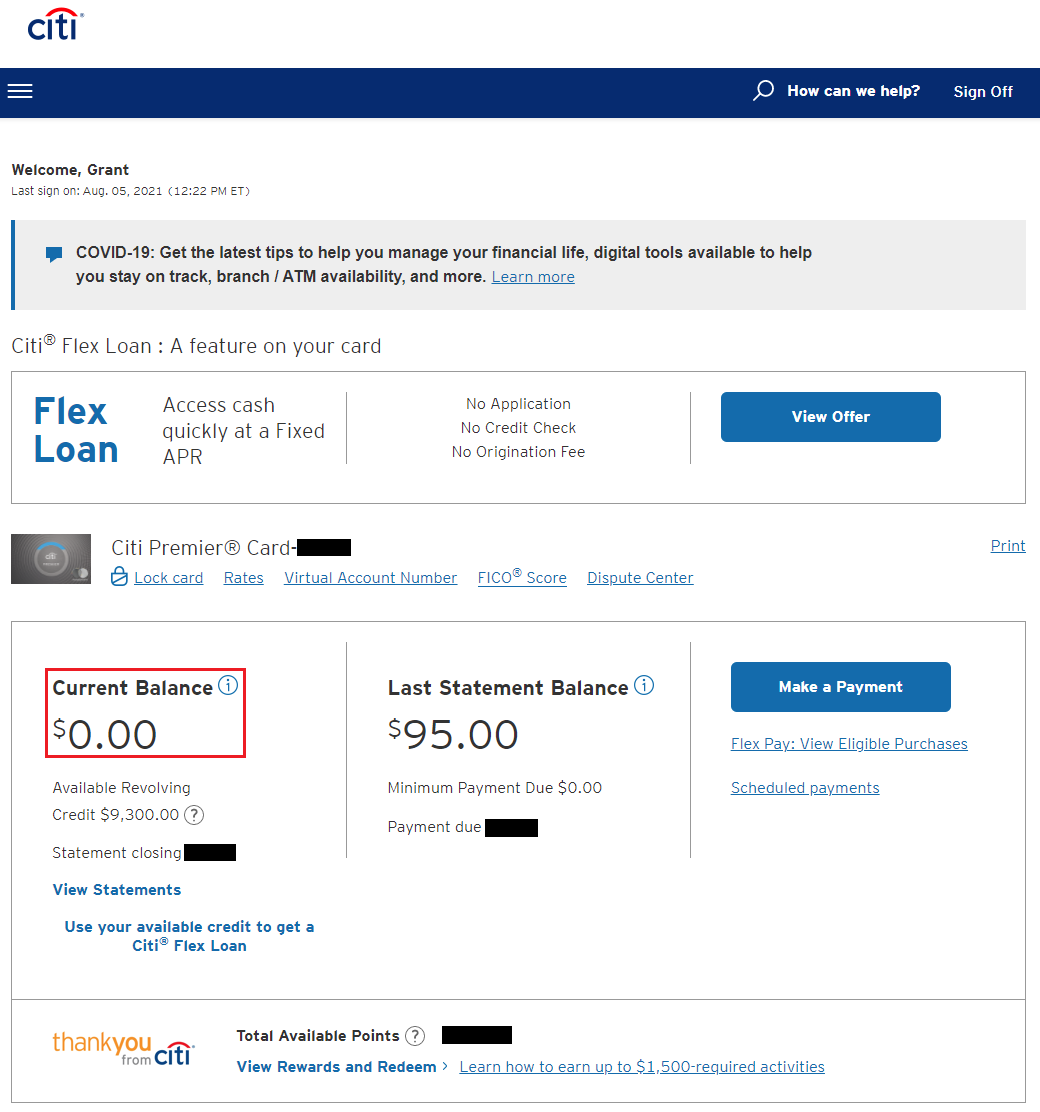
- Log In: Access your Citibank online banking account via their website or the Citibank mobile app.
- Navigate to Account Details: Once logged in, select the specific credit card account you wish to investigate. Look for sections like “Account Details,” “Account Summary,” or “Statement & Activity.”
- Find the Date: Within the account details, you’ll typically find an “Account Open Date,” “Date Opened,” or similar field clearly displayed. This is often listed alongside other key information like your credit limit, available credit, and APR.
Self-help functions within the app might also have an FAQ or search feature where you can type “account opening date.”
Reviewing Your Original Cardholder Agreement or Welcome Packet
When you initially received your Citibank credit card, it came with a physical or digital welcome packet containing important documents. Among these is your Cardholder Agreement, often a detailed document outlining terms and conditions.
- Locate Documents: Dig through your financial records for the original welcome packet or any documentation sent to you when your card was approved.
- Examine the Agreement: The Cardholder Agreement or a separate “Truth in Lending Disclosure” often explicitly states the account opening date. Sometimes, this date might also appear on the physical letter accompanying your new card.
If you opted for paperless communication, check your email archives for digital versions of these documents from Citibank.
Contacting Citibank Customer Service Directly
For situations where online resources or personal documents don’t yield the desired information, or if you prefer direct assistance, calling Citibank’s customer service is an effective method.
- Prepare Information: Have your credit card number, personal identification (like your Social Security Number), and any security questions ready.
- Call the Number: The customer service number is typically found on the back of your credit card or on Citibank’s official website.
- State Your Request: Clearly explain to the representative that you need to know the exact opening date of your credit card account. They will be able to access your account history and provide you with this information after verifying your identity.
Be prepared for potential wait times, especially during peak hours.
Examining Your Monthly Statements (Digital & Physical)
While not always explicitly stated on every page, your monthly credit card statements can often contain the account opening date, especially on the summary page of your very first statement.
- Access Statements: You can retrieve digital statements through your Citibank online banking portal (usually under a “Statements” or “eStatements” section) or review physical statements you’ve kept.
- Look for Key Dates: Check the first few statements you ever received. The opening date is sometimes found near the account summary, interest rate information, or at the top of the statement header. On older statements, it might be listed as “Member Since” or “Account Established Date.”
It’s good practice to keep digital copies of your statements for at least 7 years for financial record-keeping.
Indirect Avenues Through Your Credit Report
Beyond Citibank’s direct channels, your official credit report serves as a comprehensive ledger of your credit activities across various lenders, including Citibank. This makes it an invaluable resource for verifying account opening dates.
Accessing Your Free Annual Credit Reports (Equifax, Experian, TransUnion)
By law, you are entitled to a free copy of your credit report from each of the three major credit bureaus—Equifax, Experian, and TransUnion—once every 12 months. This can be done via AnnualCreditReport.com, the only federally authorized website for this purpose.
- Visit AnnualCreditReport.com: Navigate to the official website.
- Request Reports: Follow the prompts to request your reports from one or all three bureaus. You’ll need to provide personal information for identity verification.
- Download and Review: Once verified, you can download your reports immediately. Save them for your records.
It’s often recommended to space out your requests throughout the year (e.g., Experian in January, Equifax in May, TransUnion in September) to monitor your credit more frequently.
Understanding Credit Report Details: Account Open Date
Each credit report will list all your open and some closed credit accounts, detailing various aspects of each account.
- Locate Citibank Account: Scan through the “Revolving Accounts” or “Credit Cards” section until you find your Citibank credit card entries.
- Identify Open Date: For each account, there will be a clearly labeled field for the “Date Opened,” “Account Opening Date,” or “Date Established.” This is the precise date you’re looking for.
Note that the information might vary slightly between the three bureaus, but the opening date should generally be consistent.
Discrepancies and How to Dispute Them
Occasionally, you might find discrepancies between the opening date reported on your credit report and the date you recall or find through direct methods.
- Verify Information: Double-check all your sources to confirm which date is accurate.
- Initiate a Dispute: If you identify an error on your credit report, you have the right to dispute it with the credit bureau reporting the inaccurate information. Each credit bureau has a formal dispute process, typically available online, by mail, or by phone.
- Provide Evidence: You’ll need to explain the error and provide any supporting documentation (e.g., your original cardholder agreement) that proves the correct opening date.
Correcting inaccuracies is vital, as they can impact your credit score and financial standing. The bureau has 30-45 days to investigate and respond to your dispute.
Best Practices for Financial Record-Keeping
Proactive and organized financial record-keeping can save you significant time and stress when you need to access specific account information like an opening date. Establishing good habits now will benefit your financial future.
Digital Organization Systems
Leveraging technology for financial organization is efficient and often more secure.
- Dedicated Folder: Create a dedicated digital folder on your computer or cloud storage (e.g., Google Drive, Dropbox, OneDrive) for “Financial Documents” or “Credit Card Records.”
- Categorize by Bank/Card: Within that main folder, create sub-folders for each bank or specific credit card (e.g., “Citibank Rewards Card”).
- Store Key Documents: Save digital copies of your cardholder agreements, welcome letters, annual statements (especially the first one), and any significant correspondence from Citibank in these folders. PDF format is ideal.
- Use Naming Conventions: Adopt a consistent naming convention for files, such as “CitibankRewardsAgreementYYYYMMDD” or “CitibankRewardsStatementYYYYMMDD.”
- Secure Storage: Ensure your digital storage is password-protected and, if using cloud services, has two-factor authentication enabled.
Physical Documentation Storage
While digital is convenient, some people prefer physical copies, and it’s wise to have backups.
- Designated Filing System: Invest in a sturdy filing cabinet or accordion file dedicated to financial documents.
- Clear Labeling: Label folders clearly by bank, account type, and year.
- Keep Originals: Store original cardholder agreements, welcome letters, and any official notices from Citibank. These documents often contain the crucial opening date.
- Fireproof Safe: Consider storing critical documents in a fireproof and waterproof safe for protection against unforeseen events.
Regular Review of Financial Accounts
Consistent oversight of your financial accounts is a critical best practice.
- Monthly Check-ins: At least once a month, log into your Citibank online banking account to review statements, transactions, and account details. This helps you stay aware of your credit limit, available balance, and any changes to your terms.
- Annual Review of Key Dates: Annually, take time to review the opening dates of all your credit cards. This can be done when you pull your free annual credit reports. This helps you track the average age of accounts and identify cards approaching significant milestones (e.g., when an annual fee might be due, or a promotional offer expires).
- Update Records: If you open a new account, close an old one, or make any changes, immediately update your digital and physical records with the new information.
Navigating Common Challenges and FAQs
Even with direct methods and robust record-keeping, questions or challenges might arise. Here’s how to address some common scenarios.
What if Citibank Doesn’t Have the Record?
While rare, it’s possible for older accounts or unique circumstances that Citibank’s immediate customer service might struggle to find the exact opening date in their primary systems.
- Escalate: If the first representative cannot help, politely ask to speak with a supervisor or a specialist in account history.
- Historical Records Department: Large financial institutions often have dedicated departments for retrieving historical account data. They might be able to access archived information.
- Credit Report as Final Source: If all direct attempts fail, your credit report (from all three bureaus) becomes the most reliable external source for this information, as credit bureaus are legally required to maintain accurate records.
- Consider “Approximate” Date: If an exact date is unattainable, use the month and year from your credit report or the earliest statement you can find as your best approximation.
Is the Opening Date Different from the Activation Date?
Yes, the opening date and activation date are distinctly different.
- Opening Date: This is the date Citibank officially approved your application and established your credit account. This is the date that matters for your credit history, average age of accounts, and typically the start of promotional periods.
- Activation Date: This is the date you physically received your card and activated it for use. You might receive your card days or even weeks after the account was opened. Activation is a step you take, while opening is a step the bank takes. Do not confuse the two; only the opening date is relevant for financial reporting purposes.
How Long Does Citibank Keep Records?
Financial institutions like Citibank are generally required by law to retain customer records for a significant period, often seven years or more, depending on the type of record and regulatory requirements. For credit card accounts, especially those still active, they will typically retain comprehensive records for the entire duration of your relationship with them. Even after an account is closed, records are usually kept for several years. This means that for most active accounts, finding the opening date directly from Citibank should not be an issue. For very old, closed accounts, it might require a deeper search into their archives.
By understanding the significance of your credit card opening date and utilizing the methods outlined above, you empower yourself with crucial financial knowledge. This small piece of information can be a powerful tool for optimizing your credit health, maximizing benefits, and ensuring your financial records are accurate and secure.
aViewFromTheCave is a participant in the Amazon Services LLC Associates Program, an affiliate advertising program designed to provide a means for sites to earn advertising fees by advertising and linking to Amazon.com. Amazon, the Amazon logo, AmazonSupply, and the AmazonSupply logo are trademarks of Amazon.com, Inc. or its affiliates. As an Amazon Associate we earn affiliate commissions from qualifying purchases.