
In the modern financial landscape, the ability to monitor your resources in real-time is not just a convenience; it is a fundamental pillar of fiscal responsibility. Visa, as a global leader in payments technology, facilitates billions of transactions annually, ranging from daily coffee purchases to significant corporate investments. However, the utility of a Visa card—whether it is a debit, credit, or prepaid variant—is only as effective as the cardholder’s ability to manage its underlying balance. Understanding how to check your Visa card balance efficiently is the first step toward avoiding overdraft fees, managing debt, and protecting yourself against fraudulent activity.
This comprehensive guide explores the multifaceted methods available for balance inquiries, tailored to the evolving needs of the contemporary consumer. By mastering these tools, you can ensure that your financial health remains robust and your spending stays within the parameters of your personal budget.
Digital Solutions for Instant Balance Monitoring
The digital revolution has transformed the way we interact with our money. Gone are the days of waiting for a monthly paper statement to arrive in the mail to understand your financial standing. Today, technology provides instantaneous access to your Visa account data, allowing for proactive financial management.
Mobile Banking Apps: The Power of Real-Time Data
For the majority of Visa cardholders, the mobile banking app provided by their issuing bank is the most efficient tool for balance verification. These applications are designed with user experience in mind, offering a streamlined interface that displays your “Available Balance” and “Current Balance” the moment you log in.
Modern apps often utilize biometric security, such as fingerprint or facial recognition, making the process of checking your balance both secure and incredibly fast. Beyond just showing a number, these apps provide a detailed ledger of pending transactions. This is crucial for Visa users, as a “pending” transaction might not yet be deducted from your total balance but will affect your purchasing power. Monitoring these real-time updates helps prevent “phantom wealth” syndrome, where a cardholder believes they have more money than is actually available after upcoming deductions are considered.
Online Banking Portals: Comprehensive Financial Overviews
While mobile apps are perfect for quick checks on the go, online banking portals via a desktop or laptop offer a more comprehensive view of your financial ecosystem. When you log into your issuer’s website, you often have access to sophisticated filtering tools. You can view balance trends over several months, categorize spending, and download statements for tax or budgeting purposes.
Online portals are particularly useful for Visa Credit Card users. In addition to the balance, these platforms clearly display your credit limit, the remaining credit available, the minimum payment due, and the statement closing date. Navigating these portals regularly ensures that you are aware of your credit utilization ratio—a key factor in determining your credit score.
Email and Push Notifications: Automated Alerts
One of the most effective ways to stay informed without even trying is to set up automated alerts. Most Visa issuers allow you to customize notifications based on specific triggers. For example, you can receive a push notification or an email every time your balance drops below $100, or every time a transaction over a certain amount is processed. This “passive” balance checking keeps your finances at the forefront of your mind, ensuring that you are never caught off guard by a low balance or an unexpected charge.
Traditional and Physical Methods to Check Your Visa Balance
While digital tools dominate the landscape, there are several traditional methods to check a Visa balance that remain vital, especially for those who may have limited internet access or prefer a more tangible interaction with their financial institution.
Utilizing Automated Teller Machines (ATMs)
The global network of ATMs remains a reliable way to verify the funds in your Visa account. By inserting your card and entering your Personal Identification Number (PIN), you can select the “Balance Inquiry” option. The machine will then display your balance on the screen or provide a printed receipt.
It is important to note that while checking your balance at your own bank’s ATM is usually free, using an out-of-network ATM may incur a small fee. Furthermore, when traveling internationally, the ATM will often display your balance in the local currency or the currency of the home bank, so it is essential to be mindful of current exchange rates if you are managing a multi-currency account.
Phone Banking and Customer Support Lines
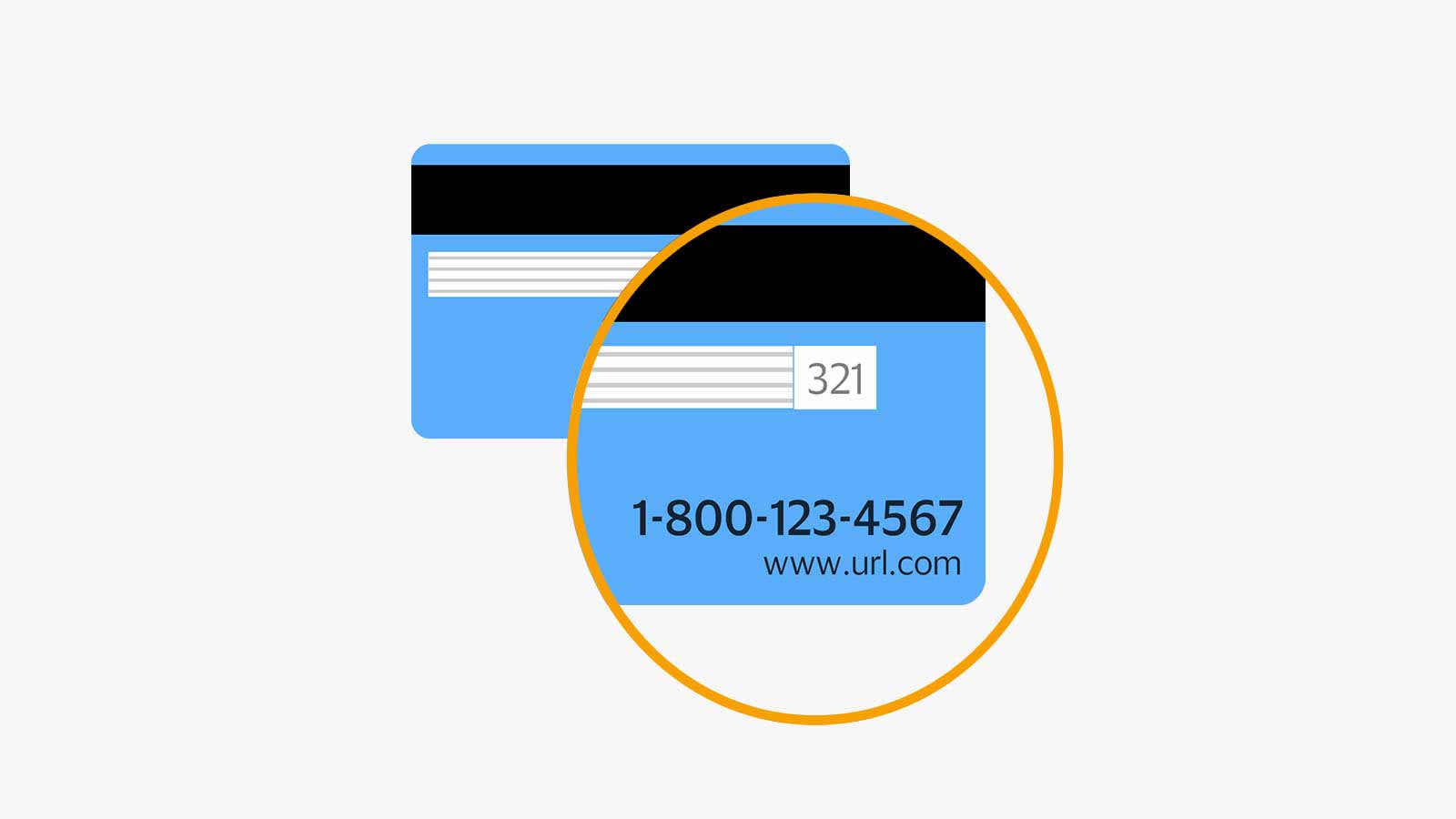
Every Visa card features a customer service number on the back. For those who prefer verbal confirmation or who do not have a smartphone handy, phone banking is a robust alternative. Most issuers utilize an Interactive Voice Response (IVR) system that allows you to input your card number and security details via the keypad to hear an automated readout of your balance.
If the automated system is insufficient, speaking with a live representative can provide additional clarity, especially if there are discrepancies in your balance. This human element is often preferred when a cardholder sees a charge they don’t recognize and needs an immediate explanation of how that transaction has affected their current balance.
Paper Statements and In-Branch Inquiries
For some, the physical presence of a bank branch provides a sense of security that digital platforms cannot match. Walking into a branch and speaking with a teller allows you to receive a printed summary of your account balance. Additionally, for those who have not opted for “paperless” billing, the monthly paper statement serves as a historical record of your balance at the end of each billing cycle. While not “real-time,” these documents are essential for long-term financial planning and auditing.
Specialized Procedures for Visa Prepaid and Gift Cards
Checking the balance on a Visa Prepaid or Gift Card requires a slightly different approach than a standard debit or credit card. Because these cards are often not linked to a traditional bank account, they rely on independent systems managed by the card issuer.
Navigating Issuer-Specific Websites
Visa Gift Cards and Prepaid cards are issued by various entities (such as MetaBank, Commerce Bank, or Vanillagift). To check the balance, you must visit the specific URL printed on the back of the card. Unlike a standard bank account where you have a persistent login, these sites usually require you to enter the 16-digit card number, the expiration date, and the 3-digit CVV code each time you wish to see the remaining funds.
It is a best practice to register these cards on the issuer’s website immediately after acquisition. This not only makes it easier to check the balance but also provides a layer of protection if the physical card is lost or stolen.
SMS and Text-to-Balance Services
Many prepaid Visa providers offer an SMS service for quick balance checks. By texting a specific keyword (like “BAL” or “BALANCE”) to a designated short-code provided by the issuer, you will receive a text message back with your current remaining funds. This is an excellent middle-ground for prepaid users who want the speed of digital access without the need for a full mobile app or a high-speed data connection.
Best Practices for Financial Security and Budgeting
Checking your Visa card balance is more than just a logistical task; it is a strategic component of wealth management and digital security.
Protecting Your Sensitive Information Online
In the pursuit of checking your balance, security must be your primary concern. Always ensure that you are using a secure, private internet connection when accessing banking apps or websites. Public Wi-Fi networks, such as those in coffee shops or airports, are notorious for “man-in-the-middle” attacks where hackers can intercept your login credentials.
Furthermore, be wary of phishing scams. A legitimate bank or Visa issuer will never send you an unsolicited text or email asking you to click a link to “verify your balance” by entering your full card details. Always navigate directly to the official website or use the verified app.
Integrating Balance Checks into Your Budgeting Strategy
The most successful financial managers check their balances daily or at least several times a week. This habit creates a feedback loop between your spending behavior and your financial reality. If you see your balance dwindling faster than expected mid-month, you can adjust your discretionary spending immediately rather than waiting for a crisis at the end of the month.
Many people use third-party budgeting tools (like Mint, YNAB, or Rocket Money) that aggregate all their Visa card balances into one dashboard. This provides a “Net Worth” or “Total Liquidity” view, which is invaluable for long-term goal setting, such as saving for a home or planning for retirement.

Identifying and Reporting Discrepancies Immediately
Regular balance checks are the first line of defense against identity theft. If you notice a small fluctuation in your balance that doesn’t align with your receipts, it could be a “test charge” from a fraudster. By catching these discrepancies early through frequent balance monitoring, you can freeze your Visa card via your mobile app and contact your bank’s fraud department before significant damage occurs.
In conclusion, knowing how to check your Visa card balance through various channels—be it a high-tech app, a traditional ATM, or a specialized prepaid portal—empowers you to take control of your financial destiny. In an era where digital transactions are seamless and invisible, the discipline of regular balance verification is what separates the financially secure from the financially stressed. Stay informed, stay secure, and let your Visa card be a tool for your prosperity.
aViewFromTheCave is a participant in the Amazon Services LLC Associates Program, an affiliate advertising program designed to provide a means for sites to earn advertising fees by advertising and linking to Amazon.com. Amazon, the Amazon logo, AmazonSupply, and the AmazonSupply logo are trademarks of Amazon.com, Inc. or its affiliates. As an Amazon Associate we earn affiliate commissions from qualifying purchases.