
Gift cards have evolved from simple last-minute presents into a significant pillar of the modern financial ecosystem. Often categorized as “stored-value cards,” these instruments represent billions of dollars in untapped consumer liquidity. However, a staggering amount of this value—estimated at billions of dollars annually—goes unspent because consumers lose track of their balances or forget they possess the cards entirely. In the context of personal finance and wealth management, treating a gift card with the same diligence as a debit card or a small savings account is essential for maintaining a healthy financial profile.
This guide explores the systematic ways to verify your gift card balances, the financial implications of unspent balances, and the strategic methods for integrating these assets into your broader personal finance plan.
The Financial Architecture of Gift Cards
Before diving into the “how-to,” it is important to understand what a gift card represents in terms of personal finance. Unlike a credit card, which represents a line of credit, a gift card is a prepaid asset. From an accounting perspective, once a gift card is purchased, the value is transferred from cash to a specialized asset tied to a specific merchant or network (like Visa or Mastercard).
Open-Loop vs. Closed-Loop Cards
Understanding the type of card you hold is the first step in managing its balance.
- Closed-Loop Cards: These are merchant-specific cards (e.g., Starbucks, Amazon, or Sephora). These can only be used at the designated retailer. Checking these balances usually requires interacting directly with the retailer’s proprietary system.
- Open-Loop Cards: These are issued by major financial networks like Visa, Mastercard, or American Express. They function similarly to debit cards and are accepted anywhere the network is recognized. Their balance-checking processes are handled through the issuing financial institution’s portal.
The Impact of the Credit CARD Act of 2009
From a financial security standpoint, it is vital to know your rights. The Credit CARD Act of 2009 implemented federal protections for gift card holders. For instance, gift cards generally cannot expire for at least five years from the date of issuance, and inactivity fees are strictly regulated. Knowing this allows you to manage your “forgotten” cards as viable financial assets rather than assuming they are worthless after a year of storage.
Practical Methods for Verifying Your Stored Value
Checking the balance of a gift card is the foundational step of asset recovery. Because there is no centralized “global balance checker,” you must utilize the specific channels provided by the issuer. Here are the three primary methods to verify your balance accurately and safely.
Utilizing Official Merchant Portals
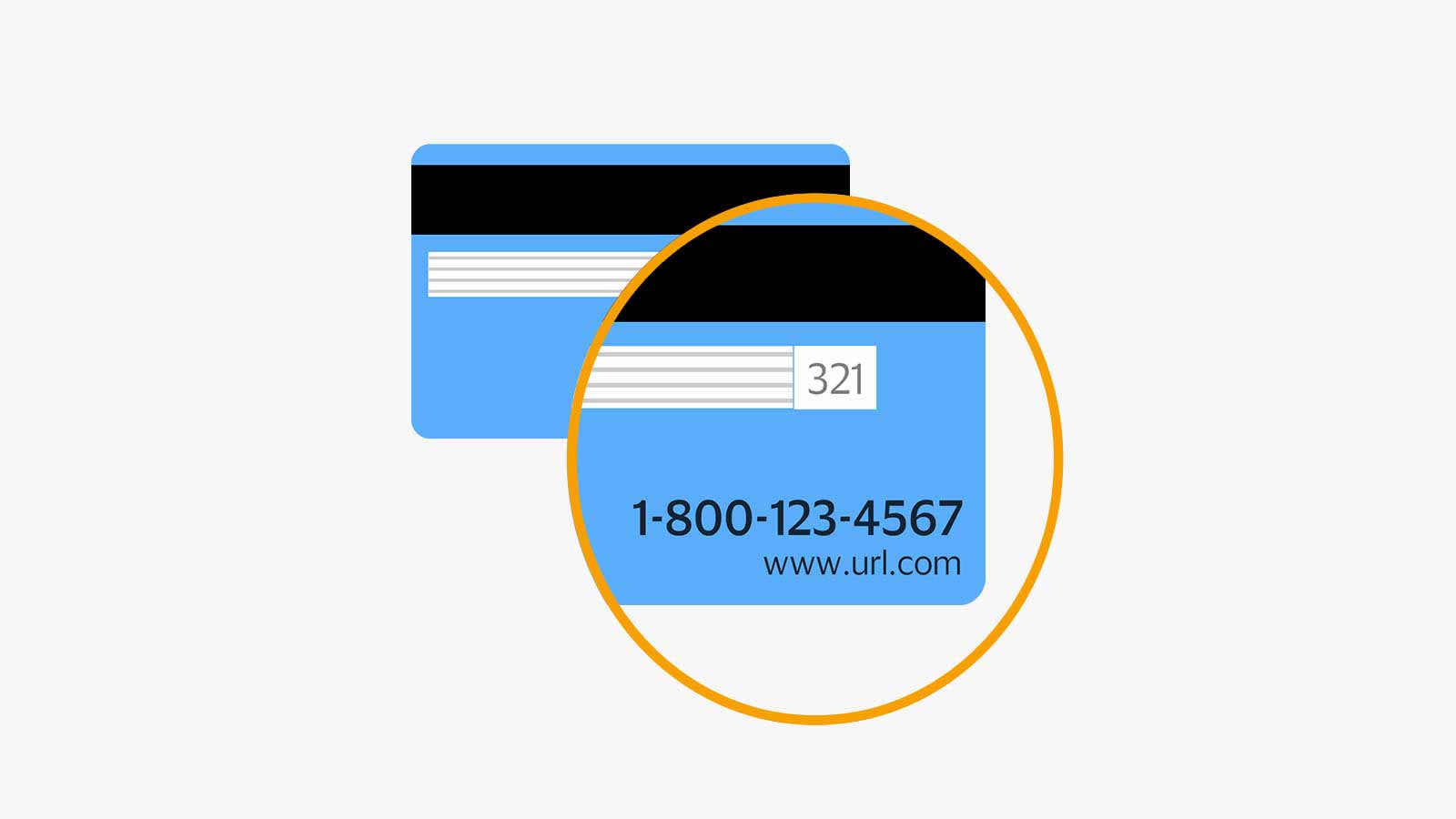
The most secure way to check a balance is through the official website of the retailer or card issuer. On the back of every physical gift card, there is a URL specifically designated for balance inquiries.
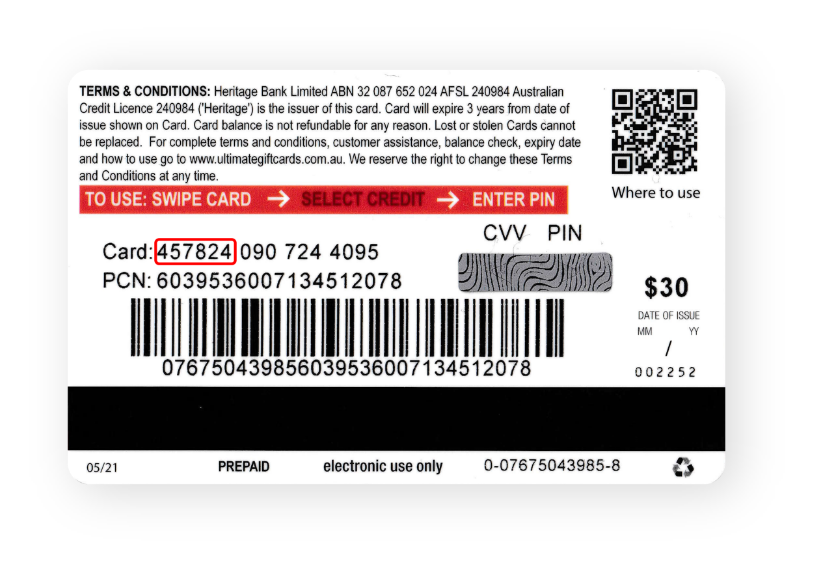
- Locate the Identification Numbers: You will need the 16-digit card number and the Security Code (CVV or PIN), which is usually hidden under a scratch-off coating.
- Navigate to the “Gift Cards” Section: Most retailers place this link in the footer of their website or within the “Help” center.
- Input Credentials: Ensure you are on a “https” secure connection before entering the card details to prevent data theft.
Phone-Based Inquiries and IVR Systems
For those who prefer not to use digital portals, or for cards that are older and might not register correctly on a website, every card is required to have a toll-free customer service number listed on the back. These Interactive Voice Response (IVR) systems are automated and provide real-time data regarding the remaining balance and, occasionally, the last few transactions made with the card. This is particularly useful for open-loop cards (Visa/Mastercard) where the web interface might require account registration.
In-Store Verification and Point-of-Sale (POS) Systems
If you are physically present at a retail location, any cashier can “ping” the card through their POS system. This is often the most accurate method because it accounts for any “pending” transactions that might not have updated on the web portal yet. Always ask for a printed receipt after the balance check; this serves as physical documentation of your asset’s value should the card’s magnetic strip fail in the future.
Integrating Gift Cards into Your Personal Finance Strategy
Once you have identified the balance on your cards, the next step is to manage them with a professional financial mindset. Leaving money on a card is essentially giving an interest-free loan to a corporation. To optimize your personal cash flow, you should view gift card balances as part of your monthly budget.

The “Cash-Out” Strategy: Reclaiming Liquidity
If you have a gift card for a store you do not frequent, the money is effectively “trapped.” From a personal finance perspective, it is better to have 85% of the value in cash than 100% of the value in a store you will never visit.
- Resale Marketplaces: Platforms like CardCash or Raise allow you to sell your gift cards for a percentage of their face value. This converts a static asset into liquid cash that can be moved into a high-yield savings account or used to pay down debt.
- Regifting as a Budgeting Tool: Use your verified-balance gift cards as gifts for others. This allows you to keep the cash you would have spent on a new gift in your own pocket, effectively “cashing out” the card at 100% value.
Budget Substitution
The most efficient way to use a gift card is “budget substitution.” If you have a $50 gift card for a grocery store or a big-box retailer (like Target or Walmart), use that card for your essential weekly shopping. Take the $50 of “real” cash you would have spent and immediately transfer it to your investment or savings account. This turns a consumer gift into a contribution toward your net worth.
Tracking Digital Assets
In the age of digital finance, keeping track of “e-gift cards” is a challenge. Treat your email inbox like a financial ledger. Create a specific folder labeled “Unused Gift Cards” and move every digital delivery there. Once a balance is checked and confirmed, update the email subject line with the balance and the date (e.g., “Amazon Card – $25.00 – Checked 10/23/23”).
Security Protocols and Avoiding Financial Fraud
Gift cards are a prime target for financial scams because they are difficult to trace once spent. Protecting the balance on your card is just as important as knowing how to check it.
Protecting the PIN and Avoiding Third-Party Checkers
A common financial pitfall is using “third-party balance check” websites. These are often phishing sites designed to steal your card number and PIN. Once you enter the details, the site’s owners immediately drain the balance. Never enter your gift card information into a site that is not the official merchant or issuer website.
Verifying Physical Integrity
When purchasing or receiving a physical gift card, inspect the silver scratch-off area. If it appears tampered with, the balance may have already been compromised by a “card-skimming” scam where thieves record the numbers and wait for a consumer to activate the card. If you find a card in your drawer with the PIN already exposed, check the balance immediately and, if it remains intact, transfer that balance to a digital app (like the Starbucks app or Amazon account) to “lock” the value to your personal profile.
Reporting Lost or Stolen Cards
Many people treat a lost gift card as a total loss. However, if you have the original receipt or the card number recorded (which is why checking and logging the balance is crucial), many issuers will cancel the old card and issue a replacement for a small fee. This is a vital recovery step for high-value cards ($50 or more).
The Future of Prepaid Assets in the Digital Economy
As we move toward a more digitized economy, the way we check and hold gift card balances is shifting. The integration of “Mobile Wallets” (Apple Pay, Google Wallet, Samsung Pay) is revolutionizing gift card management.
Mobile Wallet Integration
Most modern gift cards can be added to your phone’s digital wallet. This provides a “live” look at your balance without needing to visit a website or call a number. From a financial management perspective, this is the gold standard, as it keeps your “found money” visible every time you open your phone to pay for something, reducing the likelihood of the asset sitting idle and losing value to inflation or neglect.
The Rise of Crypto-Linked Gift Cards
A new frontier in the “Money” niche is the intersection of cryptocurrency and gift cards. Services now allow users to purchase major retail gift cards using Bitcoin or Ethereum. For the savvy investor, this offers a way to “spend” crypto gains on everyday necessities without always needing to off-ramp into a traditional bank account first. Checking balances on these cards often involves a dual-layer verification of both the blockchain transaction and the merchant’s internal ledger.
Conclusion: Turning Neglected Cards into Financial Growth
Checking a gift card balance may seem like a minor administrative task, but within the framework of professional personal finance, it is an essential act of asset management. By systematically identifying your balances, protecting your data from fraud, and strategically spending or liquidating these cards, you ensure that no part of your net worth is left to gather dust.
Treat every gift card as a micro-savings account. Whether you are substituting a grocery bill to save cash or selling an unwanted card to fund an investment, the goal remains the same: total command over your financial resources. Don’t let your “found money” expire or be forgotten—verify your balances today and put that capital to work.
aViewFromTheCave is a participant in the Amazon Services LLC Associates Program, an affiliate advertising program designed to provide a means for sites to earn advertising fees by advertising and linking to Amazon.com. Amazon, the Amazon logo, AmazonSupply, and the AmazonSupply logo are trademarks of Amazon.com, Inc. or its affiliates. As an Amazon Associate we earn affiliate commissions from qualifying purchases.