
In the intricate landscape of modern personal finance, managing every financial instrument efficiently is paramount. Among these, gift cards, particularly those from esteemed financial institutions like American Express, occupy a unique space. They offer convenience, flexibility, and a predetermined spending limit, making them popular for both gifting and personal budgeting. However, their utility is directly tied to knowing the available funds. This guide delves into the essential methods and broader financial implications of checking the balance on your American Express Gift Card, ensuring you maximize its value and seamlessly integrate it into your financial planning.
Understanding Your American Express Gift Card
Before diving into the “how-to,” it’s crucial to grasp the nature and significance of American Express Gift Cards within your personal financial ecosystem. These aren’t merely pieces of plastic; they are prepaid financial tools that require diligent management.
What is an American Express Gift Card?
An American Express Gift Card functions as a prepaid payment instrument, loaded with a specific amount of money determined at the time of purchase. Unlike traditional credit cards, it doesn’t draw from a line of credit, nor is it linked to a bank account like a debit card. Instead, you’re spending funds that have already been paid for. Accepted widely wherever American Express is honored, these cards offer a secure and convenient way to make purchases online or in physical stores. They are distinct from Amex-branded credit or charge cards in that they are non-reloadable and typically do not carry any fees for the recipient during use, though purchase fees may apply to the buyer. From a personal finance perspective, they represent a defined asset, a liquid sum available for expenditure.
Why Tracking Your Balance Matters
Knowing the exact balance on your American Express Gift Card is more than just a convenience; it’s a fundamental aspect of sound financial management. Firstly, it prevents the embarrassment and inconvenience of declined transactions at the point of sale, which can disrupt your shopping experience and potentially lead to double charges if a payment attempt fails and is retried. Secondly, and perhaps more importantly from a personal finance standpoint, tracking ensures you fully utilize the card’s value. Unused balances represent lost potential, funds that could have been spent but might expire or be forgotten. Regular balance checks empower you to make informed spending decisions, ensuring no value is left on the table. It integrates the gift card effectively into your broader budgeting strategy, allowing you to allocate these funds for specific purchases without dipping into your primary bank accounts.
Key Information on Your Card
To successfully check your balance, you’ll need specific details from the card itself. Treat this information as you would any other sensitive financial data. The critical pieces include:
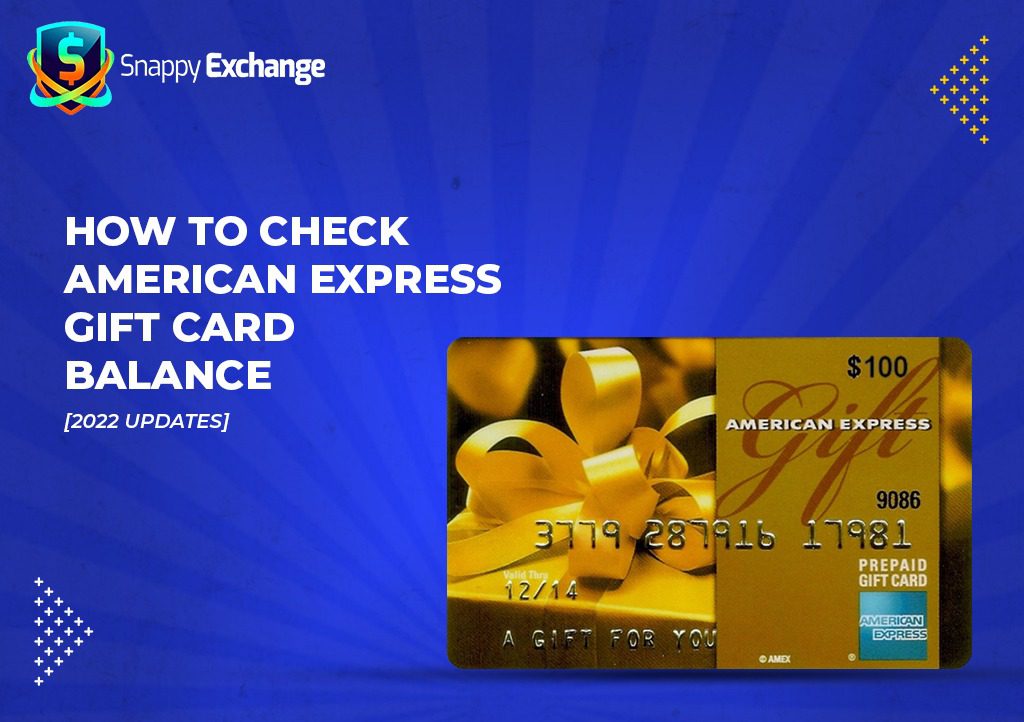
- 15-Digit Card Number: Found on the front of the card, this unique identifier is central to all transactions and balance inquiries.
- 4-Digit Security Code (CID): Located on the front of the card, above the card number. This code is crucial for online verification and balance checks.
- Expiration Date: Also on the front, this indicates the validity period of the card. While the funds on American Express Gift Cards generally do not expire, the plastic card itself has an expiration date. If the card expires before you’ve used all funds, a replacement card can typically be requested with the remaining balance.
Having these details readily available streamlines the balance-checking process and reinforces the importance of secure handling of your gift card, much like you would your debit or credit cards.
Primary Methods for Balance Inquiry
American Express provides several straightforward and secure avenues for cardholders to check their gift card balance. Each method is designed for user convenience, allowing you to choose the option that best suits your current situation.
Checking Online: The Official American Express Website
For many, the most convenient and frequently used method to check a gift card balance is online. This digital approach offers instant access and detailed information.
- Navigate to the Official Portal: The crucial first step is to always visit the official American Express Gift Card website. Be wary of unofficial sites or phishing attempts. A simple web search for “American Express Gift Card Balance Check” usually leads to the correct page, or you can directly type in
www.americanexpress.com/giftcard. - Locate the Balance Check Section: On the homepage, there’s typically a prominent link or section explicitly labeled “Check Balance,” “Manage Your Card,” or “Card Member Services.”
- Input Card Details: You will be prompted to enter your 15-digit card number and the 4-digit security code (CID) found on the front of your gift card. Some interfaces might also ask for the expiration date.
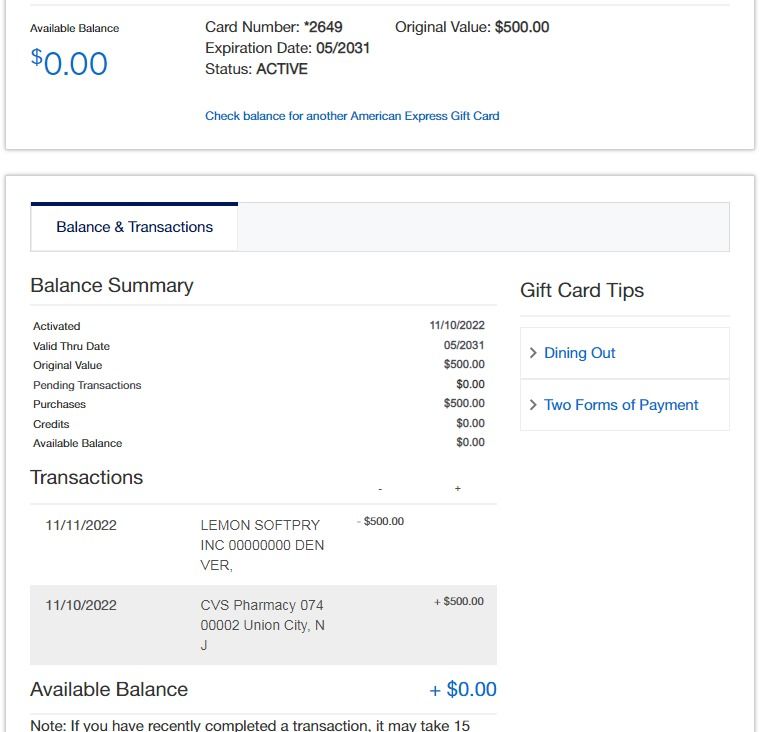
- View Your Balance: After submitting the required information, your current available balance will be displayed on the screen. The portal may also offer a transaction history, allowing you to review past purchases and verify expenditures, which is excellent for meticulous personal finance tracking.
This method offers the added benefit of being accessible 24/7 from any device with an internet connection, making it an incredibly flexible financial tool for managing your gift card funds.
Balance Check by Phone: Customer Service
For those who prefer a more direct, human interaction, or perhaps lack immediate internet access, checking your balance over the phone is a reliable alternative.
- Find the Customer Service Number: The dedicated customer service number for American Express Gift Cards is usually printed on the back of the card itself. If not, it can easily be found on the official American Express Gift Card website.
- Prepare Your Card Information: Before calling, ensure you have your gift card in hand. The automated system or a customer service representative will likely ask for your 15-digit card number and the 4-digit security code (CID) for verification purposes.
- Follow the Prompts or Speak to a Representative: You’ll typically encounter an automated voice system that guides you through the balance inquiry process. Input your card details when prompted. If you prefer to speak with a live agent, listen for options to connect to customer service.
- Note Down Your Balance: Once the balance is provided, it’s a good practice to jot it down along with the date, especially if you’re tracking multiple cards or making complex financial plans.
This method offers peace of mind through direct confirmation and can be particularly helpful if you encounter any issues or have questions that an online portal cannot answer.
In-Store Inquiry: Limitations and Possibilities
While common for store-specific gift cards, checking the balance of an American Express Gift Card directly at a retail store is generally not possible.
- Universal Acceptance vs. Issuer Specificity: American Express Gift Cards are universal prepaid cards, meaning they can be used at a vast number of merchants that accept Amex. This broad acceptance is precisely why individual stores cannot typically check their balance. The store’s point-of-sale system is designed to process payments through networks like American Express, but it doesn’t have direct access to the card’s balance information, which is held by the card issuer (American Express).
- Exceptions (Rare): Very rarely, a merchant might have a specific setup or partnership that allows for balance inquiries for certain prepaid cards. However, for general-purpose American Express Gift Cards, this is an exception rather than the rule. Your best bet is always to use the online or phone methods provided by American Express itself.
Attempting an in-store balance check is often a fruitless endeavor and can delay your shopping experience. Stick to the dedicated channels provided by American Express for accurate and efficient balance retrieval, reinforcing the best practices in managing your financial tools.
Navigating Common Challenges and Best Practices
Even with clear methods, managing gift cards can sometimes present challenges. Proactive strategies and understanding how to address common issues are key to effective financial management.
What If You Can’t Find Your Card Information?
Losing your gift card or misplacing the numbers required for a balance check can be frustrating. This highlights the importance of robust personal record-keeping.

- Record-Keeping: As a best practice in personal finance, always make a photocopy or take a photo of the front and back of your gift card immediately after receiving it. Store these images securely, perhaps in a password-protected digital folder or a physical safe. This record should include the card number, security code (CID), and expiration date.
- Contact Customer Service: If you’ve lost the card or its details without a backup, your first step should be to contact American Express Gift Card customer service. While they may require information about the original purchase (e.g., purchaser’s name, purchase date, activation receipt) to verify ownership and potentially assist in tracking the card or issuing a replacement, having some initial data will greatly aid the process. Understand that without any identifying information, retrieving the balance might be challenging or impossible due to security protocols designed to protect your funds.
Dealing with Multiple Gift Cards
Many individuals accumulate several gift cards over time, each with varying balances. This can quickly become a personal finance management nightmare if not organized.
- Dedicated Tracking System: Create a simple spreadsheet or use a note-taking app to log each American Express Gift Card. Include:
- Card Number (last 4 digits for security, or full if stored securely)
- Security Code (CID)
- Initial Balance
- Current Balance (update after each check or use)
- Expiration Date
- Date Received
- Purpose/Recipient (if gifted)
- Consolidate Small Balances: When possible and if terms allow (which is usually not the case for Amex Gift Cards due to their nature, but good practice for other types of cards), use up smaller balances quickly. For American Express Gift Cards, even small remaining balances can be used strategically for recurring small purchases like coffee, or online subscriptions where a balance can be split between the gift card and another payment method. This proactive approach prevents small amounts from being forgotten or going unused.
Understanding Transaction History
When checking your balance online, you often gain access to the card’s transaction history. This feature is invaluable for robust financial oversight.
- Verification of Purchases: Reviewing your transaction history allows you to cross-reference your spending with the card’s records. This is critical for ensuring that all purchases were legitimate and that no unauthorized transactions have occurred, acting as a mini-bank statement for your prepaid funds.
- Budgeting Insights: For those using gift cards as a budgeting tool, the transaction history provides a clear picture of where funds were spent, helping you analyze spending patterns and make better financial decisions in the future.
- Disputing Incorrect Charges: If you notice any unauthorized or incorrect charges, the transaction history provides the necessary details to initiate a dispute with American Express Gift Card customer service. Early detection and reporting are key to resolving such issues and protecting your prepaid funds.
Maximizing the Value of Your Amex Gift Card
Beyond merely checking the balance, understanding how to strategically use your American Express Gift Card ensures you extract every dollar of its value and integrate it smoothly into your overall financial strategy.
Utilizing Small Balances
A common issue with gift cards is the lingering small balance after major purchases. These residual amounts often go unused, representing wasted financial potential.
- Online Micro-Purchases: Use small balances for online purchases where you can often split payment between a gift card and another payment method. Many e-commerce sites allow this flexibility.
- Everyday Essentials: Apply small balances towards low-cost, recurring expenses like coffee, snacks, or public transport fares (if accepted).
- Charitable Donation: Consider donating the remaining small balance to a charity if it’s too negligible to use yourself. Some platforms facilitate this, turning an overlooked asset into a philanthropic act.
- Pair with Other Payments: When making a purchase that exceeds the card’s balance, always use the gift card first for the maximum possible amount, then pay the remainder with another form of payment (debit/credit card). This ensures the gift card is fully depleted.
When to Use Your Gift Card
Strategic timing of gift card usage can enhance its value.
- Budgetary Allocation: If you’ve received a gift card for a specific purpose (e.g., dining, electronics), use it to cover those expenses rather than dipping into your regular savings or checking account. This allows you to reallocate those funds for other financial goals.
- Planned Purchases: Integrate the gift card into your purchasing plans. If you know you need to buy a specific item, check your gift card balances first.
- Emergency Buffer (Limited): While not a substitute for a true emergency fund, a gift card can sometimes serve as a minor buffer for unexpected small expenses if your primary funds are tied up, especially for necessities.
Security Tips for Gift Card Use
Treat your American Express Gift Card with the same security precautions you would any other financial instrument.
- Protect Card Details: Never share your card number, security code, or expiration date with unverified sources. Be wary of unsolicited emails or calls asking for this information, as they are likely phishing attempts.
- Physical Security: Keep your gift card in a secure place, just like you would a credit card. Avoid leaving it exposed or in easily accessible areas where it could be lost or stolen.
- Online Security: When using your card online, ensure the website is secure (look for “https://” in the URL and a padlock icon). Only enter card details on trusted merchant sites.
The Broader Financial Context of Gift Cards
While seemingly simple, American Express Gift Cards, and gift cards in general, play a role in the broader personal finance landscape, offering insights into budgeting, consumer behavior, and the economy.
Gift Cards as a Budgeting Tool
For some, gift cards serve as an effective, albeit unconventional, budgeting tool.
- Prepaid Spending Envelopes: Much like a physical envelope system for budgeting, a gift card functions as a digital envelope for a specific spending category. For instance, a $100 Amex Gift Card can be designated solely for entertainment or dining for the month, helping to control discretionary spending.
- Expense Control: By limiting spending to the amount on the card, individuals can prevent overspending in certain categories, making it a tangible way to practice financial discipline. It’s a “use it or lose it” mentality that encourages conscious expenditure.
- Financial Literacy: Managing gift cards, from checking balances to strategic spending, can be an excellent practical exercise in personal finance, especially for younger individuals, teaching them about managing finite resources and tracking expenditures.
Comparing Gift Cards to Other Financial Instruments
Understanding where American Express Gift Cards fit alongside other payment methods is crucial for comprehensive financial planning.
- Vs. Cash: Gift cards offer security that cash does not; they can often be replaced if lost or stolen (with proper records), unlike physical currency. They also provide a digital trail for tracking, which cash does not.
- Vs. Debit Cards: Debit cards are linked to your bank account, drawing funds directly. Gift cards are prepaid and isolated from your primary banking, offering an extra layer of security against direct account compromise if the card details are breached. However, they lack the FDIC insurance protection of bank accounts.
- Vs. Credit Cards: Credit cards offer a line of credit, loyalty rewards, and strong consumer protections. Gift cards do not build credit, nor do they offer the same level of rewards or purchase protection (e.g., extended warranties, chargeback rights) as a full-fledged credit card. Their main advantage lies in their prepaid nature, eliminating the risk of debt.
The Economic Impact of Unused Gift Cards
The phenomenon of unused gift card balances has significant economic implications, highlighting a critical aspect of consumer finance.
- “Breakage” for Issuers: For companies that issue gift cards, unredeemed balances (often referred to as “breakage”) can translate into revenue. While this may benefit the issuer, it represents lost value for the consumer.
- Consumer Loss: From a personal finance perspective, unused gift card balances are a direct financial loss for the recipient. Studies frequently show billions of dollars in gift card value go unredeemed each year, money that could have been spent, saved, or invested by consumers.
- Encouraging Diligence: This economic reality underscores the importance of diligent balance checking and timely use of all gift cards, including American Express Gift Cards. It’s a reminder that every financial asset, no matter how small, contributes to your overall financial health.
By integrating the simple act of checking your American Express Gift Card balance into your regular financial routines, you not only ensure maximum utility from a valuable financial tool but also reinforce broader principles of prudent personal finance management. From initial acquisition to final expenditure, a proactive approach transforms a simple gift into a powerful component of your financial strategy.
aViewFromTheCave is a participant in the Amazon Services LLC Associates Program, an affiliate advertising program designed to provide a means for sites to earn advertising fees by advertising and linking to Amazon.com. Amazon, the Amazon logo, AmazonSupply, and the AmazonSupply logo are trademarks of Amazon.com, Inc. or its affiliates. As an Amazon Associate we earn affiliate commissions from qualifying purchases.