
Applying for a new credit card is a significant financial decision, and the period immediately following an application can be filled with anticipation. Whether you’re seeking a card for its travel rewards, cash back, balance transfer options, or to build your credit history, understanding how to monitor its progress is crucial. For those who have recently submitted an application for a Chase credit card, knowing the exact steps to check its status can alleviate anxiety and provide clarity. This guide will walk you through the various methods available, what to expect, and how to interpret the possible outcomes, all within the framework of responsible personal finance management.
Understanding the Application Process and Initial Communications
Once you hit “submit” on your Chase credit card application, a sophisticated review process begins. This isn’t instantaneous for every applicant, as Chase, like other major financial institutions, thoroughly evaluates each submission based on a range of factors including credit score, income, existing debt, and credit history.
Immediate Confirmation
Typically, immediately after submitting an online application, you will receive an on-screen confirmation message. This message usually includes a reference number, which is vital to keep track of, as it will be your primary identifier when checking your application status later. Sometimes, Chase may even provide an instant decision, especially for applicants with strong credit profiles and straightforward applications. However, this is not always the case, and many applications enter a “pending” or “under review” status.
The Waiting Period Explained
If you don’t receive an instant approval or denial, your application moves into a more comprehensive review phase. This waiting period can vary, generally ranging from a few days to up to 30 days. During this time, Chase’s underwriting team assesses your financial profile in detail. They might verify income, cross-reference information with credit bureaus, and compare your application against their internal lending criteria. While waiting can be frustrating, it’s a standard part of ensuring responsible lending practices and managing risk for both the bank and the applicant.
Primary Methods to Check Your Chase Credit Card Application Status
Chase offers several convenient ways to check the status of your credit card application, allowing you to stay informed without unnecessary delays.
Online Status Checker (Recommended)
The most efficient and commonly used method for checking your Chase credit card application status is through their dedicated online portal. This tool is designed for convenience and provides real-time updates.
To use the online checker:
-
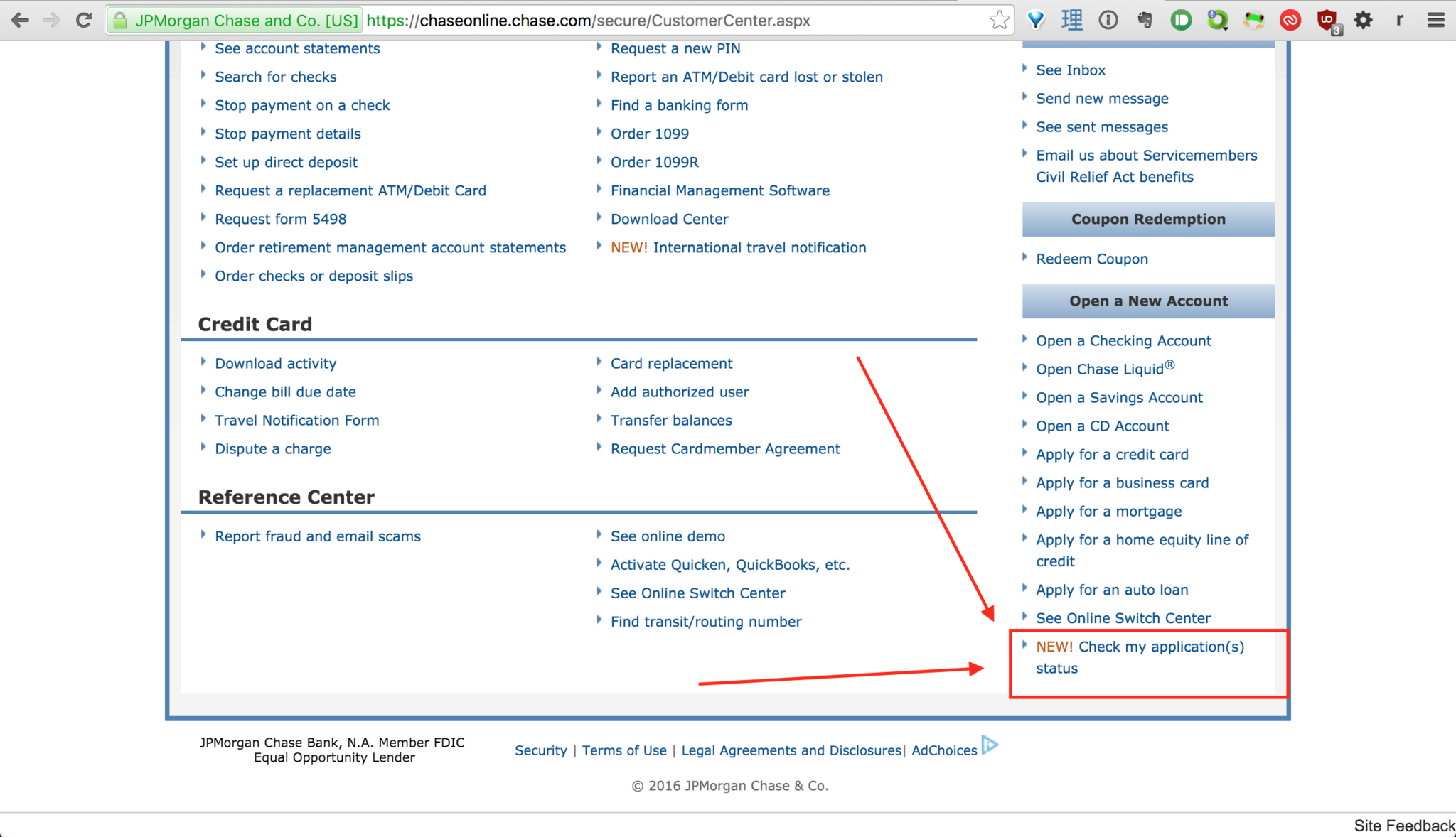
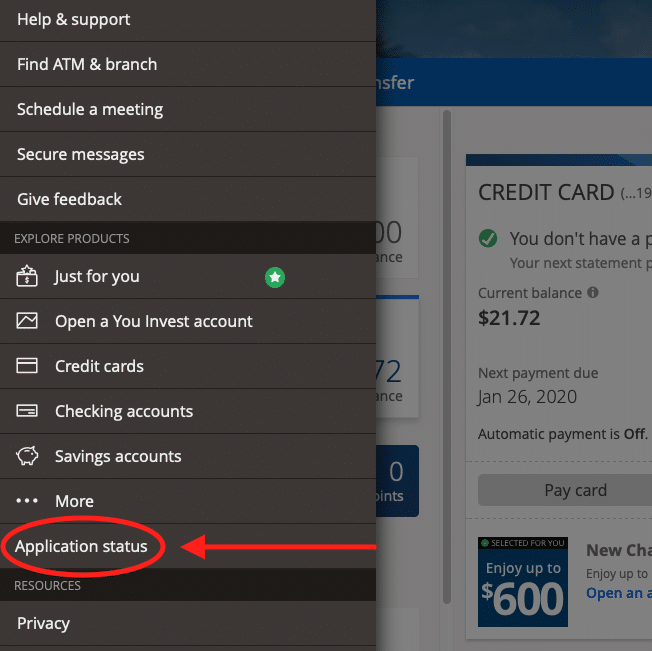
Visit the Official Chase Website: Navigate to Chase’s main website. Look for a section related to “Credit Cards” or “Application Status.”
-
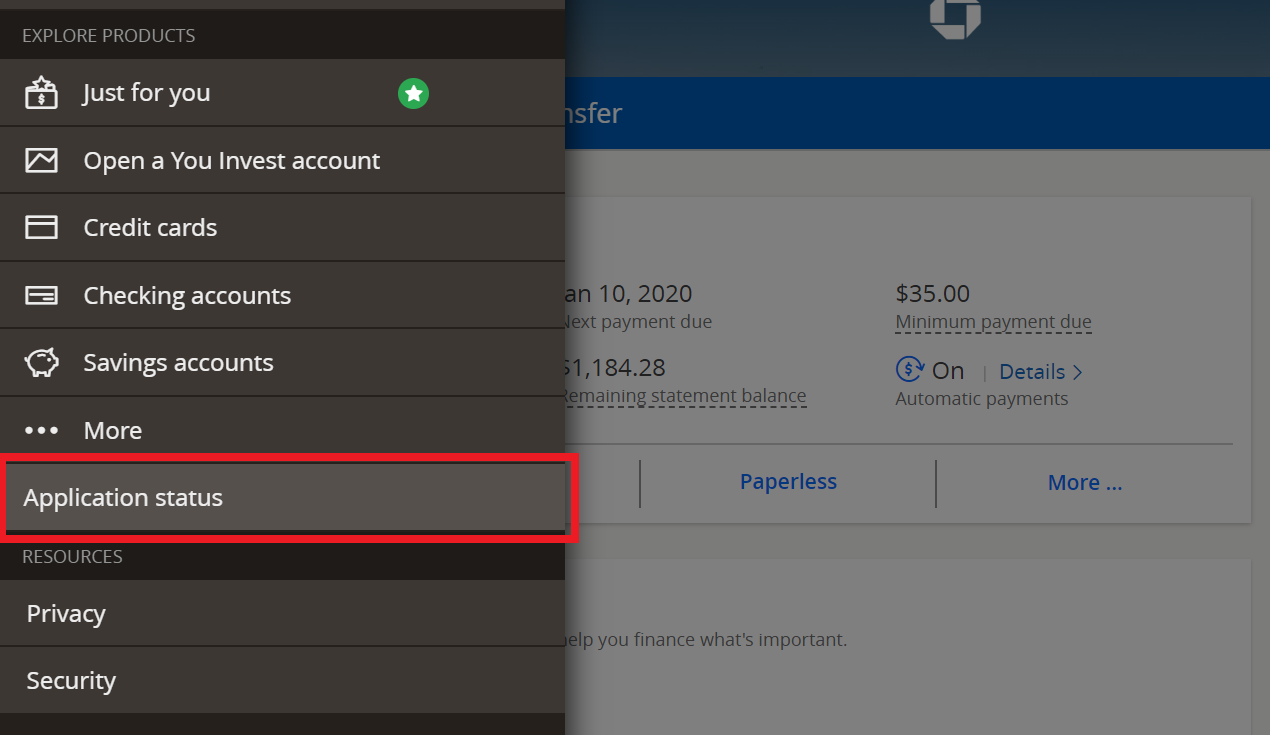
Locate the Status Checker: Often, there’s a specific link labeled “Check Application Status” or similar. For Chase, this is typically found under their credit card section.
-
Enter Required Information: You will generally need to provide your Social Security Number (SSN) and potentially the application reference number you received upon submission. In some cases, your ZIP code might also be required for verification.
-
Review Your Status: After entering the necessary details, the system will display your current application status. This could be “Approved,” “Denied,” or “Pending/Under Review.”
The online portal is accessible 24/7, making it the most flexible option. It also minimizes the need to speak with a representative if your status is clear.
Via Phone Call
For those who prefer a direct conversation, have specific questions, or are unable to find their status online, calling Chase’s application status line is an excellent alternative. Speaking with a representative can sometimes provide more detailed insights, especially if your application is pending and requires further action.
To check your status by phone:
-
Locate the Correct Phone Number: Chase has a dedicated phone number for credit card application status inquiries. This number is usually found on their official website under the credit card or customer service sections. A common number is 1-888-338-2586, but it’s always best to verify on the Chase website for the most current contact information.
-
Prepare Your Information: Before calling, have your Social Security Number (SSN) and any application reference numbers ready. The representative will use these to locate your application.
-
Navigate the Automated System: You may need to navigate through an automated menu before reaching a live agent. Listen carefully to the prompts to select the option for checking application status.
-
Speak with a Representative: Once connected, clearly state your purpose for calling and provide the requested verification information. The representative will then be able to tell you your application’s status and potentially offer more context than the online checker.
This method is particularly useful if your application has been pending for an extended period, or if you received a request for additional information and have questions.
Through Mail Notification
While less immediate, Chase also communicates application decisions via postal mail, especially for denials or requests for further information.
-
Approval Mail: If approved, you will receive your new credit card and welcome packet in the mail, typically within 7-10 business days of approval.
-
Denial Mail: If denied, Chase is legally required to send an Adverse Action Notice. This letter will explain the primary reasons for the denial, which can be valuable for improving your credit profile for future applications.
-
Request for Information: In some cases, Chase might mail a request for additional documentation or clarification. It’s crucial to respond to these requests promptly to avoid delays or a potential denial.
Always keep an eye on your mailbox during the application review period, as physical mail often contains important formal communications.
Interpreting Your Application Status: What Each Outcome Means
Understanding the language of your application status is key to knowing your next steps. Each status has distinct implications for your financial planning.
Approved
Congratulations! An “Approved” status means Chase has decided to extend you a line of credit. You will receive your physical card in the mail, usually within 7-10 business days. The approval notice might also detail your credit limit and interest rate. Upon receiving your card, activate it according to the instructions provided and familiarize yourself with the card’s terms and benefits. This is a positive step in your personal finance journey, offering new opportunities for managing expenses, earning rewards, or building credit.
Denied
A “Denied” status, while disappointing, is not the end of the road. It means Chase has determined, based on their underwriting criteria, that they cannot approve your application at this time. As mentioned, you will receive an Adverse Action Notice in the mail detailing the specific reasons for the denial. Common reasons include:
-
Low credit score
-
High existing debt-to-income ratio
-
Limited credit history
-
Too many recent credit inquiries
-
Inaccurate information on the application
Use this information constructively. Review your credit report, identify areas for improvement, and address any inaccuracies. A denial offers an opportunity to strengthen your financial foundation before reapplying.
Pending / Under Review
This is the most common status after initial submission, signifying that your application requires further scrutiny. A “Pending” or “Under Review” status does not automatically mean a denial; it simply means Chase needs more time or additional information to make a final decision. Reasons for this status can include:
-
Need for manual review by an underwriter
-
Verification of income or employment
-
A marginal credit profile that requires closer examination
-
Chase needing to verify information provided on the application
If your application remains pending for an extended period (more than 7-10 business days), it’s often advisable to call the reconsideration line, which we will discuss next. This can sometimes expedite the review process or allow you to provide clarifying information.
What to Do if Your Application is Pending or Requires More Information
A pending status provides an opportunity to be proactive. If Chase needs more information, responding quickly and thoroughly can significantly influence the outcome.
Responding to Requests for Information
If Chase requests additional documents, such as proof of income (pay stubs, tax returns), proof of identity, or clarification on aspects of your application, respond immediately. Delays in providing requested information can lead to your application being denied simply because Chase couldn’t complete their review. Ensure you provide clear, legible copies of any documents and follow their instructions precisely. Sending documents securely is also paramount, often through a dedicated upload portal or secure fax.
The Reconsideration Line Strategy
Chase, like many issuers, has a “reconsideration line.” This is a phone number that connects you directly to an underwriter who can review your application again, often with your direct input. This can be particularly effective if your application is pending, or even if it was initially denied, and you believe there’s a reason for Chase to reconsider.
Before calling the reconsideration line:
-
Understand Your Credit Report: Pull your latest credit report from all three major bureaus (Equifax, Experian, TransUnion) and familiarize yourself with your scores and any potential issues.
-
Identify Strengths: Be ready to articulate why you are a good candidate for the card. Highlight strong payment history, low existing debt, stable income, or a long relationship with Chase (if applicable).
-
Address Weaknesses: If you know there are certain weaker points in your application (e.g., a recent inquiry, a higher debt-to-income ratio), be prepared to explain them responsibly and how you are managing them.
-
Be Polite and Professional: The underwriter has the discretion to approve or deny. A courteous and confident approach is more likely to yield positive results.
When you call, state that you would like your application to be reconsidered. Be prepared to explain any recent changes in your financial situation, correct any misunderstandings, or offer to move credit limits from existing Chase cards if you have them. The reconsideration line can often lead to an approval when an automated system might have flagged an issue.
Patience and Follow-up
While being proactive is good, excessive daily checking or calling can be counterproductive. Give the process time. If you’ve responded to a request for information or called the reconsideration line, allow a few business days for their system to update or for the underwriter to complete their review. If an extended period (e.g., more than two weeks) passes without any communication after your last interaction, a polite follow-up call is appropriate.
Tips for Future Applications and Financial Planning
Regardless of your current application’s outcome, responsible credit card use and financial planning are ongoing endeavors.
Before You Apply Again
If your application was denied, or even if it was approved, take the opportunity to review your overall financial health.
-
Monitor Your Credit: Regularly check your credit reports for accuracy and progress. Utilize free credit monitoring services.
-
Reduce Debt: Lowering your credit utilization (the amount of credit you use relative to your total available credit) can significantly improve your credit score.
-
Increase Income: A higher income can improve your debt-to-income ratio, making you a more attractive applicant.
-
Diversify Credit: A mix of credit types (e.g., installment loans and revolving credit) can positively impact your score.
-
Space Out Applications: Avoid applying for multiple credit cards in a short period, as this can lead to multiple hard inquiries, temporarily lowering your score.
Building a Strong Financial Profile
Ultimately, the best way to ensure success with credit card applications is to maintain a robust and healthy financial profile. This includes:
-
Paying Bills on Time: Payment history is the single most important factor in your credit score.
-
Living Within Your Means: Avoid overspending and accumulating excessive debt.
-
Saving and Investing: Building an emergency fund and investing for the future demonstrates financial stability.
-
Understanding Credit: Educate yourself on how credit works, interest rates, and the impact of various financial decisions.
By diligently managing your finances and understanding the application process, you empower yourself to make informed decisions and achieve your financial goals with tools like Chase credit cards. Checking the status is just one step in a larger, continuous journey of financial responsibility.
aViewFromTheCave is a participant in the Amazon Services LLC Associates Program, an affiliate advertising program designed to provide a means for sites to earn advertising fees by advertising and linking to Amazon.com. Amazon, the Amazon logo, AmazonSupply, and the AmazonSupply logo are trademarks of Amazon.com, Inc. or its affiliates. As an Amazon Associate we earn affiliate commissions from qualifying purchases.