
Applying for a new credit card, especially from a prominent issuer like Chase, can be an exciting step towards enhancing your financial toolkit. Whether you’re eyeing a robust travel rewards card, a solid cash-back option, or building your credit history, the period between submitting your application and receiving a decision can often feel like an eternity. Understanding how to check your application status promptly and interpret the potential outcomes is a crucial aspect of responsible personal finance management. This guide will walk you through the various methods to track your Chase credit card application and what each status might mean for your financial planning.
Understanding the Chase Application Process Timeline
When you submit a credit card application to Chase, a sophisticated underwriting process begins immediately. While some applicants receive instant decisions, others may find their application pending further review. Knowing what to expect regarding the timeline can help manage your expectations and guide your subsequent actions.
Instant Decisions vs. Further Review
Not every application results in an immediate approval or denial. Chase, like most financial institutions, employs automated systems to review applications based on pre-defined criteria. If your credit profile, income, and other submitted information align perfectly with their lending standards, you might receive an instant decision. This is often the case for applicants with strong credit histories and a straightforward financial background.
However, many applications require a more in-depth, manual review. This can happen for several reasons:
-
Complex Credit History: If your credit report contains unique entries, recent significant changes, or a high number of inquiries, a human underwriter may need to examine the details.
-
New Customer Status: If you’re new to Chase, they might take extra steps to verify your identity and financial stability.
-
Ambiguous Information: Any discrepancies or unclear information on your application could trigger a manual review.
-
Volume: During peak application periods, even otherwise straightforward applications might be delayed due to high processing volumes.
Typical Waiting Periods
For applications that don’t receive an instant decision, the waiting period can vary. Generally, if your application goes into “review,” Chase typically aims to make a decision within 7-10 business days. However, this is not a strict guarantee and can extend up to 30 days in some complex cases or if additional information is required from you. Patience is key, but so is knowing when to follow up.
Factors Influencing Decision Speed
Several financial and personal factors can influence how quickly Chase processes your application:
-
Credit Score and History: A robust credit score and a lengthy history of responsible credit use often expedite the process. Conversely, a thinner credit file or recent negative marks can slow it down.
-
Income Verification: If your stated income seems unusually high or low for your profession, or if Chase requires further proof, this can add time.
-
Existing Relationship with Chase: Current Chase customers might experience a quicker process as the bank already has a history with them.
-
Recent Credit Inquiries: A high number of recent credit applications across different lenders might raise flags and lead to a more thorough review.
-
Application Completeness: Any missing or incorrect information will undoubtedly cause delays as Chase attempts to verify details.
Primary Methods to Check Your Application Status
Fortunately, Chase provides several convenient and reliable ways to check the status of your credit card application. Utilizing these financial tools effectively can save you time and alleviate anxiety.
The Chase Online Application Status Tool
The most efficient and widely used method for checking your application status is Chase’s dedicated online tool. This digital financial service is designed for ease of use and provides real-time updates.
How to Use It:
-
Navigate to the Chase Website: Go to Chase.com.
-
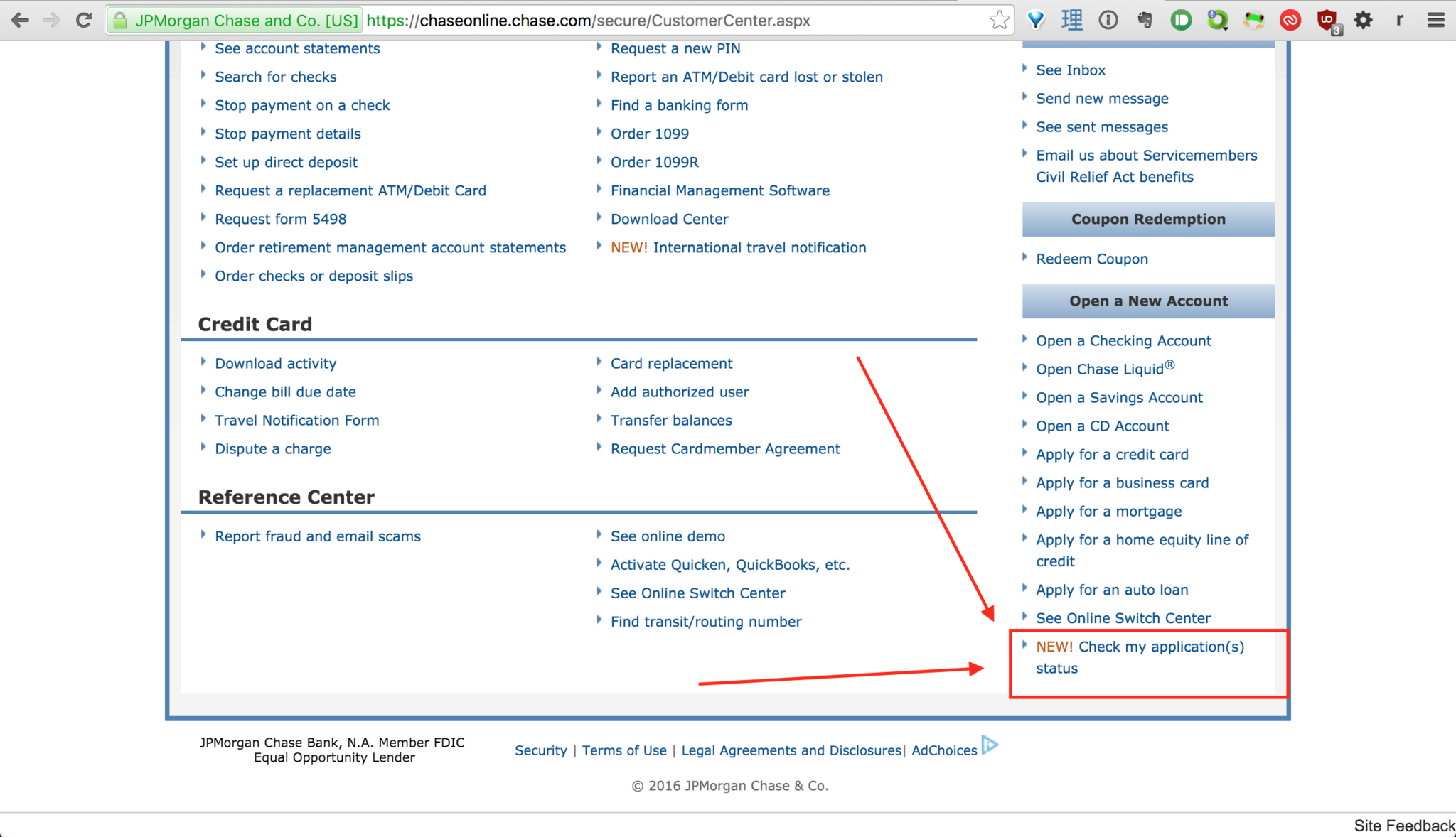
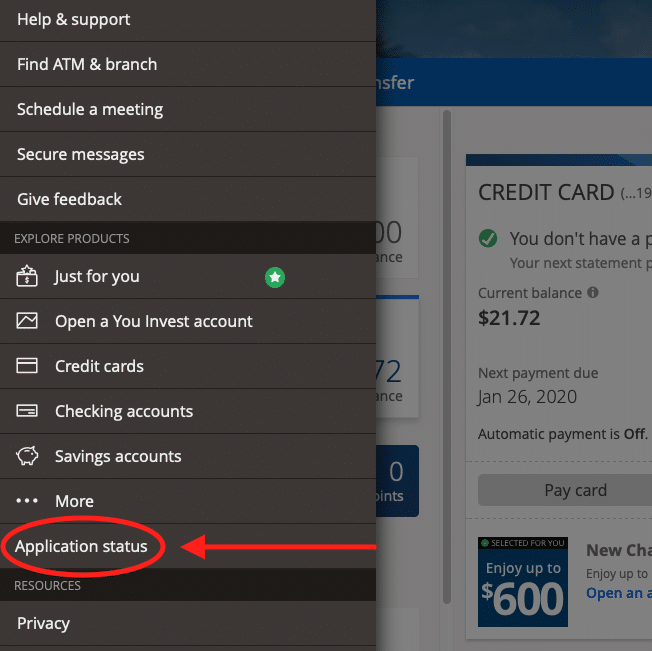
Locate the Status Checker: Typically, you can find a link by searching “check application status” on their site or by navigating through the credit card section, often under a “customer service” or “apply now” sub-menu. The direct link is generally available and easy to find with a quick search.
-
Provide Required Information: You will usually need to enter your Social Security Number (SSN) and your ZIP code. In some cases, if you have it, your application ID number might also be requested for faster retrieval.
-
Review Your Status: The tool will then display your current application status, such as “Approved,” “Denied,” “Pending,” or “In Review.”
This method is highly recommended due to its accessibility and instant feedback. It’s available 24/7, allowing you to check at your convenience without needing to wait for business hours.
Contacting Chase Customer Service by Phone
While the online tool is excellent, sometimes you might prefer or require a human touch. Contacting Chase customer service directly by phone is an alternative, especially if the online tool isn’t providing the information you need, or if you have specific questions about a “pending” status.
How to Use It:
-
Find the Right Number: Chase has a dedicated reconsideration line and general credit card application inquiry lines. A quick search for “Chase credit card application status phone number” will usually provide the most current contact. Typically, it’s a toll-free number.
-
Prepare Your Information: Have your SSN, application ID (if you have it), and any other relevant personal identification details ready to verify your identity.
-
Speak with a Representative: Explain that you’re calling to inquire about the status of your credit card application. They can often provide more detailed information than the online tool, especially if your application is under manual review or if additional documents are needed. This method is particularly useful if you’ve been denied and wish to discuss reconsideration.
Checking Your Mail (for Traditional Correspondence)
Despite the prevalence of digital communication, traditional postal mail still plays a role in the credit card application process. Chase may send important communications via mail, especially for certain outcomes or requests for information.
What to Look For:
-
Approval Letters: While many approvals are communicated digitally, a physical welcome kit or confirmation letter will often arrive by mail.
-
Adverse Action Letters: If your application is denied, Chase is legally obligated to send an “adverse action letter” via mail. This letter details the specific reasons for the denial and informs you of your rights. This is a critical financial document for understanding and potentially improving your credit standing.
-
Requests for More Information: In some instances, Chase may require additional documentation (e.g., proof of income, identity verification) and will send a letter outlining what they need and how to submit it. Always respond to these requests promptly to avoid further delays or automatic denial.
Deciphering Application Statuses and Next Steps
Once you’ve checked your application status, understanding what each outcome means and what actions you should take next is paramount for sound financial decision-making.
“Approved”: Congratulations and What to Expect Next
An “Approved” status is, of course, the most desirable outcome.
-
Expect Your Card: Your new Chase credit card will typically arrive within 7-10 business days of approval.
-
Activation and Setup: Follow the instructions to activate your card. You’ll also want to set up online access to your account to manage payments, monitor spending, and access card benefits.
-
Understand Your Credit Limit: Take note of your initial credit limit. Responsible use within this limit is crucial for maintaining good credit health and improving your credit score over time.
-
Explore Benefits: Familiarize yourself with the rewards program, sign-up bonus requirements, and any other perks your new card offers to maximize its financial value.
“Denied”: Understanding the Reasons and Your Rights
Receiving a “Denied” status can be disappointing, but it’s an opportunity for financial growth.
-
Review the Adverse Action Letter: This letter is your most important resource. It clearly outlines the reasons for the denial (e.g., low credit score, too many recent inquiries, high debt-to-income ratio). Analyze these reasons to understand areas for improvement in your financial profile.
-
Consider the Reconsideration Line: Chase has a dedicated reconsideration line. If you believe there was a misunderstanding, an error on your credit report, or you have additional information to provide (e.g., a recent pay raise not yet reflected in your credit file), you can call this line. Be prepared to politely and clearly articulate your case. This is a valuable financial tool for applicants who are borderline.
-
Improve Your Credit: Use the denial as a learning experience. Focus on paying bills on time, reducing existing debt, and limiting new credit applications. Regularly check your credit report for accuracy.
“Pending” or “In Review”: Patience and Proactive Measures
A “Pending” or “In Review” status means Chase hasn’t made a final decision yet.
-
Be Patient: As mentioned, allow 7-10 business days for Chase to complete its review.
-
Call the Reconsideration Line (Strategically): If it’s been longer than the typical waiting period, or if you want to provide additional context to your application, calling the reconsideration line might be beneficial. You can politely inquire about the status and offer any clarifying information. This proactive step can sometimes push your application through.
-
Anticipate Further Requests: Be ready to provide additional documentation if requested, such as proof of income (pay stubs, tax returns) or identity verification.
“Request for More Information”: Responding Promptly
If Chase requests more information, this is a positive sign that your application is still being considered.
-
Act Quickly: Respond to these requests as soon as possible. Delays can lead to the application being automatically denied or withdrawn.
-
Provide Accurate Documents: Ensure any documents you submit are clear, accurate, and exactly what Chase requested. This might include income verification, address proof, or identity documents.
-
Follow Submission Instructions: Pay close attention to how Chase instructs you to submit the documents (e.g., secure upload portal, fax, mail).
Strategic Considerations for Future Applications (Financial Tools & Habits)
Understanding the application process is just one piece of the credit card puzzle. For long-term financial health, it’s crucial to adopt strategic habits and utilize financial tools effectively, especially when dealing with major issuers like Chase.
Reviewing Your Credit Report Before Applying
One of the most fundamental personal finance habits is to regularly check your credit report and score before applying for any new credit.
-
Accuracy is Key: Errors on your credit report can negatively impact your score and lead to denials. Tools like AnnualCreditReport.com allow you to get a free report from each of the three major credit bureaus annually.
-
Understand Your Score: Knowing your credit score helps you gauge your likelihood of approval and allows you to apply for cards aligned with your credit profile, preventing unnecessary hard inquiries.
Understanding Chase’s “5/24 Rule”
Chase has a well-known, unwritten rule referred to as the “5/24 rule.” This rule is a critical piece of financial strategy for anyone interested in Chase credit cards.
-
The Rule Explained: If you’ve opened five or more personal credit cards from any issuer (not just Chase) within the past 24 months, Chase will likely deny your application for most of their credit cards.
-
Strategic Planning: This rule necessitates careful planning for credit card enthusiasts. If you have Chase cards on your wishlist, you might need to prioritize their applications when you are under 5/24, or hold off on other applications until your count resets. This is a prime example of how specific issuer policies impact personal finance strategies.
Building a Strong Credit Profile
Regardless of immediate application outcomes, continuously building and maintaining a strong credit profile is vital for all financial endeavors.
-
Payment History: Always pay your bills on time, every time. This is the single most important factor in your credit score.
-
Credit Utilization: Keep your credit utilization ratio (the amount of credit you’re using compared to your total available credit) low, ideally below 30%.
-
Credit Mix and Length: A diverse mix of credit (e.g., credit cards, loans) and a long credit history contribute positively.
-
Limit New Applications: While tempting, too many new credit applications in a short period can lower your score due to multiple hard inquiries and a shortened average age of accounts.

The Value of a Chase Credit Card
People apply for Chase credit cards for myriad financial benefits. From their popular travel rewards programs (like Chase Sapphire Preferred and Reserve) to lucrative cash-back options (like Chase Freedom Unlimited and Flex), these cards offer significant value to those who manage them responsibly. Understanding these benefits reinforces the financial incentive behind applying and monitoring your application.
Checking the status of your Chase credit card application is a straightforward process, thanks to their efficient online tools and customer service. By understanding the typical timelines, knowing how to interpret different statuses, and being prepared for potential next steps, you can navigate this process with confidence. More importantly, this exercise serves as a practical lesson in personal financial literacy, emphasizing the importance of informed decision-making and strategic credit management for your long-term financial well-being.
aViewFromTheCave is a participant in the Amazon Services LLC Associates Program, an affiliate advertising program designed to provide a means for sites to earn advertising fees by advertising and linking to Amazon.com. Amazon, the Amazon logo, AmazonSupply, and the AmazonSupply logo are trademarks of Amazon.com, Inc. or its affiliates. As an Amazon Associate we earn affiliate commissions from qualifying purchases.