
Applying for a new credit card can be a significant step in managing your personal finances, whether you’re looking to build credit, earn rewards, or access a new line of credit for financial flexibility. Chase, one of the largest and most reputable financial institutions globally, offers a diverse portfolio of credit cards catering to various financial needs and lifestyles. Once you’ve submitted an application, the waiting game begins. The period between application submission and decision can feel long, often accompanied by a mix of anticipation and anxiety. Understanding how to efficiently check the status of your Chase credit card application is not just about satisfying curiosity; it’s a proactive financial habit that allows you to manage your expectations, plan your next financial moves, and respond promptly if additional information is required. This guide will walk you through the various methods available to monitor your application’s progress, interpret the potential outcomes, and understand the financial implications of each stage.
The Importance of Monitoring Your Application
In the realm of personal finance, proactive management is key. This principle extends to every aspect, from budgeting and investing to managing credit. Monitoring the status of your Chase credit card application is a crucial part of this proactive approach, offering several tangible benefits that go beyond simply knowing if you’ve been approved. It enables you to stay informed, prepare for subsequent steps, and address any potential issues swiftly, all of which contribute to sound financial decision-making.
Firstly, keeping tabs on your application minimizes uncertainty. An application can remain “pending” for various reasons, from a need for manual review by an underwriter to a request for further documentation. Knowing the status allows you to anticipate these scenarios rather than being caught off guard. Secondly, timely awareness of your application’s status empowers you to take prompt action. If Chase requires additional information to process your application, a quick response can significantly expedite the decision-making process. Delays in providing requested documents could lead to your application being denied simply due to incomplete information, a setback that is easily avoidable with diligent monitoring.
Furthermore, understanding the different stages of an application helps you manage your credit profile effectively. Each credit card application typically results in a “hard inquiry” on your credit report, which can slightly and temporarily lower your credit score. While a single inquiry usually has a minimal impact, multiple inquiries within a short period, especially if applications are denied, can signal higher risk to lenders. By monitoring your application, you can make informed decisions about whether to apply for other credit products while your current application is pending or if you need to focus on improving your credit score after a denial. This strategic approach to credit applications is a hallmark of responsible financial management, ensuring that your actions align with your broader financial goals and credit health.
Primary Methods to Check Your Chase Application Status
Chase, like most major financial institutions, understands the importance of providing accessible and convenient ways for applicants to check on their pending credit card requests. They offer several reliable channels, each suited to different preferences and situations. Utilizing these methods correctly can save you time and provide you with the most up-to-date information regarding your application.
Checking Online Through Chase’s Status Tool
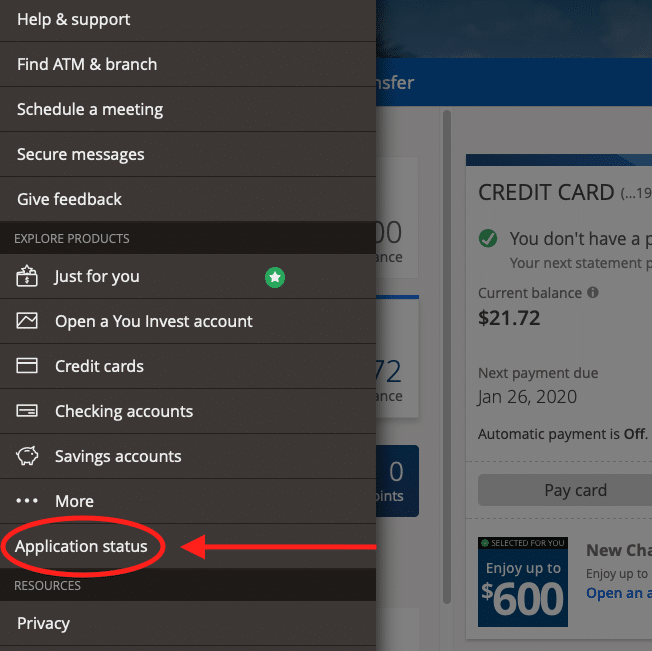
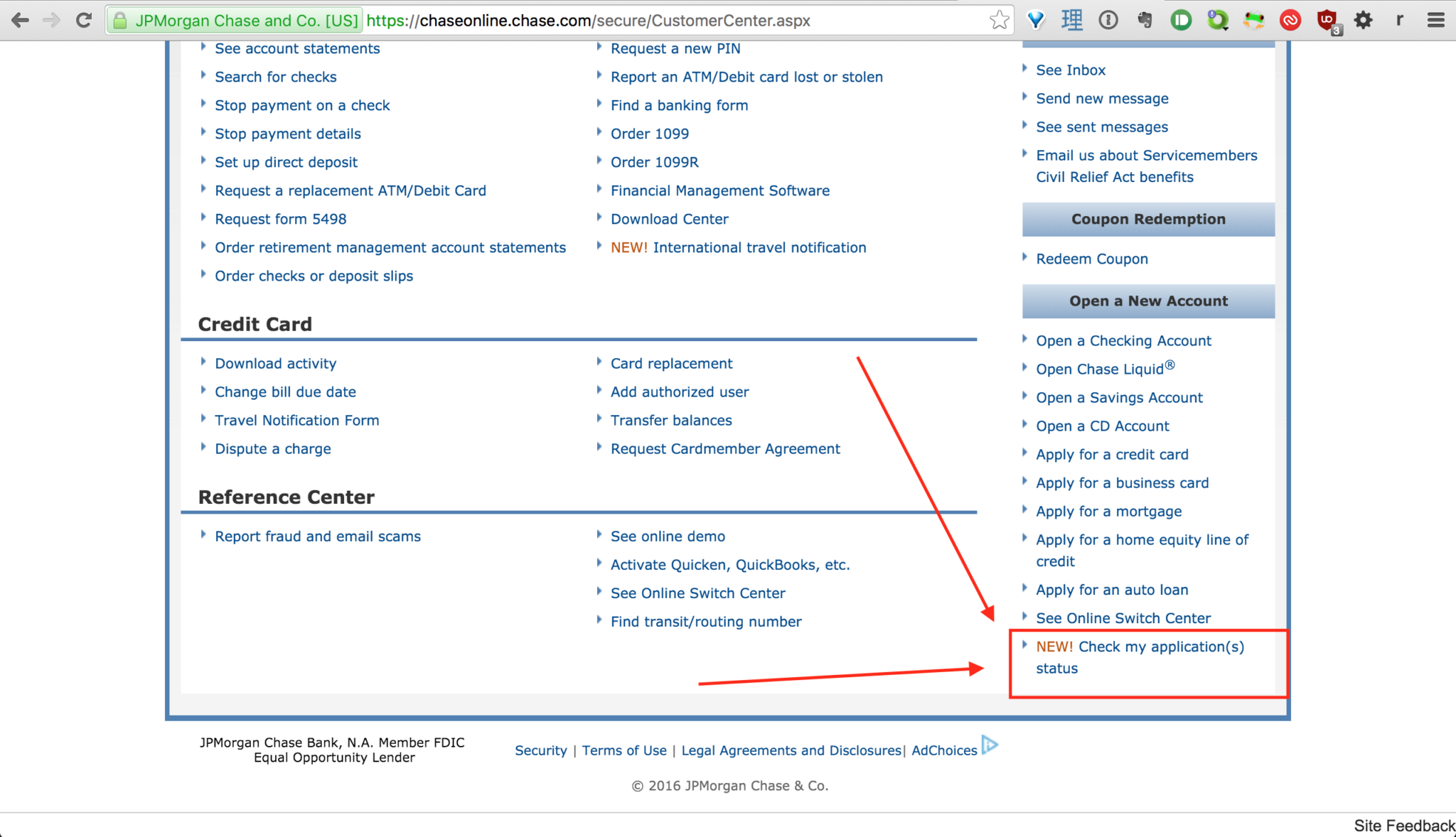
For many, the most convenient and fastest way to check an application status is online. Chase provides a dedicated online application status tool that allows you to quickly retrieve information using a few key details. This method is ideal for those who prefer digital interactions and desire immediate updates without the need for phone calls.
To use the online tool, you will typically need to visit the official Chase website and navigate to the credit card section, where you should find a link for “Check Application Status” or a similar phrase. You will likely be asked to provide your Social Security Number (SSN) and potentially your ZIP code or other identifying information used in your original application. After entering the required details, the system will query your application and display its current status. This online portal is usually available 24/7, offering flexibility regardless of your time zone or schedule. It’s crucial to ensure you are on the official Chase website to protect your personal information and avoid phishing scams. Always double-check the URL for legitimacy before entering sensitive data.
Calling Chase’s Application Status Line
While online tools offer speed, sometimes a direct conversation can provide more nuanced information, especially if your application is pending or requires further action. Chase maintains a dedicated phone line specifically for application status inquiries, allowing you to speak directly with a customer service representative.
The typical number for Chase’s credit card application status line is 1-800-432-3116. It’s advisable to have your Social Security Number and any application reference numbers handy before you call, as the representative will need these to locate your file. Speaking with a human can be particularly beneficial if your application is in a state where additional documentation is needed, or if you wish to provide more context regarding certain aspects of your financial situation that might influence the approval decision. A representative might also be able to offer insights into why an application is pending, providing clarity that an automated online system cannot. Be prepared for potential wait times, especially during peak hours, but the value of a personalized interaction can often outweigh the wait.
Exploring Other Communication Channels
In some instances, Chase might communicate updates or requests for additional information through other channels. While less common for initial status checks, these methods are crucial for a comprehensive approach to monitoring your application.
Firstly, keep an eye on your email inbox. Chase may send email notifications regarding your application status, particularly if there are requests for further documentation or if your application has moved to a decision phase. Always verify the sender’s authenticity to protect against phishing attempts. Secondly, for some applications, especially those requiring more complex review or additional verification, Chase might send physical mail. This could include letters requesting income verification, proof of address, or other supporting documents. Therefore, regularly checking your postal mail for official correspondence from Chase is also a prudent step. While these channels are secondary for proactively checking status, they are vital for responding to Chase’s direct communications, which can be critical for the ultimate outcome of your application.
Decoding Your Application Status: What Each Outcome Means
Understanding the language of credit card application statuses is essential for planning your next financial moves. A pending application doesn’t necessarily mean a denial, and even a denial can be a learning opportunity. Each status carries specific implications for your personal finance journey.
“Approved”: Congratulations, What’s Next?
This is the most anticipated outcome. An “Approved” status means Chase has reviewed your financial profile, including your credit history, income, and debt-to-income ratio, and deemed you eligible for the credit card. This is a positive step for your financial standing, potentially offering new benefits, rewards, or an increased credit limit.
Upon approval, Chase will typically send you a welcome kit with your new credit card, usually arriving within 7-10 business days. It’s crucial to activate your card as soon as you receive it, following the instructions provided (often via a phone call or online portal). Once activated, you can begin using your card and enjoying its benefits. Remember, an approved credit card is a financial tool that requires responsible management. Always aim to pay your balance in full and on time to avoid interest charges and maintain a healthy credit score. Understanding your credit limit and interest rate (APR) is also vital for informed usage.
“Denied”: Understanding the Reasons and Your Options
While disappointing, a “Denied” status is not the end of your financial journey. Federal law (the Equal Credit Opportunity Act) requires lenders to provide specific reasons for denial or inform you of your right to request them. Chase will typically send an adverse action letter within 30 days of your application, detailing the factors that led to the denial.
Common reasons for denial include a low credit score, high existing debt, insufficient income, a limited credit history, or too many recent credit inquiries. Once you receive the letter, review it carefully. This information is invaluable for understanding weaknesses in your financial profile that you can work to improve. Your options after a denial include:
- Reconsideration: Sometimes, a human underwriter might overlook certain positive aspects of your application. You can call Chase’s reconsideration line (often a different number than the general status line) to speak with an analyst. Be prepared to explain any unique circumstances, clarify information, or highlight recent positive financial changes. This can sometimes overturn an initial denial.
- Improve Your Credit Profile: Focus on the reasons cited for denial. If it’s a low credit score, work on paying down existing debt, making all payments on time, and disputing any errors on your credit report. If it’s insufficient income, consider strategies to increase your earnings or reduce expenses.
- Wait and Reapply: After taking steps to improve your creditworthiness, wait at least 6 months (or longer, depending on the severity of the issues) before reapplying for any Chase credit card. This allows time for positive changes to reflect on your credit report.
“Pending” or “In Review”: Patience and Proactive Steps
A “Pending” or “In Review” status means your application requires further assessment beyond the initial automated review. This is a common status and certainly not a pre-denial. It simply indicates that an underwriter needs to manually review your application, verify information, or perhaps look for additional data points that automated systems might miss.
Reasons for a pending status can include:
- A credit score that is on the borderline for approval.
- Incomplete information on your application.
- The need for income verification.
- Discrepancies found on your credit report.
- Applying for a highly sought-after or premium card.
If your application remains pending for more than a few business days, it’s often beneficial to proactively call Chase’s application status line (1-800-432-3116). Speaking with a representative can sometimes expedite the review process or clarify if any additional information is needed from your end. Be ready to answer questions about your income, employment, or existing debts. Being prepared and cooperative can often move your application forward.
“Further Action Required”: Addressing Information Gaps
This specific “pending” sub-status explicitly indicates that Chase needs more information from you to complete their assessment. Ignoring this status will almost certainly lead to a denial.
When you see “Further Action Required,” immediately check your email and postal mail for communications from Chase. They will specify exactly what information they need. This could range from proof of income (pay stubs, tax returns), proof of address, or even clarification on aspects of your credit history. The promptness and accuracy of your response are paramount. Failing to provide the requested information within the given timeframe will likely result in the automatic denial of your application. This status is a clear directive: act quickly and precisely to keep your application viable.
What to Do After Receiving Your Application Decision
Once Chase makes a decision on your credit card application, your course of action depends entirely on the outcome. Responsible financial management dictates that you understand the implications of each decision and act strategically.
If Approved: Activating and Utilizing Your New Card
Congratulations! An approval is an affirmation of your creditworthiness. Upon receiving your physical card, the first step is always to activate it. This is usually done online through your Chase account or via a dedicated activation phone number provided with the card. Activation ensures the card is ready for use and often involves setting up a PIN.
Once activated, delve into the card’s features. Understand its rewards structure (cash back, points, miles), intro APR offers, annual fee, and any specific terms and conditions. The key to maximizing an approved credit card’s benefits while maintaining a healthy financial standing is responsible usage. Always aim to pay your balance in full each month to avoid interest charges, which can quickly negate any rewards earned. If carrying a balance is necessary, ensure you understand the APR and make at least the minimum payment on time to avoid late fees and negative marks on your credit report. Leverage your card for its benefits, but never spend beyond your means. Remember, a new line of credit, when managed wisely, can enhance your financial flexibility and boost your credit score over time.
If Denied: Reconsideration and Improving Your Credit Profile
A denial, while disheartening, is an opportunity for financial growth. As mentioned, Chase will send you an adverse action letter detailing the reasons for denial. This letter is your roadmap for improvement.
- Consider Reconsideration: Before accepting the denial, evaluate if you have a strong case for reconsideration. If your income has recently increased, a significant debt has been paid off, or if there’s an error on your credit report you can explain, calling Chase’s reconsideration line (often 1-888-270-2127 or 1-800-432-3116, ask for reconsideration department) is a worthwhile step. Be polite, concise, and persuasive. Explain why you believe you’re a good candidate for the card, focusing on positive financial changes or mitigating circumstances.
- Improve Your Credit Profile: Regardless of a reconsideration attempt, commit to addressing the underlying issues.
- Review Your Credit Reports: Obtain free copies from AnnualCreditReport.com. Scrutinize them for errors and dispute any inaccuracies with the credit bureaus.
- Reduce Debt: Focus on paying down high-interest credit card debt. A lower credit utilization ratio (the amount of credit you use compared to your total available credit) significantly improves your credit score.
- Pay Bills On Time: Payment history is the most critical factor in your credit score. Ensure all bill payments (credit cards, loans, utilities) are made by their due dates. Consider setting up automatic payments.
- Build Credit History: If your history is short, consider a secured credit card or becoming an authorized user on a trusted individual’s account (with responsible usage).
- Limit New Applications: Avoid applying for multiple new credit products in a short period, as each hard inquiry can temporarily ding your score.

If Pending: When and How to Follow Up
A pending status requires patience, but also strategic follow-up. Don’t just wait indefinitely.
- Give It Time: Initially, allow 3-7 business days for the automated system to process and for initial manual reviews.
- Proactive Call: If you haven’t heard back within this timeframe, or if the online status indicates “pending” with no further instructions, call Chase’s application status line (1-800-432-3116).
- Be Prepared: Have your SSN and any reference numbers ready. Be prepared to answer questions about your income, employment, existing debts, and financial history. The representative might be able to provide a more specific reason for the delay or even push the application forward for a final review.
- Respond to Requests: If Chase requests additional documents or information (via email or mail), respond promptly and accurately. Delays here can easily lead to a denial.
In essence, whether your application is approved, denied, or pending, the key is to understand the implications for your personal financial health and to take informed, strategic action. Each outcome provides valuable insights into your creditworthiness and opportunities for improving your financial standing.
aViewFromTheCave is a participant in the Amazon Services LLC Associates Program, an affiliate advertising program designed to provide a means for sites to earn advertising fees by advertising and linking to Amazon.com. Amazon, the Amazon logo, AmazonSupply, and the AmazonSupply logo are trademarks of Amazon.com, Inc. or its affiliates. As an Amazon Associate we earn affiliate commissions from qualifying purchases.