
In the landscape of modern personal finance, the seamless movement of money is the backbone of our daily lives. Whether you are setting up a direct deposit for a new job, paying your monthly rent via an electronic portal, or initiating a high-value wire transfer, you will inevitably encounter a request for a “routing number.” While it may seem like just another string of digits in a sea of financial data, the routing number is a critical component of the American banking infrastructure.
Understanding how to locate and verify this number is not just a matter of convenience; it is a fundamental skill for maintaining financial accuracy and security. This guide explores the diverse methods for checking your routing number and provides the professional insight necessary to manage your banking details with confidence.

Understanding the ABA Routing Number: More Than Just a String of Digits
To effectively manage your finances, it is helpful to understand what a routing number actually represents. Formally known as an American Bankers Association (ABA) Routing Transit Number (RTN), this nine-digit code was developed in 1910 to simplify the processing of paper checks. Today, it serves as a digital address that tells other financial institutions exactly where your money needs to go.
What is a Routing Number?
At its core, a routing number identifies a specific financial institution within the United States. Unlike your account number, which is unique to you, a routing number is shared by many customers at the same bank. However, large national banks may have different routing numbers based on the state or region where the account was originally opened. It acts as a primary sortation key for the Federal Reserve and private clearinghouses, ensuring that funds are directed to the correct bank for final processing.
The Anatomy of the 9-Digit Code
The nine digits in your routing number are not random; they follow a specific formula designed for accuracy and error detection.
- The First Four Digits: These represent the Federal Reserve routing symbol, indicating the physical location of the bank or the processing center.
- The Next Four Digits: These identify the specific financial institution (the ABA institution identifier).
- The Ninth Digit: Known as the “check digit,” this is calculated using a complex mathematical algorithm involving the previous eight digits. If a single number is typed incorrectly during a transfer, the check digit will likely fail the validation test, preventing the transaction from being sent to the wrong destination.
Where to Find Your Routing Number: Digital and Physical Methods
In our current era of multi-channel banking, there are several ways to retrieve your routing number. Depending on whether you have a physical checkbook or prefer digital interfaces, you can find this information in a matter of seconds.
Locating it on a Paper Check
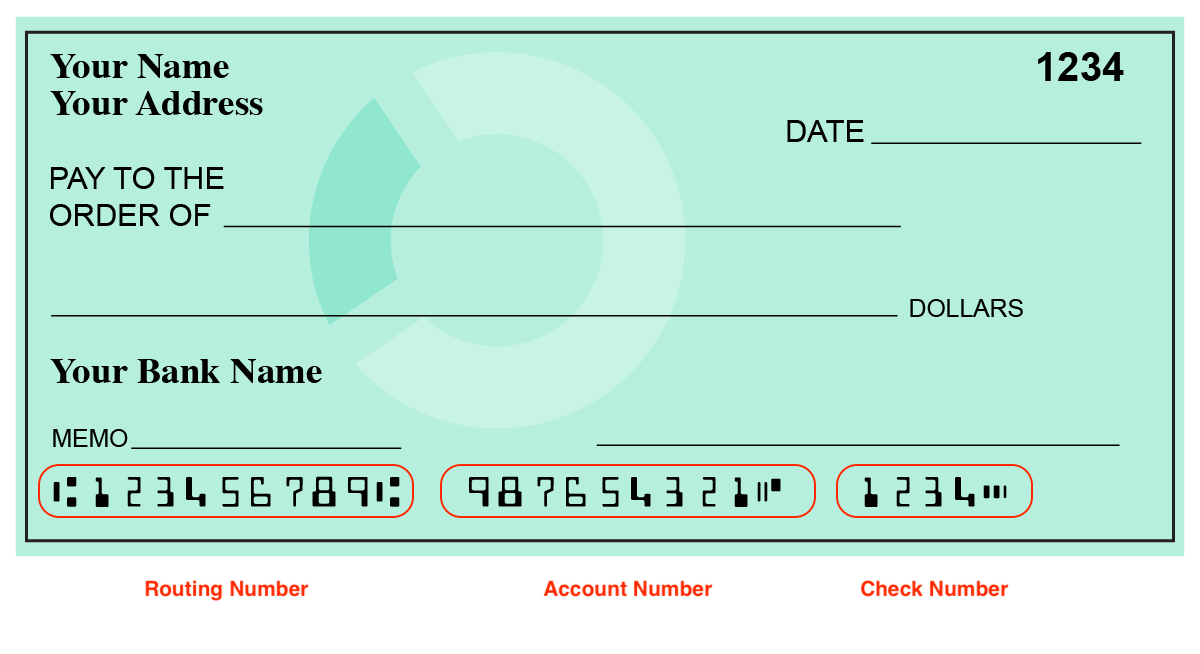
The most traditional way to check your routing number is by looking at a physical check associated with your account. If you look at the bottom of the check, you will see a series of numbers printed in a unique font known as MICR (Magnetic Ink Character Recognition).
- The first set of numbers on the far left is typically your nine-digit routing number.
- The second set of numbers is usually your account number.
- The third set of numbers corresponds to the specific check number.
It is important to note that deposit slips also contain routing numbers, but these are sometimes different from the routing numbers used for outgoing payments. Always verify the number specifically labeled for “Routing” or “RTN.”
Finding it via Online Banking and Mobile Apps
For those who have moved away from paper checks, online banking platforms are the most reliable source for routing information. Once you log into your bank’s secure portal or mobile application:
- Navigate to the “Account Details” or “Account Summary” section.
- Select the specific account (Checking or Savings) you are inquiring about.
- Look for a tab labeled “Direct Deposit Information” or “ACH/Wire Details.”
Most modern banking apps provide a “copy” button next to the routing number to help you avoid transcription errors when pasting the number into another financial application.
Using Official Search Tools and Bank Websites
If you do not have immediate access to your account login, many banks list their routing numbers on their public-facing websites. You can often find these in the “Frequently Asked Questions” (FAQ) or “Contact Us” sections. Additionally, the American Bankers Association provides an online look-up tool where you can search for a bank’s routing number using its legal name and location. However, use caution with this method if you belong to a large national bank, as they may have different numbers for different regions.
When and Why You Need Your Routing Number
The routing number is the “how” of financial logistics. Without it, the electronic grid that powers our economy would cease to function efficiently. There are several specific scenarios where having this number at your fingertips is essential.
Setting Up Direct Deposits and Automated Payments
The most common use for a routing number is establishing a direct deposit. When you start a new job, your employer’s payroll department requires both your account number and your routing number to send your wages directly to your bank. Similarly, when setting up automated “autopay” for utilities, insurance, or mortgages via the Automated Clearing House (ACH) network, the routing number ensures the funds are pulled from the correct institution.
Wire Transfers vs. ACH Transfers
It is a common misconception that a bank has only one routing number. Many larger institutions maintain two distinct routing numbers: one for ACH transfers (standard electronic payments) and one for domestic wire transfers.
- ACH Routing Numbers: Used for payroll, bill pay, and person-to-person transfers (like Venmo or Zelle connections).
- Wire Routing Numbers: Used for high-speed, same-day transfers, often required for real estate closings or large business acquisitions.
Using an ACH routing number for a wire transfer—or vice versa—can lead to the transaction being rejected or delayed, which can be costly in time-sensitive situations.
International Considerations (SWIFT and IBAN)
If you are receiving money from abroad or sending money to another country, a standard nine-digit U.S. routing number is usually insufficient. In the international money niche, you will likely need a SWIFT/BIC code (Society for Worldwide Interbank Financial Telecommunication). While the routing number identifies the bank domestically, the SWIFT code identifies it globally.
Common Pitfalls and Security Best Practices
In the realm of personal finance, precision is paramount. A single digit out of place can result in a “payment returned” fee or, worse, money being sent to an unintended recipient.
Ensuring Accuracy to Avoid Transaction Failures
To ensure your transfers go through without a hitch, always double-check the routing number against an official statement. Do not rely on “memory” or third-party websites that aggregate routing numbers, as these lists can sometimes be outdated due to bank mergers or acquisitions. When a bank merges with another, the routing numbers often change. While there is usually a grace period where the old number still works, eventually, you must update your records to the new institution’s identifier.
Protecting Your Financial Information from Fraud
While a routing number itself is not “secret” (after all, it is printed on every check you write), the combination of your routing number and your account number is the “key” to your bank account.
- Avoid Phishing: Never provide your routing and account numbers in response to an unsolicited email or text message claiming to be from your bank.
- Secure Portals: Only enter these details on encrypted, “https” websites.
- Monitor Accounts: Regularly review your bank statements for any unauthorized ACH withdrawals. If someone has your routing and account number, they could theoretically initiate an unauthorized payment.

Conclusion: Managing Your Financial Identity
Checking your routing number is a simple task, but it represents a deeper engagement with your financial health. Whether you are retrieving it from the bottom of a check, a mobile app, or a monthly statement, ensuring its accuracy is the first step in any successful financial transaction.
By understanding the difference between ACH and wire numbers, knowing where to find your data quickly, and maintaining a high standard of digital security, you empower yourself to navigate the complexities of the modern banking system. In a world where “time is money,” having your routing information verified and ready to use ensures that your financial life moves as fast as you do. Always remember: when in doubt, a quick call to your bank’s customer service line can provide the ultimate confirmation, ensuring your hard-earned capital always reaches its intended destination.
aViewFromTheCave is a participant in the Amazon Services LLC Associates Program, an affiliate advertising program designed to provide a means for sites to earn advertising fees by advertising and linking to Amazon.com. Amazon, the Amazon logo, AmazonSupply, and the AmazonSupply logo are trademarks of Amazon.com, Inc. or its affiliates. As an Amazon Associate we earn affiliate commissions from qualifying purchases.