
Navigating the complexities of federal taxes is a cornerstone of responsible personal finance. For many taxpayers, the most pressing question outside of the annual filing season is simply: “How much do I owe?” Whether you are managing an unexpected tax bill, tracking a payment plan, or ensuring your records are up to date before applying for a mortgage, knowing how to check your balance with the Internal Revenue Service (IRS) is an essential financial skill. In the modern era, the IRS has transitioned many of its legacy systems into digital interfaces, providing taxpayers with more transparency than ever before. However, the process still requires a clear understanding of the available tools, security protocols, and the various ways the government communicates debt.
The IRS Online Account: Your Primary Financial Dashboard
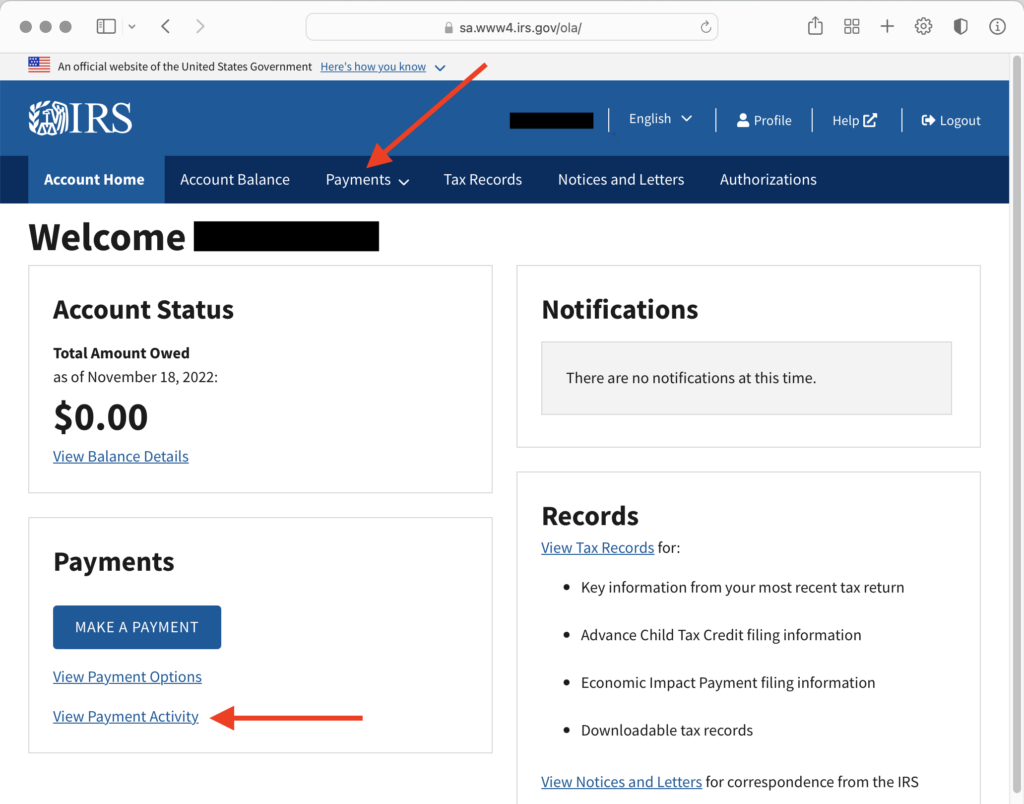
The most efficient and comprehensive way to check your balance is through the official IRS Online Account portal. Over the last several years, the IRS has invested heavily in digital transformation, aiming to reduce the volume of phone inquiries by giving taxpayers direct access to their records.
Setting Up Your Account via ID.me
To access your sensitive financial data, the IRS requires a rigorous identity verification process. Currently, this is facilitated through ID.me, a third-party technology provider that specializes in digital identity verification. When you navigate to the IRS website to check your balance, you will be prompted to create or sign in to an ID.me account. This process typically requires a government-issued photo ID—such as a driver’s license or passport—and a “selfie” or video chat to confirm your identity. While this may seem cumbersome, it is a critical security measure designed to protect your Social Security number and financial history from identity theft.
What Information Can You Access?
Once authenticated, your IRS Online Account serves as a central hub for your federal tax information. You can view:
-
The Total Amount Owed: This includes the principal tax amount, accrued interest, and any penalties assessed.
-
Balance Breakdown by Year: If you owe taxes for multiple filing years, the portal provides a year-by-year itemization, which is crucial for prioritizing payments.
-
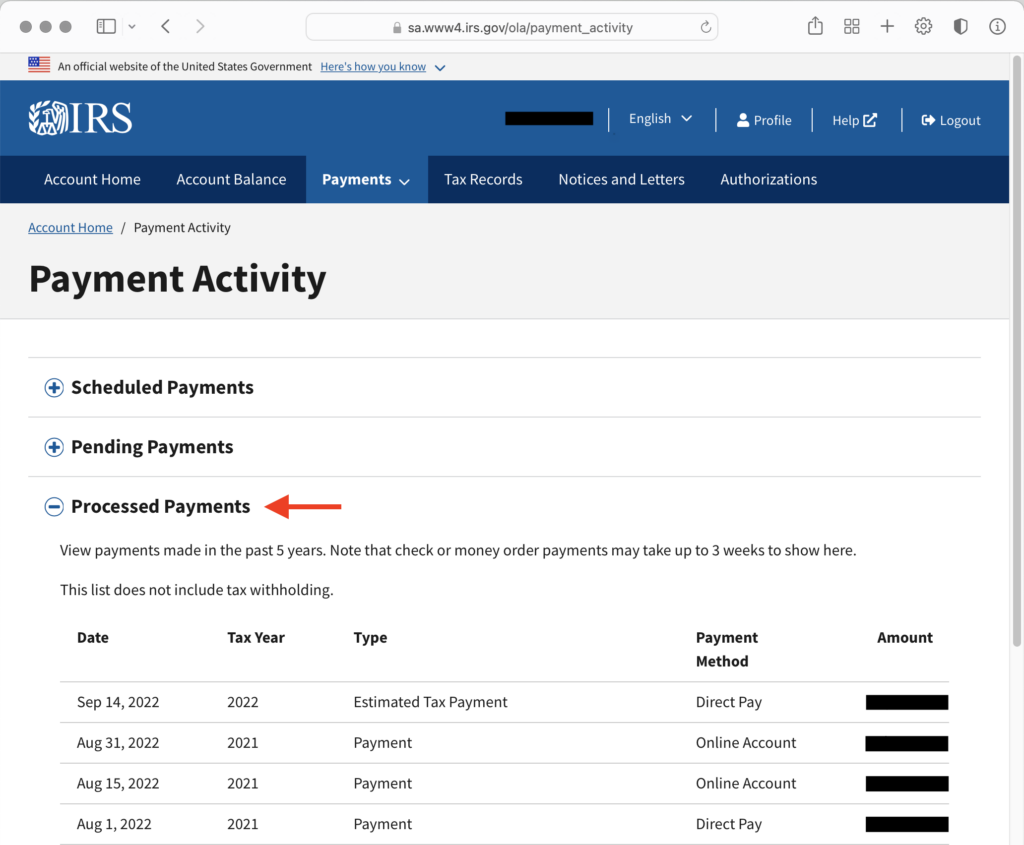
Payment History: You can see a record of any payments made in the last 24 months, including estimated tax payments and payments made with an extension to file.
-
Key Data from Your Most Recent Return: This is helpful for verifying that the IRS has processed your paperwork correctly.
-
Digital Copies of Select Notices: Instead of waiting for the mail, you can often view digital versions of specific IRS notices regarding your balance.
Using the online portal is not just about checking a number; it is about real-time financial management. It allows you to make immediate payments via “Direct Pay” (from a checking or savings account) or via debit/credit card, ensuring that your balance is addressed before additional interest accrues.
Alternative Methods for Verifying Your Tax Debt
While the online account is the fastest method, it is not the only way to determine your standing with the IRS. Some taxpayers may face technical difficulties with identity verification, or they may prefer more traditional forms of documentation for their financial records.
Requesting a Tax Transcript
A tax transcript is an official summary of your tax return or your account status. There are several types of transcripts, but for the purpose of checking a balance, the “Tax Account Transcript” is the most relevant. This document shows basic data such as return type, marital status, adjusted gross income, taxable income, and all payment types. Most importantly, it shows any changes made after you filed your return, which is where penalties and interest will appear.
Transcripts can be requested online for immediate viewing or by mail. If you choose the mail option, the IRS will send the transcript to the address they have on file, which typically takes five to ten business days. This is a vital tool for those who need a physical document to provide to lenders or for legal proceedings.
Understanding IRS Notices (Notice CP14)
For many, the first realization that a balance is owed comes in the form of an IRS notice. The CP14 notice is the standard “balance due” letter sent when the IRS identifies an unpaid tax liability. This notice outlines the amount of tax you owe, plus any interest and penalties, and provides a deadline for payment.
It is a common financial mistake to ignore these notices. The IRS operates on a system of escalating communication; ignoring a CP14 notice will lead to more urgent notices, such as the CP501 or CP504 (Notice of Intent to Levy). Monitoring your physical mail and cross-referencing it with your online account ensures that you are never blindsided by a tax debt.
Contacting the IRS via Telephone
Though often a time-consuming endeavor, calling the IRS remains a viable option for those with complex situations that a digital portal cannot resolve. Taxpayers can call the individual assistance line at 1-800-829-1040. When calling, you must have your Social Security number or Individual Taxpayer Identification Number (ITIN), date of birth, and tax returns from previous years available to verify your identity over the phone. Be prepared for significant wait times, especially during the peak of tax season (January through April).
Interpreting Your Balance: Principal, Interest, and Penalties
When you check your balance, the number you see is rarely just the tax you “forgot” to pay. The IRS balance is a dynamic figure that grows over time due to the statutory addition of interest and penalties. Understanding these components is essential for effective financial planning.
Why Your Balance Might Be Higher Than Expected
The IRS is required by law to charge interest when taxes are not paid by the filing deadline, regardless of whether you have an extension to file. The interest rate is determined quarterly and is the federal short-term rate plus 3%. This interest compounds daily, making it a high-priority debt to resolve.
Beyond interest, there are two primary penalties that can inflate your balance:
-
Failure to File: This penalty is usually 5% of the unpaid taxes for each month or part of a month that a tax return is late.
-
Failure to Pay: This penalty is 0.5% of the unpaid taxes for each month or part of a month the tax remains unpaid.
If both penalties apply in the same month, the Failure to File penalty is reduced by the amount of the Failure to Pay penalty. Even so, these costs can quickly add 25% or more to your original tax bill. When you check your balance, pay close attention to the “as of” date, as the amount will continue to tick upward until the debt is satisfied.
Federal Tax Liens and Levies
If a balance remains unpaid for an extended period, the financial consequences shift from interest and penalties to legal actions. A federal tax lien is a legal claim against your property (including real estate, personal property, and financial assets) to secure payment of the debt. A levy, on the other hand, is the actual seizure of property or wages to satisfy the debt. Checking your balance regularly allows you to take action before the IRS initiates these more aggressive collection tactics.
Resolving Your Balance: Payment Options and Financial Strategies
Once you have successfully identified your balance, the next step is resolution. The IRS offers several avenues for taxpayers who cannot pay their full liability immediately. Proactively engaging with these options can often stop or reduce the accrual of certain penalties.
Installment Agreements and Payment Plans
If you owe $50,000 or less in combined income tax, penalties, and interest, you can often apply for an Online Payment Agreement. These plans come in two main forms:
-
Short-term Payment Plan: Gives you up to 180 days to pay the balance in full.
-
Long-term Payment Plan (Installment Agreement): Allows for monthly payments for up to 72 months.
While interest continues to accrue during these plans, the Failure to Pay penalty is often halved if you are on an approved installment agreement. From a personal finance perspective, an installment agreement provides a structured way to clear debt without the immediate liquidity strain of a lump-sum payment.
Offers in Compromise (OIC)
In rare cases of extreme financial hardship, the IRS may allow an “Offer in Compromise.” This is an agreement between a taxpayer and the IRS that settles a tax debt for less than the full amount owed. This is not a standard tool for most taxpayers; the IRS only approves an OIC if they determine the debt is likely uncollectible or if the taxpayer would face severe economic hardship by paying it. The application process is rigorous and requires a full disclosure of assets, income, and expenses.
Proactive Financial Management: Avoiding Future Balances
The ultimate goal of checking your IRS balance is to reach a point where your balance is zero and stays there. Achieving this requires a shift from reactive checking to proactive planning.
Adjusting Withholding and Estimated Payments
Most tax balances arise because not enough tax was withheld from a paycheck throughout the year. If you find yourself consistently owing money, it is time to revisit your Form W-4 with your employer. By increasing your withholding, you prepay your taxes in smaller, manageable increments throughout the year, rather than facing a large bill in April.
For freelancers, contractors, and small business owners, the “Money” management strategy involves making Quarterly Estimated Tax Payments. Since these individuals do not have taxes withheld by an employer, they must manually pay the IRS every three months. Using the IRS Online Account to track these quarterly payments is the best way to ensure you are meeting your obligations and avoiding the “underpayment penalty.”
Maintaining Organized Financial Records
The ability to check your balance easily is only as good as your ability to understand why that balance exists. Maintaining a dedicated folder (digital or physical) for all tax-related documents—including W-2s, 1099s, and IRS notices—is a hallmark of strong financial health. When you can compare your own records against the IRS Online Account data, you can quickly identify discrepancies, such as a missing payment credit or an error in reported income, and resolve them before they manifest as a ballooning balance.
In conclusion, checking your balance with the IRS is no longer the opaque, stressful process it once was. By leveraging the IRS Online Account, understanding the nuances of tax transcripts, and staying informed about interest and penalty structures, you can take full control of your federal tax obligations. In the landscape of personal finance, knowledge of your liabilities is just as important as knowledge of your assets. Staying informed today prevents the financial headaches of tomorrow.
aViewFromTheCave is a participant in the Amazon Services LLC Associates Program, an affiliate advertising program designed to provide a means for sites to earn advertising fees by advertising and linking to Amazon.com. Amazon, the Amazon logo, AmazonSupply, and the AmazonSupply logo are trademarks of Amazon.com, Inc. or its affiliates. As an Amazon Associate we earn affiliate commissions from qualifying purchases.