
Verifying the insurance status of a vehicle is a critical financial and legal necessity that impacts individuals, businesses, and even governmental entities. Whether you’re purchasing a used car, involved in an accident, or simply ensuring compliance for your own fleet, understanding how to confirm active coverage can save significant financial exposure and legal headaches. In a world where financial accountability is paramount, the ability to quickly and accurately ascertain vehicle insurance details is an essential skill for prudent financial management.
The Importance of Verifying Vehicle Insurance
Active vehicle insurance is not merely a piece of paper; it represents a fundamental layer of financial protection and legal compliance. Ignoring its verification can lead to severe financial repercussions, from unrecovered damages in an accident to substantial fines and legal penalties. For anyone operating or involved with vehicles, ensuring valid insurance is a non-negotiable aspect of responsible financial conduct.
Legal Compliance and Financial Protection
Operating an uninsured vehicle is illegal in almost every jurisdiction and carries stiff penalties, including fines, license suspension, vehicle impoundment, and even jail time. From a financial perspective, a lapse in insurance means you are personally liable for any damages or injuries you cause in an accident. This could lead to devastating out-of-pocket expenses for vehicle repairs, medical bills, and potential legal judgments that can bankrupt an individual or severely impact a business’s bottom line. Conversely, if you are involved in an accident with an uninsured driver, your ability to recover damages may be complicated, potentially requiring you to rely on your own uninsured motorist coverage or pursue costly legal action. Verifying insurance proactively ensures all parties are protected against these severe financial risks.
Due Diligence for Buyers and Sellers
For those engaged in buying or selling a used vehicle, verifying insurance is a crucial step in due diligence. As a buyer, ensuring the vehicle has a clear insurance history, or at least understanding its status, can provide peace of mind. More importantly, you need to ensure you can immediately insure the vehicle upon purchase to avoid any period of uninsured operation. As a seller, having clear proof of active insurance during the transaction process can streamline the transfer of ownership and liability, preventing disputes. In commercial transactions, such as fleet purchases or sales, this due diligence scales significantly, requiring meticulous attention to insurance transfer and new policy activation to maintain continuous coverage and avoid business interruptions or liabilities.
Methods for Checking Insurance Coverage
The process of checking vehicle insurance can vary depending on the information you have available and your jurisdiction. Fortunately, several reliable methods exist, leveraging both digital tools and direct communication to provide the necessary verification.
Online Databases and State Portals
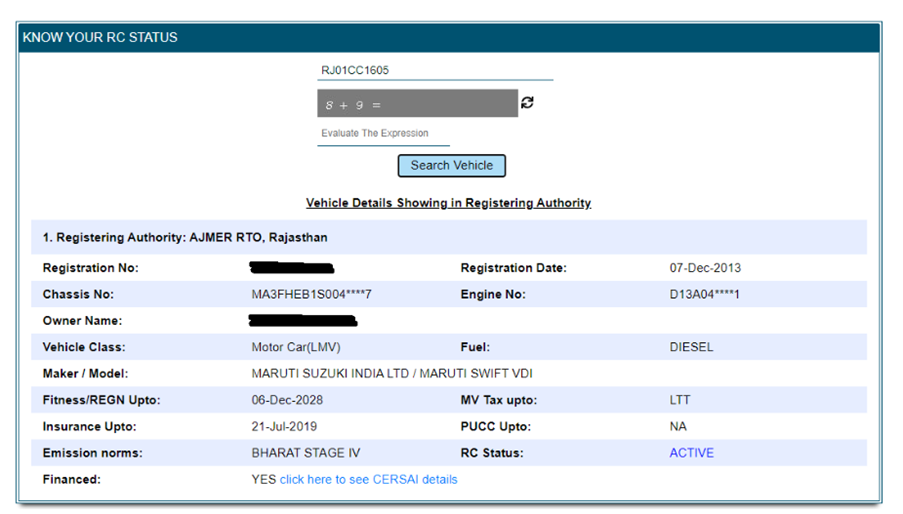
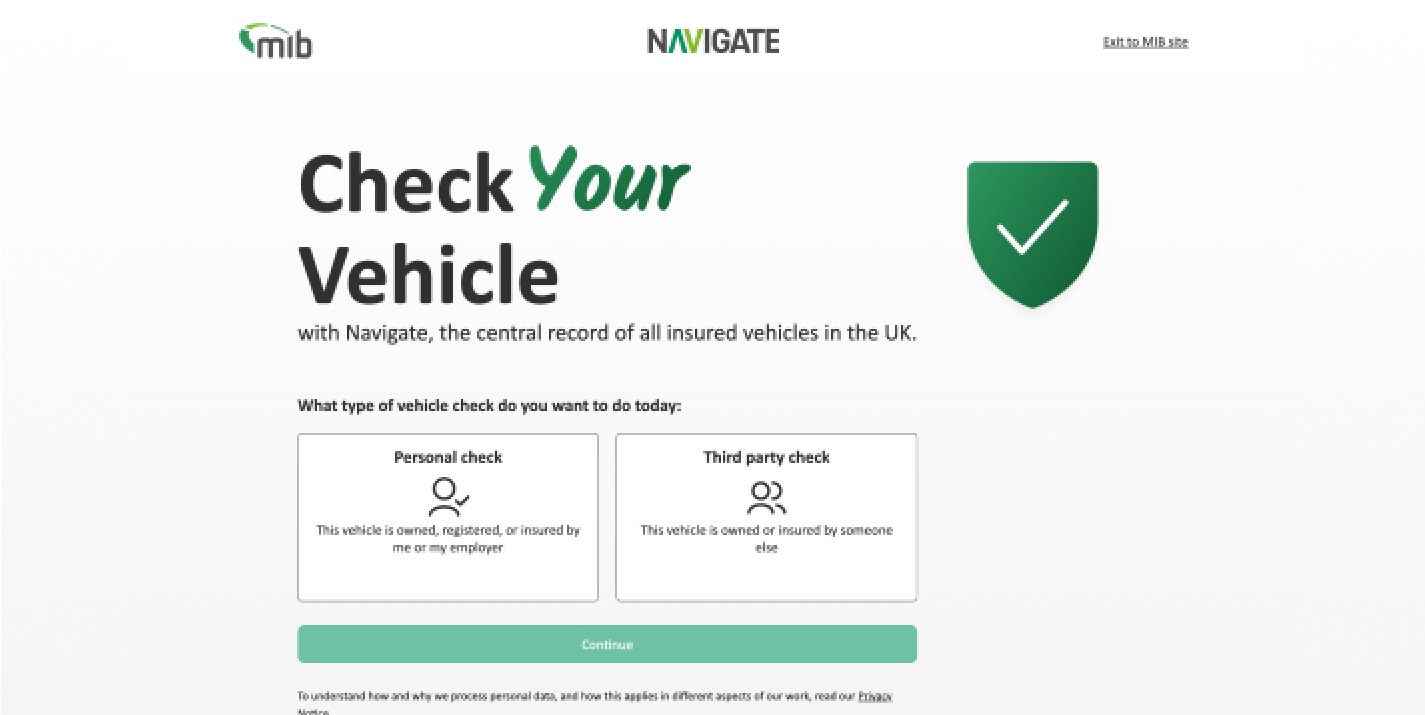
Many states and provinces have established online portals or databases that allow for quick verification of a vehicle’s insurance status. These systems are typically designed for law enforcement but are often accessible to the public for specific queries, such as verifying insurance after an accident or when purchasing a vehicle. These portals usually require the vehicle’s VIN (Vehicle Identification Number) and sometimes the license plate number. They cross-reference this information with data submitted by insurance companies, indicating whether a policy is active. Accessing these official state resources is often the most direct and authoritative way to check insurance status, offering an immediate and reliable confirmation without needing to contact the insurer directly. Familiarity with your local Department of Motor Vehicles (DMV) or equivalent transport authority website is key to utilizing this financial compliance tool effectively.
Direct Contact with the Insured or Insurer
If direct access to state databases is limited or if you require more detailed policy information, contacting the insured party or their insurance company directly is a viable option. If you are involved in an accident, exchanging insurance information with the other driver is standard practice. You can then call the provided insurance company to verify the policy’s validity and coverage limits. When purchasing a vehicle, asking the seller for their insurance details and then independently verifying them is a financially prudent step. While insurers may be hesitant to share full policy details with third parties due to privacy concerns, they can generally confirm if a policy is active for a specific vehicle on a given date, particularly if you have the policy number and vehicle details. This direct approach, though slower, provides a personal confirmation often necessary for complex situations.
Third-Party Services and Apps
A growing number of third-party services and mobile applications are emerging that assist in vehicle information checks, including insurance status. These platforms often aggregate data from various sources, sometimes including public records, insurance company APIs (Application Programming Interfaces), or user-submitted information. While convenient, it’s crucial to exercise caution with these services. Always verify the credibility and data sources of such platforms. Some may offer basic checks for a fee, while others might bundle insurance verification with comprehensive vehicle history reports (which also cover accidents, mileage fraud, and ownership history). When considering these options, prioritize services with strong privacy policies and a reputation for accuracy, as the financial implications of incorrect information can be substantial. For businesses managing multiple vehicles, specialized fleet management software often integrates insurance tracking and notification features, streamlining the financial oversight of large vehicle assets.
Understanding Insurance Verification for Different Scenarios
The need to verify vehicle insurance arises in various contexts, each with its own specific requirements and financial implications. Recognizing these scenarios helps in applying the appropriate verification method.
When Buying a Used Vehicle
Purchasing a used vehicle represents a significant financial investment, and ensuring it’s properly insured is paramount. Before finalizing the purchase, buyers should verify the seller’s active policy to ensure there’s no lapse in coverage that could expose the vehicle to risk during the transfer of ownership. More importantly, buyers must confirm they can secure their own insurance before driving the vehicle off the lot. Driving an uninsured vehicle, even for a short distance, carries immediate legal and financial risks. Verifying that the vehicle’s VIN is insurable and free from issues that might complicate new policy issuance is a key step in prudent financial planning for vehicle ownership.
After an Accident
Following an accident, verifying the other party’s insurance information is one of the first and most critical steps. This determines how damages will be financially resolved. You’ll need to obtain the other driver’s name, insurance company, policy number, and vehicle details. Immediately contact their insurer to confirm policy validity and initiate a claim. If the other party is uninsured or provides fraudulent information, this verification process quickly uncovers the issue, allowing you to activate your own uninsured motorist coverage or pursue alternative legal avenues for financial recovery. Swift and accurate verification post-accident is crucial for managing the immediate financial fallout and subsequent claims process.
For Businesses Managing Fleets
Businesses with a fleet of vehicles face a heightened level of financial and legal responsibility. Ensuring continuous, active insurance for every vehicle is not just about compliance; it’s about mitigating massive corporate financial risk. Fleet managers must regularly check policy expiration dates, monitor renewal statuses, and verify coverage for new additions or removals from the fleet. Software solutions designed for fleet management often include modules for insurance tracking, automatically alerting managers to upcoming renewals or potential lapses. This systematic approach is vital for maintaining operational efficiency, avoiding costly penalties, and protecting the company’s financial assets from accident-related liabilities.
Key Information to Look For
When checking vehicle insurance, merely confirming “active” status isn’t always enough. A deeper dive into specific policy details can provide a more comprehensive understanding of the financial protection in place.
Policy Status and Expiration Date
The most basic, yet crucial, information is whether the policy is currently active and its expiration date. An “active” status confirms that the policy is currently in force, offering financial protection. The expiration date is critical for planning renewals and preventing lapses in coverage, which can lead to legal penalties and financial exposure. Understanding these dates is essential for both immediate verification and long-term financial planning related to vehicle ownership.
Coverage Types and Limits
Beyond activation, understanding the types of coverage (e.g., liability, collision, comprehensive, uninsured motorist) and their respective limits is vital. High liability limits offer greater financial protection against large claims, while specific coverage types determine what events are financially covered. For example, if you’re involved in an accident, knowing the other party’s liability limits helps in assessing potential recovery for your damages. For your own policies, ensuring adequate limits prevents underinsurance, which can leave you financially vulnerable to catastrophic losses. This granular detail is especially important when evaluating the financial risk associated with a particular vehicle or driver.
Insured Parties and Vehicle Details
Confirming that the correct vehicle (via VIN and license plate) and the correct individuals are listed as insured parties on the policy is fundamental. Errors here can lead to claims being denied, leaving financial gaps. For businesses, ensuring all drivers operating company vehicles are covered under the fleet policy, or their individual policies meet specific requirements, is a constant financial management task. Discrepancies in these details can invalidate coverage, leading to significant financial losses in the event of an incident.

Safeguarding Against Fraud and Lapses
The financial landscape of vehicle insurance is not immune to fraud or accidental lapses. Being vigilant is crucial for maintaining proper financial protection. Always use official or reputable channels for verification. Be wary of unofficial sources or individuals offering to “fix” insurance issues for a fee outside of standard channels. Regularly review your own policy documents and renewal notices to prevent accidental lapses. Set reminders for renewal dates, and consider automatic payment options to ensure continuous coverage. For businesses, implementing strict internal controls and utilizing integrated financial management systems can help prevent policy lapses across a fleet. Proactive management and a healthy skepticism towards unverified information are your best defense against financial risks associated with vehicle insurance.
aViewFromTheCave is a participant in the Amazon Services LLC Associates Program, an affiliate advertising program designed to provide a means for sites to earn advertising fees by advertising and linking to Amazon.com. Amazon, the Amazon logo, AmazonSupply, and the AmazonSupply logo are trademarks of Amazon.com, Inc. or its affiliates. As an Amazon Associate we earn affiliate commissions from qualifying purchases.