
Tax season, for many, is synonymous with anxiety. Beyond the stress of gathering documents and filing accurately, there’s often a lingering question: “Do I owe the IRS money?” This uncertainty can be unsettling, potentially leading to unforeseen penalties, interest, and considerable financial strain. Being proactive and knowing your tax status isn’t just a matter of compliance; it’s a cornerstone of sound personal finance. Understanding how to definitively check if you have an outstanding balance with the Internal Revenue Service is an essential skill for every taxpayer. This guide will walk you through the official, reliable methods to determine your tax obligations, explain common scenarios that lead to debt, and outline your options should you discover you owe. Taking control of your tax situation provides clarity, prevents future complications, and ultimately grants you invaluable peace of mind.
Why It’s Crucial to Confirm Your IRS Balance
Ignoring potential tax debt is akin to ignoring a leak in your roof – it will only worsen over time, causing more significant damage and expense. Proactively confirming your IRS balance is a fundamental aspect of responsible financial management, offering multiple benefits that extend far beyond simply paying a bill.
Avoiding Penalties and Interest
One of the most compelling reasons to check your IRS balance is to avoid the escalating costs associated with late payments and non-filing. The IRS imposes a “failure to pay” penalty, which is 0.5% of the unpaid taxes for each month or part of a month that taxes remain unpaid, up to a maximum of 25% of your unpaid tax. Additionally, interest accrues on unpaid balances, compounding daily. This interest rate can change quarterly but typically hovers around the federal short-term rate plus 3 percentage points. If you fail to file your tax return on time, an even steeper “failure to file” penalty applies – 5% of the unpaid taxes for each month or part of a month that a tax return is late, also capped at 25%. These penalties and interest can quickly transform a manageable debt into a substantial financial burden, making timely awareness and action paramount.
Maintaining Financial Health
An unknown or unaddressed tax debt can cast a long shadow over your overall financial health. For instance, if the IRS determines you owe money and you don’t respond, they may issue a tax lien, which is a legal claim against your property (like your home or other assets). A tax lien can significantly impact your credit score, making it difficult to obtain loans, mortgages, or even rent an apartment. Furthermore, unresolved tax debt can lead to an IRS levy, where the agency seizes your assets (such as bank accounts, wages, or even Social Security benefits) to satisfy the debt. These severe actions can disrupt your financial planning, impede your ability to save or invest, and derail long-term financial goals. Knowing your balance allows you to factor it into your budget and make informed financial decisions, safeguarding your future stability.
Peace of Mind
Beyond the tangible financial implications, the psychological burden of uncertainty surrounding tax obligations can be immense. The worry about owing money, receiving unexpected notices, or facing collection actions can lead to significant stress and anxiety. By proactively checking your IRS balance, you gain clarity and control. You either confirm you have no outstanding debt, providing immediate relief, or you identify a debt early enough to address it strategically. This certainty empowers you to take appropriate steps, whether it’s paying in full, setting up a payment plan, or seeking professional advice. The peace of mind that comes from understanding and managing your financial responsibilities is an invaluable asset.
Official Methods to Verify Your IRS Debt
The IRS offers several secure and reliable channels for taxpayers to ascertain their current balance and review their tax account information. Utilizing these official resources is the only way to get accurate information and avoid potential scams.
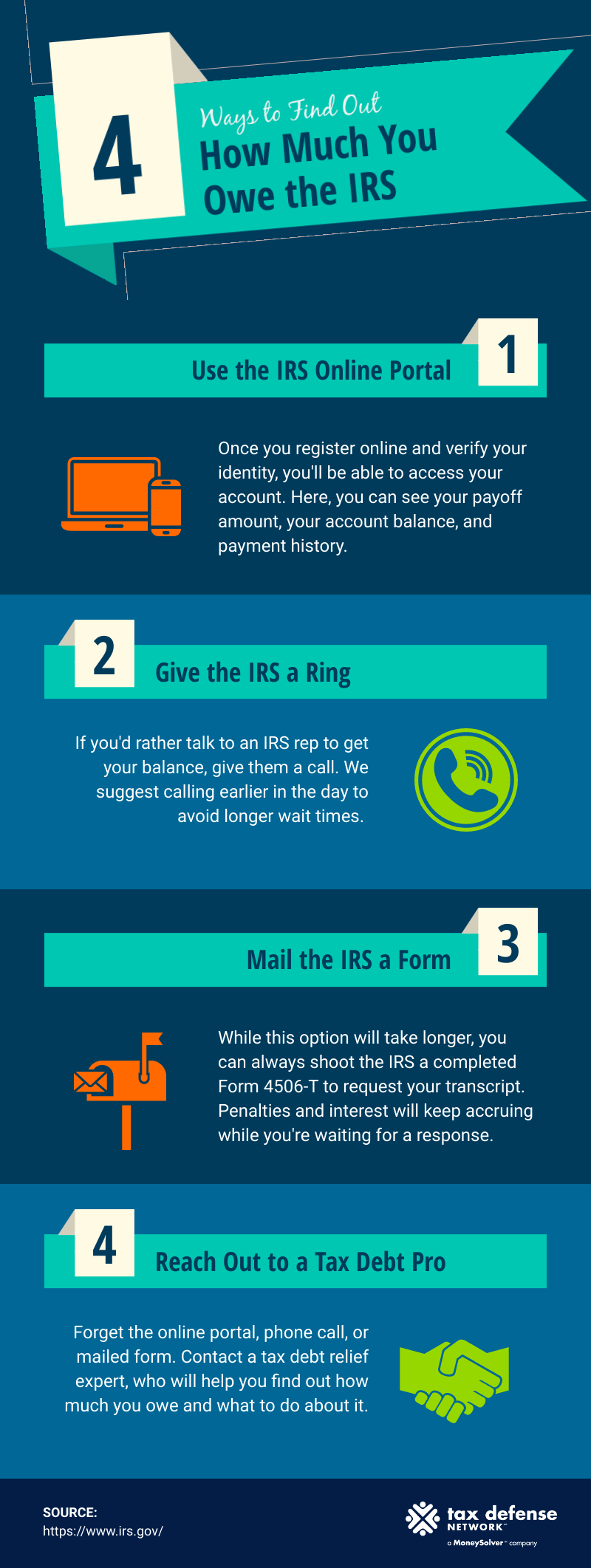
Checking Your IRS Online Account
One of the most convenient and comprehensive methods is to set up and regularly check your IRS online account. This digital portal provides a wealth of information related to your tax history and current status.
To access your account, you will need to go through a rigorous identity verification process to ensure the security of your personal tax information. Once verified, your online account allows you to:
- View your balance, including the amount you owe, by tax year.
- Access your payment history, confirming payments you’ve made.
- See key tax return information for the current year as filed.
- View transcripts, as discussed below.
- Make payments directly from your bank account or through various other options.
- Access information about any notices you have received.
This platform is a powerful tool for managing your tax affairs proactively and efficiently.
Reviewing Your Tax Transcripts
Tax transcripts are detailed summaries of your tax returns and account activity. While they might look complex, they contain crucial information, including any outstanding balances. There are several types of transcripts, but for checking your debt, the most relevant are:
- Account Transcript: This transcript shows most line items from your filed tax return, including any adjustments made by you or the IRS, and provides a summary of your tax account activity. It also displays payments made, penalties assessed, and any balance due for each tax year.
- Record of Account Transcript: This transcript combines the information from a Line-by-Line Tax Return Transcript and an Account Transcript, making it the most comprehensive option for reviewing your full tax account history and balance.
You can request tax transcripts online, by mail, or by phone. The fastest method is generally online via the “Get Transcript Online” tool on the IRS website, which requires identity verification. Alternatively, you can request them by mail using Form 4506-T, Request for Transcript of Tax Return, or by calling the IRS directly.
Receiving Official IRS Notices
The IRS communicates important information, including tax balances, through official mailed notices. If you owe money, you are likely to receive one or more notices from the IRS. It’s imperative not to ignore these letters, as they contain critical details about your obligation and instructions on how to proceed.
Common notices related to balances due include:
- CP14 Notice: This is one of the most common notices and typically indicates that you have a balance due on your tax account. It usually specifies the amount owed, the due date, and how to pay.
- CP2000 Notice: This notice is sent when income or payment information reported to the IRS by third parties (like employers or financial institutions) doesn’t match the information reported on your tax return. It may propose changes to your return that result in an additional tax liability.
- Letter 11, Letter 1058, or similar: These are final notices of intent to levy and notify you of your right to appeal.
Always verify that any notice you receive is legitimate. The IRS will never initiate contact by email, text message, or social media to request personal or financial information. They also do not demand immediate payment via gift cards, wire transfers, or cryptocurrency. Legitimate notices will always arrive via postal mail.
Contacting the IRS Directly
If you prefer direct communication or have complex questions that the online tools or transcripts don’t fully clarify, contacting the IRS by phone or in person is an option.
- By Phone: You can call the IRS Tax Assistance line at 1-800-829-1040. Have your Social Security number, date of birth, and the tax year in question ready. Be prepared for potentially long wait times, especially during peak tax season. Calling early in the morning or later in the afternoon on weekdays often yields shorter waits.
- In-Person Assistance: For more complex issues or if you prefer face-to-face interaction, you can visit a local Taxpayer Assistance Center (TAC). Appointments are generally required for most services, so it’s advisable to check the IRS website for specific location details and to schedule an appointment beforehand. Bring all relevant documents with you.

Understanding Your Tax Obligations and Common Scenarios
Discovering you owe the IRS can be perplexing, especially if you believed you had fulfilled all your tax responsibilities. Several common scenarios can lead to an unexpected tax debt, and understanding these can help prevent future issues and clarify your current situation.
Estimated Taxes and Underpayment
For many taxpayers, especially those who are self-employed, gig workers, freelancers, or investors with significant un-withheld income, paying estimated taxes is a quarterly requirement. If you expect to owe at least $1,000 in tax for the year, you may need to make estimated tax payments throughout the year via Form 1040-ES. Failure to pay enough estimated tax throughout the year, or paying it late, can result in an underpayment penalty even if you file your return and pay the balance by the tax deadline. Employees can often avoid this by adjusting their withholding with their employer using Form W-4. Regularly reviewing your income and potential tax liability is crucial to ensure you’re paying enough throughout the year.
Missed Filings and Unfiled Returns
One of the most direct routes to owing the IRS is simply not filing a tax return when required. Even if you believe you don’t owe any tax, or are even due a refund, if your income exceeds certain thresholds, you are legally required to file. The “failure to file” penalty is significantly higher than the “failure to pay” penalty. If you have unfiled returns from previous years, the IRS may have estimated your income and assessed taxes, which could result in a substantial (and potentially inaccurate) balance. It’s always best to file delinquent returns as soon as possible, even if you can’t pay the full amount owed, to minimize penalties and interest.
Audit Adjustments
While less common for the average taxpayer, an IRS audit can lead to adjustments that result in additional tax owed. During an audit, the IRS reviews your tax return to verify the accuracy of your income, deductions, and credits. If the auditor finds discrepancies or determines that certain claims were not substantiated, they may propose changes that increase your tax liability. If you agree with the findings, you’ll owe the additional tax. If you disagree, you have the right to appeal the decision. Responding promptly and providing all requested documentation during an audit is critical to ensure a fair assessment.
Errors in Your Return
Even the most diligent taxpayer can make mistakes. Simple calculation errors, incorrect reporting of income or deductions, or claiming credits for which you are ineligible can all lead to an underpayment of taxes. If you discover an error on a previously filed return that resulted in you owing more tax, you should file an amended return using Form 1040-X, Amended U.S. Individual Income Tax Return. Filing an amended return voluntarily can prevent future penalties and demonstrate your commitment to compliance. It’s important to file the amended return as soon as you discover the error, especially if it leads to an additional tax liability.
What to Do if You Discover You Owe the IRS
Finding out you owe the IRS can be daunting, but it’s important to remember that you have options. The key is to act promptly and strategically, understanding the resources and payment arrangements available to you.
Pay in Full if Possible
The most straightforward and cost-effective approach, if financially feasible, is to pay your tax debt in full by the due date. This immediately stops the accrual of penalties and interest, providing the quickest resolution and the most financial relief. The IRS offers several convenient payment methods:
- IRS Direct Pay: Pay directly from your checking or savings account for free.
- Debit Card, Credit Card, or Digital Wallet: Payments can be made online, by phone, or through a mobile device using third-party payment processors, though a processing fee typically applies.
- Electronic Federal Tax Payment System (EFTPS): A free service from the Treasury Department, ideal for businesses and individuals who make recurring payments.
- Electronic Funds Withdrawal: Authorize a payment directly from your bank account when you e-file your tax return.
- Check or Money Order: Mail your payment with a payment voucher (Form 1040-V) to the appropriate IRS address.
Explore Payment Options
If paying your tax debt in full immediately isn’t an option, don’t despair. The IRS understands that financial difficulties can arise and offers various payment plans to help taxpayers manage their obligations.
- Short-Term Payment Plan: If you can pay your balance within 180 days, you might qualify for a short-term payment plan. While penalties and interest still apply, this option provides a brief extension to gather the necessary funds without formalizing a long-term agreement.
- Offer in Compromise (OIC): An OIC allows certain taxpayers to settle their tax debt with the IRS for a lower amount than what they originally owe. This option is generally considered when you are experiencing significant financial hardship and can demonstrate that paying the full amount would create an economic burden. The IRS considers your ability to pay, income, expenses, and asset equity when evaluating an OIC.
- Installment Agreement: This is a popular option where you make monthly payments for up to 72 months (six years). While interest and penalties still accrue, they may be reduced for taxpayers in an installment agreement. You can often set up an installment agreement online, by phone, or by mail if you owe a combined total of under $50,000 in tax, penalties, and interest. This plan provides a structured way to pay off your debt over time without facing more aggressive collection actions.
Seek Professional Guidance
For complex tax situations, significant debt, or if you’re unsure how to proceed, seeking assistance from a qualified tax professional is highly advisable.
- Enrolled Agents (EAs), Certified Public Accountants (CPAs), and Tax Attorneys: These professionals are authorized to represent taxpayers before the IRS. They can help you understand your tax notices, review your financial situation, negotiate payment plans, prepare Offers in Compromise, and represent you during audits or appeals. Their expertise can save you money, reduce stress, and ensure you make the most informed decisions.
- Low Income Taxpayer Clinics (LITCs): If you have a low income and need assistance with a tax problem, or speak English as a second language, LITCs offer free or low-cost tax help. They can provide education about taxpayer rights and responsibilities and represent taxpayers in disputes with the IRS.

Don’t Panic and Avoid Scams
The most important advice when you discover you owe the IRS is to remain calm and avoid impulsive decisions. Never fall victim to tax scams that demand immediate payment via unusual methods or threaten legal action. The IRS will always communicate through official channels, allowing you time to understand and respond to your obligations. Take the time to verify your debt through official channels, understand your options, and seek legitimate assistance if needed. Proactive engagement, rather than avoidance, is the most effective strategy for managing tax debt.
In conclusion, understanding your tax obligations and knowing how to check if you owe the IRS is a critical aspect of sound financial stewardship. By utilizing the official online accounts, reviewing tax transcripts, recognizing legitimate IRS notices, and not hesitating to contact the agency directly, you empower yourself with the knowledge needed to stay compliant. Should you discover an outstanding balance, remember that various payment options and professional support are available. Addressing tax debt promptly and strategically ensures you avoid escalating penalties, protect your financial health, and secure your peace of mind.
aViewFromTheCave is a participant in the Amazon Services LLC Associates Program, an affiliate advertising program designed to provide a means for sites to earn advertising fees by advertising and linking to Amazon.com. Amazon, the Amazon logo, AmazonSupply, and the AmazonSupply logo are trademarks of Amazon.com, Inc. or its affiliates. As an Amazon Associate we earn affiliate commissions from qualifying purchases.