
In an era defined by instant information and global connectivity, the landscape of air travel has been profoundly reshaped by technology. Gone are the days of anxious calls to the airline or frantic glances at airport departure boards. Today, a sophisticated ecosystem of digital tools empowers travelers to track, manage, and stay informed about their flights with unprecedented precision and convenience. Understanding “how to check flight details” is no longer just about knowing your departure gate; it’s about mastering the digital platforms that provide real-time updates, predict disruptions, and secure your peace of mind from booking to baggage claim.
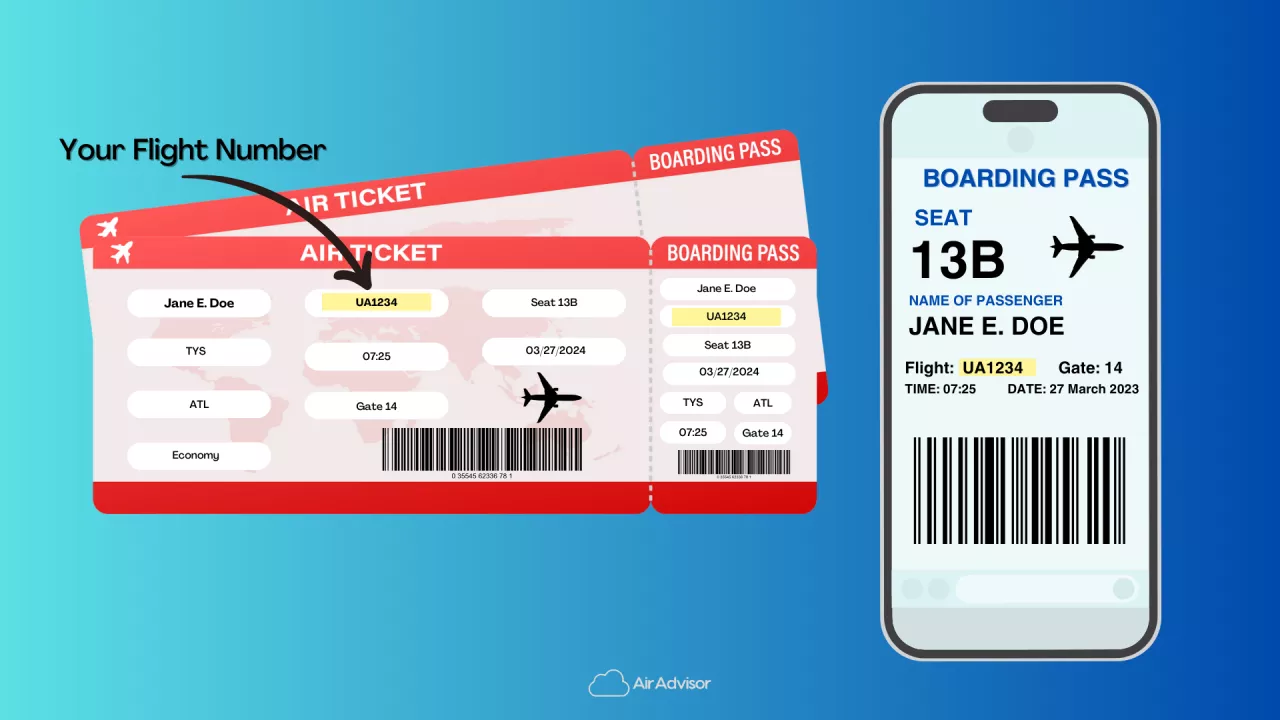
This guide delves into the technological underpinnings and practical applications of these digital resources, offering an insightful exploration for anyone looking to navigate the complexities of modern air travel with confidence. From proprietary airline applications to advanced third-party trackers and the critical security measures required, we will uncover how to harness the full potential of today’s digital tools to ensure a smooth and informed journey.
The Digital Arsenal for Flight Tracking
The cornerstone of effective flight detail checking lies in understanding and utilizing the diverse range of digital platforms available. Each offers unique advantages, and a savvy traveler often employs a combination of these tools for a comprehensive view.
Airline Official Websites and Apps
The most authoritative and often the first point of contact for specific flight information are the official websites and mobile applications provided by airlines themselves. These platforms are designed not only for booking and managing reservations but also as primary channels for disseminating real-time flight status updates. Airlines invest heavily in robust IT infrastructure to ensure these digital touchpoints are reliable and user-friendly.
From a technological perspective, these apps and websites leverage direct access to the airline’s operational databases, allowing for immediate propagation of information regarding delays, gate changes, cancellations, and boarding times. Features commonly found include interactive seat maps, mobile check-in capabilities (often issuing digital boarding passes), and perhaps most crucially, push notifications. These notifications, delivered directly to your smartphone or tablet, are powered by backend systems that monitor flight changes and trigger alerts based on user-subscribed flight numbers or booking references. Advanced functionalities might include estimated arrival times derived from real-time air traffic data and even baggage tracking for some carriers. Relying on these official channels ensures you receive information straight from the source, minimizing potential discrepancies found on aggregated platforms.
Third-Party Flight Tracker Apps and Websites
Beyond individual airline offerings, a powerful ecosystem of third-party flight tracking services has emerged, providing a broader, often more visually engaging perspective on global air traffic. Applications and websites like FlightAware, FlightStats, and FlightRadar24 are prime examples. These platforms distinguish themselves by aggregating data from multiple sources, including air traffic control (ATC) feeds, airline operational data (AOC), and even crowd-sourced information.
Their technological prowess lies in their ability to process vast amounts of real-time data, often displaying aircraft positions on a live map using ADS-B (Automatic Dependent Surveillance-Broadcast) receiver networks. This allows users not just to see a flight’s status but to visualize its exact position, altitude, speed, and even historical flight paths. Many also offer predictive analytics, estimating arrival times with greater accuracy by factoring in current weather, air traffic congestion, and aircraft type. For travelers with connecting flights on different airlines or those monitoring multiple flights simultaneously, these tools offer an invaluable, consolidated view. Their sophisticated filtering and alert systems, built on complex algorithms, provide a level of oversight that complements the direct information from airlines.
Online Travel Agencies (OTAs) and Booking Platforms
Online Travel Agencies (OTAs) such as Expedia, Booking.com, Kayak, and Google Flights serve as central hubs for booking and managing travel itineraries, often consolidating flights from multiple airlines. While their primary function is transaction processing, their platforms have evolved to integrate flight tracking capabilities, leveraging APIs (Application Programming Interfaces) to pull data from various airline systems and third-party flight trackers.
When you book a flight through an OTA, your itinerary is stored within their system, allowing them to provide updates directly to you. These platforms often send email or in-app notifications regarding flight status changes, though these might sometimes have a slight delay compared to official airline channels. Their strength lies in providing a holistic view of your entire trip, especially if it involves multiple segments or different airlines, all within a single interface. The technology behind OTAs aggregates vast quantities of information, including pricing, availability, and flight status, presenting it in a digestible format for the user. They act as a convenient intermediary, streamlining the information retrieval process, particularly for complex itineraries.
Mastering the Art of Real-Time Information Retrieval
Accessing flight details effectively requires more than just knowing which app to open; it demands an understanding of how to input information, interpret data, and configure proactive alerts.
Inputting Essential Information (Booking Reference, Flight Number, Route)
To retrieve accurate flight details, users typically need to provide specific identifiers. The most common are:
- Booking Reference (PNR – Passenger Name Record): This is a unique alphanumeric code (usually 6 characters) provided by the airline or OTA at the time of booking. It’s your digital key to accessing your specific reservation, including all passenger details, itinerary, and payment information. On airline websites/apps, inputting your PNR often grants access to manage your booking, check-in, and view real-time status updates specific to your ticket.
- Flight Number: Composed of a two-character airline code (e.g., UA for United, BA for British Airways) followed by a 1-4 digit number (e.g., UA123), the flight number uniquely identifies a specific flight operated on a given date and route. This is the most common identifier used on third-party flight trackers and general airport information displays. It allows these systems to pull operational data relevant to that specific aircraft’s journey.
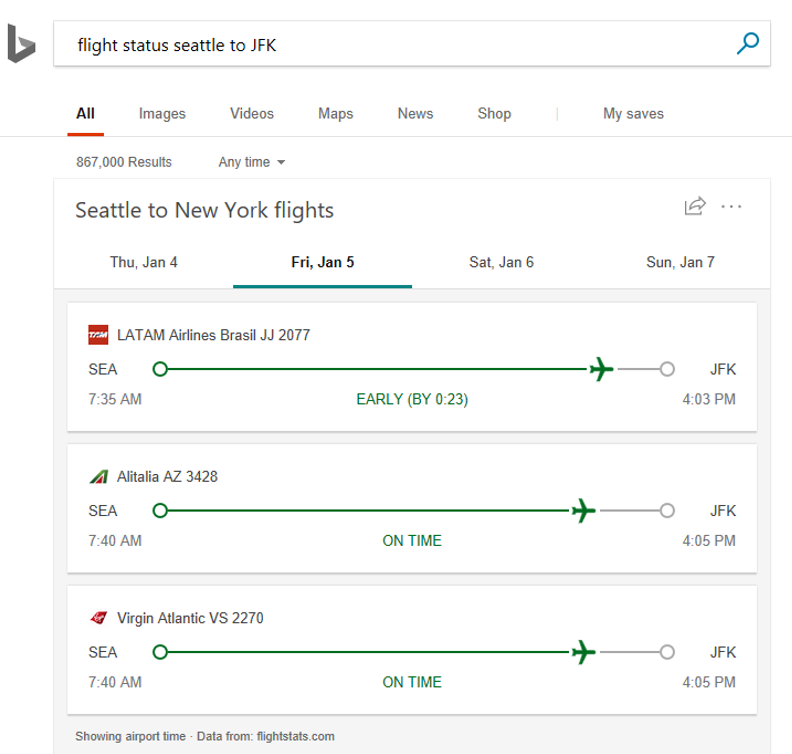
- Route (Departure & Arrival Airports): Sometimes, especially on general flight status boards or during broad searches, simply providing the departure and arrival airports, along with the date, can help narrow down flights. This method is less precise but useful when you only know the origin and destination without specific flight numbers.
The accuracy of the information you receive is directly tied to the correctness of these inputs. Digital systems rely on these identifiers to query vast databases of flight schedules and real-time operational data, ensuring you get details specific to your journey.
Interpreting Flight Status Codes and Terminology
Once you’ve retrieved your flight details, understanding the common digital status codes and terminology is crucial for making informed decisions.
- On Time: The flight is expected to depart and arrive according to its published schedule. This status is dynamically updated; even minor delays might not immediately change it until a significant threshold is crossed.
- Delayed: The flight is departing or arriving later than scheduled. Digital systems often provide an updated estimated time of departure (ETD) or estimated time of arrival (ETA), along with a reason if available (e.g., “Air Traffic Control,” “Late Aircraft Arrival,” “Operational”).
- Cancelled: The flight has been called off entirely. This status will often be accompanied by information on rebooking options or compensation, usually communicated via the airline’s official channels.
- Departed: The aircraft has left the gate and taken off. The status might also show the actual departure time (ATD).
- Arrived: The aircraft has landed and typically reached the gate. The status might show the actual arrival time (ATA) and the gate number.
- Boarding: Passengers are currently embarking the aircraft. This often indicates the gate is confirmed and the departure process has officially begun.
- Diverted: The flight has landed at an airport different from its original planned destination, usually due to unforeseen circumstances like severe weather or medical emergencies.
These statuses are dynamically generated by airline operational systems and air traffic control. The digital interface you use translates these complex data points into simple, actionable information, often updated in milliseconds.
Leveraging Push Notifications and Alerts
One of the most powerful technological advancements in flight tracking is the widespread adoption of push notifications and customizable alerts. Rather than constantly checking an app or website, these systems proactively inform you of critical changes.
Push notifications are real-time messages sent directly to your mobile device by an application, even when the app is not actively open. They are powered by background services that constantly monitor the status of flights you’ve tagged. When a change occurs – a delay, a gate change, or even an early arrival – the app’s server sends a trigger to your device, presenting the update as a notification. This technology relies on user permissions to function, requiring you to opt-in to receive alerts. Similarly, many services offer email or SMS alerts, providing an alternative channel for critical updates. Configuring these alerts for your specific flight numbers or booking references transforms passive information retrieval into an active, intelligent notification system, ensuring you’re always one step ahead.
Advanced Tips for Proactive Travelers
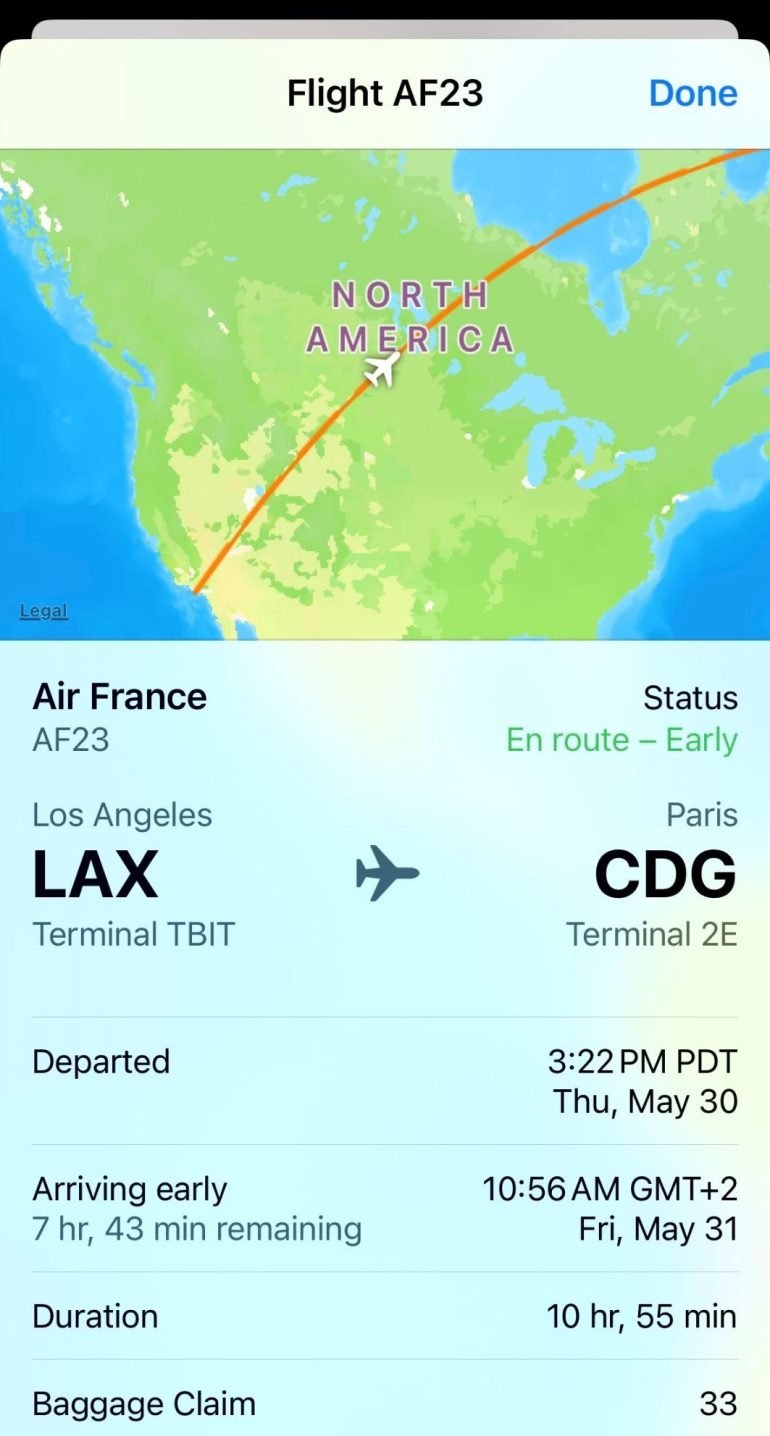
Beyond basic status checks, modern tech tools offer advanced functionalities that empower travelers to anticipate potential issues and manage complex itineraries more effectively.
Monitoring Connecting Flights and Layovers
For travelers with multi-segment journeys, especially those involving tight connections or different airlines, monitoring the status of all legs of the trip is paramount. Advanced flight tracking apps and OTA platforms excel here. They often allow you to input an entire itinerary, displaying the status of each connecting flight in a single view.
Technologically, these systems integrate data across various flight numbers and often correlate them based on your booking. If an inbound flight is delayed, the system can often calculate the impact on your outbound connection, sometimes even flagging potential missed connections. Some even provide tools to visualize terminal layouts or minimum connection times. Proactive monitoring, especially through third-party apps that can aggregate data from disparate sources (even if booked separately), becomes invaluable for making quick decisions if the first leg of your journey faces significant delays.
Understanding Airport Delays and Cancellations Beyond Your Flight
Sometimes, the delay of your flight isn’t due to your specific aircraft but rather broader operational issues at the departure or arrival airport. Advanced flight tracking tools provide a bird’s-eye view of airport status, offering insights that go beyond your individual booking.
These platforms often display real-time maps of airport traffic, showing taxiing aircraft, incoming and outgoing flights, and even ground delays. They might also provide information on broader air traffic control restrictions, weather advisories impacting airport operations, or even specific runway closures. By looking at the overall airport picture – available through detailed dashboards on FlightAware or FlightStats – you can gain a deeper understanding of why your flight might be affected. This aggregated data, pulled from ATC feeds and airport operational systems, offers a crucial contextual layer, allowing you to anticipate potential cascading delays or understand the root causes of disruptions.
Utilizing Voice Assistants and Smart Devices
The integration of flight tracking with smart home ecosystems and voice assistants represents a new frontier in convenience. Platforms like Amazon Alexa, Google Assistant, and Apple’s Siri can now retrieve basic flight status information through voice commands.
This functionality relies on APIs that connect these AI-powered assistants to flight tracking services or directly to airlines (if you’ve linked your accounts). For instance, you might say, “Hey Google, what’s the status of United flight 123?” or “Alexa, when does my flight land?” The assistant then queries the relevant digital service and provides an auditory update. While perhaps not as detailed as an app, this hands-free method offers quick, on-the-go information retrieval, especially useful when you’re busy packing, driving, or just need a quick check without pulling out your phone. As AI continues to evolve, expect even deeper integration and more complex queries to be handled seamlessly by these smart devices, further embedding flight tracking into our daily digital lives.
Digital Security and Privacy Considerations
While the convenience of digital flight tracking is undeniable, it also necessitates a keen awareness of digital security and privacy best practices. Protecting your personal and booking information is paramount in an increasingly interconnected world.
Safeguarding Personal and Booking Information
Your flight details, particularly your booking reference, are sensitive pieces of information. They can be used to access and potentially alter your reservation, view personal data (like passport information), or even perform fraudulent activities. Therefore:
- Strong Passwords and 2FA: Always use strong, unique passwords for your airline and OTA accounts. Enable two-factor authentication (2FA) wherever available. This adds an extra layer of security, requiring a second verification step (like a code sent to your phone) beyond just your password.
- Limit Sharing: Be extremely cautious about sharing your booking reference, flight number, or e-ticket publicly on social media. While a flight number alone is less risky, combining it with your name or other identifiers can give malicious actors enough information to attempt unauthorized access.
- Secure Browsing: Always ensure you are accessing airline or OTA websites via a secure connection (look for “https://” in the URL and a padlock icon). This encrypts the data transmitted between your device and the website’s server, protecting it from interception.
- Device Security: Keep your devices (smartphones, tablets, laptops) updated with the latest security patches and use reliable antivirus software. This protects against malware that could potentially capture your login credentials.
These practices are critical for maintaining the integrity of your digital travel footprint.
Recognizing Phishing Attempts and Fake Alerts
The popularity of digital flight tracking has unfortunately also opened avenues for cybercriminals. Phishing attempts, where attackers try to trick you into revealing sensitive information, are common.
- Email and SMS Scams: Be wary of suspicious emails or SMS messages claiming to be from an airline or airport, especially those with generic greetings, unusual sender addresses, or urgent demands. They might claim your flight is canceled and ask you to click a link to rebook, which could lead to a malicious website designed to steal your credentials.
- Verify Source: Always verify the sender’s email address. Legitimate communications will come from official domains (e.g., @united.com, not @unitedsupport.info).
- Don’t Click Suspicious Links: If an email or text seems fishy, do not click on any embedded links. Instead, go directly to the airline’s official website or open their app to check your flight status manually.
- Beware of Attachments: Never open unexpected attachments in emails related to your flight, as they could contain malware.
Understanding these common digital threats is your first line of defense against online fraud related to your travel.
Best Practices for Public Wi-Fi Usage
Public Wi-Fi networks (at airports, cafes, hotels) are notoriously insecure and pose a significant risk when accessing sensitive flight details or managing bookings.
- Avoid Sensitive Transactions: Refrain from logging into your airline account, managing payments, or accessing other sensitive information while connected to unsecured public Wi-Fi. These networks are often unencrypted, making it easy for others on the same network to intercept your data.
- Use a VPN: A Virtual Private Network (VPN) encrypts your internet connection, creating a secure tunnel for your data, even on public Wi-Fi. This is an essential tool for any traveler who needs to access secure information on the go.
- Mobile Hotspot: If you need to access secure information and a VPN isn’t available, consider using your smartphone’s mobile hotspot. This creates a secure, personal Wi-Fi network using your cellular data, which is generally more secure than public Wi-Fi.
- HTTPS Only: Always ensure that any website you visit, especially for sensitive data, uses HTTPS (Hypertext Transfer Protocol Secure). This indicates that the communication between your browser and the website is encrypted.
By adopting these digital security habits, you can confidently utilize the wealth of technological tools available for flight tracking without compromising your personal or financial security.
Conclusion
The digital age has irrevocably transformed the way we interact with air travel. From the initial booking to the final arrival, a sophisticated array of technological tools provides unparalleled access to real-time flight details, making the journey more transparent and less stressful. Mastering the use of official airline apps, leveraging the aggregated intelligence of third-party trackers, and understanding the role of OTAs are no longer mere conveniences but essential skills for the modern traveler.
Beyond simply retrieving data, the ability to interpret status codes, configure proactive alerts, and tap into advanced functionalities like airport-wide monitoring and voice assistant integration empowers individuals to anticipate challenges and make informed decisions on the fly. However, with this digital empowerment comes the responsibility of maintaining rigorous digital security and privacy. Safeguarding sensitive information, recognizing phishing attempts, and exercising caution on public networks are crucial practices in navigating the digital skies safely.
As technology continues to evolve, so too will the methods and tools for checking flight details. By embracing these digital solutions with an informed and security-conscious mindset, travelers can unlock a smoother, more efficient, and ultimately more enjoyable journey, making the once anxiety-ridden process of flight tracking an exercise in empowered digital navigation.
aViewFromTheCave is a participant in the Amazon Services LLC Associates Program, an affiliate advertising program designed to provide a means for sites to earn advertising fees by advertising and linking to Amazon.com. Amazon, the Amazon logo, AmazonSupply, and the AmazonSupply logo are trademarks of Amazon.com, Inc. or its affiliates. As an Amazon Associate we earn affiliate commissions from qualifying purchases.